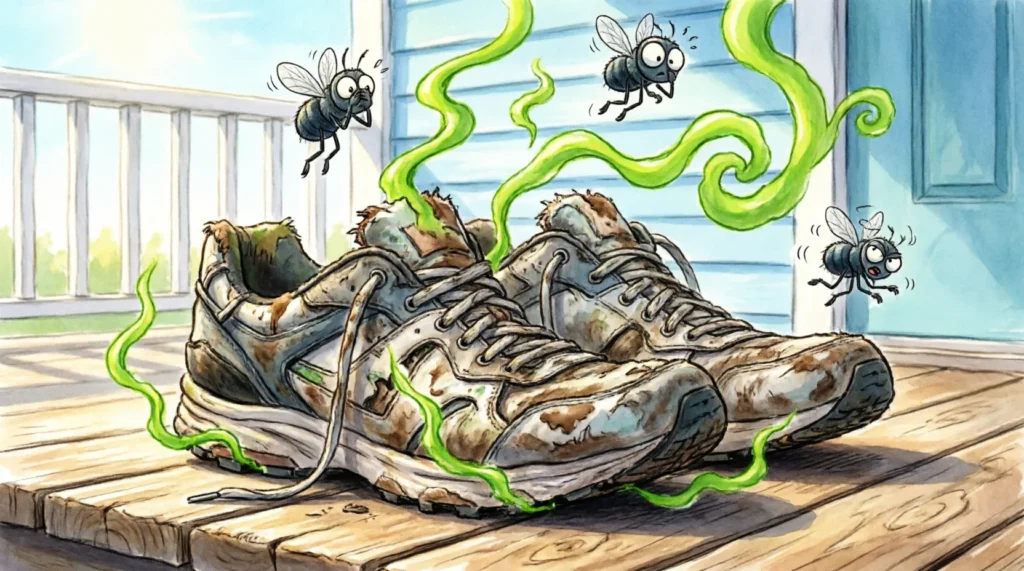
In short, similes for smelly are comparisons that help you describe unpleasant odors in a creative and memorable way. Instead of simply saying something smells bad, you can compare it to something familiar, making your writing more vivid and engaging. Keep reading to discover examples, writing tips, and fun activities that will help you use these similes with confidence.
[IMAGE: Student writing creative descriptions about different smells]
What Are the Similes for Smelly? (And Why They Matter)
Have you ever stared at a blank page and struggled to describe a terrible smell? Maybe your teacher asked for more descriptive writing, or you wanted your story to sound more realistic. Finding the right words can be challenging.
Similes for smelly are comparisons that use words like “as” or “like” to describe an unpleasant odor. They help readers imagine exactly what a smell is like without experiencing it themselves.
These similes matter because they make your writing more colorful and expressive. Instead of writing, “The room smelled bad,” you can create a much stronger image in your reader’s mind.
Many literacy educators and language arts researchers encourage students to use sensory details in their writing. When you describe smells effectively, your stories, essays, and poems become more engaging and memorable.
Now that you know what similes for smelly are, let’s explore some of the best examples you can use right away.
The Best Examples of the Similes for Smelly
The locker room smelled like a pile of sweaty socks left in the sun.
The garbage can was as smelly as rotten eggs.
His lunchbox smelled like old cheese forgotten in a backpack.
The swamp was as smelly as a trash bin on a hot summer day.
The fish market smelled like a boat full of spoiled seafood.
The old refrigerator was as smelly as sour milk.
The muddy shoes smelled like wet dogs after a rainstorm.
The abandoned shed was as smelly as a moldy basement.
The compost pile smelled like vegetables forgotten for weeks.
The gym bag was as smelly as a locker that had never been cleaned.
The drain smelled like something hiding underground for years.
The alley was as smelly as yesterday’s garbage.
The old sandwich smelled like a science experiment gone wrong.
The pond was as smelly as stagnant water in a rusty bucket.
The kitchen smelled like burnt food left overnight.
The trash truck was as smelly as a mountain of waste.
The sneakers smelled like onions mixed with sweat.
The dumpster was as smelly as rotten fruit baking in the heat.
The forgotten lunch smelled like a banana left in a drawer for months.
The sewer smelled as smelly as a muddy drain after a storm.
The basement smelled like damp clothes that never dried.
The campsite garbage smelled like leftovers forgotten for days.
The old carpet was as smelly as a wet towel left on the floor.
The refrigerator smelled like vegetables turning brown and soft.
The storage room was as smelly as a pile of old gym clothes.
The kitchen bin smelled like something forgotten weeks ago
As pungent as a locker room after double practice
The alley reeked like spoiled milk left in the summer sun
As foul as a swamp stirred up after heavy rain
The old fridge smelled like a science experiment gone wrong
As rank as wet dog fur drying by the fire
These examples work because they create strong mental pictures. Your reader can connect the smell to something familiar, making the description more powerful.
Good similes for smelly use sensory details and everyday experiences. The best ones help your audience almost “smell” the scene through your words.
How to Use the Similes for Smelly in Your Writing
Using similes for smelly effectively is easier than you might think. Here are some simple steps you can follow.
Think about the smell you want to describe and how strong it is.
Compare it to something your readers probably recognize, such as rotten eggs, old socks, or spoiled food.
Use “like” or “as” to create the comparison clearly.
Make sure the simile fits the mood of your story, poem, or essay.
For example:
“The abandoned refrigerator smelled like sour milk left in the sun.”
Notice how the sentence gives your reader a clear image. When you use similes for smelly this way, your writing becomes much more descriptive and interesting.
Once you understand how to use them, you’ll start noticing them in stories and poems everywhere.
Similes for Smelly in Poems and Stories
Poets and authors often use similes for smelly to create atmosphere and help readers feel immersed in a scene. These comparisons can add emotion, humor, or even suspense.
Aisha wrote:
“The hallway smelled like forgotten lunches in the heat, And everyone hurried past with wrinkled noses.”
Miguel wrote:
“The old boat smelled as smelly as seaweed left on the shore, Waiting beneath the afternoon sun.”
Priya wrote:
“The cave smelled like damp socks after a rainy game, Yet curiosity pulled us farther inside.”
These examples show how similes can make descriptions more vivid. Creative writing teachers often encourage students to include sensory language because it helps readers experience the story rather than simply read it.
As you practice, you’ll discover that even unpleasant smells can inspire creative and memorable writing.
Common Mistakes Students Make With the Similes for Smelly
Using comparisons that readers do not understand If your comparison is too unusual, your reader may not know what you mean. Choose familiar smells whenever possible.
Making the simile too long A simile should add clarity, not confusion. Keep your comparison simple and direct.
Using the same simile repeatedly Writing “like rotten eggs” over and over can become boring. Try different comparisons to keep your writing fresh.
Choosing a comparison that does not match the smell Not every bad smell is the same. A musty basement and spoiled fish create very different images.
Forgetting the purpose of the simile Sometimes students add similes just because they think they should. Make sure each comparison helps your reader understand the smell better.
These mistakes are completely normal. The good news is that you can improve quickly with practice.
Fun Activities to Practice the Similes for Smelly
Smell Description Challenge Grab a pencil and list five common smells around your home. Create a unique simile for each one.
Classroom Guessing Game One student reads a simile, and the class guesses what smell inspired it. This activity helps you think creatively.
Draw and Describe Draw a trash can, swamp, locker room, or refrigerator. Then write three similes for smelly that match your picture.
Story Expansion Activity Take a simple sentence like “The room smelled bad” and rewrite it using three different similes.
Reading Detective While reading a book, look for similes describing smells. Write them down and discuss why they work.
Create Your Own Worksheet Make two columns. In one column, list smelly objects. In the other, create matching similes.
These activities help you practice while having fun, making it easier to remember what you’ve learned.
What NOT to Do With the Similes for Smelly
Don’t assume every simile must be funny Some similes can be serious, dramatic, or even poetic. Humor is only one option.
Don’t use comparisons that are impossible to imagine Your reader should be able to picture and understand the comparison easily.
Don’t overload every sentence with similes Too many comparisons can make your writing feel crowded. Use them where they have the most impact.
Don’t confuse a simile with a metaphor A simile uses words such as “like” or “as.” A metaphor makes a direct comparison without those words.
Avoiding these habits will help your writing stay clear, creative, and effective.
Related reading: Looking for more descriptive comparisons? Check out our guides to similes for fish and similes for pale skin for additional inspiration.
Frequently Asked Questions About the Similes for Smelly
What is a simile for smelly?
A simile for smelly is a comparison that helps describe an unpleasant odor using “like” or “as.” For example, “The garbage smelled like rotten eggs” creates a stronger image than simply saying it smelled bad.
How do you use similes for smelly in a sentence?
You can compare the smell to something familiar. For example: “The gym bag smelled like wet socks left in the sun.” This helps your reader imagine the odor more clearly.
What is the difference between a simile and a metaphor for smelly descriptions?
A simile uses words such as “like” or “as” to compare two things. A metaphor makes the comparison directly. For example, “The room was a garbage dump of odors” is a metaphor, while “The room smelled like a garbage dump” is a simile.
Are similes for smelly appropriate for students?
Yes. They are commonly used in language arts lessons because they strengthen descriptive writing and help students develop sensory detail skills. You can use them in stories, poems, and classroom assignments.
Why do writers use similes for smelly?
Writers use them to create vivid imagery and make scenes feel realistic. A strong smell description can help readers connect more deeply with the setting and characters.
How can I write a smelly simile without sounding crude?
Lean on the sensory comparison rather than shock value—“it smelled like a forgotten gym bag” lands better in most writing than something graphic, and still gets the unpleasant point across.
Are there gentler alternatives to strong smelly similes for younger readers?
Yes. Comparisons like “it smelled like old socks” or “like a wet raincoat” are mild enough for classroom writing while still being vivid and specific.
More Fresh Similes for Smelly
The gym bag smelled like a locker room after overtime.
The fridge reeked like forgotten leftovers from last month.
The barn smelled as strong as a stable in July.
His shoes stank like a swamp after a heat wave.
The trash can smelled as bad as a dumpster in August.
Is there a difference between similes for smelly and similes for smelling bad?
Not really — both describe unpleasant odors, though “smelling bad” often points more specifically to a person or object, while “smelly” can describe a place or situation too. See our similes for smelling bad guide for more people-focused examples.
Final Thoughts on the Similes for Smelly
Learning how to use similes for smelly can transform ordinary writing into something much more vivid and memorable. Instead of relying on simple words like “bad” or “stinky,” you can create descriptions that capture your reader’s attention.
Throughout this article, you explored examples, writing strategies, common mistakes, and fun practice activities. Each one can help you build stronger descriptive skills.
Remember that the best similes come from observation and imagination. The more you notice the world around you, the easier it becomes to create original comparisons.
With practice, you will become more confident using figurative language, and your writing will grow richer, clearer, and more enjoyable to read. Happy writing!
Jamal Rodriguez is a poet and author who has been writing professionally for over a decade. With a Bachelor’s degree in Creative Writing, Jamal’s expertise lies in the use of vivid imagery and emotional depth in poetic language. Fascinated by the limitless possibilities of similes and metaphors, he joined SimilePedia to share his knowledge with budding writers. Jamal focuses on creating content for creative writers and poets, helping them understand the emotional resonance that figurative language can evoke. Through his work, he aims to inspire others to explore their own creative boundaries and embrace the beauty of language as an art form. His contributions include a range of exercises that stimulate imagination across all grade levels.