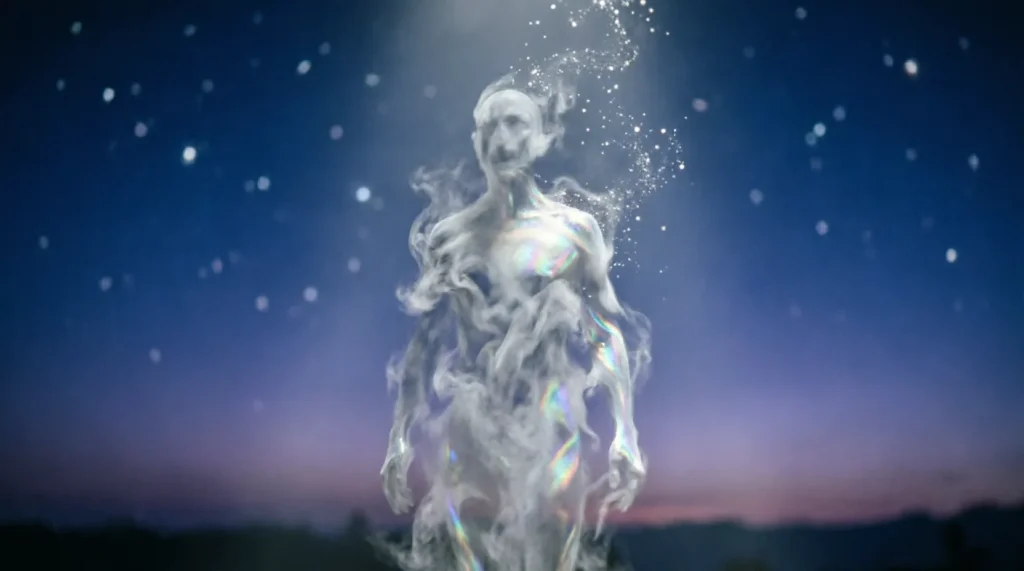
One second it’s there, the next it’s gone — how do you make that moment land on the page? Similes for disappearing compare the act of vanishing to something familiar, helping readers picture exactly how quickly, quietly, or mysteriously something goes away. Whether you’re writing a story, poem, or school assignment, these examples can make your descriptions more vivid and memorable.
What Are Similes for Disappearing? (And Why They Matter)
Have you ever been writing a story and wanted to describe someone leaving so fast that the word “gone” just didn’t feel exciting enough? Maybe your teacher asked for figurative language, or you wanted your writing to sound more creative.
Similes for disappearing are comparisons that use the words “like” or “as” to describe how someone or something vanishes. They help readers imagine the speed, mystery, or suddenness of the disappearance.
For example, instead of writing “The rabbit disappeared,” you could write, “The rabbit disappeared like smoke in the wind.” Instantly, your reader gets a clearer picture.
Language arts educators and literacy researchers often encourage students to use similes because they strengthen descriptive writing, improve reading comprehension, and make stories more engaging. When you learn how to use similes for disappearing well, your writing becomes more colorful and memorable.
Now let’s explore some of the best examples you can use right away.
The Best Examples of Similes for Disappearing
He vanished like smoke drifting into the sky.
The magician disappeared like a coin slipping through fingers.
She was gone like a shadow at sunrise.
The bird disappeared like a leaf carried away by the wind.
The deer vanished like mist over a morning lake.
He disappeared like a snowflake melting on a warm hand.
The thief was gone like lightning across the night sky.
She vanished like a dream after waking.
The cat disappeared like water down a drain.
The ship faded away like a ghost on the horizon.
He vanished like dust blown from a windowsill.
The rainbow disappeared like paint washed from a canvas.
She was gone like a candle flame in the wind.
The rabbit vanished like a bubble popping in the air.
The crowd disappeared like sand slipping through an hourglass.
He disappeared like a whisper carried away by the breeze.
The stars vanished like diamonds hidden behind clouds.
She disappeared like fog under the afternoon sun.
The footprints vanished like writing erased from a board.
The butterfly disappeared like a colorful spark fading into darkness.
He vanished like an ice cube dropped into hot water.
The kite disappeared like a tiny dot swallowed by the sky.
She was gone like a wave returning to the sea.
The monster disappeared like a nightmare at dawn.
He vanished like a magician’s trick before your eyes.
These examples work well because they create strong mental images. Some focus on speed, while others emphasize mystery or gradual fading. When you choose imagery that matches your scene, your readers can better visualize what is happening.
Let’s look at how you can create and use similes for disappearing in your own writing.
How to Use Similes for Disappearing in Your Writing
Think about how the disappearance happens. Ask yourself whether the person or object disappears quickly, slowly, quietly, or mysteriously. The answer will help you choose the right comparison.
Pick something familiar. Readers understand smoke, fog, shadows, and bubbles. Using familiar images makes your simile easier to understand.
Match the mood of your writing. A funny story might use “like a cookie disappearing from the lunch table,” while a mystery story might use “like mist over a dark lake.”
Use the simile at an important moment. Save your strongest similes for scenes you want readers to remember.
Example:
“Before Maya could ask another question, the stranger vanished like smoke drifting through an open window.”
Notice how the simile helps you picture the disappearance more clearly than simply saying the stranger left.
Similes for Disappearing in Poems and Stories
Poets and storytellers use similes for disappearing to create emotion, rhythm, and imagery. A good simile can make a simple scene feel magical, mysterious, or dramatic.
Here’s a short poem example:
“The morning fog slipped from the hill, Like a secret drifting away, Gone like a whisper in the wind, Before the start of day.”
Story example:
Amina blinked once, and the fox vanished like a snowflake melting in sunshine. Only the rustling grass remained.
Another example:
Carlos watched the last firefly disappear like a tiny star sinking into the darkness. The field suddenly felt much quieter.
These comparisons help readers feel the moment instead of simply reading about it. That’s one reason creative writing teachers often encourage students to experiment with figurative language.
Common Mistakes Students Make With Similes for Disappearing
Using a comparison that doesn’t fit If something disappears slowly, comparing it to lightning may feel confusing. Match the image to the action.
Making the simile too complicated Long, confusing comparisons can distract readers. Simple images are often stronger.
Repeating the same simile too often Using “like smoke” in every paragraph can become repetitive. Try different comparisons to keep your writing fresh.
Forgetting to use “like” or “as” A simile needs one of these comparison words. Without them, you may accidentally create a metaphor instead.
Choosing imagery that doesn’t relate to disappearing Comparing disappearance to something that stays visible can weaken your description. Focus on things that fade, vanish, melt, drift away, or dissolve.
Making these mistakes is completely normal when you’re learning. The good news is that practice helps you spot and fix them quickly.
Fun Activities to Practice Similes for Disappearing
Vanishing Challenge Grab a pencil and write five different ways a character could disappear. Create a unique simile for each one.
Picture Prompt Game Look at a photo showing fog, clouds, birds, or a distant road. Write three similes for disappearing inspired by the image.
Story Swap Work with a friend. One person writes a short story, and the other adds similes for disappearing to make it more descriptive.
Drawing and Writing Combo Draw something fading away, such as a rainbow or a ghost. Then write three similes that match your drawing.
Reading Detective While reading a novel or poem, search for descriptions of things vanishing. Notice how authors use figurative language to create imagery.
Simile Worksheet Race Create two columns: one with disappearing objects and one with possible comparisons. Match them and turn each pair into a complete simile.
These activities help you practice while having fun, making the skill easier to remember.
What NOT to Do With Similes for Disappearing
Don’t use random comparisons. The comparison should help readers understand the disappearance, not confuse them.
Don’t force a simile into every sentence. Too many similes can overwhelm your writing. Use them where they add the most impact.
Don’t assume longer means better. Many powerful similes are short and simple.
Don’t think all disappearances are the same. Some things vanish suddenly, while others fade gradually. Choose imagery that matches the situation.
Avoiding these habits will help your similes sound natural and effective.
Frequently Asked Questions About Similes for Disappearing
What is a simile for disappearing quickly?
A simile for disappearing quickly could be “He vanished like lightning across the sky” or “She disappeared like a bubble popping.” These comparisons emphasize speed and suddenness.
How do you use similes for disappearing in a sentence?
You can place the simile right after describing the disappearance. For example: “The rabbit vanished like smoke drifting into the air.” This helps readers visualize the scene more clearly.
What is the difference between a simile and a metaphor for disappearing?
A simile uses comparison words such as “like” or “as.” A metaphor makes a direct comparison without those words. “He disappeared like smoke” is a simile, while “He was smoke on the wind” is a metaphor.
Are similes for disappearing appropriate for school writing?
Yes. They are commonly used in creative writing assignments, poems, narratives, and descriptive paragraphs. They can help you earn stronger marks by making your writing more vivid.
Why do writers use similes for disappearing?
Writers use them to create imagery and emotion. A strong simile helps readers imagine exactly how something vanished, making the scene more memorable and engaging.
Final Thoughts on Similes for Disappearing
Learning how to use similes for disappearing can make your writing more vivid, creative, and enjoyable to read. Instead of simply saying something was gone, you can show readers how it vanished through powerful comparisons.
You explored dozens of examples, learned how to use them effectively, and discovered common mistakes to avoid. These skills can help you write stronger stories, poems, and classroom assignments.
Remember that the best similes connect to clear images that readers already understand. Whether you compare a disappearance to smoke, mist, shadows, or bubbles, the goal is to help your audience see the moment in their minds.
With practice, you’ll find that creating imaginative similes becomes easier and more natural, and your writing will continue to grow stronger with every page you write.
Extra Similes for Disappearing
He vanished like breath fogging a cold window then fading.
The trail disappeared like footprints erased by an incoming tide.
Her smile faded like a photograph left too long in the sun.
The signal dropped out like a radio station losing its frequency.
The money disappeared like sand slipping through open fingers.
Disappeared like a rumor nobody could trace back to its source.
Disappeared like footprints erased by an incoming tide.
Disappeared like a signal dropping in a dead zone.
Disappeared like coins slipping through a hole in a pocket.
FAQs About Similes for Disappearing
What’s the difference between a simile and a metaphor for disappearing?▼
A simile uses “like” or “as” to compare disappearing to something else (e.g., “vanished like smoke”), while a metaphor states it directly (e.g., “she was smoke, gone before I turned around”). Both create vivid imagery, but similes are more explicit comparisons.
When should I use similes for disappearing in my writing?▼
They work well anywhere you’re describing loss, fading memories, sudden absence, or objects/people vanishing — in fiction, poetry, and even reflective essays about change or grief.
Liam is a language enthusiast and lead writer at Similepedia.com, where he focuses on creating clear, creative, and easy-to-use similes for everyday writing. He specializes in turning simple ideas into vivid comparisons that make sentences more engaging, expressive, and memorable.
Instead of overcomplicating language with technical jargon, Liam approaches similes as practical tools for better communication. He breaks down how comparisons work, when to use them, and how to make them sound natural — not forced or awkward.
He pays close attention to tone, context, and clarity, ensuring every simile fits smoothly into real sentences. From fun and playful comparisons to more descriptive and expressive ones, Liam helps readers improve how they write, speak, and express ideas.
At Similepedia.com, his mission is simple: make language more colorful and effective without making it complicated. He doesn’t just list similes — he helps readers understand how to use them confidently in real situations.