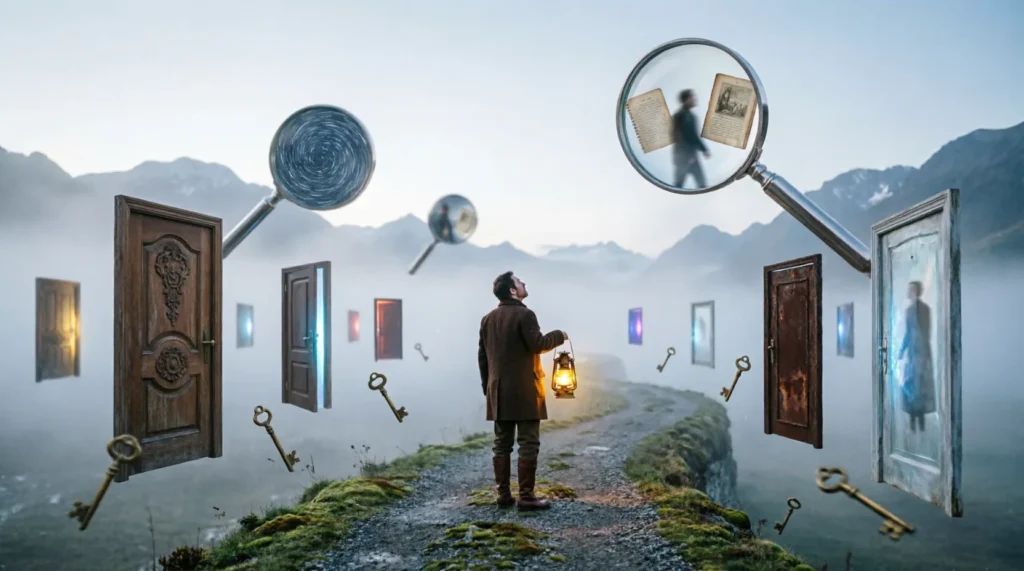
In short, similes for searching compare the act of looking for something to another familiar experience using words like “as” or “like.” These comparisons help you create stronger images in your reader’s mind and make your writing more engaging. Keep reading to discover vivid examples, writing tips, and fun ways to practice using similes for searching.
What Are Similes for Searching? (And Why They Matter)
Have you ever stared at a blank page, trying to describe a character looking for a lost item, but all you could write was “he searched everywhere”? If so, you’re not alone.
Similes for searching are comparisons that help readers picture the act of looking for something. They usually use the words “like” or “as” to connect searching with another experience.
For example, instead of saying, “She searched carefully,” you might write, “She searched like a detective following clues.” Suddenly, your reader can imagine exactly how she looked and acted.
Language arts educators and literacy researchers often encourage students to use similes because they strengthen descriptive writing. Whether you’re writing stories, poems, essays, or exam responses, similes can help your ideas feel more alive and memorable.
Now that you know what similes for searching are, let’s explore some of the best examples you can use right away.
The Best Examples of Similes for Searching
[IMAGE: Student searching for a lost object while imagining creative comparisons]
He searched like a detective hunting for a crucial clue.
She searched as carefully as a cat stalking a mouse.
They searched like treasure hunters chasing a hidden map.
I searched as patiently as a fisherman waiting for a bite.
He searched like a scientist examining every detail.
She searched as eagerly as a child looking for birthday presents.
The puppy searched like a nose-guided explorer following a scent trail.
He searched as thoroughly as a librarian organizing shelves.
She searched like a bee moving from flower to flower.
They searched as determinedly as climbers reaching a mountain peak.
I searched like a miner digging for gold.
He searched as intensely as a hawk scanning the ground.
She searched like a student looking for the correct answer before a test.
They searched as carefully as an artist choosing the perfect color.
I searched like a sailor looking for land after a long voyage.
He searched as tirelessly as a squirrel gathering acorns before winter.
She searched like a detective in a mystery novel.
They searched as quietly as shadows moving through the night.
I searched like a traveler trying to find the right path.
He searched as hopefully as someone waiting for a lost friend to appear.
She searched like a gardener looking for the first signs of spring.
They searched as methodically as robots following instructions.
I searched like a reader looking for a favorite page in a book.
He searched as urgently as a firefighter looking for an escape route.
She searched like an archaeologist uncovering ancient secrets.
These examples work because they create strong mental pictures. Instead of simply saying someone searched, you show how they searched through imagery and comparison.
Good similes for searching also connect to emotions. Some examples suggest excitement, while others show patience, determination, or urgency. This helps your readers feel more connected to your writing.
Once you have a collection of examples, the next step is learning how to use them naturally.
How to Use Similes for Searching in Your Writing
You don’t need to fill every paragraph with similes. A few well-chosen comparisons can make a big difference.
Think about how the search is happening. Is your character searching carefully, quickly, desperately, or excitedly? The emotion should guide your comparison.
Choose a familiar comparison. Readers understand detectives, treasure hunters, bees, and explorers. Pick images your audience can easily picture.
Match the simile to the situation. A student searching for homework might search like a detective, while a pirate searching for treasure might search like a miner digging for gold.
Read your sentence aloud. If the simile sounds natural and paints a clear picture, you’ve probably chosen a good one.
Example:
“Amira searched through the old attic like a detective following a trail of clues.”
Notice how the simile adds detail without making the sentence complicated. As you practice, you’ll become more confident using similes for searching in your own writing.
Similes for Searching in Poems and Stories
Poets and authors use similes because they create imagery, emotion, and rhythm. A simple comparison can transform an ordinary sentence into something readers remember.
Here are a few fictional examples:
Ayaan searched the beach like a treasure hunter, Scanning every shell and stone, Hoping the missing ring Would finally shine in the sunlight.
Maya looked through the library Like a bee among flowers, Moving from shelf to shelf In search of the perfect story.
Carlos searched the dark hallway like a detective, Listening for clues hidden in the silence, Wondering what waited Behind the next door.
These examples show how naturally similes for searching fit into creative writing. They help readers visualize the action and connect emotionally with the character’s experience.
Before you start adding similes everywhere, it helps to know some common mistakes students make.
Like a river finding its way to the sea — Shows steady, determined searching that naturally leads to a goal.
As careful as a squirrel gathering acorns — Captures patient searching with attention to every small detail.
Like sunlight reaching through thick clouds — Describes searching that slowly uncovers something hidden.
As alert as a fox tracking fresh footprints — Highlights sharp focus and careful observation while searching.
Like roots stretching through the soil — Suggests deep, persistent searching beneath the surface for answers.
💛 Warm & Emotional (for personal stories, letters, heartfelt writing)
Like a child searching for a familiar face in a crowd — Expresses hopeful searching filled with love and comfort.
As eager as a friend looking for the perfect gift — Shows thoughtful searching driven by kindness and care.
Like hands reaching for a warm blanket on a cold night — Reflects searching for safety, peace, or reassurance.
As hopeful as someone waiting for good news — Describes searching with optimism despite uncertainty.
Like a traveler searching for the lights of home — Conveys longing and the desire to find a place of belonging.
✨ Poetic & Romantic (for poems, song lyrics, love writing)
Like the moon searching for its reflection on the water — Creates a dreamy image of quiet longing and discovery.
As endless as the stars searching the midnight sky — Suggests searching that feels vast, beautiful, and timeless.
Like a melody searching for its final note — Describes an incomplete journey waiting for a perfect ending.
As gentle as the breeze searching through wildflowers — Adds softness and grace to scenes of searching.
Like a heartbeat searching for its matching rhythm — Expresses emotional searching for connection or love.
😄 Playful & Fun (for casual use, social media captions, humor)
Like a puppy searching for its favorite toy — Adds excitement and playful energy to the idea of searching.
As busy as someone searching every pocket for lost keys — Describes frantic but relatable searching in a humorous way.
Like a detective searching for the last cookie — Brings a funny, lighthearted twist to determined searching.
As curious as a kid searching every corner of a playground — Shows adventurous exploration and endless curiosity.
Like a pirate searching for hidden treasure — Perfect for describing exciting searches with a sense of adventure.
These tone-grouped similes for similes for searching give you options for every kind of writing — whether you need something soft and poetic or bold and fun. Try picking one from each group and using them in a short paragraph to see how different the same keyword can feel.
Using similes for searching in Real Writing Contexts
In a Descriptive Essay
When writing a descriptive essay, you can use similes for searching to make a person’s actions or a journey feel more vivid. Comparing the search to something familiar helps readers picture the effort and emotion involved. The hikers moved through the forest like a river finding its way to the sea, never giving up until they reached the hidden waterfall.
In a Poem
Similes for searching can create a gentle, hopeful, or mysterious mood in poetry. They help readers feel the emotion behind the search instead of simply reading about it. My heart wandered like the moon searching for its reflection, waiting for dawn to answer its quiet song.
In a Story or Creative Scene
In stories, similes for searching can reveal a character’s determination, curiosity, or worry. They make ordinary actions feel more meaningful and memorable. Ella looked through the dusty attic as careful as a squirrel gathering acorns, refusing to leave until she found her grandmother’s old journal.
In a Social Media Caption or Message
A short simile can make a caption or message more fun and engaging. It quickly paints a picture while keeping the writing light and relatable. I’ve been like a puppy searching for its favorite toy all morning, but I finally found my missing headphones!
The more you practice placing similes for searching into real sentences, the more natural your writing will sound — and the more your reader will feel exactly what you want them to feel.
Common Mistakes Students Make With Similes for Searching
Using comparisons that don’t make sense If readers cannot understand the connection, the simile loses its impact. Choose comparisons that clearly relate to searching.
Making similes too complicated Long and confusing comparisons can distract from your message. Simple, vivid images usually work best.
Repeating the same simile over and over Using “like a detective” in every paragraph can become repetitive. Try different comparisons to keep your writing fresh.
Forgetting the emotion behind the search A frantic search feels different from a careful one. Make sure your simile matches the mood of the scene.
Using similes that don’t fit the context A character searching quietly probably wouldn’t be compared to something loud or chaotic. Keep your comparisons consistent with the situation.
These mistakes are very common, and they’re easy to fix once you recognize them. The best way to improve is through regular practice.
Fun Activities to Practice Similes for Searching
Search-and-Compare Challenge Grab a pencil and write five different ways someone might search for a lost item. Then create a unique simile for each one.
Detective Story Game Write a short mystery story and challenge yourself to include at least three similes for searching.
Picture Prompt Practice Look at a photo of someone exploring, investigating, or looking for something. Create three similes based on what you see.
Simile Match-Up Play with friends or classmates by matching search-related situations with suitable similes. See who creates the most creative comparison.
Reading Hunt Read a favorite story and look for similes. Notice how authors describe searching, exploring, and discovering things.
Draw and Write Activity Draw a character searching for a hidden object. Then write five similes that describe how the character searches.
These activities help you build creativity while making figurative language practice feel more like play than work.
What NOT to Do With Similes for Searching
Don’t force a simile into every sentence. Too many comparisons can overwhelm your reader and make your writing feel crowded.
Don’t choose random comparisons. The comparison should help readers understand the search better, not confuse them.
Don’t copy the same online examples repeatedly. Creating your own similes often leads to more original and memorable writing.
Don’t assume bigger words make better similes. Clear, relatable comparisons are usually more effective than complicated ones.
By avoiding these habits, you’ll create similes that strengthen your writing instead of distracting from it.
Frequently Asked Questions About Similes for Searching
What is a good simile for searching?
One popular example is, “He searched like a detective hunting for clues.” It creates a clear image and helps readers understand the careful nature of the search.
How do you use similes for searching in a sentence?
You can compare the search to another familiar activity. For example, “Sara searched through the garden like a treasure hunter looking for hidden gold.”
Why do writers use similes for searching?
Writers use them to make descriptions more vivid and engaging. Instead of simply saying someone searched, the simile helps readers picture exactly how the search happened.
Are similes for searching suitable for students?
Yes. Students of many grade levels can use these similes to improve creative writing, reading comprehension, and descriptive language skills.
What is the difference between a simile and a metaphor when describing searching?
A simile uses words such as “like” or “as” to make a comparison. A metaphor makes the comparison directly without using those words.
Final Thoughts on Similes for Searching
Similes for searching help turn ordinary descriptions into memorable images. They allow you to show readers whether a search is careful, excited, determined, or urgent.
Throughout this article, you’ve explored more than twenty examples, learned practical writing strategies, and discovered fun ways to practice. These tools can help you become a stronger and more creative writer.
Remember that great similes don’t have to be complicated. The best comparisons are often simple, clear, and easy for readers to imagine.
With practice, you’ll find yourself creating original similes for searching with confidence, and your writing will become more vivid every time you put pencil to paper. Happy writing!
Frequently Asked Questions
What are similes for searching and how do they enhance writing?▼
Similes for searching are comparisons that relate the act of looking for something to another familiar experience using ‘like’ or ‘as.’ They help create vivid imagery in the reader’s mind, making the writing more engaging and memorable.
Can you provide examples of similes for searching?▼
Sure! Examples include ‘He searched like a detective hunting for a crucial clue’ and ‘She searched as eagerly as a child looking for birthday presents.’ These comparisons help illustrate the intensity and nature of the search.
Why are similes important in descriptive writing?▼
Similes strengthen descriptive writing by making ideas more relatable and vivid. They allow readers to visualize actions and emotions more clearly, enhancing their connection to the narrative.
How can I effectively use similes for searching in my writing?▼
You don’t need to overuse similes; instead, choose a few impactful comparisons that fit the context. Consider the emotions and manner in which the search is conducted to select similes that resonate with the reader.
What emotions can similes for searching convey?▼
Similes can convey a range of emotions, from excitement and determination to urgency and patience. For instance, ‘I searched as hopefully as someone waiting for a lost friend’ evokes anticipation, while ‘He searched as urgently as a firefighter looking for an escape route’ suggests immediate danger.
Are there specific contexts where similes for searching are particularly effective?▼
Similes for searching are effective in various contexts, including storytelling, poetry, and essays. They are especially valuable when describing characters’ actions, as they enhance the reader’s understanding of motivations and the stakes involved.
How do similes for searching differ from other literary devices?▼
Similes specifically compare two different things using ‘like’ or ‘as,’ while other literary devices, such as metaphors, imply a direct equivalence without these words. This subtle difference allows similes to create relatable images while still maintaining distinct identities for the compared elements.
Jamal Rodriguez is a poet and author who has been writing professionally for over a decade. With a Bachelor’s degree in Creative Writing, Jamal’s expertise lies in the use of vivid imagery and emotional depth in poetic language. Fascinated by the limitless possibilities of similes and metaphors, he joined SimilePedia to share his knowledge with budding writers. Jamal focuses on creating content for creative writers and poets, helping them understand the emotional resonance that figurative language can evoke. Through his work, he aims to inspire others to explore their own creative boundaries and embrace the beauty of language as an art form. His contributions include a range of exercises that stimulate imagination across all grade levels.