In short, similes for lost are comparisons that help readers understand the feeling of being confused, disconnected, misplaced, or unsure by comparing it to something familiar. Whether you’re writing a story, poem, essay, or homework assignment, these examples can help you describe that feeling more clearly and creatively.
What Are Similes for Lost? (And Why They Matter)
Have you ever stared at a blank page and known exactly what feeling you wanted to describe, but couldn’t find the right words? Maybe a teacher asked you to explain how a character felt, or you wanted to show that someone was confused or alone.
Similes for lost are comparisons that use the words “like” or “as” to describe the feeling of being lost. They help your reader picture and understand an emotion, situation, or experience more vividly.
For example, instead of writing “I felt lost,” you could write, “I felt like a ship drifting without a compass.” The second version creates a stronger image in your reader’s mind.
Literacy educators and language arts researchers often encourage students to use similes because they improve descriptive writing, strengthen reading comprehension, and make stories more memorable. Once you learn a few good examples, you’ll start noticing them everywhere in books, poems, and classroom assignments.
Now let’s explore some of the best similes for lost that you can use in your own writing.
The Best Examples of Similes for Lost
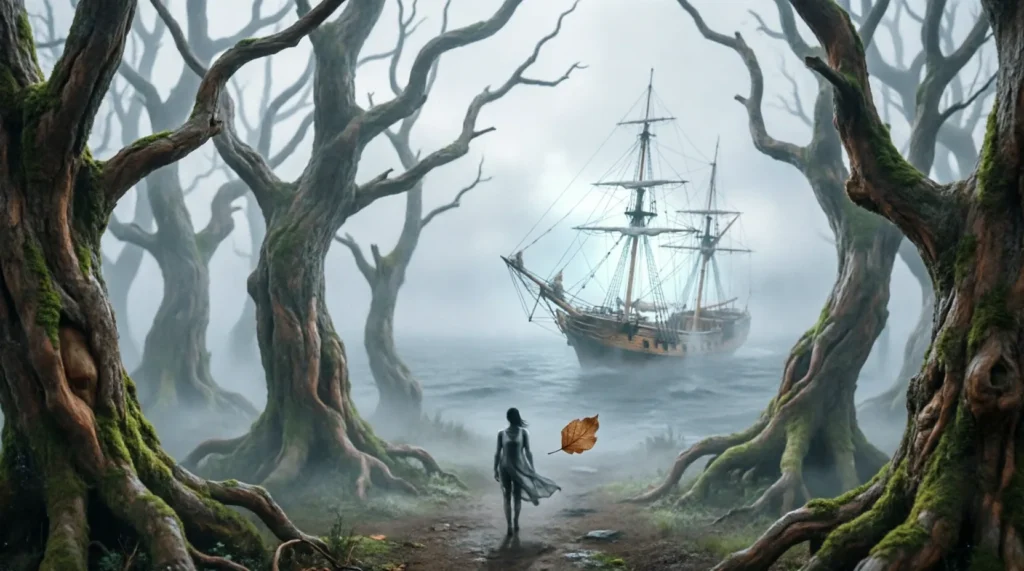
Lost like a ship without a compass in a stormy sea.
Lost as a leaf blown far from its tree.
Lost like a traveler wandering through a foggy forest.
Lost as a puzzle missing its final piece.
Lost like a balloon drifting away into the clouds.
Lost as a fish stranded on dry land.
Lost like a child separated from the crowd.
Lost as a star hidden behind thick clouds.
Lost like a book with no title or cover.
Lost as a bird searching for its nest at night.
Lost like a sock disappearing in the laundry.
Lost as a phone without a signal.
Lost like a tourist without a map in a new city.
Lost as a raindrop in the ocean.
Lost like a shadow searching for its owner.
Lost as a kite cut loose from its string.
Lost like a student walking into the wrong classroom.
Lost as a needle in a haystack.
Lost like a dream fading after you wake up.
Lost as a candle flickering in the wind.
Lost like a piece on the wrong chessboard.
Lost as a snowflake falling into a river.
Lost like an explorer in an endless desert.
Lost as a voice swallowed by a noisy crowd.
Lost like a backpack left behind at a busy station.
Lost as a path hidden beneath fresh snow.
Lost like a cloud drifting without direction.
Lost as a lone boat floating in the darkness.
She felt as lost as a single sock without its pair.
He wandered like a traveler whose map had blown away.
It felt as lost as a letter mailed to the wrong address.
She was as lost as a ship without stars to steer by.
He felt lost like a word forgotten mid-sentence.
It felt as lost as a key with no matching door.
These examples work well because they create strong mental pictures. Some focus on physical separation, while others capture emotional confusion or loneliness.
When you use imagery that readers can easily imagine, your writing becomes more engaging and memorable. That’s one reason creative writing teachers often encourage students to experiment with similes.
How to Use Similes for Lost in Your Writing
Using similes effectively is easier than you might think. Here are a few simple steps you can follow.
Think about what kind of “lost” feeling you want to describe. Is your character physically lost, emotionally lost, or simply confused? Choosing the right type of comparison helps your simile feel natural.
Pick something familiar. Readers understand images like ships, balloons, maps, and forests. Familiar comparisons make your writing easier to connect with.
Match the mood. A funny story might use “lost like a sock in the laundry,” while a serious story might use “lost like a ship without a compass.”
Use similes sparingly. One strong simile often has more impact than several weak ones packed into the same paragraph.
Example:
“After moving to a new school, Amir felt as lost as a traveler wandering through a foggy forest.”
Notice how the simile adds emotion and detail without making the sentence complicated.
As you practice, you’ll discover that similes for lost can fit naturally into many kinds of writing.
Similes for Lost in Poems and Stories
Poets and authors often use similes to help readers feel what a character is experiencing. The comparison creates emotion, rhythm, and vivid imagery.
Here’s a short poem example:
“Mina stood beneath the moon, Lost like a leaf in the autumn air, Searching for a place to land, Wondering if home was there.”
Story example:
“After missing the bus, Carlos wandered through unfamiliar streets. He felt like a ship without a compass, unsure which direction would lead him home.”
Another poem snippet:
“Aisha gazed across the crowd, Lost as a star behind the clouds, Her thoughts drifting far away, Silent among the sounds.”
These examples show how similes for lost can help readers connect emotionally with characters and situations. They transform ordinary descriptions into memorable moments.
“Like a cloud drifting without the wind” — Captures the feeling of moving without direction, making it perfect for descriptive scenes.
“As lost as a pebble in a rushing stream” — Shows how someone or something can disappear among many distractions.
“Like a branch carried by the river” — Suggests being swept away by events beyond your control.
“As lost as a shadow at sunrise” — Describes something fading away or becoming difficult to find.
“Like a bird circling an unfamiliar valley” — Expresses uncertainty while searching for the right path.
💛 Warm & Emotional (for personal stories, letters, heartfelt writing)
“As lost as a child searching for a familiar face” — Reflects emotional confusion and the need for comfort.
“Like a letter with no address” — Describes feeling disconnected or unsure where you belong.
“As lost as a memory slipping away” — Works well when writing about sadness, change, or growing older.
“Like a heart looking for its home” — Expresses longing and the desire to feel accepted again.
“As lost as yesterday’s laughter” — Conveys the bittersweet feeling of something precious that cannot be brought back.
✨ Poetic & Romantic (for poems, song lyrics, love writing)
“Like moonlight searching for the sea” — Creates a dreamy image of longing and distance.
“As lost as a melody without its chorus” — Suggests incompleteness and emotional emptiness.
“Like a star hidden behind morning light” — Describes beauty that has disappeared from view.
“As lost as a rose petal carried by the breeze” — Adds gentle movement and quiet sadness to poetry.
“Like an echo waiting for an answer” — Captures hope mixed with loneliness in a poetic way.
😄 Playful & Fun (for casual use, social media captions, humor)
“As lost as a sock after laundry day” — A funny way to describe being completely misplaced.
“Like a phone without Wi-Fi” — Perfect for modern, relatable humor about feeling disconnected.
“As lost as a penguin in the desert” — Exaggerates confusion for a playful effect.
“Like a puzzle piece from the wrong box” — Describes not fitting in with a lighthearted tone.
“As lost as my homework on Monday morning” — A student-friendly simile that adds humor to everyday situations.
These tone-grouped similes for lost give you options for every kind of writing — whether you need something soft and poetic or bold and fun. Try picking one from each group and using them in a short paragraph to see how different the same keyword can feel.
Using similes for lost in Real Writing Contexts
In a Descriptive Essay
When writing about someone exploring a new place or feeling confused, similes for lost help readers picture the experience more clearly. They turn a simple description into a vivid mental image that is easier to remember. Example:After the fog rolled in, we wandered through the forest like a branch carried by the river, unsure of which path would lead us home.
In a Poem
Similes for lost can create a quiet, thoughtful mood and help readers connect with emotions of loneliness or hope. They add rhythm and imagery that make poems more memorable. Example:I drifted like moonlight searching for the sea, chasing a place where my heart could finally rest.
In a Story or Creative Scene
In stories, similes for lost can reveal a character’s emotions or describe an uncertain setting without directly stating how they feel. This makes scenes more engaging and expressive. Example:When the lights suddenly went out, Maya stood as lost as a child searching for a familiar face, listening for a voice that would guide her through the darkness.
In a Social Media Caption or Message
A short simile can instantly make a caption or message more creative and relatable. Funny or modern comparisons work especially well in casual conversations. Example:Today’s mood: as lost as a penguin in the desert, but I’m still smiling! 😅
The more you practice placing similes for lost into real sentences, the more natural your writing will sound — and the more your reader will feel exactly what you want them to feel.
Common Mistakes Students Make With Similes for Lost
Using comparisons that don’t relate to being lost Sometimes students compare a character to something random that doesn’t match the feeling of confusion or separation. Make sure your comparison supports the idea of being lost.
Mixing too many images together Writing “lost like a ship, a bird, and a cloud” in one sentence can confuse readers. Pick one strong image and stick with it.
Forgetting to use “like” or “as” A simile needs a clear comparison. Without “like” or “as,” you may accidentally create a metaphor instead.
Choosing clichés without adding context Common similes can still work, but try placing them in fresh situations to make your writing feel original.
Using a simile that doesn’t fit the story’s tone A funny comparison may not belong in a serious scene. Think about how your simile affects the mood of your writing.
These mistakes are completely normal when you’re learning. The good news is that they’re easy to fix with practice.
Fun Activities to Practice Similes for Lost
Create a Lost List Grab a pencil and write down ten things that can become lost. Then turn each one into a simile.
Story Starter Challenge Write a short paragraph beginning with, “I felt as lost as…” and see where the story takes you.
Drawing and Writing Activity Draw a character who is lost. Then write three similes that describe how the character feels.
Simile Match Game Play with friends or classmates. One person names a feeling, and another creates a simile that matches it.
Reading Detective While reading a novel or poem, look for similes that describe confusion, loneliness, or uncertainty. Record your favorites in a notebook.
Simile Worksheet Challenge Create a worksheet with unfinished comparisons such as “Lost like a _____.” Challenge yourself or a partner to complete them creatively.
Practicing in different ways helps you become more confident and creative with figurative language.
What NOT to Do With Similes for Lost
Don’t assume every simile must sound poetic. Simple comparisons are often more effective than complicated ones.
Don’t force a simile into every sentence. Your writing needs balance. Too many similes can overwhelm the reader.
Don’t copy examples without understanding them. Think about why the comparison works before using it in your own writing.
Don’t assume “lost” only means physically lost. Similes for lost can also describe emotions, uncertainty, loneliness, or confusion.
Understanding these myths will help you use similes more naturally and effectively.
Frequently Asked Questions About Similes for Lost
What is a simile for being lost?
A simile for being lost is a comparison that uses “like” or “as” to describe the feeling of confusion, separation, or uncertainty. For example, “lost like a ship without a compass” is a common and effective simile.
How do you use similes for lost in a sentence?
You can place the simile directly after describing a feeling or situation. For example: “After moving to a new city, I felt as lost as a traveler without a map.”
What is the difference between a simile and a metaphor for lost?
A simile uses words such as “like” or “as” to make a comparison. A metaphor makes the comparison directly. For example, “lost like a drifting boat” is a simile, while “I was a drifting boat” is a metaphor.
Are similes for lost suitable for school assignments?
Yes. They are commonly used in language arts classes because they help students improve descriptive writing and show emotions more clearly.
Why do writers use similes for lost?
Writers use them to help readers understand a character’s feelings and experiences. A strong simile creates imagery that makes a scene more memorable and emotionally powerful.
Learning similes for lost gives you a powerful way to describe confusion, loneliness, uncertainty, and even adventure. Instead of simply telling readers that someone is lost, you can show them through vivid comparisons.
In this guide, you’ve explored dozens of examples, learned how to use them in your own writing, and discovered common mistakes to avoid. These skills can help you write stronger stories, poems, essays, and creative assignments.
Remember that the best similes often come from everyday observations. The more you read, imagine, and practice, the easier it becomes to create original comparisons.
Keep experimenting with language, trust your creativity, and enjoy the process of making your writing come alive one simile at a time.
Frequently Asked Questions
What are similes for lost and why are they important?▼
Similes for lost are comparisons that describe feelings of confusion or disconnection by using familiar imagery. They are important because they help readers visualize emotions more vividly, enhancing descriptive writing and improving comprehension.
Can you provide examples of similes for lost?▼
Certainly! Some examples include ‘Lost like a ship without a compass in a stormy sea’ and ‘Lost as a leaf blown far from its tree.’ These comparisons create strong mental images that resonate with readers.
How can I effectively use similes for lost in my writing?▼
To effectively use similes for lost, first identify the type of ‘lost’ feeling you want to convey, whether it’s physical or emotional. Then choose familiar images that resonate with your audience to create a natural and impactful comparison.
Why should I use similes in my writing?▼
Using similes can make your writing more engaging and memorable by creating vivid imagery that readers can easily visualize. They help clarify complex emotions and experiences, making your narrative more relatable.
What types of feelings can similes for lost express?▼
Similes for lost can express a range of feelings including confusion, loneliness, and emotional disconnection. They capture both physical separation and deeper emotional states, enriching the reader’s understanding of a character’s experience.
Are there any specific contexts where similes for lost are particularly useful?▼
Similes for lost can be particularly useful in stories, poems, and essays where you need to describe a character’s disorientation or emotional state. They can also enhance academic writing by providing clarity in descriptions.
How do similes improve reading comprehension?▼
Similes improve reading comprehension by creating relatable and vivid imagery that aids in understanding complex emotions and situations. They help bridge the gap between abstract feelings and concrete experiences, making the text more accessible.
Can similes for "lost" describe more than just being physically lost?▼
Yes — most of the strongest ones describe feeling emotionally or mentally lost, such as after a big change or loss. Comparisons like "a word forgotten mid-sentence" or "a ship without stars to steer by" work just as well for confusion or grief as they do for literally losing your way.
More Fresh Similes for Lost
Here are extra comparisons for when you need something new beyond the list above:
Lost like a single sock after laundry day — gone, and no one knows where.
Lost like a text message that never sent.
Lost like a thought interrupted mid-sentence.
Lost like a hiker who trusted a map that stopped being accurate years ago.
Lost like a radio signal fading between stations.
Lost like keys dropped somewhere between the car and the front door.
If you’re working on a broader set of emotional comparisons, see our guide to similes for feeling lost and similes for worry for more ways to describe uncertainty and unease in your writing.
Liam Nguyen is a passionate educator and writer with a deep love for figurative language. He holds a master’s degree in Creative Writing and has spent eight years teaching at various educational settings, focusing on language enrichment programs for children from grades 2-6. His expertise in crafting metaphorical language and similes into captivating content stems from his belief that storytelling is the heartbeat of learning. Liam’s contributions to SimilePedia span from emotion-driven examples to color-inspired narrative tools. He is committed to fostering a creative environment where students can explore and find joy in their unique expressions.