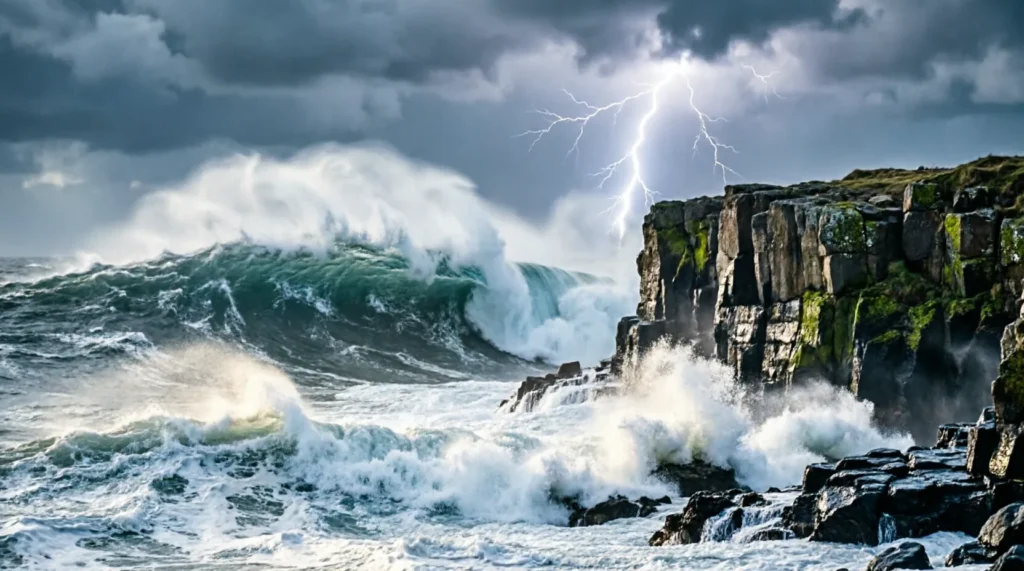
In short, similes for powerful are comparisons that help you describe strength, force, influence, or energy by using the words “like” or “as.” In this guide, you’ll discover vivid examples, writing tips, common mistakes, and fun activities that can help you use powerful similes with confidence in your own writing.
What Are Similes for Powerful? (And Why They Matter)
Have you ever stared at a blank page and known a character was strong, but couldn’t find the right words to describe them? Or maybe your teacher asked for a simile, and every idea suddenly disappeared from your mind.
Similes for powerful are comparisons that describe something strong, mighty, influential, or full of force by using words such as “like” or “as.” They help readers picture strength more clearly.
For example, instead of writing “The warrior was powerful,” you could write, “The warrior was as powerful as a charging bull.” The second sentence creates a much stronger image in your reader’s mind.
Language arts educators and literacy researchers often encourage students to use similes because they improve descriptive writing, reading comprehension, storytelling, and creative expression. When you use powerful comparisons, your writing becomes more memorable and engaging.
Now that you know what these similes are, let’s explore some of the best examples you can use right away.
The Best Examples of Similes for Powerful
As powerful as a roaring lion protecting its pride.
As powerful as a thunderstorm rolling across the sky.
As powerful as a river carving through rock.
Like a volcano ready to erupt.
As powerful as a rocket blasting into space.
Like an eagle soaring above the mountains.
As powerful as an earthquake shaking the ground.
Like a giant oak tree standing through every storm.
As powerful as a locomotive pulling a hundred cars.
Like a wave crashing against the shore.
As powerful as a dragon breathing fire.
Like a champion lifting the winning trophy.
As powerful as the sun shining at noon.
Like a tornado spinning across an open field.
As powerful as a king commanding an army.
Like a superhero saving a city.
As powerful as a waterfall plunging over a cliff.
Like a bear defending its cubs.
As powerful as a hammer striking steel.
Like a hurricane pushing across the ocean.
As powerful as a mountain rising above the clouds.
Like a charging bull racing across a field.
As powerful as lightning splitting the darkness.
Like a giant engine roaring to life.
As powerful as the ocean during a storm.
Her voice carried like thunder rolling over open plains.
The engine roared to life like a beast breaking free of its cage.
His argument landed like a hammer driving a nail home.
The current pulled at the boat like a giant tightening its grip.
Her determination burned like a furnace that never cooled.
The crowd surged forward like a tide no wall could hold.
These examples work because they connect strength to things people can easily imagine. The best similes for powerful create clear mental pictures and often appeal to your senses.
When you choose a comparison that matches the situation, your readers can almost see, hear, or feel the power you’re describing. That’s what makes figurative language so effective.
Let’s look at how you can use these comparisons in your own writing.
How to Use Similes for Powerful in Your Writing
Choose a comparison your reader can picture easily. If you’re describing strength, compare it to something naturally strong, such as a lion, thunderstorm, or mountain.
Match the simile to the mood of your writing. A superhero comparison may fit a fun story, while a thunderstorm comparison may work better in a serious scene.
Don’t overuse similes. One strong comparison often creates a bigger impact than several weaker ones packed into the same paragraph.
Be specific. Instead of using a common comparison every time, think about what kind of power you want to show—physical strength, emotional strength, leadership, or energy.
Example:
“The goalkeeper stood as powerful as a fortress, refusing to let the opposing team score.”
When you practice choosing meaningful comparisons, your similes for powerful will feel natural rather than forced.
Creative writers use this skill all the time, which brings us to our next section.
Similes for Powerful in Poems and Stories
Poets and authors often use similes to create emotion, rhythm, and imagery. A simple comparison can make a scene feel much more alive.
Here’s a short poem example:
Aisha’s voice rose like thunder, Strong and bold across the room. Every word carried power, Like sunlight breaking through gloom.
Story example:
“Mateo gripped the rope. His determination was as powerful as a river pushing toward the sea. No obstacle could stop him.”
Another example:
“Priya stepped onto the stage. Her confidence spread through the crowd like a sunrise filling the sky with light.”
These examples show how similes for powerful can reveal more than physical strength. They can also describe courage, leadership, determination, confidence, and influence.
As you read books and poems, you’ll begin noticing these comparisons everywhere.
Common Mistakes Students Make With Similes for Powerful
Choosing comparisons that aren’t actually powerful. Comparing strength to something weak can confuse readers. Make sure your comparison matches the idea of power.
Mixing too many images together. A character shouldn’t be “like a lion, tornado, mountain, and rocket” all in one sentence. Pick one clear image.
Using similes that don’t fit the story. A superhero comparison may feel out of place in a historical essay. Consider your audience and purpose.
Forgetting the words “like” or “as.” Similes require these comparison words. Without them, you may accidentally create a metaphor instead.
Using the same powerful simile repeatedly. Writing “as powerful as a lion” over and over can become repetitive. Challenge yourself to discover fresh comparisons.
These mistakes are very common, and they’re easy to fix once you recognize them.
“As powerful as a river carving through stone” — Shows steady, unstoppable strength that grows over time, making it perfect for descriptive writing.
“Like a mountain standing against every storm” — Captures quiet endurance and lasting power in nature-inspired descriptions.
“As powerful as a thundercloud before the rain” — Suggests energy waiting to burst, creating suspense and excitement.
“Like an ancient oak with deep roots” — Expresses dependable strength that has lasted through many challenges.
“As powerful as the ocean pushing against the shore” — Highlights constant force that cannot easily be stopped.
💛 Warm & Emotional (for personal stories, letters, heartfelt writing)
“Like a parent’s comforting hug after a hard day” — Describes emotional strength that brings peace and reassurance.
“As powerful as words that heal a broken heart” — Shows the life-changing impact of kindness and encouragement.
“Like hope shining through the darkest night” — Reflects inner strength that helps people overcome difficult moments.
“As powerful as a friend’s unwavering support” — Emphasizes the quiet strength found in loyalty and trust.
“Like courage growing with every small step” — Illustrates confidence that becomes stronger through persistence.
✨ Poetic & Romantic (for poems, song lyrics, love writing)
“As powerful as the moon pulling the tides” — Creates a graceful image of invisible yet irresistible influence.
“Like a heartbeat echoing through silence” — Suggests deep emotion that cannot be ignored.
“As powerful as a sunrise chasing away the shadows” — Symbolizes hope, renewal, and uplifting strength.
“Like a flame dancing through the darkness” — Conveys boldness and beauty shining even in difficult times.
“As powerful as a promise kept through every season” — Represents faithful love and lasting commitment.
😄 Playful & Fun (for casual use, social media captions, humor)
“Like a superhero on their best day” — A fun way to describe someone feeling unstoppable and confident.
“As powerful as a rocket at liftoff” — Perfect for showing explosive energy and excitement.
“Like a game controller in the hands of a champion” — Adds a playful gaming comparison for skill and confidence.
“As powerful as a marching band at full volume” — Describes something impossible to ignore because of its energy.
“Like a champion crossing the finish line first” — Celebrates victory, determination, and confidence in a lighthearted way.
These tone-grouped similes for similes for powerful give you options for every kind of writing — whether you need something soft and poetic or bold and fun. Try picking one from each group and using them in a short paragraph to see how different the same keyword can feel.
Using similes for powerful in Real Writing Contexts
In a Descriptive Essay
When you’re describing a person, force, or natural event, a simile can help readers picture its strength more clearly. Instead of simply saying something is powerful, compare it to something familiar and vivid. For example: The waterfall was as powerful as a river carving through stone, shaking the ground beneath our feet.
In a Poem
Similes for powerful can create emotion and help build the mood of a poem. They make abstract ideas feel real by connecting them with memorable images. Example: Your spirit was as powerful as the moon pulling the tides, guiding every wave inside my heart.
In a Story or Creative Scene
In stories, similes for powerful can reveal a character’s determination, emotions, or the intensity of a moment. They make action scenes and emotional scenes feel more engaging. For example: She stood like a mountain standing against every storm, refusing to back away even as the wind roared around her.
In a Social Media Caption or Message
Short similes work well in captions because they grab attention while adding personality. Choose a comparison that feels energetic and easy to understand. Example: Feeling as powerful as a rocket at liftoff today—nothing is stopping me! 🚀
The more you practice placing similes for similes for powerful into real sentences, the more natural your writing will sound — and the more your reader will feel exactly what you want them to feel.
Power Match Challenge Grab a pencil and make two columns. In one column, list powerful things; in the other, list people or characters. Match them to create original similes.
Draw and Describe Draw something strong, such as a volcano or waterfall. Then write three similes that describe its power.
Story Upgrade Game Take a simple sentence like “The hero was strong.” Rewrite it using three different similes for powerful.
Group Simile Contest Play with classmates or family members. See who can create the most creative powerful simile in one minute.
Reading Detective While reading a book, challenge yourself to find similes that describe strength, force, or influence. Record your favorites in a notebook.
Character Power Worksheet Create a fictional character and write five similes that describe different types of power, such as bravery, leadership, intelligence, or physical strength.
These activities help you build creativity while making figurative language feel fun and practical.
What NOT to Do With Similes for Powerful
Don’t choose comparisons simply because they sound impressive. The simile should make sense for the situation and help readers understand the power being described.
Don’t force a simile into every sentence. Strong writing balances figurative language with clear, direct language.
Don’t copy the same examples from every website or worksheet. Your own original comparisons often create stronger imagery.
Don’t assume power only means physical strength. Similes for powerful can also describe emotions, ideas, leadership, determination, or influence.
Understanding what to avoid can make your similes more effective and memorable.
Frequently Asked Questions About Similes for Powerful
What is a simile for powerful?
A simile for powerful compares something strong or influential to another strong object, person, or force using “like” or “as.” For example, “as powerful as a thunderstorm” or “like a roaring lion.”
How do you use similes for powerful in a sentence?
You can use them to create vivid descriptions. For example: “The athlete was as powerful as a charging bull as she raced toward the finish line.”
What are good similes for powerful characters?
Strong character similes include “as powerful as a mountain,” “like a lion protecting its pride,” and “as powerful as a river cutting through stone.” These comparisons highlight strength and determination.
What is the difference between a simile and a metaphor for powerful?
A simile uses comparison words such as “like” or “as.” A metaphor directly states that something is another thing. “As powerful as lightning” is a simile, while “He was lightning on the battlefield” is a metaphor.
Why do writers use similes for powerful?
Writers use them to help readers visualize strength and feel its impact. They make descriptions more vivid, emotional, and memorable than simple statements.
Final Thoughts on Similes for Powerful
Learning similes for powerful gives you a valuable tool for making your writing more descriptive and engaging. Whether you’re writing a story, poem, essay, or classroom assignment, these comparisons can help your ideas stand out.
You’ve explored what these similes are, seen more than twenty examples, learned how to use them, and discovered ways to practice them. Each step helps you become a stronger writer.
Remember that the best similes connect your reader to a clear image or feeling. The more you read, write, and experiment, the easier it becomes to create your own original comparisons.
Keep practicing, keep imagining, and keep exploring language—your writing can become as powerful as the ideas you want to share.
Frequently Asked Questions
What are similes for powerful and how do they enhance writing?▼
Similes for powerful are comparisons that use ‘like’ or ‘as’ to describe strength, influence, or energy. They enhance writing by creating vivid mental images, making descriptions more engaging and memorable for readers.
Can you give some examples of effective similes for powerful?▼
Sure! Some effective examples include ‘As powerful as a roaring lion protecting its pride’ and ‘Like a tornado spinning across an open field.’ These comparisons connect strength to easily imaginable scenarios.
How can I choose the right simile for my writing?▼
Choose a simile that your reader can easily picture, such as comparing strength to a lion or thunderstorm. Additionally, match the simile to the mood of your writing to enhance its effectiveness.
Are there any common mistakes to avoid when using similes?▼
Yes, common mistakes include overusing similes in a single paragraph or using weak comparisons. It’s important to be specific and choose strong, relevant similes that create a lasting impact.
How do similes improve storytelling and creative expression?▼
Similes improve storytelling by adding depth and clarity to descriptions, allowing readers to visualize scenes and emotions better. They also enhance creative expression by encouraging writers to think outside the box and use figurative language.
What is the significance of using powerful comparisons in writing?▼
Using powerful comparisons helps readers connect with the text on an emotional level and makes the writing more relatable. This connection can lead to improved comprehension and retention of the material.
Can similes be used in different genres of writing?▼
Absolutely! Similes can be effectively used in various genres, including fiction, poetry, and even academic writing, as long as they fit the tone and context of the piece.
Extra Similes for Powerful Moments
His argument hit like a freight train with no brakes.
The engine roared like a caged storm finally set loose.
Her voice carried like a cannon shot across a silent hall.
The current pulled like a thousand hands dragging at once.
Sara Liu holds a Master’s degree in English Education from the University of Washington and has been an educator for over 15 years. She specializes in curriculum development for elementary and middle school students, with a particular focus on figurative language. Sara’s love for similes and metaphors blossomed when she discovered their power to spark imagination and convey emotion. At SimilePedia, Sara creates engaging worksheets and reference guides that help young learners grasp the nuances of figurative language. Her favorite part of writing content is developing resources that make complex concepts accessible to children. She is passionate about nurturing a love for words and creativity in her students, and her contributions are shaped by this commitment.