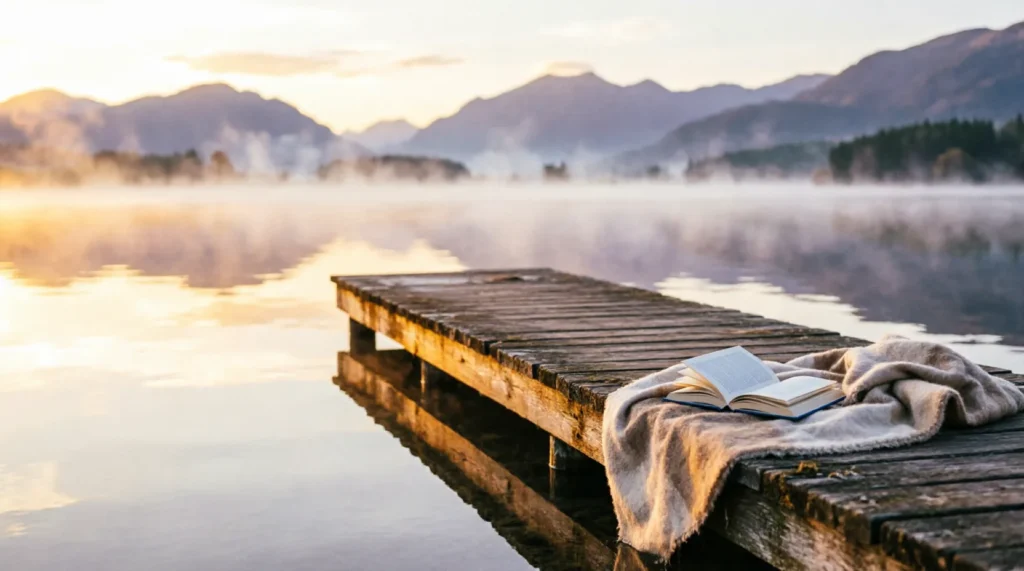
In short, similes for relaxing are creative comparisons that help you describe calm, peaceful, or soothing feelings in a vivid way. You’ll find examples, writing tips, fun activities, and easy explanations that can help students, parents, and teachers make descriptive writing feel much more natural and enjoyable.
What Are Similes for Relaxing? (And Why They Matter)
You sit down to write a story about a peaceful afternoon, but suddenly your mind goes blank. You know the moment feels calm, but you are not sure how to describe it in an interesting way. That happens to a lot of students.
Similes for relaxing are comparisons that describe calm, rest, comfort, or peaceful feelings using the words “like” or “as.” They help you paint a clear picture in your reader’s mind.
For example, instead of saying “I felt relaxed,” you could say, “I felt as calm as a sleeping cat in the sun.” That small change makes your writing more colorful and memorable.
Language arts educators and literacy researchers often encourage students to use similes because they improve creativity, reading comprehension, and emotional expression. When you learn how to use relaxing similes well, your poems, stories, and personal essays become much more engaging.
[IMAGE: Student peacefully writing in a notebook beside a window with soft sunlight]
The Best Examples of Similes for Relaxing
Here are some vivid and student-friendly similes for relaxing that you can use in stories, poems, journal entries, and classroom assignments.
As peaceful as waves rolling onto a quiet beach.
Like floating on a cloud during a sunny afternoon.
As calm as a sleeping puppy.
Like sipping warm cocoa on a rainy evening.
As soothing as soft music before bedtime.
Like resting in a hammock under tall trees.
As gentle as a feather drifting through the air.
Like lying in fresh grass on a cool spring day.
As relaxing as hearing rain tap softly on the roof.
Like a candle glowing in a dark room.
As quiet as snow falling at midnight.
Like stretching after a long nap.
As smooth as a calm lake at sunrise.
Like wrapping yourself in a warm blanket.
As easygoing as a lazy Sunday morning.
Like sitting beside a crackling fireplace in winter.
As restful as a cat curled beside the window.
Like listening to birds sing in the early morning.
As peaceful as a library after school.
Like drifting slowly down a quiet river.
As relaxing as a deep breath after a stressful test.
Like watching the stars appear one by one.
As calm as a turtle sunbathing on a rock.
Like swinging gently on a porch swing.
As soft as pillows after a tiring day.
Like hearing ocean waves from far away.
As comfortable as old sneakers on a long walk.
Like drinking cold lemonade in the summer shade.
As still as a painting in a quiet museum.
Like sitting under fairy lights at night.
As refreshing as cool air after a hot afternoon.
Like daydreaming during a peaceful car ride.
As tranquil as a garden filled with flowers.
Like the slow ticking of a clock during vacation.
As relaxing as a warm bath after soccer practice.
Like watching leaves drift down in autumn.
As calm as tea steaming in a mug.
Like curling up with a favorite book.
As peaceful as a sleepy village at dawn.
Like hearing wind chimes in the breeze.
As gentle as moonlight on water.
Like resting after finishing a difficult project.
As soothing as soft waves against the shore.
Like sitting quietly beside a campfire.
As restful as closing your eyes after a busy day.
These examples work well because they use strong imagery and sensory details. You can almost hear, feel, or see the calmness in each comparison. Creative writing teachers often encourage students to connect similes to everyday experiences because that makes the writing feel real and relatable.
Now that you have plenty of examples, you can start using them naturally in your own writing.
How to Use Similes for Relaxing in Your Writing
Using similes well is easier when you focus on feelings and senses instead of trying to sound overly fancy.
Think about what calm feels like to you.
Maybe relaxing feels like sitting by the window during rain or stretching out after a long day. Your best similes often come from real experiences you know well.
Use sights, sounds, and textures.
Readers connect more deeply when your similes include sensory details. Instead of writing “It was relaxing,” you could write, “The room felt as peaceful as snow falling outside.”
Match the mood of your story or poem.
If your writing is serious, choose softer and more poetic similes. If your writing is funny, you can use playful comparisons like “as relaxed as a sloth on vacation.”
Do not overuse similes.
One or two strong similes usually work better than adding them to every sentence. Good writers know when to keep things simple.
Here is one example used naturally in context:
“After the loud basketball game, Amir sat on the porch, feeling as calm as waves rolling onto the shore.”
When you practice a little, using similes for relaxing will start to feel much more natural.
Similes for Relaxing in Poems and Stories
Poets and authors use relaxing similes to create mood, rhythm, and emotional connection. These comparisons help readers slow down and feel the peaceful atmosphere in a scene.
Here are a few short examples you can study.
Mina whispered into the night,
“Your voice is like soft rain on my window,
quiet enough to calm every worry.”
Diego lay beneath the trees, as peaceful as drifting clouds. The summer breeze moved slowly around him while the world seemed to pause for a moment.
Aisha closed her book and smiled.
“The room felt as warm as sunlight on a winter morning.”
These small examples show how similes can make ordinary scenes feel vivid and emotional. Language arts teachers often encourage students to read poetry carefully because similes can completely change the feeling of a paragraph or line.
As you continue practicing, you will start noticing relaxing similes in songs, novels, and even movie dialogue.
More Similes for Relaxing by Tone and Context
🌿 Natural & Descriptive
“As relaxing as a leaf floating down a quiet stream” — Captures a slow, peaceful feeling that fits nature writing and reflective descriptions.
“Like mist settling over a still valley at dawn” — Suggests calmness gently spreading across a scene.
“As relaxing as watching clouds drift across a summer sky” — Works well when describing a carefree and peaceful moment.
“Like a smooth river winding through the countryside” — Emphasizes steady, unhurried relaxation.
“As relaxing as the soft rustle of grass in a light breeze” — Highlights gentle sounds and natural comfort.
💛 Warm & Emotional
“As relaxing as sitting beside a loved one after a long day” — Expresses emotional comfort and a sense of belonging.
“Like a kind smile appearing when you need it most” — Shows relaxation that comes from reassurance and support.
“As relaxing as wrapping yourself in a favorite blanket” — Conveys warmth, safety, and ease.
“Like hearing familiar laughter fill the room” — Captures the comforting feeling of being with people you care about.
“As relaxing as a quiet evening spent with family” — Works well for personal stories and heartfelt memories.
✨ Poetic & Romantic
“As relaxing as moonlight resting on a calm lake” — Creates a dreamy and peaceful image.
“Like a gentle melody floating through the night air” — Suggests graceful and soothing relaxation.
“As relaxing as a star shining alone in a silent sky” — Evokes stillness and quiet beauty.
“Like petals drifting across a garden path” — Adds elegance and softness to poetic writing.
“As relaxing as a whispered promise beneath the stars” — Blends calmness with romance and emotion.
😄 Playful & Fun
“As relaxing as cancelling all your alarms on a Saturday” — A fun way to describe instant relief and comfort.
“Like sinking into a beanbag after a busy day” — Creates a casual and relatable image.
“As relaxing as finishing your homework before everyone else” — Connects relaxation to a satisfying accomplishment.
“Like finding the perfect spot on the couch during movie night” — Works well in everyday conversations and captions.
“As relaxing as floating on an inflatable raft at the pool” — Suggests carefree enjoyment and leisure.
These tone-grouped similes for relaxing give you options for every kind of writing — whether you need something soft and poetic or bold and fun. Try picking one from each group and using them in a short paragraph to see how different the same topic can feel.
Using Relaxing in Real Writing Contexts
In a Descriptive Essay
When writing a descriptive essay, you might want to show how peaceful a place or experience feels. A simile helps readers picture that sense of calm more clearly. For example: The lakeside afternoon was as relaxing as watching clouds drift across a bright summer sky.
In a Poem
Similes for relaxing can create a gentle mood and help readers feel the atmosphere of a poem. They add imagery that makes peaceful moments more memorable. For example: My thoughts moved like mist over a silent valley, and the evening rested as softly as moonlight on water.
In a Story or Creative Scene
In stories, similes can reveal how a character feels or describe a calm setting after a tense moment. They help readers connect with the scene on an emotional level. For example: After the storm passed, Maya sat on the porch, feeling as relaxing as a leaf floating down a quiet stream.
In a Social Media Caption or Message
Short similes work well in captions and messages because they quickly communicate a feeling. They make casual writing more colorful and engaging. For example: Today was as relaxing as cancelling all my alarms on a Saturday 😌.
The more you practice placing similes for relaxing into real sentences, the more natural your writing will sound — and the more your reader will feel exactly what you want them to feel.
Common Mistakes Students Make With Similes for Relaxing
Everyone makes mistakes while learning figurative language. The good news is that you can improve quickly once you know what to watch for.
Using comparisons that do not feel relaxing
Sometimes students accidentally compare calm feelings to stressful things. Saying “as relaxing as a fire alarm” confuses the reader unless you are trying to be funny.
Making similes too long
A simile should usually be quick and clear. If your comparison takes four sentences to explain, it may lose its impact.
Repeating the same relaxing image
Many students use “calm as the ocean” over and over again. Try fresh ideas like libraries, hammocks, snowfall, or warm tea to keep your writing interesting.
Forgetting to use “like” or “as”
A simile needs those comparison words. Without them, you may accidentally create a metaphor instead.
Adding too many similes in one paragraph
Using several similes back-to-back can make your writing feel crowded. One strong image often works better than five weak ones.
Creative writing teachers remind students that mistakes are part of learning. The more you read and practice, the stronger your figurative language becomes.
[IMAGE: Open notebook with calming nature doodles and simile examples]
Fun Activities to Practice Similes for Relaxing
Practicing figurative language becomes much easier when you turn it into a game or creative challenge.
Create a Calmness Challenge
Grab a pencil and write down ten relaxing things you can see, hear, or feel. Then turn each one into a simile using “like” or “as.”
Draw and Describe
Draw a peaceful scene such as a beach, garden, or cozy bedroom. Afterward, write three similes that match the picture you created.
Simile Match-Up Game
Write relaxing situations on one side of paper strips and calming objects on the other. Mix them together and challenge yourself to create funny or beautiful combinations.
Read Poems and Hunt for Similes
Pick a poem or short story and look for calming comparisons. You will start noticing how professional writers create mood through imagery.
Relaxing Playlist Writing Activity
Play soft instrumental music while you write descriptive sentences. Try creating similes that match the feeling of the music you hear.
Partner Story Swap
Work with a friend and exchange short paragraphs. Each person adds two relaxing similes to improve the other person’s writing.
These activities help you build confidence while making creative writing feel less stressful and more enjoyable.
What NOT to Do With Similes for Relaxing
Some myths about figurative language can actually make writing harder instead of easier.
Do not force a simile into every sentence
Strong writing needs balance. Too many comparisons can distract readers from your main idea.
Do not copy common internet examples word-for-word
Using your own experiences makes your writing feel more personal and original.
Do not confuse “relaxing” with “boring”
Relaxing similes should still create strong imagery and emotion. Calm writing can still be vivid and powerful.
Do not use unrelated comparisons
If your simile does not connect clearly to peacefulness or comfort, readers may feel confused instead of relaxed.
Understanding what to avoid can help you use similes more confidently and naturally.
Frequently Asked Questions About Similes for Relaxing
What is a simile for relaxing?
A simile for relaxing compares peaceful feelings to something calm or soothing using “like” or “as.” For example, “as peaceful as a quiet lake” creates a calming image in the reader’s mind.
How do you use similes for relaxing in a sentence?
You can place them anywhere they fit naturally in your writing. For example: “After the exam, Jordan felt as relaxed as a cat sleeping in the sunshine.”
Why do writers use similes for relaxing?
Writers use them to create mood and help readers feel emotions more clearly. A good simile can make a peaceful scene feel vivid and memorable.
Are similes for relaxing good for middle school students?
Yes, they are excellent for middle school writing because they help students improve creativity and descriptive skills. Many literacy educators encourage simile practice in grades 5–8.
What is the difference between a relaxing simile and a metaphor?
A simile uses “like” or “as” to compare things, while a metaphor says something is something else directly. “Calm like ocean waves” is a simile, while “The room was a peaceful ocean” is a metaphor.
Final Thoughts on Similes for Relaxing
Learning how to use similes for relaxing can make your writing feel calmer, richer, and more expressive. Instead of using plain descriptions, you can create scenes that readers truly feel and imagine.
You explored dozens of relaxing simile examples, learned how to use them in stories and poems, and discovered activities that make figurative language more fun. These skills can help you in school assignments, creative writing projects, and even everyday journaling.
Remember, you do not need perfect words right away. Great similes often come from small moments you already know well — quiet mornings, soft music, warm blankets, or peaceful afternoons.
With practice, your writing can become as calming as waves on a quiet beach, and that is a skill worth building one sentence at a time.
Frequently Asked Questions
What are similes for relaxing and why are they important?▼
Similes for relaxing are creative comparisons that describe calm and soothing feelings using the words ‘like’ or ‘as.’ They are important because they help writers convey vivid imagery and emotions, making their writing more engaging and relatable.
Can you give examples of similes for relaxing that I can use in my writing?▼
Sure! Some examples include ‘as peaceful as waves rolling onto a quiet beach’ and ‘like sipping warm cocoa on a rainy evening.’ These similes can enhance your storytelling by painting a clearer picture in your reader’s mind.
How can similes improve my writing skills?▼
Using similes can boost creativity and enhance emotional expression in your writing. They encourage you to think outside the box and find unique ways to describe feelings, which can lead to more compelling narratives.
Who can benefit from learning similes for relaxing?▼
Students, parents, and teachers can all benefit from learning similes for relaxing. These comparisons make descriptive writing more enjoyable and can be useful in academic assignments, creative writing, and personal expressions.
What writing tips does the article provide for using similes effectively?▼
The article suggests using similes to create vivid imagery and emotional resonance in your work. By integrating relatable comparisons, you can make your writing feel more natural and captivating for your audience.
How do similes for relaxing relate to emotional expression?▼
Similes for relaxing help articulate feelings of calm and comfort, enriching your emotional expression in writing. They allow you to connect with readers by evoking shared experiences of peace and relaxation.
What activities can help me practice using similes for relaxing?▼
The article includes fun activities that encourage students to create their own similes based on personal experiences of relaxation. Engaging in journaling or collaborative writing exercises can be effective ways to practice and refine your skills.
Jamal Rodriguez is a poet and author who has been writing professionally for over a decade. With a Bachelor’s degree in Creative Writing, Jamal’s expertise lies in the use of vivid imagery and emotional depth in poetic language. Fascinated by the limitless possibilities of similes and metaphors, he joined SimilePedia to share his knowledge with budding writers. Jamal focuses on creating content for creative writers and poets, helping them understand the emotional resonance that figurative language can evoke. Through his work, he aims to inspire others to explore their own creative boundaries and embrace the beauty of language as an art form. His contributions include a range of exercises that stimulate imagination across all grade levels.