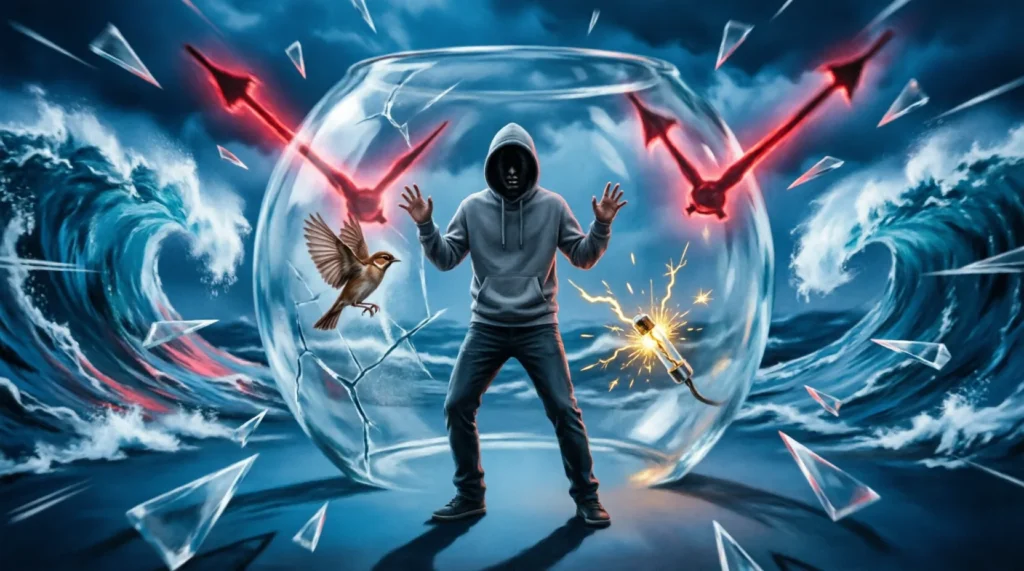
In short, similes for panicking compare feelings of fear, stress, or sudden worry to something vivid and easy to imagine. They help students and writers describe nervous emotions in a more creative and emotional way. Keep reading to discover fun, relatable, and powerful similes you can use in stories, poems, school assignments, and everyday writing.
What Are Similes for Panicking? (And Why They Matter)
Picture this: you are writing a story, and your character suddenly forgets their speech in front of the class. You know they feel scared, but saying “they were nervous” sounds plain. That is where similes for panicking can help.
A simile compares one thing to another using words like “as” or “like.” Similes for panicking describe fear, stress, shock, or nervousness in a way that readers can quickly picture in their minds.
These similes matter because they make your writing feel alive. Instead of simply telling readers that someone is afraid, you show them what that fear feels like. Many literacy educators encourage students to use figurative language because it improves storytelling, reading comprehension, and emotional expression.
You will also notice similes for panicking in books, poems, movies, and even song lyrics. Once you start spotting them, you may realize how often writers use them to create tension and excitement. Now let’s look at some of the best examples you can use in your own writing.
The Best Examples of Similes for Panicking
[IMAGE: Student nervously holding papers while thinking of creative similes]
She panicked like a deer caught in headlights.
His thoughts scattered like leaves in a windstorm.
I felt as nervous as a cat trapped in a bathtub.
She shook like a phone vibrating on silent mode.
He panicked like popcorn exploding in a hot pan.
My heart raced like a speeding train.
She looked as frightened as a rabbit hiding from a fox.
He darted around like a bee trapped inside a jar.
I froze like ice during a winter storm.
She panicked like someone trying to catch falling glass.
His stomach twisted like a tangled rope.
I felt like a balloon ready to burst.
She rushed around like a chicken without a head.
His voice cracked like thin ice under heavy boots.
I trembled like a leaf in a thunderstorm.
She looked as worried as a student who forgot homework on test day.
He panicked like a swimmer caught in rough waves.
My thoughts bounced around like pinballs in an arcade machine.
She stared at the clock like it was counting down to disaster.
He moved like a squirrel running from danger.
I felt as trapped as a fish in a tiny bowl.
She gasped like someone who had just seen a ghost.
His hands shook like branches in strong wind.
I panicked like a computer freezing during an important project.
She looked as pale as moonlight on snow.
He scrambled like ants after their hill gets kicked over.
My chest felt tight like a knot tied too hard.
She panicked like a runner hearing the wrong race signal.
His breathing came fast like drums in an action movie.
I felt like a candle flickering before going out.
She darted her eyes around like a hunted animal.
He reacted like a fire alarm suddenly going off.
My brain buzzed like a swarm of angry bees.
She panicked like a kid lost in a crowded mall.
His fear spread like ink spilling across paper.
I felt as shaky as a tower made of cards.
She rushed like rainwater racing downhill.
He looked as alarmed as someone hearing footsteps in the dark.
My pulse jumped like fireworks exploding in the sky.
She panicked like a mouse cornered by a cat.
His nerves snapped like overstretched rubber bands.
I felt like sand slipping through an hourglass too quickly.
She paced like a tiger in a cage.
He panicked like a phone battery at one percent.
My thoughts tangled like headphones stuffed in a pocket.
These examples work well because they create strong imagery and emotional detail. Readers can almost feel the fear, confusion, or pressure through the comparison. Language arts educators often remind students that good similes connect emotions to everyday experiences people understand instantly.
Once you know a few strong examples, you can start using them naturally in your own writing.
How to Use Similes for Panicking in Your Writing
Using similes well is easier than you might think. You do not need fancy words to make your writing powerful.
Think about the feeling first.
Before you write, ask yourself what kind of panic your character feels. Is it sudden fear, quiet worry, or total chaos? Different similes fit different emotions.
Compare panic to something readers recognize.
The best similes use familiar images. Readers quickly understand phrases like “shaking like a leaf” because they have seen leaves move in the wind.
Do not overuse similes.
Using too many similes in one paragraph can make your writing feel crowded. Pick one strong comparison that fits the moment.
Match the simile to the scene.
A funny story may use silly similes, while a serious story may need dramatic ones.
Example: “Amira’s heart raced like a wild horse as the teacher called her name.”
When you practice using similes for panicking, your writing starts to sound more emotional, vivid, and memorable.
Similes for Panicking in Poems and Stories
Writers often use similes for panicking in poems and stories because they quickly create emotion and tension. A simple comparison can help readers feel exactly what a character is going through.
Here are a few short creative examples.
“Leo’s thoughts flew around like papers caught in a storm. Every second felt louder than thunder in his ears.”
“Mina clutched the microphone, trembling like a candle flame. The crowd waited silently while her heart pounded like a drum.”
“Jamal raced through the hallway like a runner escaping a wildfire. Behind him, the bell screamed through the school.”
Poets and authors use figurative language because it adds rhythm, emotion, and imagery. Creative writing teachers often encourage students to experiment with similes because they make scenes easier to imagine and more exciting to read.
The more examples you read, the easier it becomes to create your own unique comparisons.
Common Mistakes Students Make With Similes for Panicking
[IMAGE: Notebook showing good and bad simile examples]
Using similes that do not match the emotion
Sometimes students compare panic to something calm or peaceful. If the feeling is intense, your simile should also feel intense.
Repeating the same similes too often
Phrases like “shaking like a leaf” are useful, but using them again and again can make writing feel repetitive. Try mixing in fresh ideas.
Making similes too confusing
A simile should help readers understand the feeling quickly. If the comparison is too strange, readers may get distracted instead.
Adding too many similes in one paragraph
This is very common, especially when you are excited about creative writing. One or two strong similes usually work better than five crowded together.
Forgetting the context of panic
Some students use funny similes during serious scenes. That can weaken emotional moments unless humor is the goal of the story.
These mistakes are normal, especially when you are learning. The good news is that every draft gives you another chance to improve your writing.
Fun Activities to Practice Similes for Panicking
Create a Panic Jar
Write different panic situations on slips of paper and place them in a jar. Pick one and challenge yourself to create three original similes for that situation.
Try a Simile Drawing Challenge
Grab a pencil and draw a scene that represents panic, like a storm or a speeding roller coaster. Then write similes inspired by your drawing.
Play the “Finish the Simile” Game
Work with friends or classmates. One person says, “She panicked like…” and another person finishes the sentence creatively.
Rewrite Movie Scenes
Watch a dramatic movie scene and pause it. Rewrite the character’s emotions using similes for panicking instead of plain descriptions.
Create a Panic Poem
Write a short poem using at least three similes about fear or nervousness. You can make it serious, funny, or dramatic.
Read and Highlight Similes
Find a short story or novel and highlight every simile connected to fear or panic. This helps you notice how professional writers use figurative language naturally.
Activities like these make learning feel less stressful and much more creative. They also help you build confidence in your own writing style.
More similes for panicking by Tone and Context
🌿 Natural & Descriptive
“As restless as leaves in a windstorm” — Captures nervous movement and uncertainty, making it great for descriptive scenes.
“Like a river rushing after heavy rain” — Shows panic building quickly and becoming hard to control.
“As shaky as a branch during a thunderstorm” — Emphasizes fear and physical trembling in tense moments.
“Like a flock of birds scattering at a sudden sound” — Highlights confusion and a rapid, startled reaction.
“As wild as waves crashing against the shore” — Conveys strong emotions that feel overwhelming and difficult to calm.
💛 Warm & Emotional
“As worried as a child lost in a crowd” — Expresses vulnerability and fear in a relatable way.
“Like a heart racing toward bad news” — Shows emotional panic when expecting something unpleasant.
“As uneasy as someone waiting for an important answer” — Works well for situations filled with suspense and uncertainty.
“Like holding a fragile secret that might slip away” — Suggests anxious pressure and emotional tension.
“As nervous as a friend before a difficult conversation” — Reflects personal worries and emotional stress.
✨ Poetic & Romantic
“Like a candle flame dancing in the dark” — Describes panic as delicate yet impossible to ignore.
“As unsettled as moonlight on rippling water” — Creates a gentle, poetic image of inner turmoil.
“Like a song losing its rhythm halfway through” — Suggests confusion and emotional imbalance.
“As frantic as a star falling across the night sky” — Gives panic a dramatic and vivid poetic quality.
“Like a cloud drifting before a storm” — Hints at growing anxiety and approaching trouble.
😄 Playful & Fun
“As flustered as a squirrel chasing two acorns at once” — Adds humor to a situation where someone feels overwhelmed.
“Like a phone with twenty notifications popping up at once” — Relatable and perfect for modern, casual writing.
“As panicked as someone who thinks they missed the school bus” — Captures sudden alarm in a lighthearted way.
“Like a cat surprised by its own reflection” — Creates a funny image of unexpected panic.
“As confused as a juggler dropping all the balls at once” — Emphasizes chaos while keeping the tone playful.
These tone-grouped similes for similes for panicking give you options for every kind of writing — whether you need something soft and poetic or bold and fun. Try picking one from each group and using them in a short paragraph to see how different the same keyword can feel.
Using similes for panicking in Real Writing Contexts
In a Descriptive Essay
When writing about a stressful event, a simile can help readers picture the feeling of panic more clearly. Instead of simply saying someone was scared, compare the emotion to something vivid and memorable. Example: As the fire alarm rang through the building, I felt as restless as leaves in a windstorm, unable to stand still for even a second.
In a Poem
Similes for panicking can create mood and help readers connect with emotional moments. They add imagery that makes feelings easier to imagine. Example: My thoughts were like a river rushing after heavy rain, / carrying my calm far beyond reach.
In a Story or Creative Scene
In fiction, similes can reveal a character’s emotional state during an important moment. They help readers experience the scene alongside the character. Example: When the teacher called on him unexpectedly, Jake froze at his desk, as shaky as a branch during a thunderstorm.
In a Social Media Caption or Message
Short similes work well in captions and messages because they quickly communicate emotion in a fun way. They make everyday experiences more engaging and relatable. Example: I was as flustered as a squirrel chasing two acorns at once when I realized the deadline was today!
The more you practice placing similes for panicking into real sentences, the more natural your writing will sound — and the more your reader will feel exactly what you want them to feel.
What NOT to Do With Similes for Panicking
Do not force complicated comparisons
A simple simile can be stronger than a confusing one. Clear imagery usually works best.
Do not copy every simile from the internet
It is okay to learn from examples, but your writing becomes more interesting when you create your own ideas too.
Do not use panic similes in every sentence
Too many emotional comparisons can make readers feel overwhelmed. Give your writing room to breathe.
Do not assume panic always looks the same
Some people freeze quietly, while others react loudly. Your similes should match the character and situation.
Understanding what to avoid can help you use figurative language more naturally and effectively.
Frequently Asked Questions About Similes for Panicking
What is a good simile for panicking?
A good simile for panicking clearly compares fear or stress to something readers can imagine easily. For example, “She panicked like a deer caught in headlights” creates a strong picture of sudden fear and confusion.
How do you use similes for panicking in a sentence?
You can place the simile directly into an emotional moment. For example: “Ethan’s thoughts bounced around like pinballs when he realized he lost his wallet.”
Why do writers use similes for panicking?
Writers use them to make emotions feel more vivid and real. Instead of simply saying someone was scared, similes help readers experience the panic through imagery and sensory detail.
Are similes for panicking good for school writing?
Yes, they are great for stories, essays, poems, and creative assignments. Many language arts educators encourage students to use figurative language because it strengthens descriptive writing skills.
What is the difference between a simile and a metaphor for panic?
A simile uses words like “like” or “as” to compare things. A metaphor says one thing actually is another thing. For example, “His fear was a storm” is a metaphor, while “His fear spread like a storm” is a simile.
Final Thoughts on Similes for Panicking
Learning how to use similes for panicking can completely change the way your writing sounds. Instead of flat descriptions, you can create scenes filled with emotion, movement, and tension.
You explored dozens of examples, learned how to use them naturally, and discovered common mistakes to avoid. You also saw how similes appear in poems, stories, and classroom activities.
The best part is that you do not need to be a professional writer to create strong figurative language. With practice, your comparisons will become more creative, personal, and memorable.
So the next time you write about fear, stress, or nervous excitement, try using a simile that paints a clear picture in the reader’s mind. Your words have more power than you think, and every sentence is a chance to grow as a writer.
Frequently Asked Questions
What are similes for panicking and how can they enhance writing?▼
Similes for panicking creatively compare feelings of fear or stress to vivid images, making emotions easier for readers to visualize. By using similes, writers can show rather than tell, adding depth and excitement to their narratives.
Can you provide examples of similes that express panic?▼
Certainly! Examples include ‘She panicked like a deer caught in headlights’ and ‘His thoughts scattered like leaves in a windstorm.’ These comparisons help convey the intensity of nervous emotions in a relatable way.
Why are similes important in storytelling and emotional expression?▼
Similes enrich storytelling by creating vivid imagery that enhances reader engagement and comprehension. They allow writers to express complex emotions, making characters’ experiences more relatable and impactful.
In what types of writing can similes for panicking be used?▼
Similes for panicking can be effectively used in various forms of writing, including stories, poems, school assignments, and even everyday communication. Their versatility makes them a powerful tool for expressing nervousness and tension.
How do similes for panicking relate to literacy education?▼
Many literacy educators encourage the use of similes because they improve storytelling skills, reading comprehension, and emotional expression among students. This figurative language helps students connect with texts on a deeper level.
What impact do similes have on readers' emotions?▼
Similes create a strong emotional connection by allowing readers to visualize and feel the characters’ experiences of panic. This technique makes the writing come alive, fostering empathy and a greater understanding of the emotional stakes in a narrative.
How can I incorporate similes for panicking into my own writing?▼
To incorporate similes for panicking, think about strong images that relate to feelings of fear or stress. Experiment with different comparisons, such as animals or natural phenomena, to find a simile that resonates with the emotion you want to convey.
Liam is a language enthusiast and lead writer at Similepedia.com, where he focuses on creating clear, creative, and easy-to-use similes for everyday writing. He specializes in turning simple ideas into vivid comparisons that make sentences more engaging, expressive, and memorable.
Instead of overcomplicating language with technical jargon, Liam approaches similes as practical tools for better communication. He breaks down how comparisons work, when to use them, and how to make them sound natural — not forced or awkward.
He pays close attention to tone, context, and clarity, ensuring every simile fits smoothly into real sentences. From fun and playful comparisons to more descriptive and expressive ones, Liam helps readers improve how they write, speak, and express ideas.
At Similepedia.com, his mission is simple: make language more colorful and effective without making it complicated. He doesn’t just list similes — he helps readers understand how to use them confidently in real situations.