In short, similes for horrible help you describe something unpleasant, frightening, disappointing, or ugly by comparing it to something familiar using the words “like” or “as.” In this guide, you’ll discover vivid examples, writing tips, and fun activities that will help you use them with confidence.
What Are the similes for horrible? (And Why They Matter)
Imagine you’re writing a story, and your teacher asks you to describe a terrible storm, an awful smell, or a bad day. You know it was “horrible,” but that single word doesn’t paint a clear picture.
That’s where similes for horrible become useful. A simile compares one thing to another using “like” or “as,” helping your reader imagine exactly how unpleasant or awful something feels.
Language arts researchers and literacy educators encourage students to use similes because they make writing more vivid and memorable. Instead of simply saying something was bad, you can help your reader experience it through strong imagery.
Once you learn a variety of similes for horrible, you’ll have many creative ways to improve stories, essays, poems, and classroom assignments.
The Best Examples of the similes for horrible
[IMAGE: Student writing vivid similes in a notebook]
Horrible as a nightmare that never ends.
Like rotten eggs left in the hot sun.
As frightening as thunder crashing overhead.
Like walking through a haunted house alone.
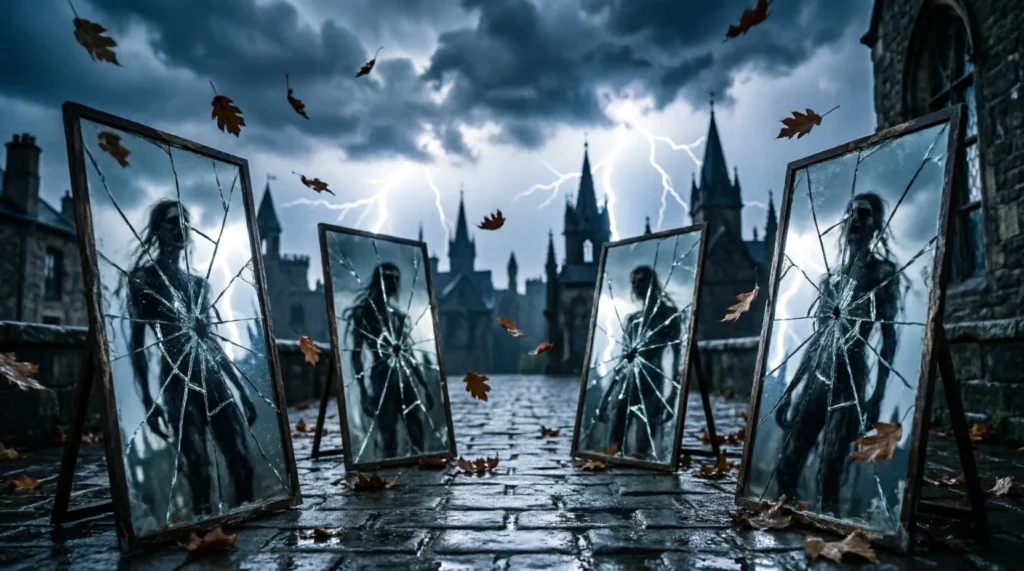
As ugly as a cracked mirror.
Like a storm tearing through a quiet town.
As unpleasant as stepping into icy mud.
Like spoiled milk forgotten for weeks.
As painful as touching a hot stove.
Like nails scraping across a chalkboard.
As dark as a cave without a flashlight.
Like a broken toy on your birthday.
As messy as a room after a tornado.
Like a cold wind on a freezing night.
As sour as an old lemon.
Like getting caught in endless traffic.
As terrifying as a monster in a dream.
Like smoke filling every corner of a room.
As disappointing as an empty gift box.
Like a wilted flower after a heatwave.
As dreadful as missing the last bus home.
Like a movie with the saddest ending.
As rough as sandpaper against your skin.
Like a warning siren in the middle of the night.
As miserable as being stuck in the rain without an umbrella.
These examples work well because they create strong mental pictures. Instead of simply telling your reader that something was horrible, you show it through sights, sounds, smells, or feelings.
Creative writing teachers often remind students that the best similes help readers imagine the experience with their senses. The more vivid your comparison, the more memorable your writing becomes.
How to Use the similes for horrible in Your Writing
Think about exactly what makes something horrible. Is it scary, ugly, painful, noisy, or disappointing? Pick a comparison that matches that feeling.
Use your senses. Ask yourself what you could see, hear, smell, touch, or even taste. Your simile will become much stronger.
Keep your comparison believable. A simple image that readers understand is often more effective than one that feels confusing.
Avoid repeating the same simile throughout your writing. Try different comparisons to keep your work fresh and interesting.
Example:
“The abandoned building looked as frightening as a haunted castle under a full moon.”
When you practice using different comparisons, your writing becomes more colorful and engaging.
Similes for horrible in Poems and Stories
[IMAGE: Young writer creating a poem beside an open notebook]
Poets and authors often use similes to make readers feel emotions more deeply. They help create atmosphere, mood, and unforgettable images.
Aisha wrote:
“The silence was like a lonely winter field, Cold and empty beneath gray skies.”
Mateo described his story:
“The old hallway stretched before him like a nightmare that refused to end.”
Priya finished her poem with:
“Her disappointment hung over the room like dark storm clouds waiting to burst.”
These examples show how similes can make ordinary descriptions feel emotional and alive. That’s why language arts educators encourage you to experiment with figurative language in creative writing.
Common Mistakes Students Make With similes for horrible
Choosing comparisons that don’t match the feeling If you’re describing something disgusting, don’t compare it to something beautiful. Make sure your comparison fits the mood.
Using too many similes in one paragraph Your writing becomes harder to read when every sentence includes a simile. A few strong comparisons have a greater impact.
Repeating the same simile over and over Saying “like a nightmare” several times makes your writing less interesting. Try different images to keep readers engaged.
Making comparisons that are too confusing If your reader cannot understand the image, the simile loses its power. Choose familiar comparisons whenever possible.
Using “horrible” without showing why Instead of only saying something was horrible, explain what made it feel that way through a vivid comparison.
Don’t worry if you’ve made these mistakes before. Every writer improves by practicing and trying new ideas.
Fun Activities to Practice the similes for horrible
Picture Challenge Grab a pencil and look at pictures of storms, abandoned houses, or messy rooms. Write one new simile for each image.
Finish the Sentence Complete prompts like “The smell was as horrible as…” or “The noise sounded like…” Challenge yourself to create original comparisons.
Story Swap Work with a partner. Each of you writes a short paragraph using three similes for horrible, then exchange stories and identify each simile.
Draw and Describe Draw something scary, ugly, or messy. Then write five similes that match your drawing.
Reading Detective While reading a novel or poem, look for similes that describe unpleasant situations. Think about why the author chose those comparisons.
Worksheet Race Create a worksheet with unfinished similes and see how many creative endings you can write within five minutes.
These activities help you notice figurative language everywhere, making it easier to use naturally in your own writing.
What NOT to Do With the similes for horrible
Don’t assume every simile has to be dramatic. Small, relatable comparisons are often more effective than exaggerated ones.
Don’t compare unrelated ideas. A comparison should help your reader understand the feeling, not confuse them.
Don’t rely on clichés all the time. Popular similes are useful, but creating your own original comparisons makes your writing stand out.
Don’t use horrible similes when the situation isn’t actually unpleasant. Make sure your comparison matches the tone of your story or essay.
Frequently Asked Questions About the similes for horrible
What is a good simile for horrible?
A good simile clearly shows how unpleasant something is. For example, “as horrible as spoiled milk” or “like a nightmare that never ends” helps readers imagine the feeling immediately.
How do you use similes for horrible in a sentence?
Simply compare the unpleasant thing with something familiar using “like” or “as.” For example: “The smell was like rotten eggs baking in the sun.”
What is the difference between a simile and a metaphor for horrible descriptions?
A simile uses “like” or “as” to make a comparison. A metaphor says something is another thing directly without using those comparison words.
Are similes for horrible suitable for middle school students?
Yes. Many similes for horrible are perfect for Grades 6–8 because they encourage descriptive writing and improve vocabulary. You can choose simple or more advanced comparisons depending on your assignment.
Why do writers use similes for horrible?
Writers use them to help readers picture unpleasant experiences more clearly. Strong comparisons create emotion, improve storytelling, and make descriptions much more memorable.
Final Thoughts on the similes for horrible
Learning similes for horrible gives you many creative ways to describe scary, unpleasant, disappointing, or ugly situations. Instead of repeating the word “horrible,” you can create vivid pictures that stay with your reader.
You have explored more than forty examples, learned practical writing tips, discovered common mistakes, and practiced fun activities that strengthen your descriptive skills.
Literacy researchers and creative writing teachers agree that the best writers don’t just tell readers what happened—they help readers imagine it. Every simile you practice brings you one step closer to writing with confidence.
Keep experimenting with new comparisons, trust your imagination, and remember that every great writer started by practicing one sentence at a time. Happy writing!
Liam is a language enthusiast and lead writer at Similepedia.com, where he focuses on creating clear, creative, and easy-to-use similes for everyday writing. He specializes in turning simple ideas into vivid comparisons that make sentences more engaging, expressive, and memorable.
Instead of overcomplicating language with technical jargon, Liam approaches similes as practical tools for better communication. He breaks down how comparisons work, when to use them, and how to make them sound natural — not forced or awkward.
He pays close attention to tone, context, and clarity, ensuring every simile fits smoothly into real sentences. From fun and playful comparisons to more descriptive and expressive ones, Liam helps readers improve how they write, speak, and express ideas.
At Similepedia.com, his mission is simple: make language more colorful and effective without making it complicated. He doesn’t just list similes — he helps readers understand how to use them confidently in real situations.