In short, similes for smoke compare smoke to something else using the words “like” or “as” to create vivid mental pictures. In this guide, you’ll discover creative examples, learn how to use them in your own writing, and practice making your descriptions more interesting and memorable.
[IMAGE: Thin gray smoke curling into the sky above a campfire]
What Are Similes for Smoke? (And Why They Matter)
Have you ever stared at a blank page because you knew you wanted to describe smoke but couldn’t find the right words? Maybe your teacher asked you to make your writing more descriptive, and “the smoke rose” just didn’t seem exciting enough.
Similes for smoke compare smoke to something familiar using words such as “like” or “as.” They help your readers imagine how smoke moves, looks, feels, or even changes shape.
These comparisons make stories, poems, and essays much more engaging. Instead of simply saying smoke drifted into the air, you can help your readers picture every twist and curl.
According to literacy educators and language arts researchers, figurative language helps students improve descriptive writing, reading comprehension, and creative thinking. Once you learn a few strong comparisons, you’ll find it much easier to bring your writing to life. Now let’s explore some of the best examples you can start using today.
The Best Examples of Similes for Smoke
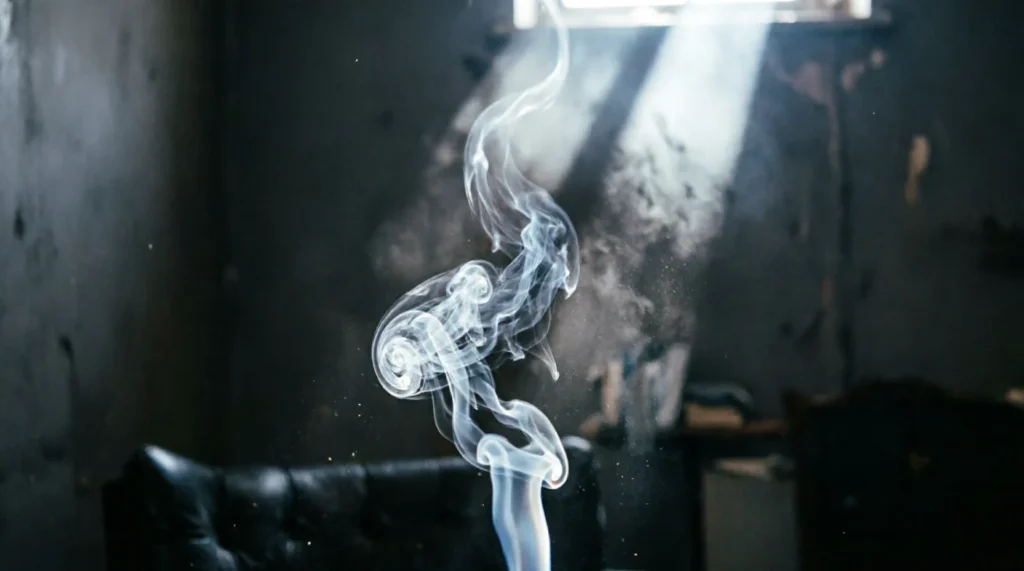
[IMAGE: Swirling smoke forming different shapes in the air]
The smoke curled like a dancing snake through the air.
Smoke floated like soft gray ribbons in the breeze.
The smoke drifted like clouds chasing the wind.
Smoke rose as quietly as a whisper.
The smoke spread like ink in water.
Smoke twisted like a gymnast flipping through the sky.
The smoke climbed like vines reaching toward sunlight.
Smoke disappeared like a ghost fading into the darkness.
The smoke hung like a thin blanket over the trees.
Smoke rolled like gentle ocean waves.
The smoke scattered like feathers caught in the wind.
Smoke floated like cotton candy melting into the sky.
The smoke stretched like long strands of silver hair.
Smoke drifted like a lazy river across the valley.
The smoke swirled like a spinning top.
Smoke rose as slowly as a balloon leaving a child’s hand.
The smoke curled like handwriting across the sky.
Smoke spread like morning fog over a field.
The smoke danced like leaves caught in autumn wind.
Smoke moved like silk floating underwater.
The smoke faded like a forgotten dream.
Smoke climbed like a staircase reaching into the clouds.
The smoke twisted like a ribbon in a gymnast’s routine.
Smoke drifted like mist over a quiet lake.
The smoke vanished like magic before your eyes.
These examples work well because they appeal to your senses. You can almost see the movement, shape, and texture of the smoke. Strong imagery helps your readers picture the scene, making your writing more memorable and enjoyable.
How to Use Similes for Smoke in Your Writing
Once you know a few examples, you can begin creating your own. Here are some simple steps you can follow.
Think about how the smoke moves. Does it curl, drift, swirl, or disappear? Match that movement with something familiar.
Choose comparisons your readers can easily imagine. Everyday objects, weather, animals, and nature often make the strongest similes.
Make sure the comparison fits your story’s mood. Gentle smoke might be compared to silk, while thick smoke might be compared to a blanket or storm clouds.
Read your sentence aloud. If it sounds natural and creates a clear picture, you’ve probably chosen a good simile.
Example:
“The campfire smoke curled like a sleepy dragon as it drifted into the evening sky.”
When you practice regularly, you’ll become more confident at adding creative comparisons naturally.
Similes for Smoke in Poems and Stories
Poets and storytellers often use smoke to create mystery, beauty, or emotion. A well-chosen simile can instantly set the mood.
Aisha wrote:
“Smoke floated like silver ribbons, Dancing softly through the morning trees.”
Mateo described a campfire:
“The smoke curled like a friendly ghost, Greeting everyone around the fire.”
Priya wrote in her short story:
“The old chimney breathed smoke like a giant waking from a long nap, filling the cold morning with quiet movement.”
Creative writing teachers encourage students to use similes because they make descriptions more emotional, rhythmic, and memorable. Once you notice them in poems and stories, you’ll start finding inspiration everywhere.
Common Mistakes Students Make With Similes for Smoke
Comparing smoke to something unrelated. If your comparison doesn’t match how smoke looks or moves, readers may become confused. Try choosing objects that share similar movement or appearance.
Using too many similes together. One or two strong comparisons usually create a bigger impact than filling every sentence with figurative language.
Forgetting the words “like” or “as.” Similes use these comparison words. Without them, you may accidentally write a metaphor instead.
Repeating the same comparison every time. Many students always compare smoke to clouds. That’s fine occasionally, but trying fresh ideas keeps your writing interesting.
Ignoring the type of smoke. Thin campfire smoke, thick factory smoke, and colorful stage smoke all behave differently. Choose a comparison that matches the specific kind of smoke you’re describing.
As you practice, you’ll naturally avoid these mistakes and become more confident with descriptive writing.
Fun Activities to Practice Similes for Smoke
Smoke Picture Challenge Grab a pencil and look at pictures of campfires, chimneys, or misty mornings. Write five different similes for each image.
Finish the Sentence Complete prompts such as “The smoke drifted like…” or “The smoke curled as…” and challenge yourself to think of unusual comparisons.
Drawing and Writing Draw a scene with smoke, then write three descriptive sentences using different similes to explain what your picture shows.
Group Guessing Game One student reads a smoke simile without saying the answer. Everyone else guesses what is being described.
Reading Detective While reading a novel or poem, highlight every simile about smoke or mist that you can find. Discuss why the author chose those comparisons.
These activities help you practice while having fun, making figurative language feel much more natural.
What NOT to Do With Similes for Smoke
Don’t force unusual comparisons just to sound creative. If readers cannot picture your comparison, it won’t improve your writing.
Don’t use the same smoke simile repeatedly. Variety makes your descriptions fresher and more engaging.
Don’t confuse smoke with fire. Your simile should describe the smoke itself—its movement, shape, or appearance—not simply the flames.
Don’t forget your audience. Choose comparisons your readers can easily understand, especially if you’re writing for younger students.
Bonus: More Similes for Smoke to Try
Need one more image for smoke drifting, curling, or billowing? These bonus similes for smoke add fresh options for your next description. If you liked these, check out our similes for a storm for even more comparisons.
Smoke curled from the chimney like a lazy question mark.
The smoke rose like a ghost slipping out through the roof.
Smoke drifted across the field like fog that had lost its way.
It billowed out like a genie that had waited too long to escape.
The smoke hung in the air like a secret nobody wanted to clear.
Frequently Asked Questions About Similes for Smoke
What is a good simile for smoke?
A good simile compares smoke to something with similar movement or appearance. For example, “The smoke curled like a ribbon” or “The smoke drifted like morning fog” both create clear mental pictures.
How do you use similes for smoke in a sentence?
Simply compare smoke using “like” or “as.” For example, “The smoke floated like soft feathers across the quiet field.” This helps your readers imagine the scene more clearly.
What is the difference between a simile and a metaphor for smoke?
A simile uses “like” or “as,” while a metaphor says one thing is another. “Smoke curled like a snake” is a simile, but “The smoke was a snake” is a metaphor.
Are similes for smoke suitable for elementary and middle school students?
Yes. Students of many ages can use them. Younger writers may choose simple comparisons, while older students can create more detailed and imaginative ones.
Why do writers use similes for smoke?
Writers use them to make scenes more vivid and emotional. Good comparisons help readers picture the smoke’s shape, movement, and mood, making stories and poems much more enjoyable.
Final Thoughts on Similes for Smoke
Learning similes for smoke is a simple way to make your writing richer and more colorful. Instead of giving plain descriptions, you can paint pictures with words that stay in your readers’ minds.
You explored more than twenty creative examples, learned how to build your own comparisons, discovered common mistakes to avoid, and practiced using similes in stories and poems.
The more you observe the world around you, the easier it becomes to create fresh comparisons. Smoke from a campfire, a chimney, or even stage effects can inspire completely different similes.
Keep experimenting, keep reading, and keep writing. Every new simile you create helps your imagination grow, and with practice, your descriptive writing will become stronger every day.
Sara Liu holds a Master’s degree in English Education from the University of Washington and has been an educator for over 15 years. She specializes in curriculum development for elementary and middle school students, with a particular focus on figurative language. Sara’s love for similes and metaphors blossomed when she discovered their power to spark imagination and convey emotion. At SimilePedia, Sara creates engaging worksheets and reference guides that help young learners grasp the nuances of figurative language. Her favorite part of writing content is developing resources that make complex concepts accessible to children. She is passionate about nurturing a love for words and creativity in her students, and her contributions are shaped by this commitment.