In short, similes for being stuck are comparisons that help you describe the feeling of not moving, not progressing, or feeling trapped in a situation using “like” or “as.” You will find vivid examples that make your writing clearer, more emotional, and easier for readers to picture. These expressions will help you bring your ideas to life with confidence and creativity.
When you keep reading, you’ll discover how these similes can transform simple sentences into powerful imagery that feels real and engaging.
What Are Similes for Being Stuck? (And Why They Matter)
Imagine you are staring at a blank page, your homework half-finished, and your thoughts just won’t move forward. Or maybe you’re trying to describe a character who feels trapped, but the words won’t come. This is exactly where similes for being stuck can help you.
Similes for being stuck are descriptive comparisons that show someone or something is unable to move, progress, or escape a situation. They use words like “as” or “like” to connect feelings with clear images.
Language arts educators often say that figurative language helps your brain “see” emotions. Instead of just saying “I was stuck,” you can paint a picture that readers actually feel.
These expressions matter because they improve storytelling, boost exam writing scores, and help you express complex emotions in simple ways. When you learn similes for being stuck, your writing becomes more powerful and memorable.
Now that you understand the idea, let’s explore some vivid examples you can start using right away.
The Best Examples of Similes for Being Stuck
Here are powerful, creative, and student-friendly similes for being stuck that you can use in your writing:
Stuck like a car buried in deep mud after a heavy rainstorm
Like glue drying too fast, unable to move forward
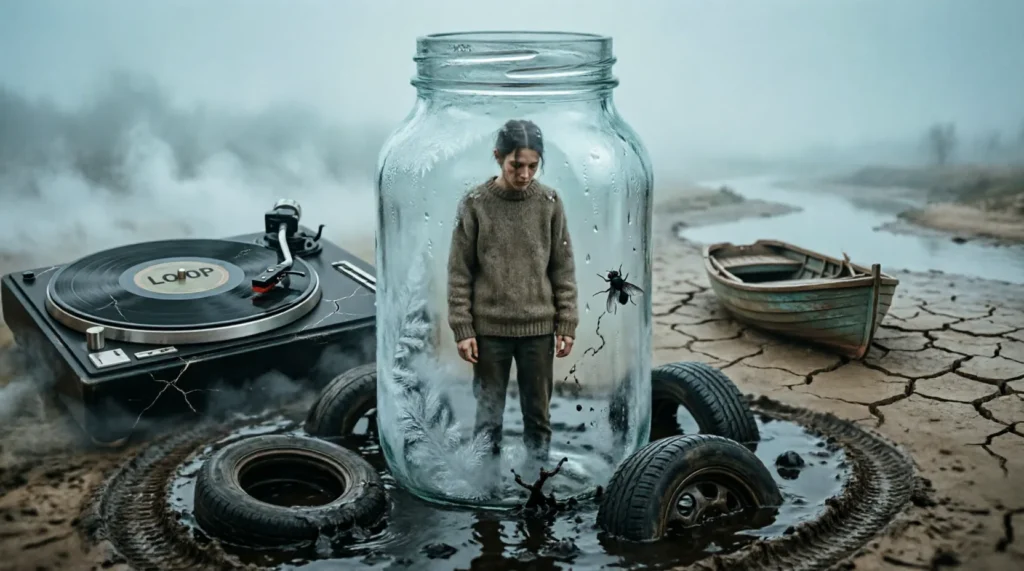
As trapped as a fly inside a closed glass jar
Stuck like a backpack zipper jammed halfway
Like a broken elevator frozen between floors
As motionless as a statue carved from stone
Stuck like shoes glued to hot asphalt in summer
Like a computer frozen on one screen forever
As stuck as a boat caught in seaweed
Like a pencil pressed down but not writing anything
Stuck like a door that won’t open no matter how hard you push
As trapped as a bird inside a small cage
Like footsteps sinking into thick sand
Stuck as if time itself has stopped moving
Like a puzzle piece that doesn’t fit anywhere
As stuck as a wheel spinning in deep snow
Like words caught in your throat and refusing to come out
Stuck like a train halted in the middle of nowhere
As frozen as ice locked inside a winter storm
Like being stuck in traffic with no end in sight
These similes for being stuck work so well because they create strong mental pictures. You can almost feel the heaviness, silence, or frustration in each one. Writers use imagery like this to make emotions clearer and more relatable for readers.
[IMAGE: student writing expressive similes in notebook]
When you use these comparisons, your writing becomes more than just words—it becomes an experience your reader can feel.
How to Use Similes for Being Stuck in Your Writing
If you want your writing to stand out, you need to know how to use similes for being stuck correctly. Here’s how you can start:
Think of a situation where something cannot move or progress You might imagine a character, object, or even a feeling that feels trapped or paused.
Choose a strong image from real life Pick something your reader already knows, like mud, traffic, frozen objects, or broken machines.
Connect it using “like” or “as” For example, you can say, “I felt stuck like a car in thick mud.”
Add emotion to make it more powerful Instead of just describing stillness, show frustration, confusion, or stress.
Example sentence: “I was stuck like a computer frozen on one screen, unable to move forward with my assignment.”
When you practice this, similes for being stuck become a natural part of your writing style, not something forced or memorized.
Similes for Being Stuck in Poems and Stories
Writers and poets love using similes for being stuck because they create emotional depth and strong imagery. They help readers feel the pause, tension, or frustration inside a character’s journey.
[IMAGE: open book with handwritten poem lines about feeling stuck]
Here are a few creative examples:
Mina stared at the locked door of her thoughts. “My mind is like a locked room with no key,” she whispered.
Ravi wrote in his journal: “My ideas are stuck like birds in a cage, flapping but never flying free.”
In a short poem by a student named Ayesha: “I stand like a tree in winter’s grip, stuck like silence on a frozen lip.”
Poets and authors use these expressions because they turn simple emotions into vivid scenes. When you read them, you don’t just understand the feeling—you experience it.
Common Mistakes Students Make With Similes for Being Stuck
When learning similes for being stuck, it’s normal to make mistakes. The good news is that each mistake helps you improve.
Using unclear comparisons Sometimes students choose images that don’t make sense, like “stuck like happiness.” Good similes need clear visual meaning.
Forgetting the “like” or “as” structure A simile must compare using these words, or it becomes something else.
Making comparisons too complicated Long or confusing images can make your writing harder to understand.
Repeating the same idea too often If every sentence uses “stuck like glue,” your writing loses impact.
Not matching emotion with image If the situation is frustrating, your simile should feel frustrating too.
These mistakes are completely normal, especially when you are still learning how similes for being stuck work in real writing.
More similes for being stuck by Tone and Context
🌿 Natural & Descriptive
“Like a tree with roots tangled in stone” — Shows someone unable to move forward because of obstacles, making it perfect for descriptive writing.
“As still as a pond without a breeze” — Captures complete stillness and a lack of progress in a peaceful, natural way.
“Like a vine wrapped around an old fence” — Suggests being held back by something that has slowly tightened over time.
“As trapped as a bird beneath thick branches” — Expresses the feeling of searching for a way out while surrounded by barriers.
“Like a fallen log wedged between rocks” — Describes something firmly blocked from moving despite great effort.
💛 Warm & Emotional
“Like a heart waiting behind a closed door” — Reflects emotional hesitation or feeling unable to take the next step.
“As frozen as a smile during difficult news” — Shows the sudden feeling of not knowing how to react or move forward.
“Like a child waiting for someone to return” — Conveys hopeful waiting mixed with uncertainty.
“As tied down as a promise that cannot be broken” — Highlights commitment or responsibility that keeps someone from moving on.
“Like hands holding onto yesterday” — Suggests struggling to let go of the past.
✨ Poetic & Romantic
“Like a star hidden behind morning clouds” — Suggests potential that cannot yet shine through.
“As silent as a forgotten melody” — Creates a gentle image of emotions that seem unable to continue.
“Like a feather caught in an endless breeze” — Describes drifting without reaching a destination.
“As paused as the moon behind drifting clouds” — Gives a dreamy feeling of temporary delay and quiet reflection.
“Like an unfinished letter waiting to be sent” — Symbolizes emotions or dreams left incomplete.
😄 Playful & Fun
“Like a shopping cart with one squeaky wheel” — Adds humor to the idea of making little progress.
“As stuck as a zipper halfway up a jacket” — A funny way to describe being unable to continue.
“Like a video buffering at the best part” — Perfect for modern, relatable situations where progress suddenly stops.
“As tangled as a pair of earbuds in a pocket” — Describes frustrating situations in a lighthearted way.
“Like a hamster staring at a stopped wheel” — Gives a playful image of wanting to move but having nowhere to go.
These tone-grouped similes for similes for being stuck give you options for every kind of writing — whether you need something soft and poetic or bold and fun. Try picking one from each group and using them in a short paragraph to see how different the same feeling of being stuck can feel.
Using similes for being stuck in Real Writing Contexts
In a Descriptive Essay
When writing about challenges, delays, or difficult situations, a simile can help readers picture exactly how being stuck feels. Instead of simply saying someone could not move forward, compare the feeling to something familiar and visual. Example:The project moved as slowly as a fallen log wedged between rocks, with every new idea meeting another obstacle.
In a Poem
Similes for being stuck can create a thoughtful, emotional mood in poetry. They help readers connect with feelings of waiting, longing, or uncertainty through vivid images. Example:I lingered like a star hidden behind morning clouds, waiting for my light to find the sky.
In a Story or Creative Scene
In stories, similes make a character’s emotions or situation more memorable. They quickly show frustration, fear, or hesitation without needing a long explanation. Example:She reached for the door, but her courage felt as frozen as a smile during difficult news, leaving her rooted to the floor.
In a Social Media Caption or Message
A short simile adds personality and humor to everyday posts or messages. It makes common frustrations feel more relatable and fun. Example:Today’s to-do list has me feeling like a video buffering at the best part. 😅
The more you practice placing similes for being stuck into real sentences, the more natural your writing will sound — and the more your reader will feel exactly what you want them to feel.
Fun Activities to Practice Similes for Being Stuck
Try these fun and creative activities to improve your skills with similes for being stuck:
Simile scavenger hunt Look around your home or classroom and find 5 things that look “stuck.” Write a simile for each one.
Finish the sentence game Start with “I feel stuck like…” and complete it in 10 different ways.
Story challenge Write a short story about a character who is physically or emotionally stuck using at least 5 similes.
Draw and describe Draw something stuck (like a jammed drawer), then write a simile to match your drawing.
Group guessing game Read your similes aloud and let friends guess what situation you are describing.
Emotion swap exercise Turn frustration into imagery by rewriting “I am stuck” into a powerful simile.
These activities make learning fun while helping you naturally remember how similes for being stuck work in real writing.
What NOT to Do With Similes for Being Stuck
Don’t overuse the same comparison If you keep repeating “stuck like glue,” your writing will feel boring instead of creative.
Don’t use confusing or abstract images Readers should be able to visualize your simile instantly.
Don’t mix metaphors and similes incorrectly Keep your comparisons clear and structured with “like” or “as.”
Don’t force a simile where it doesn’t fit If it doesn’t improve meaning or emotion, it’s better to skip it.
Frequently Asked Questions About Similes for Being Stuck
What are simple examples of similes for being stuck?
Simple similes include phrases like “stuck like a car in mud” or “as stuck as a door that won’t open.” These help you describe situations where movement or progress is blocked in a clear way.
How can students use similes for being stuck in essays?
You can use them in descriptive or narrative essays to show emotions or situations. For example, “I felt stuck like a frozen computer screen during my exam.” This makes your writing more vivid and engaging.
Why do writers use similes for being stuck in stories?
Writers use them to help readers feel frustration, tension, or helplessness. Similes make abstract emotions easier to imagine and more powerful to read.
Are similes for being stuck useful for school exams?
Yes, they are very useful in exams because they improve your descriptive writing. Teachers often look for creative language that shows strong imagination and clarity.
Can similes for being stuck describe emotions, not just physical situations?
Absolutely. You can describe emotional situations like confusion, stress, or sadness using them. For example, “My thoughts were stuck like birds in a cage.”
Final Thoughts on Similes for Being Stuck
Similes for being stuck are powerful tools that help you turn simple ideas into vivid, meaningful expressions. Instead of saying something plain like “I was stuck,” you now have many creative ways to show it.
When you practice these comparisons, your writing becomes more expressive, emotional, and engaging. You also make it easier for readers to understand exactly what you feel or imagine.
Keep experimenting with different images, and don’t be afraid to try new combinations. The more you practice similes for being stuck, the more natural and confident your writing will become.
And remember, every great writer started by learning how to turn simple thoughts into strong, creative images—just like you are doing now.
Frequently Asked Questions
What are similes for being stuck and why are they useful?▼
Similes for being stuck are descriptive comparisons that illustrate feelings of being unable to move or progress, using words like ‘as’ or ‘like.’ They enhance storytelling by painting vivid pictures in the reader’s mind, making complex emotions easier to understand.
Can you provide examples of similes for being stuck?▼
Certainly! Some examples include ‘Stuck like a car buried in deep mud after a heavy rainstorm’ and ‘As trapped as a fly inside a closed glass jar.’ These comparisons help convey feelings of frustration and stillness effectively.
How can using similes improve my writing?▼
Incorporating similes for being stuck can significantly enhance your writing by making it more expressive and relatable. They allow readers to visualize emotions, which can lead to a deeper connection with your narrative.
What situations can I use similes for being stuck in?▼
You can apply similes for being stuck in various contexts, such as depicting a character’s emotional state, describing a lack of progress in a task, or illustrating physical entrapment. Think of scenarios where movement or progression is halted.
Why do language arts educators emphasize figurative language like similes?▼
Language arts educators highlight figurative language because it helps students articulate complex emotions and experiences in relatable ways. Similes allow writers to convey feelings that resonate deeply with readers, enhancing their overall writing skills.
How do I start using similes for being stuck in my own writing?▼
Begin by identifying a scenario where movement is restricted or progress is halted. Then, select a vivid image from everyday life that can be likened to that situation to create a powerful simile.
What impact do similes for being stuck have on reader engagement?▼
Similes for being stuck create strong mental images that enhance reader engagement by invoking emotions such as frustration or heaviness. When readers can visualize and empathize with the described feelings, they are more likely to connect with the story.
Liam is a language enthusiast and lead writer at Similepedia.com, where he focuses on creating clear, creative, and easy-to-use similes for everyday writing. He specializes in turning simple ideas into vivid comparisons that make sentences more engaging, expressive, and memorable.
Instead of overcomplicating language with technical jargon, Liam approaches similes as practical tools for better communication. He breaks down how comparisons work, when to use them, and how to make them sound natural — not forced or awkward.
He pays close attention to tone, context, and clarity, ensuring every simile fits smoothly into real sentences. From fun and playful comparisons to more descriptive and expressive ones, Liam helps readers improve how they write, speak, and express ideas.
At Similepedia.com, his mission is simple: make language more colorful and effective without making it complicated. He doesn’t just list similes — he helps readers understand how to use them confidently in real situations.