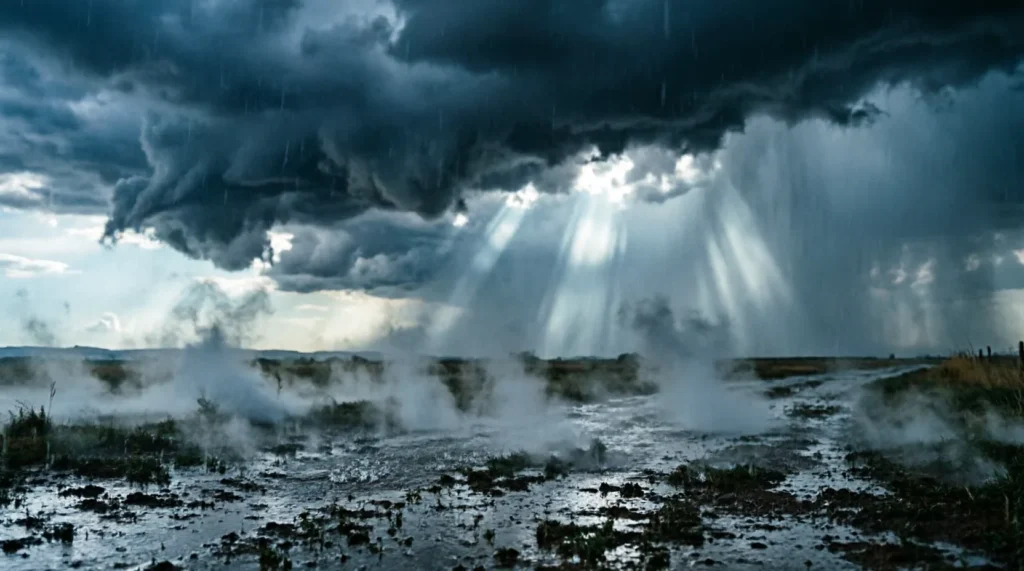
In short, similes for heavy rain are creative comparisons that help you describe storms, downpours, and wild weather in a more vivid way. They make your writing feel stronger, more emotional, and easier for readers to imagine. Keep reading to discover powerful examples, writing tips, fun activities, and common mistakes to avoid.
What Are Similes for Heavy Rain? (And Why They Matter)
Picture this: you are writing a story about a thunderstorm, but every sentence sounds the same.
“The rain was heavy.” “It rained a lot.” “The storm was loud.”
That can feel frustrating fast.
Similes for heavy rain help you compare rain to something else using words like “as” or “like.” Instead of saying “it rained hard,” you might say, “The rain fell like buckets pouring from the sky.” Suddenly, the reader can actually picture it.
These similes matter because they bring your writing to life. They help you create mood, emotion, and detail in stories, poems, essays, and even school assignments. Literacy educators often encourage students to use figurative language because it improves creativity and reading comprehension.
Whether you are writing a spooky storm scene, a dramatic poem, or a descriptive paragraph for class, learning how to use similes for heavy rain can make your words more memorable. And the best part? You do not need to be a professional writer to use them well.
The Best Examples of Similes for Heavy Rain
[IMAGE: Dark clouds pouring heavy rain over a city street]
The rain crashed down like a waterfall from the clouds.
Heavy rain pounded the roof like a drummer in a rock band.
The storm poured like someone tipped over the ocean.
Rain fell like silver needles from the sky.
The downpour sounded like popcorn exploding on the pavement.
The rain came down like buckets thrown from heaven.
Rain splashed against the windows like tiny pebbles.
The storm rolled in like an angry giant stomping across the sky.
Heavy rain flooded the streets like a river escaping its banks.
The rain hit my jacket like cold marbles.
Rain poured like a broken shower that would not turn off.
The storm clouds burst like overfilled balloons.
Heavy rain swept through town like a runaway train.
The rain danced on the sidewalk like thousands of tiny feet.
Water streamed down the road like melted glass.
The rain roared like applause in a giant stadium.
The storm soaked the town like a sponge dropped in water.
Rain hammered the roof like a million tiny fists.
The sky cried like it had been holding tears for years.
Rain poured from the clouds like spilled paint.
The storm rushed through the trees like wild animals running free.
Heavy rain fell like curtains covering the world.
The rain splattered like waves crashing against rocks.
Water dripped from the roof like a leaking faucet times one hundred.
Rain exploded from the clouds like fireworks made of water.
The storm sounded like drums beating in the distance.
Heavy rain flooded the yard like a swimming pool overflowing.
The rain fell like strings hanging from the sky.
Rain battered the streets like a fierce army charging forward.
The storm moved over the town like a dark blanket.
Heavy rain poured like endless tears from the clouds.
The rain hissed like bacon cooking in a hot pan.
Water rushed through the gutters like mini rivers.
Rain crashed onto the windshield like handfuls of gravel.
The storm rumbled like giant bowling balls rolling overhead.
Rain drummed on the tent like fingers tapping a desk.
Heavy rain came down like someone emptying giant water bottles.
The storm hit the beach like waves attacking the shore.
Rain splashed around my boots like playful fish.
The clouds opened like giant doors releasing water.
Heavy rain spread across the city like spilled ink.
The storm sounded like a thousand people clapping at once.
Rain slid down the glass like tears on a face.
The downpour attacked the earth like arrows from the sky.
Rain flooded the playground like a mini lake appearing overnight.
These examples work well because they use strong imagery and sensory details. You can hear the sounds, picture the movement, and almost feel the cold rain on your skin. Creative writing teachers often remind students that the best similes connect weather to everyday experiences readers already understand.
Now that you have plenty of examples, let’s look at how you can use them naturally in your own writing.
How to Use Similes for Heavy Rain in Your Writing
[IMAGE: Student writing a storm scene in a notebook]
Think about what heavy rain sounds or feels like.
Ask yourself questions while you write. Does the rain sound loud like drums? Does it hit the ground like rocks? Using your senses helps you create stronger similes.
Match the simile to the mood of your story.
A funny story might compare rain to “a giant sprinkler gone wild,” while a scary story might describe rain “like sharp needles falling from the sky.” Your simile should fit the emotion of the scene.
Do not overuse similes in every sentence.
One or two powerful comparisons usually work better than ten crowded together. Too many similes can make your writing confusing instead of vivid.
Use similes naturally inside complete sentences.
For example: “The rain hammered the roof like thousands of tiny drums while Maya tried to fall asleep.”
That sentence sounds more alive because the simile adds sound and movement. Once you start noticing weather around you, creating similes for heavy rain becomes much easier.
Similes for Heavy Rain in Poems and Stories
Writers often use similes for heavy rain to create emotion and atmosphere. A storm scene can feel peaceful, exciting, lonely, or frightening depending on the comparison you choose.
Here are a few short examples you can learn from.
“Ayaan listened as the rain tapped the window like nervous fingers in the dark.”
“The storm rolled above Sofia’s house like giant wheels across the sky. Rain poured down like silver ropes, twisting through the midnight air.”
“Mei ran through the street while rain crashed around her like ocean waves breaking on rocks.”
Poets and authors use figurative language because it helps readers connect emotionally to a scene. Language arts educators often point out that weather descriptions become far more memorable when they include vivid comparisons instead of plain facts.
As you practice, you will begin to notice similes everywhere — especially in books, songs, and movies.
More similes for heavy rain by Tone and Context
🌿 Natural & Descriptive “As endless as a waterfall spilling over a cliff” — This captures the steady, overwhelming flow of heavy rain and works well in vivid descriptions.
“Like rivers falling from the clouds” — Use this simile to emphasize how thick and powerful the rain appears.
“As fierce as waves crashing during a storm” — This creates a strong image of wild weather in essays or nature writing.
“Like a curtain of silver threads covering the sky” — It highlights the beauty and density of heavy rain in descriptive scenes.
“As restless as a swollen river after days of storms” — This simile conveys movement and unstoppable energy.
💛 Warm & Emotional “Like tears pouring out after holding them back too long” — This reflects strong emotions and fits personal stories or journals.
“As comforting as rain on a rooftop during bedtime” — Use this when writing about peaceful memories connected to rain.
“Like memories rushing back all at once” — This captures overwhelming feelings in emotional writing.
“As gentle as a mother’s humming during a stormy night” — It brings warmth and security to heartfelt scenes.
“Like worries washing away with every drop” — This simile works well when describing relief and calm.
✨ Poetic & Romantic “Like music played by a thousand tiny drums” — This creates a dreamy mood for poems and lyrics.
“As magical as stars melting into the earth” — Use this to add wonder and imagination to romantic writing.
“Like whispered secrets falling from the heavens” — This gives heavy rain a mysterious and gentle quality.
“As graceful as dancers moving beneath moonlight” — It paints heavy rain in a beautiful and artistic way.
“Like silver ribbons drifting from the sky” — This simile adds elegance and softness to poetic descriptions.
😄 Playful & Fun “Like someone emptying giant buckets from the clouds” — This humorous image works well in casual writing.
“As noisy as a hundred drummers practicing together” — Use this when describing loud, pounding rain in a fun way.
“Like the sky forgetting to turn off the faucet” — This playful comparison is great for jokes and captions.
“As wild as kids racing out for summer vacation” — It captures excitement and endless energy.
“Like popcorn popping all over the roof” — This simile creates a cheerful sound image for rainy scenes.
These tone-grouped similes for heavy rain give you options for every kind of writing — whether you need something soft and poetic or bold and fun. Try picking one from each group and using them in a short paragraph to see how different the same keyword can feel.
Using the similes for heavy rain in Real Writing Contexts
In a Descriptive Essay
When writing about weather in an essay, adding a simile can help readers picture the scene more clearly. Instead of simply saying it rained heavily, compare it to something familiar to create stronger imagery. For example, The heavy rain fell like rivers pouring from the clouds, turning the streets into shining streams.
In a Poem
Similes for heavy rain can create a peaceful, mysterious, or dramatic mood in poetry. They help readers feel the sound and beauty of the scene. For example, The rain sang like music played by a thousand tiny drums, while the night wrapped the world in quiet dreams.
In a Story or Creative Scene
In stories, similes for heavy rain can make the setting feel more alive and show how characters react to their surroundings. They add emotion and atmosphere to important moments. For example, As Maya hurried toward the bus stop, the heavy rain crashed around her like giant buckets being poured from the clouds, and she laughed while trying to shield her books.
In a Social Media Caption or Message
Short similes work perfectly in captions and messages because they quickly create a fun image. They make everyday moments sound more interesting and memorable. For example, Today’s rain is like the sky forgot to turn off the faucet—guess I’m staying inside with hot chocolate! ☔
The more you practice placing similes for heavy rain into real sentences, the more natural your writing will sound — and the more your reader will feel exactly what you want them to feel.
Common Mistakes Students Make With Similes for Heavy Rain
Using similes that do not match rain
Sometimes students compare rain to something unrelated, like “Rain fell like a banana.” It may sound silly unless the story is meant to be funny. Try to connect your simile to movement, sound, feeling, or appearance.
Making similes too complicated
A long simile with too many details can confuse readers. Simple comparisons are often the strongest.
Repeating the same simile again and again
Using “like buckets” in every paragraph gets repetitive. Challenge yourself to create fresh comparisons.
Forgetting the mood of the scene
A cheerful simile may not fit a scary storm scene. Think about how your character feels during the rain.
Mixing metaphors and similes accidentally
Students sometimes switch between comparisons too quickly. Keep your image clear so readers can easily picture the storm.
These mistakes are completely normal when you are learning. Every writer improves with practice and experimentation.
Close your eyes and listen to rain sounds online or outside your window. Write down five things the rain reminds you of, then turn them into similes.
Draw and Describe
Grab a pencil and draw a rainy scene. After that, write three similes that match what you drew.
Simile Swap Game
Play with friends or classmates. One person says “heavy rain,” and everyone races to invent the most creative simile in thirty seconds.
Rainy Day Story Starter
Write a short story beginning with: “The rain fell like…” Challenge yourself to use at least three different similes naturally in the story.
Poem Builder
Create a four-line poem using two similes for heavy rain. Try making the poem funny, dramatic, or mysterious.
Reading Detective
While reading books or poems, search for weather similes. Keep a notebook of your favorite examples and study why they work so well.
Practicing this way helps you become more confident and creative without making writing feel boring.
What NOT to Do With Similes for Heavy Rain
Do not force a simile into every sentence
Sometimes simple description works better. Similes should improve your writing, not overcrowd it.
Do not copy famous similes exactly every time
Popular comparisons are helpful for learning, but your own ideas will make your writing stand out more.
Do not confuse loud rain with every type of weather
Heavy rain is different from fog, snow, or light drizzle. Make sure your simile matches the kind of weather you are describing.
Do not choose comparisons readers cannot picture
If your audience cannot imagine the comparison, the simile loses its power. Clear images usually work best.
Understanding what to avoid is just as important as learning strong examples.
Frequently Asked Questions About Similes for Heavy Rain
What is a simile for heavy rain?
A simile for heavy rain compares rain to something else using “like” or “as.” For example, “The rain fell like buckets from the sky” creates a stronger picture than simply saying it rained hard.
How do you use similes for heavy rain in a sentence?
You can place the simile directly into a descriptive sentence. For example: “Rain hammered the roof like thousands of tiny drums during the storm.” The comparison adds sound and emotion to the scene.
What is the difference between a simile and a metaphor for heavy rain?
A simile uses words like “like” or “as,” while a metaphor says something is something else directly. “Rain fell like needles” is a simile, while “The rain was a curtain of needles” is a metaphor.
Why do writers use similes for heavy rain?
Writers use them to make scenes more vivid and emotional. Instead of plain weather descriptions, similes help readers hear, feel, and imagine the storm more clearly.
Are similes for heavy rain good for school assignments?
Yes, they are excellent for descriptive writing, poems, narratives, and creative assignments. Many language arts teachers encourage students to use figurative language because it improves storytelling and writing style.
Final Thoughts on Similes for Heavy Rain
Learning how to use similes for heavy rain can completely change the way your writing sounds. Instead of flat descriptions, your words can create scenes readers actually see and feel in their minds.
You explored dozens of examples, learned how to build your own comparisons, and discovered common mistakes to avoid. You also saw how similes can make poems, stories, and classroom writing more expressive and memorable.
The more you practice, the easier creative writing becomes. Even small changes — like replacing “it rained hard” with a vivid simile — can make your work stronger and more exciting to read.
Writing is a skill that grows step by step, and every creative sentence you try helps you become a more confident writer.
Frequently Asked Questions
What are similes for heavy rain and why are they useful?▼
Similes for heavy rain are creative comparisons that use words like ‘as’ or ‘like’ to vividly describe rain and storms. They enhance writing by creating mood and emotion, making it easier for readers to visualize the scene.
Can you provide examples of similes for heavy rain?▼
Sure! Some examples include ‘The rain fell like buckets pouring from the sky’ and ‘The storm poured like someone tipped over the ocean.’ These comparisons help paint a clearer picture of the intensity and character of the rain.
How do similes improve writing for students?▼
Similes improve writing by encouraging creativity and enhancing reading comprehension. They allow students to express themselves more vividly in stories, poems, and essays, making their work more memorable.
What common mistakes should be avoided when using similes for heavy rain?▼
Common mistakes include using clichés or overly generic comparisons that lack originality. It’s important to create fresh, evocative similes that accurately convey the emotional weight of heavy rain.
Are similes only for professional writers?▼
No, anyone can use similes effectively, regardless of their writing experience. The article emphasizes that similes for heavy rain can be useful for students and writers of all levels, enhancing their descriptive abilities.
How can I incorporate similes into my writing assignments?▼
To incorporate similes, think of vivid comparisons related to heavy rain that resonate with your theme or mood. Try experimenting with different sensory details to create engaging and memorable imagery.
What activities can help students practice using similes for heavy rain?▼
Fun activities could include writing exercises where students create their own similes for heavy rain or illustrating scenes that depict these comparisons. Group discussions about the emotional impact of different similes can also reinforce their understanding.
Sara Liu holds a Master’s degree in English Education from the University of Washington and has been an educator for over 15 years. She specializes in curriculum development for elementary and middle school students, with a particular focus on figurative language. Sara’s love for similes and metaphors blossomed when she discovered their power to spark imagination and convey emotion. At SimilePedia, Sara creates engaging worksheets and reference guides that help young learners grasp the nuances of figurative language. Her favorite part of writing content is developing resources that make complex concepts accessible to children. She is passionate about nurturing a love for words and creativity in her students, and her contributions are shaped by this commitment.