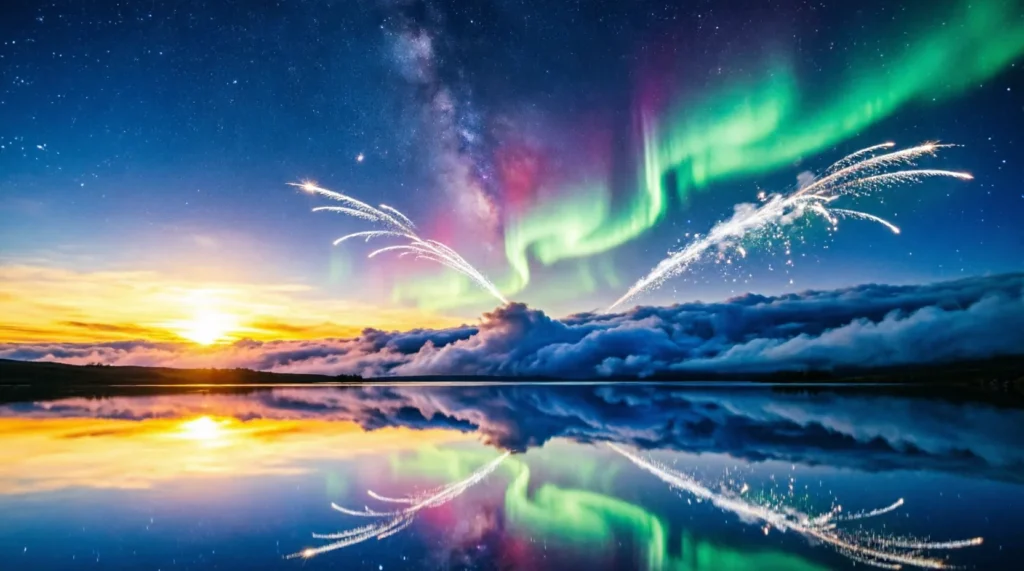
In short, similes for amazing are creative comparisons that help you describe something extremely impressive using “like” or “as,” such as “amazing like a fireworks show in the night sky.” You’ll find expressive examples, writing tips, and fun practice ideas that make your descriptions more powerful and memorable. Keep reading to level up your creative writing skills in a simple and enjoyable way.
What Are Similes for Amazing? (And Why They Matter)
Imagine you’re sitting in class, and your teacher asks you to describe something amazing—but your mind goes completely blank. You know it was impressive, but you can’t find the right words. That’s exactly where similes for amazing can help you.
Similes for amazing are simple comparisons that help you describe something extraordinary by connecting it to something familiar. They use words like “as” or “like” to create vivid pictures in the reader’s mind.
These comparisons matter because they make your writing more colorful, expressive, and engaging. Instead of just saying “It was amazing,” you can show the feeling. Language arts educators often say figurative language helps students improve creativity, comprehension, and storytelling skills.
When you use similes for amazing, you’re not just telling—you’re painting a picture with words. And that makes your writing stand out in exams, stories, and even everyday descriptions.
Now that you understand the idea, let’s explore some powerful examples you can start using right away.
The Best Examples of Similes for Amazing
Here are some vivid similes for amazing that you can use in your writing. Each one helps you express excitement, wonder, or admiration in a unique way.
Amazing like fireworks exploding across a midnight sky
As amazing as discovering treasure buried in your backyard
Amazing like the first glimpse of a rainbow after a storm
As amazing as watching a rocket launch into space
Amazing like hearing your favorite song at the perfect moment
As amazing as a magician pulling a rabbit out of an empty hat
Amazing like standing at the edge of a giant waterfall
As amazing as finding extra time on a busy school day
Amazing like a surprise party you never saw coming
As amazing as seeing snow fall for the first time
Amazing like opening a gift you didn’t expect
As amazing as a perfect score on a difficult test
Amazing like walking into a room full of glowing lights
As amazing as watching clouds turn golden at sunset
Amazing like a dream that feels real
As amazing as discovering a hidden path in a forest
Amazing like a rainbow stretching across the whole sky
As amazing as hearing applause after a great performance
Amazing like a story twist you never predicted
As amazing as the first bite of your favorite dessert
These similes for amazing work because they use strong imagery and relatable experiences. You can almost see, hear, or feel each comparison. When you use them, your reader doesn’t just understand your words—they experience them.
Now that you’ve seen examples, let’s learn how you can start using them in your own writing.
How to Use Similes for Amazing in Your Writing
If you want your writing to feel more powerful, you need to know how to use similes for amazing correctly. Don’t worry—it’s easier than it looks.
First, think about what you want to describe. Ask yourself, “What feels amazing to me right now?”
Next, choose something familiar that has a similar feeling or energy. This helps your reader connect easily.
Then, build your simile using “like” or “as” to connect the two ideas clearly.
Finally, read your sentence out loud to see if it creates a strong image in your mind.
For example, you could write: “The concert was as amazing as fireworks lighting up the night sky.”
When you practice these steps, you’ll notice your writing becoming more vivid and expressive. You’ll also feel more confident using similes for amazing in essays, stories, and even captions.
Next, let’s see how writers use these comparisons in creative storytelling.
Similes for Amazing in Poems and Stories
Writers and poets love using similes for amazing because they help turn simple moments into unforgettable ones. These comparisons add emotion, rhythm, and imagery to creative writing.
Here are some short examples:
Aisha wrote: “The festival was amazing like lanterns floating into a velvet sky.”
Liam shared: “It felt as amazing as stepping into a dream where everything glowed.”
Mina described her story: “The discovery was amazing like finding a secret door inside an old library.”
These small moments show how similes can transform ordinary writing into something expressive and magical. Poets and authors use this technique to help readers feel emotions more deeply and visualize scenes clearly.
When you use similes for amazing in your own poems or stories, you give your reader a chance to see the world through your imagination. And that makes your writing more powerful and memorable.
Common Mistakes Students Make With Similes for Amazing
It’s normal to make mistakes when learning something new. Many students struggle with similes for amazing at first, but the good news is that these mistakes are easy to fix.
Using unclear comparisons Sometimes students choose comparisons that don’t make sense, which confuses the reader. Try to pick something your reader can easily imagine.
Overusing the word “amazing” If you repeat it too often, your writing can feel weak. Mix it with stronger descriptive words for balance.
Making comparisons too complicated If your simile is too long or confusing, it loses impact. Keep it simple and clear.
Using unrelated ideas If the comparison doesn’t match the feeling of “amazing,” it won’t work well. Always connect emotions or experiences that feel similar.
Forgetting the reader Always think about what you are trying to show your reader. Your goal is clarity and imagination, not confusion.
These mistakes are part of learning, so don’t worry if you make them. With practice, your use of similes for amazing will naturally improve.
More similes for the word amazing by Tone and Context
🌿 Natural & Descriptive
“As amazing as a waterfall shining in the morning sun” — Captures beauty, movement, and wonder in nature-focused descriptions.
“Like a mountain peak touching the clouds” — Emphasizes something impressive, grand, and difficult to forget.
“As amazing as a field of wildflowers in full bloom” — Works well when describing colorful scenes or joyful experiences.
“Like the first rainbow after a storm” — Suggests surprise, hope, and unexpected beauty.
“As amazing as the stars scattered across a clear night sky” — Highlights awe and a sense of endless possibility.
💛 Warm & Emotional
“As amazing as a hug when you need it most” — Expresses comfort, kindness, and emotional support.
“Like hearing a loved one’s voice after a long time” — Conveys happiness and meaningful connection.
“As amazing as a handwritten letter filled with good news” — Reflects warmth, thoughtfulness, and excitement.
“Like a smile that brightens the whole room” — Perfect for describing positive people or uplifting moments.
“As amazing as a friendship that never fades” — Captures loyalty, trust, and lasting appreciation.
✨ Poetic & Romantic
“As amazing as moonlight dancing on a quiet lake” — Creates a dreamy and peaceful image.
“Like a melody floating through the evening air” — Suggests beauty, elegance, and gentle emotion.
“As amazing as a rose opening at sunrise” — Works well in romantic or poetic writing.
“Like a silver thread woven through the night” — Adds a magical and artistic feeling to descriptions.
“As amazing as a wish carried by the wind” — Conveys wonder, hope, and imagination.
😄 Playful & Fun
“As amazing as finding extra fries at the bottom of the bag” — Adds humor and everyday excitement.
“Like a surprise day off from school” — Expresses sudden happiness and delight.
“As amazing as scoring the winning point at the last second” — Captures excitement and celebration.
“Like opening a gift and getting exactly what you wanted” — Highlights joy and pleasant surprise.
“As amazing as a puppy discovering its own tail” — Creates a fun, cheerful, and lighthearted image.
These tone-grouped similes for the word amazing give you options for every kind of writing — whether you need something soft and poetic or bold and fun. Try picking one from each group and using them in a short paragraph to see how different the same keyword can feel.
Using similes for the word amazing in Real Writing Contexts
In a Descriptive Essay
When writing a descriptive essay, you may want to show why a place, event, or experience felt extraordinary. A simile helps readers picture that feeling instead of simply being told it was amazing. For example: The view from the hilltop was as amazing as a thousand stars shining together across the night sky.
In a Poem
Similes for the word amazing can help create mood and make emotions feel stronger in poetry. They allow readers to see and feel the image through comparison. For example: You were as amazing as moonlight on still water, gentle and bright through the silent night.
In a Story or Creative Scene
In stories, similes can show a character’s reaction to something remarkable or describe an unforgettable setting. They add detail and help readers connect with the moment. For example: When the curtain rose, the stage looked as amazing as a magical kingdom brought to life, and Mia could hardly believe her eyes.
In a Social Media Caption or Message
Short similes work especially well in captions and messages because they are memorable and easy to understand. They quickly share excitement with friends and followers. For example: Today was like finding a rainbow after the rain—absolutely amazing from start to finish!
The more you practice placing similes for the word amazing into real sentences, the more natural your writing will sound — and the more your reader will feel exactly what you want them to feel.
Fun Activities to Practice Similes for Amazing
Learning becomes much easier when you make it fun. Try these activities to improve your use of similes for amazing.
Simile scavenger hunt Look around your home or classroom and create similes for five objects that feel “amazing” to you.
Amazing moment journal Write about one amazing moment from your day and describe it using at least two similes.
Group comparison game With friends, take turns describing something amazing using different similes. See who can create the most creative one.
Draw and describe Draw something amazing, like a sunset or celebration, and write similes underneath it.
Story upgrade challenge Take a simple sentence like “The show was amazing” and rewrite it using similes for amazing.
Simile speed writing Set a timer for five minutes and write as many similes as you can. Don’t stop to overthink—just create!
These activities help you practice naturally and improve your creativity over time. The more you practice, the easier it becomes to use similes in real writing.
What NOT to Do With Similes for Amazing
To improve faster, it’s important to avoid common habits that weaken your writing.
Don’t use random comparisons If your simile doesn’t match the idea of “amazing,” it will confuse your reader instead of impressing them.
Don’t overcomplicate your sentences Long or messy comparisons reduce clarity. Keep your similes simple and strong.
Don’t repeat the same ideas Using the same type of comparison again and again makes your writing less interesting.
Don’t ignore meaning Every simile should help the reader understand how amazing something feels—not just decorate the sentence.
Frequently Asked Questions About Similes for Amazing
What is a simile for amazing in simple words?
A simile for amazing is a comparison that helps you describe something very impressive using “like” or “as.” For example, “amazing like a sky full of fireworks” helps your reader picture the feeling more clearly.
How do I write similes for amazing in a sentence?
Start by thinking of something that feels exciting or impressive to you. Then connect it using “like” or “as.” For example: “The experience was as amazing as winning a surprise prize.”
Why do writers use similes for amazing?
Writers use them to make descriptions more vivid and emotional. Instead of just telling the reader something is amazing, they help the reader feel the amazement.
Can I use similes for amazing in essays?
Yes, you can use them in essays, especially creative or descriptive ones. They help your writing stand out and show stronger vocabulary skills.
What makes a good simile for amazing?
A good simile is clear, relatable, and creates a strong mental image. It should help your reader instantly understand how amazing something feels.
Final Thoughts on Similes for Amazing
Learning how to use similes for amazing can completely change the way you write. Instead of plain descriptions, you now have the power to create vivid, emotional images that stay in your reader’s mind.
When you practice regularly, your ideas become more creative, and your confidence in writing grows. You don’t need perfect vocabulary—you just need imagination and practice.
As you keep using similes for amazing, you’ll notice your writing becoming more expressive, more colorful, and more engaging. And the best part is that you already have everything you need to start.
Keep experimenting, keep writing, and trust your creativity—it’s stronger than you think.
Frequently Asked Questions
What are similes for amazing and how can they enhance my writing?▼
Similes for amazing are creative comparisons that help describe something impressive using ‘like’ or ‘as,’ such as ‘amazing like a fireworks show in the night sky.’ They enhance writing by making descriptions more vivid and engaging, allowing readers to visualize and feel the emotions being conveyed.
Can you provide some examples of similes for amazing?▼
Certainly! Some examples include ‘amazing like the first glimpse of a rainbow after a storm’ and ‘as amazing as watching a rocket launch into space.’ These comparisons evoke strong imagery and relatable experiences that resonate with readers.
How can I create my own similes for amazing?▼
To create your own similes for amazing, start by thinking about what feels amazing to you. Then, choose something familiar that evokes a similar feeling, and construct your simile using ‘like’ or ‘as’ to connect the two ideas clearly.
Why are similes important in language arts education?▼
Similes are important in language arts education because they help students improve creativity, comprehension, and storytelling skills. By using figurative language, students learn to express ideas more vividly, making their writing more engaging and impactful.
What should I consider when using similes in my writing?▼
When using similes, consider the clarity and relatability of your comparisons. Aim for familiar images that evoke strong feelings, ensuring your readers can easily connect with the emotions you want to convey.
How do similes for amazing differ from other types of figurative language?▼
Similes for amazing specifically use ‘like’ or ‘as’ to create vivid comparisons that highlight extraordinary experiences. Unlike metaphors, which assert that one thing is another, similes maintain a distinct separation between the two ideas, making the imagery more accessible.
Can similes for amazing be used in everyday descriptions?▼
Absolutely! Similes for amazing can enhance everyday descriptions, making them more colorful and expressive. Whether in storytelling or casual conversation, using similes helps paint a clearer picture for your audience.
Sara Liu holds a Master’s degree in English Education from the University of Washington and has been an educator for over 15 years. She specializes in curriculum development for elementary and middle school students, with a particular focus on figurative language. Sara’s love for similes and metaphors blossomed when she discovered their power to spark imagination and convey emotion. At SimilePedia, Sara creates engaging worksheets and reference guides that help young learners grasp the nuances of figurative language. Her favorite part of writing content is developing resources that make complex concepts accessible to children. She is passionate about nurturing a love for words and creativity in her students, and her contributions are shaped by this commitment.