In short, similes for simple are comparisons that help you describe something plain, easy, or uncomplicated in a more vivid and interesting way. You’ll find fun, relatable examples, writing tips, common mistakes to avoid, and creative ways to practice using them in your own stories and school assignments.
What Are Similes for Simple? (And Why They Matter)
Have you ever stared at a writing assignment and thought, “How do I describe this without sounding boring?” Maybe your teacher asked you to make your writing more descriptive, but every sentence felt flat and repetitive. That’s where similes can help.
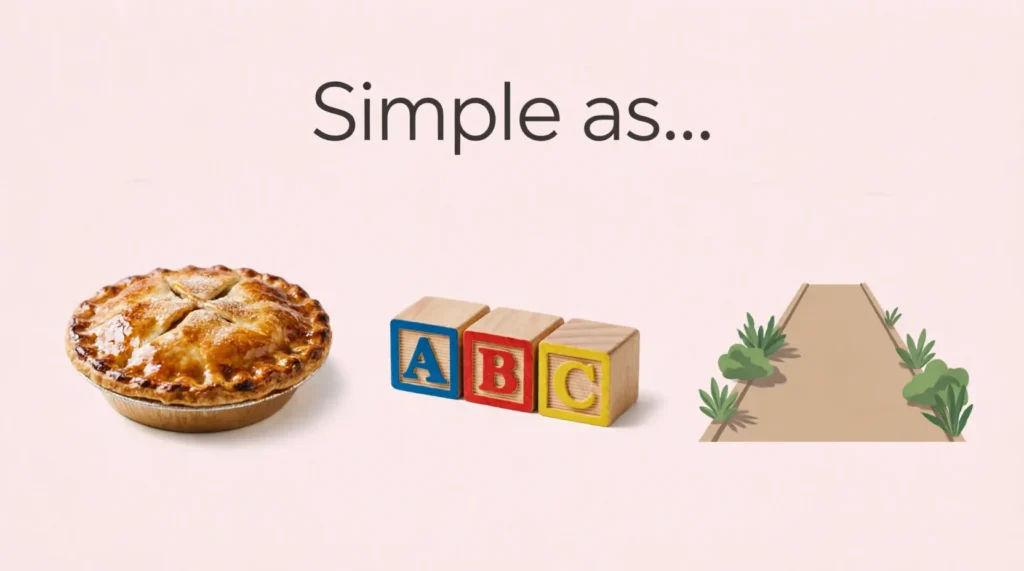
A simile compares one thing to another using the words “like” or “as.” Similes for simple specifically describe things that are plain, easy, calm, clear, or uncomplicated.
For example, you might say, “The instructions were as simple as tying your shoes.” That sentence paints a clearer picture than just saying “The instructions were easy.”
Language arts educators often encourage students to use similes because they improve creativity, reading comprehension, and storytelling. When you use similes well, your writing becomes more memorable and enjoyable to read.
[IMAGE: Student writing creatively in a notebook with colorful ideas around them]
As you keep reading, you’ll discover examples you can use right away in essays, poems, stories, and classroom assignments.
The Best Examples of Similes for Simple
Here are some of the best similes for simple that students, writers, and teachers can use in everyday writing:
As simple as tying your shoes.
As simple as counting to ten.
As simple as a child’s drawing.
As simple as toast for breakfast.
As simple as a straight line.
As simple as a quiet Sunday morning.
As simple as turning a page.
As simple as saying hello.
As simple as a puzzle with one piece.
As simple as pouring a glass of water.
As simple as a smile.
As simple as riding a bike downhill.
As simple as pressing a button.
As simple as a single raindrop.
As simple as a plain white T-shirt.
As simple as walking through an open door.
As simple as a clear blue sky.
As simple as peanut butter on bread.
As simple as a stick figure drawing.
As simple as a bedtime story.
As simple as breathing fresh air.
As simple as a pencil sketch.
As simple as a calm lake at sunrise.
As simple as humming your favorite song.
As simple as a one-word answer.
These examples work well because they create strong imagery using things people already understand. Many of them connect to everyday experiences, which makes your writing feel natural and relatable.
Creative writing teachers often remind students that the best similes are easy to picture in your mind. When readers can instantly imagine what you mean, your writing becomes much stronger.
Now that you’ve seen some examples, let’s explore how you can create your own similes for simple without overthinking it.
How to Use Similes for Simple in Your Writing
Using similes for simple in your own writing does not have to feel difficult. You can build strong comparisons step by step.
Think about something easy or plain in real life.
Ask yourself what feels calm, clear, or uncomplicated to you. It could be brushing your teeth, opening a window, or watching clouds move across the sky.
Compare it using “like” or “as.”
For example: “The recipe was as simple as making instant noodles.”
Match the simile to the mood of your writing.
A funny story might use playful similes, while a poem might use peaceful or emotional ones. You want your comparison to fit the feeling of the scene.
Keep your similes natural.
Sometimes students try too hard to sound fancy. Short and clear similes are often the most powerful.
Here’s a strong example in context:
“Mina explained the math problem as simply as a friend showing you the way home.”
That sentence feels warm, visual, and easy to understand.
[IMAGE: Open notebook showing creative simile examples beside doodles]
Once you practice using similes in sentences, you’ll start noticing them everywhere in books, songs, and even conversations.
Similes for Simple in Poems and Stories
Poets and story writers use similes for simple to create emotion, rhythm, and clear mental pictures. A simple comparison can make even a short sentence feel meaningful.
Here are a few fictional examples:
“Her voice was as simple as rain on the roof, Soft enough to quiet the room.”
Aarav folded the paper airplane carefully. “This project is as simple as breathing,” he whispered with relief.
“Like a single candle in the dark, The answer came simple and bright.”
Writers use these comparisons because they help readers feel connected to the moment. Instead of just saying something was easy or plain, you show the feeling through imagery.
Literacy researchers often point out that figurative language improves emotional understanding in reading. When you use similes thoughtfully, your audience remembers your words more clearly.
Before you start creating your own comparisons, it helps to know which mistakes students commonly make.
Common Mistakes Students Make With Similes for Simple
Using comparisons that are too confusing.
Sometimes students choose objects nobody can picture easily. A simile works best when readers instantly understand the image.
Making the simile too long.
A comparison should add clarity, not make the sentence harder to follow. Keep your similes short and focused whenever possible.
Repeating the same simile again and again.
Using “as simple as counting to ten” in every paragraph can become repetitive. Try mixing funny, peaceful, or creative examples.
Using unrelated comparisons.
If your topic is calm or easy, comparing it to something chaotic may confuse readers. Your simile should match the mood and meaning of the sentence.
Forgetting to use “like” or “as.”
This is a very common mistake. Without “like” or “as,” your sentence may become a metaphor instead of a simile.
These mistakes are completely normal when you’re learning. The good news is that practice makes similes feel more natural over time.
Let’s look at some fun ways you can practice at home or in class.
Fun Activities to Practice Similes for Simple
Create a “Simple Things” Challenge
Grab a pencil and list ten easy everyday activities. Then turn each one into a simile using “like” or “as.”
Play a Classroom Matching Game
Write simple objects on one side of cards and feelings or situations on the other. Try matching them into creative similes with your classmates.
Draw and Describe
Draw something plain, like a cup or a cloud. Then write three similes describing why it feels simple.
Read and Hunt
Choose a short story or poem and search for similes. You’ll start noticing how often authors compare ordinary things in creative ways.
Build a Simile Journal
Keep a notebook where you collect new similes you hear in songs, books, or conversations. This helps you grow your vocabulary naturally.
Try a Timed Writing Game
Set a timer for five minutes and challenge yourself to write as many similes for simple as possible. You may surprise yourself with how creative you can be.
[IMAGE: Students playing a classroom language game with cards and writing prompts]
These activities help you practice without making writing feel stressful or boring.
What NOT to Do With Similes for Simple
Don’t make every sentence a simile.
Too many comparisons can overwhelm your reader. Use similes where they truly add meaning.
Don’t force complicated vocabulary.
A simple simile should still feel clear and natural. Big words are not always better.
Don’t copy examples without changing them.
It’s okay to learn from examples, but your own experiences make your writing more original and interesting.
Don’t confuse “simple” with “boring.”
Many students think simple writing lacks creativity. In reality, some of the strongest writing uses clear and simple imagery.
Understanding what to avoid helps you use figurative language with more confidence and creativity.
More similes for simple by Tone and Context
🌿 Natural & Descriptive
“As simple as a quiet stream” — Captures calmness and ease, making it perfect for peaceful descriptions in nature writing.
“Like a single leaf drifting in the wind” — Suggests effortless simplicity and gentle movement in descriptive scenes.
“As simple as morning sunlight” — Expresses something clear, natural, and easy to understand.
“Like fresh rain on dry soil” — Highlights pure, uncomplicated beauty that feels refreshing.
“As simple as an open meadow” — Works well when describing something spacious, uncluttered, and easy to appreciate.
💛 Warm & Emotional
“As simple as a kind smile” — Shows that even small gestures can have great meaning.
“Like a warm blanket on a cool evening” — Describes comforting simplicity that makes people feel safe.
“As simple as holding someone’s hand” — Reflects sincere emotions without needing grand words.
“Like a gentle hug from a friend” — Fits writing about kindness, support, and quiet happiness.
“As simple as saying ‘thank you'” — Reminds readers that meaningful actions are often uncomplicated.
✨ Poetic & Romantic
“Like a feather floating through the sky” — Creates a soft, dreamy image that suits poems and lyrical writing.
“As simple as the moon above the trees” — Suggests quiet beauty that doesn’t need extra decoration.
“Like a star shining in a clear night” — Describes beauty that comes from being naturally uncomplicated.
“As simple as a whisper in the breeze” — Adds a peaceful, delicate feeling to romantic or poetic writing.
“Like a flower opening at sunrise” — Symbolizes graceful simplicity and natural growth.
😄 Playful & Fun
“As simple as making a sandwich” — A lighthearted way to describe something easy to do.
“Like pressing the play button” — Works well when talking about quick and effortless actions.
“As simple as tying your shoes” — Shows that something is familiar and straightforward.
“Like popping a bubble” — Adds a fun image for something that’s easy and quick.
“As simple as drawing a smiley face” — Perfect for casual conversations, school writing, or humorous examples.
These tone-grouped similes for similes for simple give you options for every kind of writing — whether you need something soft and poetic or bold and fun. Try picking one from each group and using them in a short paragraph to see how different the same keyword can feel.
Using similes for simple in Real Writing Contexts
In a Descriptive Essay
When describing an object, process, or idea, a simile can help readers clearly picture how uncomplicated it is. Choosing a familiar comparison makes your writing more engaging and memorable. Example:The instructions were as simple as following footprints in fresh snow.
In a Poem
Similes for simple can create a peaceful, gentle mood by comparing simple things to beautiful images from nature or everyday life. They help poems feel expressive without using complicated language. Example:Your quiet words were like morning sunlight, simple yet bright enough to warm my heart.
In a Story or Creative Scene
A simile can reveal how a character experiences something that feels easy, calm, or natural. It adds detail while keeping the scene easy to imagine. Example:Maya solved the puzzle as simple as turning a key, and everyone in the room stared in surprise.
In a Social Media Caption or Message
Short similes work well in captions because they quickly express a feeling or idea in a memorable way. A fun comparison makes even an ordinary post stand out. Example:Keeping life as simple as a kind smile today. 🌼
The more you practice placing similes for simple into real sentences, the more natural your writing will sound — and the more your reader will feel exactly what you want them to feel.
Frequently Asked Questions About Similes for Simple
What is a simile for simple?
A simile for simple compares something easy or uncomplicated to another familiar experience using “like” or “as.” For example, “as simple as tying your shoes” helps readers picture something effortless and clear.
How do you use similes for simple in a sentence?
You can place them naturally inside descriptions or dialogue. For example: “The science project was as simple as building with toy blocks.” This adds imagery and makes the sentence more interesting.
Why do writers use similes for simple?
Writers use them to help readers understand feelings, ideas, or situations more clearly. Similes make writing vivid, emotional, and easier to imagine.
Are similes for simple good for middle school students?
Yes, they are especially useful for middle school students because they encourage creative thinking while keeping writing understandable. Many language arts educators use similes to help students improve descriptive writing skills.
What is the difference between a simile and a metaphor for simple?
A simile uses “like” or “as,” while a metaphor makes a direct comparison. “As simple as a bedtime story” is a simile, but “The lesson was a bedtime story” is a metaphor.
Final Thoughts on Similes for Simple
Learning how to use similes for simple can make your writing feel more alive, colorful, and personal. Even small comparisons can turn plain sentences into memorable ones.
You’ve explored creative examples, learned how to build your own similes, and discovered common mistakes to avoid. You also saw how poets, students, and storytellers use these comparisons naturally in everyday writing.
The more you practice, the easier figurative language becomes. You do not need perfect words every time — you just need clear ideas and a little imagination.
Your writing voice matters, and with practice, your similes can become as natural as conversation with a friend.
Frequently Asked Questions
What are similes for simple and why are they useful?▼
Similes for simple are comparisons that describe something plain, easy, or uncomplicated in a more vivid way using ‘like’ or ‘as.’ They are useful because they enhance creativity and make writing more engaging, helping readers visualize concepts clearly.
Can you provide examples of similes for simple that I can use in my writing?▼
Sure! Some examples include ‘as simple as tying your shoes’ and ‘as simple as a quiet Sunday morning.’ These similes create relatable imagery that makes your writing feel more natural and enjoyable.
How can I create my own similes for simple?▼
To create your own similes, think of something easy or plain from your daily life, like brushing your teeth or opening a window. Then, compare it using ‘like’ or ‘as’ to match the mood of your writing.
What common mistakes should I avoid when using similes in my writing?▼
Common mistakes include using overly complex comparisons or ones that are difficult to visualize. It’s important to choose similes that are relatable and enhance the reader’s understanding, rather than confuse them.
How do similes improve my storytelling and writing skills?▼
Similes enhance storytelling by adding vivid imagery and making descriptions more engaging. They can improve writing skills by encouraging creativity and helping writers express complex ideas in an accessible way.
Are there specific contexts where similes for simple work better?▼
Yes, similes for simple work particularly well in essays, poetry, and narratives where clarity and relatability are key. They can match the tone of your writing, whether it’s lighthearted or serious.
What role do similes play in language arts education?▼
Similes are often encouraged in language arts education because they enhance creativity and improve reading comprehension. Teachers use them to help students make their writing more memorable and enjoyable.
Liam Nguyen is a passionate educator and writer with a deep love for figurative language. He holds a master’s degree in Creative Writing and has spent eight years teaching at various educational settings, focusing on language enrichment programs for children from grades 2-6. His expertise in crafting metaphorical language and similes into captivating content stems from his belief that storytelling is the heartbeat of learning. Liam’s contributions to SimilePedia span from emotion-driven examples to color-inspired narrative tools. He is committed to fostering a creative environment where students can explore and find joy in their unique expressions.