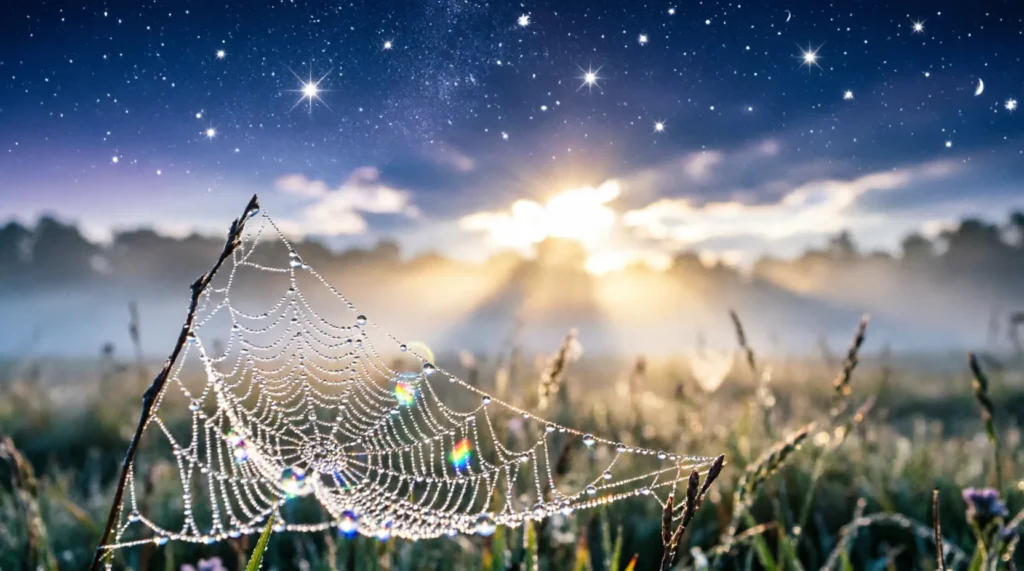
In short, similes for shining are creative comparisons that help you describe light, brightness, sparkle, or glowing beauty in a vivid way. You’ll find fun, poetic, and easy-to-use examples in this guide, along with tips, activities, and writing ideas that can make your descriptions stand out instantly.
[IMAGE: A glowing star shining brightly in a dark night sky with a student writing in a notebook]
What Are Similes for Shining? (And Why They Matter)
Have you ever stared at a blank page trying to describe something bright or glowing, but all you could think of was “it was shiny”? You are not alone. Many students struggle to make their writing sound vivid and interesting.
Similes for shining are comparisons that describe something bright, glowing, sparkling, or radiant by using words such as “like” or “as.” For example, “The diamond sparkled like a tiny star” compares the shine of a diamond to the brightness of a star.
These similes matter because they help your writing feel alive. Instead of simply saying something “looked bright,” you can help your reader actually picture the scene in their mind. That makes your stories, essays, poems, and homework more engaging.
Language arts educators and literacy researchers often encourage students to use figurative language because it improves creativity, reading comprehension, and emotional expression. Once you learn how to use similes for shining, your descriptions can become much more memorable.
Before you start writing your own, it helps to see some strong examples first.
The Best Examples of Similes for Shining
Here are some vivid and creative similes for shining that you can use in stories, poems, classroom assignments, or everyday writing:
Her smile shone like the morning sun.
The necklace glittered like fresh snow under sunlight.
His eyes sparkled like stars in the midnight sky.
The lake shimmered like silver glass.
The trophy gleamed like polished gold.
The candle flickered like a tiny dancing firefly.
Her hair shined like silk in the sunlight.
The moon glowed like a lantern above the hills.
The diamond flashed like lightning in a storm.
The wet road sparkled like crushed crystals.
His new shoes shone like mirrors.
The Christmas lights twinkled like colorful stars.
The knight’s armor gleamed like a sheet of ice.
Her face glowed like a warm sunrise.
The city lights shimmered like jewels in the dark.
The pearl shined like a drop of moonlight.
The polished floor sparkled like water.
The snow glistened like sugar under the sun.
The fire crackled and glowed like a dragon’s breath.
Her eyes lit up like fireworks on New Year’s Eve.
The stars shined like diamonds scattered across velvet.
The sunlight flashed like gold coins on the river.
The child’s laughter shined like sunshine after rain.
The crown glittered like treasure from a pirate story.
The lighthouse beam swept across the ocean like a giant glowing finger.
The dew sparkled like tiny beads of glass.
The computer screen glowed like a blue moon in the dark room.
His watch gleamed like treasure in a cave.
The dancer’s costume sparkled like a sky full of stars.
The rainbow shone like a painted bridge of light.
The lake shone like a sheet of hammered silver at dawn
As radiant as fireworks bursting over a summer skyline
Her eyes shone like candlelight reflected in dark glass
The wet street shone like a ribbon of black glass after rain
As bright as a diamond caught in a single beam of sun
The trophy shone like a small sun sitting on the shelf
[IMAGE: Sparkling jewelry, glowing candles, and shining stars arranged as writing inspiration]
These examples work well because they create strong imagery. When you read them, you can almost see the light, sparkle, or glow in your mind.
Good similes for shining also connect emotions to visual details. Some feel magical, while others feel warm, exciting, or peaceful. That emotional connection is what makes figurative language powerful.
Now that you have plenty of examples, let’s look at how you can use them naturally in your own writing.
How to Use Similes for Shining in Your Writing
Using similes well is easier than you might think. You just need to focus on what kind of shining effect you want your reader to imagine.
Think about the type of brightness you want to describe.
Is it soft like moonlight, strong like sunlight, or colorful like fireworks? Different kinds of shining create different moods in your writing.
Compare it to something familiar.
Readers understand your description faster when you compare it to something they already know. Stars, gold, mirrors, candles, and diamonds are popular choices because most people can picture them easily.
Match the mood of your story or poem.
A happy story may use warm similes like “shining like sunshine,” while a mysterious story may use darker images like “glowing like ghostly fire.”
Don’t overuse similes.
Too many comparisons can make your writing confusing. Choose one strong simile instead of adding several in every sentence.
Here’s an example of similes for shining used naturally in context:
“The treasure chest opened slowly, and the jewels inside sparkled like a thousand tiny stars.”
That single comparison helps the scene feel magical without sounding forced.
As you practice, you’ll notice that similes can also make poems and stories sound more emotional and creative.
Similes for Shining in Poems and Stories
Writers often use similes for shining to create beauty, emotion, and rhythm in their work. A simple comparison can completely change how a scene feels.
Here are a few short fictional examples:
Aisha watched the river at sunset. “It shimmered like melted gold,” she whispered softly.
Ravi held the lantern high. Its flame glowed like a sleepy firefly in the quiet forest.
Maria stepped onto the stage. Her dress sparkled like stars scattered across the night sky.
[IMAGE: A student writing poetry beside a glowing lantern]
Poets and storytellers use shining similes because light often symbolizes hope, beauty, happiness, magic, or discovery. Creative writing teachers frequently encourage students to use sensory details like light and sparkle because they help readers feel connected to the scene.
You can even use similes for shining in song lyrics, fantasy stories, or descriptive paragraphs about nature. The more you experiment, the more natural your writing will sound.
Of course, learning figurative language also means learning what mistakes to avoid.
More similes for shining by Tone and Context
🌿 Natural & Descriptive
“As bright as dew sparkling in the morning sun” — This captures a fresh and lively kind of shine that works well in nature writing and essays.
“Like moonlight dancing across a quiet lake” — Use this to describe gentle, peaceful brightness in a scene.
“As glowing as a field of fireflies at dusk” — This simile creates a magical image that fits vivid descriptions.
“Like sunlight filtering through autumn leaves” — It gives a warm and colorful feeling to descriptive writing.
“As clear and shining as fresh snow beneath the sky” — This works well when describing something clean and dazzling.
💛 Warm & Emotional
“Like a smile lighting up a difficult day” — This simile shows happiness and comfort in personal writing.
“As shining as hope after a storm” — Use this to express encouragement and positive feelings.
“Like a candle glowing in a dark room” — This captures warmth and kindness in heartfelt stories.
“As bright as laughter shared with friends” — It creates a cheerful and loving mood.
“Like happy memories shining in the mind” — This simile fits letters and emotional reflections.
✨ Poetic & Romantic
“As shining as stars woven into velvet skies” — This creates a dreamy and romantic atmosphere.
“Like silver rain falling beneath the moon” — Use this for poems and lyrical writing.
“As radiant as a melody floating through the night” — This adds beauty and elegance to creative pieces.
“Like a pearl resting beneath clear water” — It suggests delicate and graceful brightness.
“As glowing as a promise whispered at sunset” — This simile works well in romantic poems and songs.
😄 Playful & Fun
“Like glitter spilled across a birthday card” — This gives a joyful and colorful feeling.
“As shiny as a brand-new skateboard” — Use this in casual writing and fun descriptions.
“Like a trophy held high after a big win” — This captures excitement and pride.
“As bright as a screen during movie night” — This creates a familiar and playful image.
“Like confetti sparkling at a celebration” — It adds energy and fun to captions and humorous writing.
These tone-grouped similes for similes for shining give you options for every kind of writing — whether you need something soft and poetic or bold and fun. Try picking one from each group and using them in a short paragraph to see how different the same keyword can feel.
Using similes for shining in Real Writing Contexts
In a Descriptive Essay
Students often describe objects, landscapes, or weather in descriptive essays, and a simile helps readers picture the scene more clearly. Choosing a vivid comparison makes ordinary details more memorable. For example, The river at sunrise was as shining as fresh snow beneath the sky, reflecting every color around it.
In a Poem
Similes for shining can help create mood and make poetic images feel more emotional. They add rhythm and beauty to lines of poetry. For example, Your eyes were like moonlight dancing across a quiet lake, and your laughter drifted softly through the night.
In a Story or Creative Scene
In stories, similes for shining can bring characters and settings to life by showing emotions or describing surroundings. They help readers imagine what the scene feels like. For example, As Mia stepped onto the stage, her necklace was shining like glitter spilled across a birthday card, and she smiled with excitement.
In a Social Media Caption or Message
Short similes work well in captions and messages because they quickly create a fun image. They make everyday moments sound more interesting and expressive. For example, Best day ever—feeling as bright as laughter shared with friends! ✨
The more you practice placing similes for similes for shining into real sentences, the more natural your writing will sound — and the more your reader will feel exactly what you want them to feel.
Common Mistakes Students Make With Similes for Shining
Using the same simile repeatedly
If every bright object “shines like the sun,” your writing can feel repetitive. Try using different comparisons such as stars, glass, lightning, or candles.
Making comparisons that don’t fit
Sometimes students compare shining objects to things that are not bright at all. Your simile should make logical sense to the reader.
Adding too many similes in one paragraph
This is very common, especially when you are excited about figurative language. One or two strong similes usually work better than five weak ones.
Forgetting the mood of the writing
A scary story might not work well with cheerful similes like “shining like birthday candles.” Make sure your comparison matches the emotion of the scene.
Confusing similes with metaphors
A simile uses “like” or “as,” while a metaphor does not. “Her eyes sparkled like stars” is a simile. “Her eyes were stars” is a metaphor.
These mistakes are completely normal when you are learning. Every strong writer improves through practice and revision.
One of the best ways to improve is by turning practice into something enjoyable.
Fun Activities to Practice Similes for Shining
Create a “Bright Things” Brainstorm List
Grab a pencil and write down everything you can think of that shines or glows. Then challenge yourself to turn each item into a simile.
Play the Simile Match Game
Work with friends or classmates. One person says an object, and another person quickly creates a simile for shining related to it.
Draw and Describe
Draw a glowing moon, sparkling ocean, or shining jewel. Then write three similes describing your picture.
Read Poems and Highlight Similes
Choose a short poem or story and search for comparisons involving light or sparkle. You’ll start noticing how authors use imagery naturally.
Write a “Magic Object” Paragraph
Imagine you discovered a magical object hidden in a cave. Describe how it shines using at least three different similes.
Make Your Own Worksheet Challenge
Create a worksheet with incomplete similes like “The snow sparkled like _____.” Then fill in the blanks with creative ideas.
[IMAGE: Students doing a creative writing activity with glowing stars and colorful pencils]
Fun practice helps you remember figurative language much faster. It also makes writing feel less stressful and more creative.
Still, there are a few myths about similes that can hold students back if they believe them.
What NOT to Do With Similes for Shining
Don’t think every simile must sound fancy
Simple comparisons can be powerful. “The stars shone like diamonds” works because it is clear and visual.
Don’t copy every simile from the internet
It’s okay to learn from examples, but your best writing happens when you create your own comparisons too.
Don’t force similes into every sentence
Not every description needs figurative language. Strong writing balances plain description with creative imagery.
Don’t assume all shining similes mean happiness
Light can represent mystery, danger, loneliness, or excitement too. Your simile should match the feeling you want your reader to experience.
Once you understand these tips, you’ll feel much more confident using similes naturally in your writing.
Frequently Asked Questions About Similes for Shining
What is a simile for shining?
A simile for shining is a comparison that describes brightness, sparkle, or glow using words like “like” or “as.” An example is “The stars shone like diamonds in the sky.” These comparisons help readers picture light more clearly.
How do you use similes for shining in a sentence?
You can use them by comparing something bright to another glowing object. For example: “Her smile glowed like sunshine after a storm.” This makes the sentence more vivid and emotional.
What is the difference between a simile and a metaphor for shining?
A simile uses “like” or “as,” while a metaphor makes a direct comparison. “The lake shimmered like silver” is a simile. “The lake was silver” is a metaphor.
Are similes for shining good for school writing?
Yes, they are very useful for school assignments, especially in creative writing, poetry, and descriptive paragraphs. Language arts educators often encourage students to use figurative language because it improves imagination and detail.
Why do writers use similes for shining?
Writers use them to create strong imagery and emotion. Describing light and sparkle helps scenes feel magical, beautiful, dramatic, or memorable for readers.
What’s the difference between similes for “shining” and similes for “glowing”?
Shining usually implies a sharp, reflected light—like metal or glass—while glowing suggests a softer, internal light, like a lantern or ember. Choosing the right one changes the mood of the image.
Can shining similes describe a person’s personality, not just appearance?
Yes. Confidence, joy, or talent are often described this way, such as “her talent shone like a spotlight finding her in a crowded room,” which highlights presence rather than looks.
Final Thoughts on Similes for Shining
Learning how to use similes for shining can completely change the way your writing sounds. Instead of plain descriptions, you can create scenes that glow with color, emotion, and imagination.
You explored dozens of examples, learned how to use them naturally, and discovered ways to practice through games, poetry, and creative exercises. These skills can help you in school assignments, stories, and even everyday conversations.
Remember, great figurative language does not have to be complicated. Some of the best similes are short, simple, and easy to picture in your mind.
The more you practice, the brighter your writing will become — and your ideas deserve to shine just as brightly.
Frequently Asked Questions
What are similes for shining and why are they important?▼
Similes for shining are creative comparisons that describe brightness, sparkle, or glowing beauty using words like ‘like’ or ‘as.’ They are important because they enhance your writing, making it more vivid and engaging, allowing readers to visualize the scene more clearly.
Can you provide examples of similes for shining that I can use in my writing?▼
Certainly! Some examples include ‘Her smile shone like the morning sun’ and ‘The lake shimmered like silver glass.’ These comparisons can be incorporated into stories, poems, or other writing assignments to bring descriptions to life.
How do similes improve writing and creativity among students?▼
Similes enhance writing by making descriptions more memorable and engaging, which helps to capture the reader’s imagination. They also encourage creativity and emotional expression, as students learn to relate their feelings to vivid imagery.
What types of writing can benefit from using similes for shining?▼
Similes for shining can enhance various forms of writing, including stories, essays, poems, and even everyday assignments. By using these comparisons, writers can create more impactful and enjoyable pieces.
How can I practice using similes for shining in my writing?▼
To practice, start by identifying objects or scenes that have a bright or glowing quality, then brainstorm comparisons that evoke strong imagery. You can also review the examples provided in the article for inspiration and try to create your own unique similes.
Why do educators encourage the use of figurative language like similes?▼
Educators promote the use of figurative language, including similes, because it enhances students’ creativity and reading comprehension. It also helps them express emotions more effectively, making their writing resonate with readers.
What emotional effects do similes for shining create in writing?▼
Similes for shining can evoke a range of emotions, from warmth and excitement to magic and peace. By connecting visual details with feelings, they enrich the reader’s experience and deepen the impact of the writing.
Jamal Rodriguez is a poet and author who has been writing professionally for over a decade. With a Bachelor’s degree in Creative Writing, Jamal’s expertise lies in the use of vivid imagery and emotional depth in poetic language. Fascinated by the limitless possibilities of similes and metaphors, he joined SimilePedia to share his knowledge with budding writers. Jamal focuses on creating content for creative writers and poets, helping them understand the emotional resonance that figurative language can evoke. Through his work, he aims to inspire others to explore their own creative boundaries and embrace the beauty of language as an art form. His contributions include a range of exercises that stimulate imagination across all grade levels.