In short, similes for river are comparisons that help you describe a river in a more vivid and imaginative way using words like “as” or “like.” These examples can make your stories, poems, essays, and school assignments feel more alive and interesting. Keep reading to discover creative river similes, writing tips, and fun ways to practice using them yourself.
What Are Similes for River? (And Why They Matter)
Have you ever stared at a blank page while trying to describe a river in your story? Maybe your teacher asked you to “make your writing more descriptive,” but you were not sure where to start. That happens to a lot of students.
Similes for river are comparisons that describe a river by saying it is “like” or “as” something else. For example, “The river moved like a silver snake through the valley.” A simile helps your reader picture the river more clearly.
These comparisons matter because they make your writing feel colorful and memorable. Instead of simply saying “the river was fast,” you can help your reader imagine the speed, sound, or mood of the water. Literacy educators often encourage students to use similes because they improve creative thinking and reading comprehension.
You can use similes for river in poems, essays, short stories, journal entries, and even exam answers. Once you learn how to use them naturally, your writing becomes more expressive and enjoyable to read.
[IMAGE: student writing descriptive river similes in a notebook]
The Best Examples of Similes for River
Here are some vivid and student-friendly examples of similes for river you can use in your own writing:
The river twisted like a giant silver snake.
The river sparkled like glass in the sunlight.
The river roared like a lion after the storm.
The river flowed as smoothly as melted chocolate.
The river rushed like children running out for recess.
The river shimmered like a ribbon of silk.
The river moved like a dancer across the valley.
The river was as calm as a sleeping baby.
The river crashed like thunder against the rocks.
The river curled like a piece of ribbon through the forest.
The river glowed like liquid gold at sunset.
The river spread out like a giant blue blanket.
The river moved as quietly as a whisper in the dark.
The river leaped over rocks like an excited puppy.
The river stretched like a road into the distance.
The river sparkled like diamonds under the moonlight.
The river raced like a cheetah after heavy rain.
The river drifted like music through the canyon.
The river rolled like waves of shiny fabric.
The river flowed as endlessly as time itself.
The river looked like a mirror beneath the sky.
The river swirled like soup in a boiling pot.
The river sang like birds early in the morning.
The river moved like a train speeding through the countryside.
The river was as wild as a stormy sea.
The river moved like a silver ribbon unwinding through the valley.
It flowed as steady as a clock that never stops ticking.
The river curved like a snake gliding through tall grass.
It rushed forward like a crowd racing toward an open gate.
The river shimmered like a strand of glass beads in the sun.
It wound through the hills like a story that never wants to end.
You probably noticed that some similes sound peaceful while others sound powerful or dramatic. That variety is what makes figurative language exciting. Language arts researchers explain that strong similes create imagery, helping readers “see” and “feel” the scene in their minds.
When you choose similes for river, try to match the mood of your writing. A calm river in a peaceful poem should sound very different from a dangerous river in an adventure story.
How to Use Similes for River in Your Writing
Using similes for river becomes much easier when you follow a few simple steps. You do not need to sound like a famous poet to make your writing vivid.
Think about the river’s main quality.
Ask yourself what stands out most. Is the river fast, calm, muddy, shiny, loud, or cold? Once you notice the strongest detail, you can compare it to something familiar.
Compare the river to something your reader knows.
Good similes connect to everyday experiences. For example, “The river twisted like a roller coaster track” is easy for readers to picture.
Match the mood of your story or poem.
If your story is peaceful, use gentle comparisons. If your scene is scary or exciting, choose stronger imagery.
Do not overuse similes.
One or two strong similes often work better than adding one to every sentence. Creative writing teachers remind students that balance helps your writing stay natural.
Here is an example of a river simile used well in context:
“The river rushed through the canyon like a runaway train, shaking the ground beneath Maya’s feet.”
That sentence works because you can almost hear and feel the river’s power.
Similes for River in Poems and Stories
Writers often use similes for river to create emotion, rhythm, and beautiful imagery. Rivers can represent peace, danger, change, freedom, or even memories.
Here are a few short creative examples you can learn from:
Aisha wrote in her poem:
“The river glimmered like scattered stars, Softly humming beneath the moon.”
Mateo described a dangerous scene in his story:
“The river crashed like angry drums against the cliffs while the boat spun helplessly in the current.”
Priya used a calm river simile in her journal entry:
“The river drifted like a sleepy dream beside our campsite.”
Poets and storytellers use figurative language because it helps readers connect emotionally with the scene. Instead of just reading about water, your audience can imagine sounds, movement, color, and feeling.
As you practice, you will notice that similes can make even simple writing sound more creative and alive.
Common Mistakes Students Make With Similes for River
Learning how to use similes takes practice, and mistakes are completely normal. Here are some common problems students run into when using similes for river:
Using confusing comparisons
Sometimes students compare a river to something that does not match its movement or appearance. If your reader cannot picture the comparison, the simile may feel unclear.
Repeating the same simile too often
Using “like a snake” again and again can make your writing feel repetitive. Try to challenge yourself with fresh ideas.
Mixing emotions or moods
A funny simile may not fit inside a serious story scene. Make sure your river comparison matches the feeling of your writing.
Making similes too long
Very long comparisons can distract readers. Usually, short and clear similes are stronger and easier to understand.
Forgetting the river’s setting
A calm river in a quiet forest should probably not sound “like a race car engine.” Think carefully about where your river is and what mood you want to create.
The good news is that you improve every time you write. Many literacy educators say experimenting with figurative language is one of the best ways to grow as a writer.
Fun Activities to Practice Similes for River
Practicing similes for river can actually be fun, especially when you turn it into a game or creative challenge.
River Picture Challenge
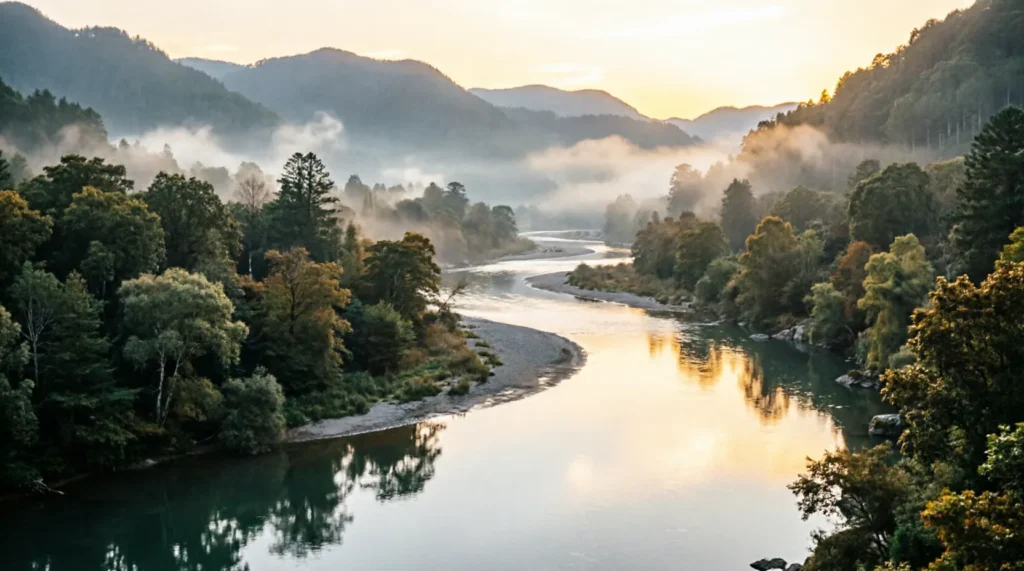
Grab a pencil and look at a photo of a river online or in a book. Write five similes that describe what you see, hear, or imagine.
Simile Swap Game
Work with a friend or classmate. One person writes a plain sentence about a river, and the other transforms it into a simile.
Create a River Poem
Write a short four-line poem using at least two river similes. Try to focus on mood and imagery instead of making everything rhyme.
Drawing and Writing Combo
Draw a river scene, then label different parts with similes. For example, “The water sparkled like crystals.”
Read and Hunt Activity
Find a poem or story that includes river descriptions. Highlight any similes you notice and discuss why they work well.
Timed Writing Challenge
Set a timer for five minutes and write as many river similes as you can. This activity helps you think creatively without worrying too much about perfection.
These activities help you become more comfortable using figurative language naturally in your own writing.
What NOT to Do With Similes for River
There are a few myths and habits that can make your similes weaker. Here is what you should avoid:
Do not force a simile into every sentence
Too many comparisons can overwhelm your reader. Strong writing uses similes carefully.
Do not copy famous similes every time
Popular comparisons are helpful for learning, but your own creative ideas will make your writing stand out more.
Do not make the comparison unrelated to rivers
A river should be compared to something that matches its movement, sound, appearance, or mood.
Do not think similes are only for poetry
You can use similes for river in essays, stories, speeches, and classroom assignments too.
Once you understand these common mistakes, you will feel more confident creating your own original comparisons.
More similes for river by Tone and Context
🌿 Natural & Descriptive
Like a silver ribbon across the land — This simile highlights the graceful shape of a river and works well in nature essays or landscape descriptions.
As steady as a river finding the sea — Use this to show calm determination and the natural flow of life.
Like a mirror beneath the morning sky — This captures the smooth, reflective surface of a peaceful river.
As winding as a forest trail — This emphasizes the twisting path of a river through hills and valleys.
Like a lifeline through the valley — Use this to describe how a river brings life to plants, animals, and nearby communities.
💛 Warm & Emotional
Like a comforting friend who never leaves — This simile expresses the dependable and soothing feeling a river can bring.
As gentle as a mother’s lullaby — Perfect for describing a quiet river that creates a peaceful mood.
Like a memory flowing through the heart — Use this in reflective writing about cherished moments or childhood places.
As welcoming as open arms — This works well when describing a river that makes a place feel inviting and safe.
Like hope flowing after a storm — This symbolizes fresh beginnings and emotional healing.
✨ Poetic & Romantic
Like a whispered promise beneath the moon — This creates a dreamy, romantic image for poems and lyrical writing.
As endless as a dream that never fades — Use this to express the timeless beauty of a river.
Like liquid glass touched by sunlight — This paints a sparkling, elegant picture of the water.
As graceful as a dancer in the wind — This captures the smooth curves and flowing movement of a river.
Like a song carried across the earth — This compares the river’s movement to beautiful music traveling through nature.
😄 Playful & Fun
Like a playground slide for leaves — This playful simile shows leaves happily floating downstream.
As busy as a highway for ducks — Great for humorous descriptions of wildlife on a lively river.
Like a giant snake taking a lazy nap — This compares the winding shape of a river to a relaxed snake.
As chatty as friends at lunchtime — Use this for a bubbling, noisy river full of splashes and sounds.
Like a race track for little paper boats — This is a fun choice for childhood memories and creative stories.
These tone-grouped similes for river give you options for every kind of writing — whether you need something soft and poetic or bold and fun. Try picking one from each group and using them in a short paragraph to see how different the same keyword can feel.
Using similes for river in Real Writing Contexts
In a Descriptive Essay
When describing a landscape or natural setting, a simile can help readers picture the river more clearly. Instead of simply saying the river was beautiful, compare it to something familiar for a stronger image. The river stretched across the valley like a silver ribbon, catching the afternoon sunlight at every turn.
In a Poem
Similes for river help create emotion and mood in poetry by connecting nature with feelings. They can make simple scenes sound more musical and memorable. The river flowed like a whispered promise beneath the moon, carrying silent dreams toward the sea.
In a Story or Creative Scene
In creative writing, a river can reflect a character’s emotions or make the setting feel more alive. A thoughtful simile helps readers experience the scene instead of just reading about it. As Maya crossed the old bridge, the river below shimmered like liquid glass, calming her racing thoughts before the difficult journey ahead.
In a Social Media Caption or Message
A short simile can make a caption feel more creative and eye-catching. It adds personality without making the message too long. Weekend escape 🌊—this river is like a comforting friend, always helping me slow down and breathe.
The more you practice placing similes for river into real sentences, the more natural your writing will sound — and the more your reader will feel exactly what you want them to feel.
Placement Instructions
Insert Section 1 (“More similes for river by Tone and Context”) immediately AFTER the existing main simile list and BEFORE the “How to Use” section.
Insert Section 2 (“Using similes for river in Real Writing Contexts”) immediately AFTER the existing “Similes for River in Poems and Stories” section and BEFORE the “Common Mistakes” section.
Frequently Asked Questions About Similes for River
What is a good simile for a river?
A good river simile creates a clear picture in the reader’s mind. For example, “The river twisted like a silver snake” works well because readers can imagine the river’s shape and movement easily. The best similes match the mood and setting of your writing.
How do you use similes for river in a sentence?
You can place a simile directly into a descriptive sentence. For example: “The river sparkled like diamonds beneath the afternoon sun.” This helps your writing sound more vivid and detailed.
What is the difference between a river simile and a river metaphor?
A simile uses words like “like” or “as” to compare things. A metaphor makes the comparison directly without those words. For example, “The river was a silver snake” is a metaphor, while “The river moved like a silver snake” is a simile.
Why do writers use similes for river descriptions?
Writers use river similes to help readers imagine movement, sound, color, and emotion more clearly. Creative writing teachers often encourage students to use figurative language because it makes stories and poems more engaging.
Are similes for river good for middle school students?
Yes, they are perfect for middle school students because they improve descriptive writing and creative thinking. They also help students prepare for reading comprehension activities, essays, and storytelling assignments.
Learning how to use similes for river can completely change the way your writing sounds. Instead of plain descriptions, you can create scenes that feel vivid, emotional, and memorable.
You explored examples ranging from peaceful rivers “like silk ribbons” to roaring rivers “like thunder.” You also learned how to use similes naturally, avoid common mistakes, and practice through fun activities.
The more you notice rivers in books, movies, songs, or real life, the easier it becomes to create your own comparisons. Your imagination is one of your greatest writing tools.
With practice, you will discover that figurative language is not just for expert writers. You can absolutely learn it too, one creative sentence at a time.
Frequently Asked Questions
What are similes for river and why are they important?▼
Similes for river are comparisons that describe a river using ‘like’ or ‘as’ to create vivid imagery. They are important because they enhance writing by making descriptions more colorful and memorable, helping readers visualize the scene better.
Can you provide some examples of similes for river?▼
Sure! Some examples include ‘The river sparkled like glass in the sunlight’ and ‘The river flowed as smoothly as melted chocolate.’ These comparisons help convey different moods and characteristics of a river.
How can similes improve my writing assignments?▼
Using similes can make your writing more expressive and engaging, which is especially beneficial for essays and creative assignments. They encourage creative thinking and help you avoid generic descriptions, making your work stand out to readers.
In what types of writing can I use similes for river?▼
You can use similes for river in various forms of writing, including poems, essays, short stories, journal entries, and even exam answers. They can add depth and interest to any narrative or descriptive piece.
How do I choose the right simile for the mood of my writing?▼
To choose the right simile, consider the overall mood you want to convey. For example, if you’re describing a calm river in a peaceful poem, select a simile that reflects tranquility, while a dramatic scene might call for a more intense comparison.
What is the benefit of practicing similes in my writing?▼
Practicing similes helps improve your descriptive language skills, making your writing more vivid and engaging. It also enhances your reading comprehension and creative thinking, as you learn to see the world through a more imaginative lens.
How can students effectively practice using similes for river?▼
Students can practice using similes for river by writing descriptive passages that incorporate their own comparisons. They can also engage in fun activities like brainstorming similes in groups or creating poems that focus on different river characteristics.
Why are rivers such a common subject for similes?▼
Rivers are always moving yet always familiar, which makes them a natural stand-in for change, time, and persistence. Writers reach for river similes when they want to describe something constant in motion — like memory, emotion, or the passage of time.
Sara Liu holds a Master’s degree in English Education from the University of Washington and has been an educator for over 15 years. She specializes in curriculum development for elementary and middle school students, with a particular focus on figurative language. Sara’s love for similes and metaphors blossomed when she discovered their power to spark imagination and convey emotion. At SimilePedia, Sara creates engaging worksheets and reference guides that help young learners grasp the nuances of figurative language. Her favorite part of writing content is developing resources that make complex concepts accessible to children. She is passionate about nurturing a love for words and creativity in her students, and her contributions are shaped by this commitment.