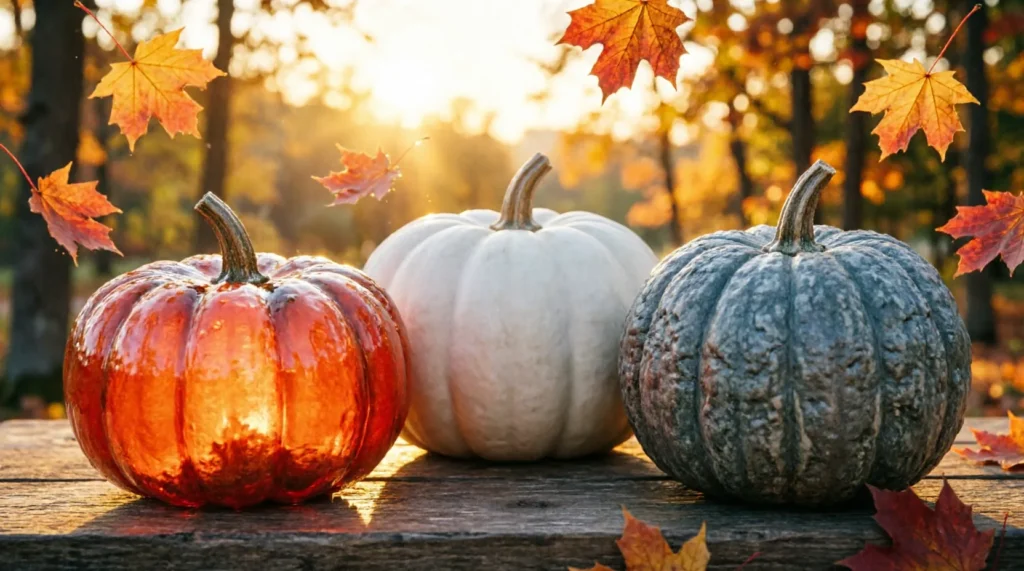
In short, similes for pumpkins are comparisons that use words like “as” or “like” to describe pumpkins in a vivid and memorable way. They help students, teachers, and writers create stronger imagery in stories, poems, and classroom assignments. Keep reading to discover dozens of creative examples, practical writing tips, and fun activities you can try today.
What Are Similes for Pumpkins? (And Why They Matter)
Have you ever stared at a blank page while trying to describe a pumpkin for a story, poem, or school project? Maybe your teacher asked for figurative language, and you knew what a pumpkin looked like but weren’t sure how to make your description more interesting.
Similes for pumpkins compare pumpkins to something else using words such as “like” or “as.” These comparisons help readers picture the pumpkin more clearly and make your writing feel more colorful.
When you use similes, you add life to ordinary descriptions. Instead of simply saying a pumpkin was big, you might say it was “as round as a giant orange balloon.” Suddenly, your reader can imagine it much more easily.
Literacy educators and language arts researchers often encourage students to practice similes because they strengthen descriptive writing, reading comprehension, storytelling, and creative thinking. Once you learn a few good examples, you’ll find it much easier to create your own.
Now that you know what similes for pumpkins are, let’s explore some of the best examples you can use right away.
The Best Examples of Similes for Pumpkins
The pumpkin sat in the garden like a giant orange basketball.
The pumpkin was as round as a full moon.
The pumpkin glowed like a lantern on a dark autumn night.
The pumpkin was as bright as a sunset.
The pumpkin rested in the field like a treasure waiting to be discovered.
The pumpkin was as plump as a pillow.
The pumpkin looked like a giant orange pearl.
The pumpkin was as smooth as polished marble.
The pumpkin rolled across the yard like a runaway bowling ball.
The pumpkin stood out like a beacon in the garden.
The pumpkin was as cheerful as a smiling face.
The pumpkin shined like a golden coin in the sunlight.
The pumpkin was as round as a drum.
The pumpkin sat proudly like a king on a throne.
The pumpkin was as orange as a tiger’s coat.
The pumpkin looked like a glowing planet among the vines.
The pumpkin was as heavy as a sack of books.
The pumpkin rested like a sleeping giant in the patch.
The pumpkin was as sturdy as a stone statue.
The pumpkin glowed like a firefly trapped inside a jar.
The pumpkin was as warm-looking as a campfire.
The pumpkin sat in the garden like a bright orange jewel.
The pumpkin was as welcoming as a front porch light.
The pumpkin looked like a giant scoop of orange ice cream.
The pumpkin rolled like a wheel down a gentle hill.
These examples work well because they create strong mental pictures. Many of them appeal to things you can easily imagine, such as moons, basketballs, lanterns, and jewels.
Good similes for pumpkins also connect to color, shape, size, texture, or mood. The more clearly your reader can picture the comparison, the stronger your writing becomes.
Now let’s look at how you can use these similes naturally in your own work.
How to Use Similes for Pumpkins in Your Writing
Choose the pumpkin feature you want to describe. Think about whether you want to focus on its color, shape, size, weight, or appearance. This helps you pick the most effective comparison.
Compare it to something familiar. Readers understand comparisons more quickly when you compare pumpkins to objects they already know, such as moons, balls, lanterns, or jewels.
Match the mood of your writing. A funny story might use “like a giant orange basketball,” while a poem might use “like a glowing planet among the vines.”
Don’t overuse similes. One or two strong comparisons often create a bigger impact than filling every sentence with figurative language.
Example sentence:
“The pumpkin glowed like a lantern as Maya carried it across the dark yard on Halloween night.”
Once you get comfortable using similes for pumpkins in sentences, you’ll start noticing them naturally in stories and poems.
Similes for Pumpkins in Poems and Stories
Writers often use similes to help readers see scenes more clearly and feel stronger emotions. You can use similes for pumpkins in poems, short stories, descriptive paragraphs, and even song lyrics.
Here’s a short poem example:
The pumpkin shone like a tiny sun, Bright beneath the autumn sky. It sat as round as the harvest moon, While golden leaves drifted by.
Story example:
“Amina spotted a pumpkin as bright as a sunset near the fence. It rested like a sleeping giant among the tangled vines.”
Another story example:
“Daniel carried a pumpkin that felt as heavy as a sack of books. By the time he reached the porch, his arms were shaking.”
Poets and authors use this kind of figurative language because it creates imagery, rhythm, and emotional connection. When you compare a pumpkin to something familiar, your reader instantly forms a picture in their mind.
Before you start creating your own comparisons, it helps to know some common mistakes students make.
More similes for pumpkins by Tone and Context
🌿 Natural & Descriptive
Like a golden lantern in the field — Highlights a pumpkin’s bright color and makes outdoor scenes feel warm and inviting.
As round as the autumn moon — Emphasizes a pumpkin’s perfect shape, making it ideal for seasonal descriptions.
Like a patch of sunshine on the ground — Shows how pumpkins brighten gardens and farms with their rich orange color.
As sturdy as an old tree stump — Captures the solid, dependable feel of a large pumpkin in nature writing.
Like a harvest treasure waiting to be found — Suggests that each pumpkin feels special during the fall season.
💛 Warm & Emotional
Like a hug on a cool October evening — Expresses the comfort and warmth pumpkins often bring during autumn.
As welcoming as a family porch light — Perfect for describing pumpkins as symbols of home and togetherness.
Like a cheerful smile at the front door — Shows how pumpkins make homes feel friendly and inviting.
As comforting as a favorite autumn memory — Works well when writing about nostalgia and seasonal traditions.
Like a gift from the harvest season — Reflects gratitude and appreciation for nature’s abundance.
✨ Poetic & Romantic
Like a glowing heart beneath autumn skies — Creates a gentle, emotional image that fits poems and reflective writing.
As graceful as falling amber leaves — Blends pumpkins into the beauty of the changing season.
Like a quiet promise of harvest — Suggests hope, peace, and the rewards of patience.
As radiant as the first sunset of fall — Highlights the rich orange glow of pumpkins in a poetic way.
Like a jewel resting among golden vines — Paints a vivid picture of pumpkins standing out in a garden.
😄 Playful & Fun
Like a giant orange bowling ball — A funny comparison that focuses on a pumpkin’s round shape.
As bouncy-looking as a cartoon balloon — Adds a playful exaggeration that’s great for younger readers.
Like the king of the pumpkin patch — Makes a large pumpkin sound proud and amusing.
As chubby as a stuffed pillow — Describes a pumpkin’s plump appearance in a lighthearted way.
Like a happy orange giant wearing a green hat — Refers to the stem as a playful “hat,” making the image memorable.
These tone-grouped similes for pumpkins give you options for every kind of writing — whether you need something soft and poetic or bold and fun. Try picking one from each group and using them in a short paragraph to see how different the same pumpkin can feel.
Using similes for pumpkins in Real Writing Contexts
In a Descriptive Essay
When writing about autumn, farms, or seasonal festivals, similes for pumpkins help readers picture the scene more clearly. They add color and make ordinary descriptions feel more lively and memorable. For example: The pumpkin sat in the garden like a golden lantern in the field, glowing brightly beneath the afternoon sun.
In a Poem
Similes for pumpkins can create peaceful, cozy, or magical moods in poetry. They help simple autumn images feel more meaningful and expressive. For example: The pumpkin rested like a glowing heart beneath autumn skies, while quiet winds carried the songs of falling leaves.
In a Story or Creative Scene
A simile can make a setting or moment stand out by adding vivid detail. It helps readers imagine the environment and feel connected to the story. For example: As Maya wandered through the pumpkin patch, the biggest pumpkin stood like the king of the pumpkin patch, making everyone stop and laugh in surprise.
In a Social Media Caption or Message
Short similes make captions more fun and memorable while giving them a creative touch. They are perfect for sharing pumpkin patch visits or fall photos. For example: Found a pumpkin as round as the autumn moon—fall adventures are the best! 🎃🍂
The more you practice placing similes for pumpkins into real sentences, the more natural your writing will sound — and the more your reader will feel exactly what you want them to feel.
Common Mistakes Students Make With Similes for Pumpkins
Using comparisons that don’t make sense A pumpkin should be compared to something that shares a similar quality. If the comparison feels random, readers may become confused.
Forgetting the words “like” or “as” Similes usually include “like” or “as.” Without them, you may accidentally create a metaphor instead.
Repeating the same simile over and over Using “as round as a ball” in every paragraph can make your writing feel repetitive. Try different comparisons to keep your work fresh.
Choosing overly complicated comparisons You don’t need fancy vocabulary. Clear and simple comparisons are often more powerful.
Ignoring the pumpkin’s unique qualities Pumpkins are known for their round shape, bright color, and harvest-season appearance. Focusing on these traits often leads to stronger similes.
These mistakes are completely normal when you’re learning. With practice, you’ll become much more confident at creating your own figurative language.
Fun Activities to Practice Similes for Pumpkins
Pumpkin Comparison Challenge Grab a pencil and list ten things that look, feel, or behave like a pumpkin. Then turn each idea into a simile.
Draw and Describe Draw a pumpkin and write five original similes around the picture. This combines art and writing in a fun way.
Classroom Simile Game Have students take turns describing a pumpkin using a new simile. The person with the most creative comparison wins.
Pumpkin Story Sprint Write a short story that includes at least three similes for pumpkins. Challenge yourself to make each comparison different.
Reading Detective Activity Read a fall-themed book and look for similes. If you find a pumpkin description, discuss why the author chose that comparison.
Simile Worksheet Race Create a worksheet with unfinished comparisons such as “The pumpkin was as round as ______.” Then fill in the blanks with original ideas.
These activities help you practice creativity while making figurative language feel less like homework and more like a game.
What NOT to Do With Similes for Pumpkins
Don’t use comparisons that readers cannot understand. If nobody can picture the comparison, the simile loses its effect.
Don’t force a simile into every sentence. Strong writing uses figurative language carefully rather than constantly.
Don’t copy every example you find online. Creating your own similes helps your writing sound original and personal.
Don’t assume all pumpkin similes must focus on color. Shape, texture, size, weight, and mood can inspire excellent comparisons too.
Understanding what to avoid can make your similes stronger and more effective.
Frequently Asked Questions About Similes for Pumpkins
What is a simile for a pumpkin?
A simile for a pumpkin is a comparison that uses “like” or “as.” For example, “The pumpkin was as round as a full moon” or “The pumpkin glowed like a lantern.”
How do you use similes for pumpkins in a sentence?
You can place the simile directly into a descriptive sentence. For example: “The pumpkin sat in the garden like a bright orange jewel among the vines.”
Why are pumpkins often compared to moons?
Pumpkins and moons share a similar round shape. This comparison creates a clear image that readers can quickly understand and visualize.
Are similes for pumpkins good for elementary and middle school students?
Yes. Similes for pumpkins are simple, visual, and easy to understand. They are commonly used in language arts lessons because students can quickly connect the comparison to a real object.
What is the difference between a pumpkin simile and a pumpkin metaphor?
A simile uses words like “like” or “as,” such as “The pumpkin was as round as a moon.” A metaphor makes a direct comparison, such as “The pumpkin was a harvest moon in the garden.”
Final Thoughts on Similes for Pumpkins
Learning similes for pumpkins is a fun way to make your writing more descriptive and engaging. Whether you’re writing a story, poem, journal entry, or school assignment, these comparisons can help your readers see exactly what you imagine.
You’ve explored dozens of examples, learned practical writing strategies, discovered common mistakes, and found activities you can use to strengthen your skills. Each new simile gives you another tool for expressing your ideas.
Remember that the best similes often come from careful observation. Look at a pumpkin’s shape, color, texture, and size, then think about what else shares those qualities.
With practice, you’ll create original similes that bring your writing to life, and every new comparison will make you a stronger, more confident writer.
Frequently Asked Questions
What are similes for pumpkins and why are they important?▼
Similes for pumpkins are comparisons that use ‘as’ or ‘like’ to vividly describe pumpkins. They are important because they enhance imagery in writing, helping students and writers create more engaging and colorful descriptions.
Can you provide some creative examples of similes for pumpkins?▼
Certainly! Some examples include ‘The pumpkin sat in the garden like a giant orange basketball’ and ‘The pumpkin glowed like a lantern on a dark autumn night.’ These comparisons help readers visualize the pumpkin in relatable and imaginative ways.
How can I use similes for pumpkins in my own writing?▼
To effectively use similes for pumpkins, start by identifying the specific feature you want to describe, such as color or shape. Then, choose a comparison that resonates with your audience to create a stronger mental image.
Why do educators encourage the use of similes in writing assignments?▼
Literacy educators promote the use of similes because they enhance descriptive writing, improve reading comprehension, and encourage creative thinking. Practicing similes allows students to express their ideas more vividly and engage their readers.
What features of pumpkins can be described using similes?▼
You can describe various features of pumpkins using similes, including their color, shape, size, weight, and texture. By focusing on these attributes, you can create more engaging and relatable comparisons.
How do similes enhance storytelling and poetry?▼
Similes enrich storytelling and poetry by adding depth and vivid imagery, making the writing more relatable and engaging for the reader. They help paint a clearer picture in the reader’s mind, enhancing the overall emotional impact of the piece.
Are there any fun activities to practice using similes for pumpkins?▼
Yes, you can engage in activities like writing a descriptive poem or story featuring pumpkins, or even creating a visual art piece inspired by your similes. These activities encourage creativity and help reinforce the use of figurative language.
Liam is a language enthusiast and lead writer at Similepedia.com, where he focuses on creating clear, creative, and easy-to-use similes for everyday writing. He specializes in turning simple ideas into vivid comparisons that make sentences more engaging, expressive, and memorable.
Instead of overcomplicating language with technical jargon, Liam approaches similes as practical tools for better communication. He breaks down how comparisons work, when to use them, and how to make them sound natural — not forced or awkward.
He pays close attention to tone, context, and clarity, ensuring every simile fits smoothly into real sentences. From fun and playful comparisons to more descriptive and expressive ones, Liam helps readers improve how they write, speak, and express ideas.
At Similepedia.com, his mission is simple: make language more colorful and effective without making it complicated. He doesn’t just list similes — he helps readers understand how to use them confidently in real situations.