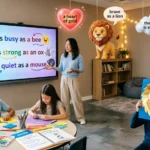
In short, similes for stressed help you describe feelings of pressure, worry, tension, or overwhelm by comparing them to something familiar using words like “as” or “like.” These comparisons make your writing more expressive and easier for readers to understand. Keep reading to discover powerful examples, writing tips, and fun ways to practice using them.
[IMAGE: Student looking overwhelmed while studying with books and notes scattered across a desk]
What Are Similes for Stressed? (And Why They Matter)
Have you ever stared at a blank page and struggled to explain how nervous, overwhelmed, or anxious a character felt? Maybe a teacher asked you to add more detail to your writing, but you weren’t sure where to start.
Similes for stressed are comparisons that help describe stress by connecting it to something readers can easily picture. They usually use the words “like” or “as.”
For example, saying “She was as tense as a stretched rubber band” creates a much clearer image than simply saying “She was stressed.”
These similes matter because they make stories, essays, poems, and personal narratives more vivid. Many literacy educators and language arts researchers encourage students to use figurative language because it strengthens descriptive writing and improves reading comprehension.
When you learn how to use similes for stressed effectively, your writing becomes more engaging, memorable, and emotionally powerful. Let’s explore some of the best examples you can start using right away.
The Best Examples of Similes for Stressed
As stressed as a student facing three exams in one day.
Like a balloon stretched to its limit.
As tense as a guitar string pulled too tight.
Like a squirrel crossing a busy road.
As worried as a sailor in a storm.
Like a computer with too many tabs open.
As nervous as a cat in a room full of rocking chairs.
Like a kettle about to boil over.
As tight as a knot in a shoelace.
Like a deer caught in headlights.
As shaky as a leaf in the wind.
Like a juggler trying not to drop the last ball.
As restless as a bee trapped indoors.
Like a clock racing against time.
As overwhelmed as a backpack stuffed beyond capacity.
Like a tightrope walker in strong winds.
As uneasy as a mouse near a sleeping cat.
Like a phone battery stuck at one percent.
As strained as a bridge carrying too much weight.
Like a duck paddling furiously beneath the water.
As pressured as coal deep underground.
Like a runner sprinting without stopping.
As frazzled as tangled headphones in a pocket.
Like popcorn popping nonstop in a microwave.
As wound up as a toy ready to spring.
Like a storm cloud ready to burst.
As anxious as someone waiting for important news.
Like a spinning top losing balance.
As burdened as a tree bent by heavy snow.
Like a traffic jam during rush hour.
As uneasy as a rabbit hearing footsteps nearby.
Like a candle flickering in a strong breeze.
As trapped as a fish in a shrinking pond.
Like a ship tossed by rough waves.
As exhausted as a marathon runner at the finish line.
Like a puzzle missing its final piece.
As pressured as a diamond forming underground.
Like a backpack filled with bricks.
As nervous as a performer before stepping on stage.
Like a hamster running endlessly on a wheel.
As tense as a rope in a tug-of-war.
Like thunder rumbling before a storm.
As uncomfortable as shoes that are too small.
Like a spinning plate about to fall.
As overloaded as an elevator carrying too many passengers.
Like a trapped bird searching for a way out.
As frantic as someone searching for lost homework.
Like a wave crashing against rocks.
As worried as a gardener watching dark clouds gather.
Like a racing heartbeat before a big speech.
These examples work because they create strong mental pictures. Instead of simply telling readers someone feels stressed, they show what stress looks, sounds, or feels like. Good similes use imagery and emotional detail to help readers connect with the experience.
How to Use Similes for Stressed in Your Writing
Using similes well is easier than many students think. Here are a few simple steps you can follow.
Think about how stress feels. Is it heavy, fast, tight, confusing, or overwhelming? Identifying the feeling helps you find the right comparison.
Find something familiar. Compare stress to an object, animal, situation, or event that shares the same qualities.
Use “like” or “as.” These words signal that you’re creating a simile rather than a literal statement.
Match the simile to the situation. A funny simile may work in a humorous story, while a more serious one may fit a dramatic scene.
Example:
“Amira felt as tense as a stretched rubber band while waiting for her test results.”
Notice how the simile instantly helps you understand her emotions. Once you get comfortable with similes for stressed, you’ll start noticing opportunities to use them in stories, essays, and creative writing assignments.
Similes for Stressed in Poems and Stories
Poets and authors often use similes because they add emotion, rhythm, and vivid imagery. They help readers feel what a character is experiencing instead of simply being told.
Poem Example:
“His thoughts buzzed like trapped bees, Filling his mind with restless noise, While sleep stayed far away.”
Story Example:
“Aisha sat outside the principal’s office, as nervous as a rabbit hearing footsteps in the grass. Every second felt longer than the last.”
Poem Example:
“Mateo’s worries drifted overhead, Like storm clouds gathering before rain, Darkening an otherwise sunny day.”
Story Example:
“Chen gripped the microphone like a sailor holding a rope during a storm. His speech was about to begin.”
Creative writing teachers often encourage students to use similes because they make emotions easier to visualize. When you use similes for stressed thoughtfully, your characters feel more real and relatable.
More similes for stressed by Tone and Context
🌿 Natural & Descriptive
Like a tree bending in a strong wind — Shows someone trying to stay strong while facing constant pressure, making it great for descriptive writing.
As tense as a river before a storm — Captures the feeling of building stress just before something important happens.
Like dry leaves shaking in the breeze — Describes nervousness and uneasiness in a gentle, natural way.
As tight as roots gripping rocky soil — Suggests holding everything together despite difficult circumstances.
Like clouds carrying too much rain — Expresses the sense of being emotionally overloaded and close to breaking.
💛 Warm & Emotional
Like a heart carrying a heavy backpack — Highlights the emotional weight that stress can place on someone.
As worn out as a candle burning all night — Describes exhaustion caused by constant worry or responsibility.
Like a smile hiding behind worried eyes — Shows someone trying to appear cheerful while feeling stressed inside.
As restless as a child waiting for important news — Captures anxious anticipation in a relatable, heartfelt way.
Like hands holding too many fragile things — Suggests feeling overwhelmed by responsibilities and afraid of making mistakes.
✨ Poetic & Romantic
Like moonlight trapped behind dark clouds — Suggests hope and beauty hidden beneath stressful moments.
As quiet as a violin before the first note — Creates a feeling of tense silence before an emotional event.
Like a bird searching for a place to land — Expresses the longing to find peace after a stressful time.
As delicate as a flower standing through heavy rain — Emphasizes quiet strength even while facing pressure.
Like waves whispering against a lonely shore — Paints stress as a gentle but constant emotional presence.
😄 Playful & Fun
Like a phone with one percent battery — A funny way to describe feeling close to running out of energy.
As busy as a squirrel collecting every nut in the forest — Perfect for describing a packed schedule with humor.
Like popcorn popping in every direction — Shows thoughts racing wildly from one idea to another.
As tangled as a box of holiday lights — A lighthearted way to describe a stressful, confusing situation.
Like a hamster running on an endless wheel — Describes working hard without feeling like you’re getting anywhere.
These tone-grouped similes for stressed give you options for every kind of writing — whether you need something soft and poetic or bold and fun. Try picking one from each group and using them in a short paragraph to see how different the same keyword can feel.
Using similes for stressed in Real Writing Contexts
In a Descriptive Essay
When describing a stressful moment in school, sports, or everyday life, a simile helps readers picture the feeling more clearly. Instead of simply saying someone was stressed, compare that feeling to something familiar and vivid. For example: Before the final presentation, I felt like clouds carrying too much rain, ready to burst at any moment.
In a Poem
Similes for stressed can create mood and help readers connect with emotions through imaginative comparisons. They make simple feelings sound more memorable and expressive. For example: My thoughts drifted like a bird searching for a place to land, while silence wrapped around my heart.
In a Story or Creative Scene
In stories, similes can reveal how a character feels without directly stating it. They add emotion to scenes and help readers understand the pressure a character is facing. For example: Emma gripped the letter as tightly as roots gripping rocky soil, afraid that one more surprise would shake her confidence.
In a Social Media Caption or Message
Short similes work well in captions and messages because they quickly express a feeling in a creative way. They make everyday updates more engaging and relatable. For example: This week has me feeling like a phone with one percent battery—but I’m still going!
The more you practice placing similes for stressed into real sentences, the more natural your writing will sound — and the more your reader will feel exactly what you want them to feel.
Common Mistakes Students Make With Similes for Stressed
Using comparisons that don’t match stress Sometimes students compare stress to something calm or unrelated. Make sure your comparison reflects tension, pressure, worry, or anxiety.
Overusing the same simile Repeating “as nervous as a cat” throughout your writing can become predictable. Try different images to keep your work fresh.
Making similes too complicated A good simile should be easy for readers to understand. If the comparison takes too much explanation, simplify it.
Confusing similes with metaphors Similes use “like” or “as.” Metaphors make a direct comparison without those words.
Choosing clichés without adding originality Common expressions can be useful, but creative comparisons often make your writing stand out more.
These mistakes are completely normal when you’re learning. With practice, you’ll become more confident in choosing strong and effective similes.
Fun Activities to Practice Similes for Stressed
Stress Simile Challenge Grab a pencil and list ten stressful situations. Then create a unique simile for each one.
Draw and Describe Draw a picture representing stress, then write three similes that match your drawing.
Simile Match-Up Game Play with friends or classmates by matching emotions to suitable similes as quickly as possible.
Story Starter Exercise Write a short story beginning with: “I was as stressed as…” and continue for one paragraph.
Reading Detective While reading books, highlight or write down any similes that describe stress, worry, or nervousness.
Worksheet Race Create a worksheet with unfinished similes and challenge yourself to complete them creatively within five minutes.
Practicing in different ways helps you remember figurative language and makes learning much more enjoyable.
What NOT to Do With Similes for Stressed
Don’t force a simile into every sentence. Too many similes can distract readers and make your writing feel crowded.
Don’t use confusing comparisons. If readers cannot picture the image, the simile may not be effective.
Don’t assume bigger words make better similes. Simple and clear comparisons are often more powerful than complicated ones.
Don’t treat all stress the same. Some situations involve mild nervousness, while others involve intense pressure. Choose a simile that matches the level of emotion.
Frequently Asked Questions About Similes for Stressed
What is a simile for stressed?
A simile for stressed compares feelings of pressure, worry, or tension to something else using “like” or “as.” An example is “as tense as a stretched rubber band.” The comparison helps readers visualize the emotion.
How do you use similes for stressed in a sentence?
You can place the simile directly after describing a character’s feelings. For example, “Jamal was as nervous as a cat in a room full of rocking chairs before his presentation.”
What is the difference between a simile and a metaphor for stress?
A simile uses words like “like” or “as,” while a metaphor makes a direct comparison. “She was like a kettle about to boil over” is a simile, while “She was a boiling kettle” is a metaphor.
Are similes for stressed appropriate for school writing?
Yes. They are commonly used in creative writing, personal narratives, poems, and descriptive essays. Teachers often encourage them because they add detail and help readers understand emotions.
Why do writers use similes for stressed?
Writers use them to create vivid imagery and emotional connection. A strong simile allows readers to picture and feel the stress a character experiences rather than simply reading about it.
Final Thoughts on Similes for Stressed
Learning how to use similes for stressed can transform ordinary writing into something much more vivid and engaging. Instead of simply saying a character feels worried or overwhelmed, you can paint a picture that readers instantly understand.
Throughout this guide, you’ve explored dozens of examples, learned practical writing strategies, discovered common mistakes to avoid, and practiced ways to build your own comparisons.
Remember that the best similes come from observation and creativity. When you notice how stress feels in real life, you can turn those experiences into powerful images on the page.
With practice, patience, and a little imagination, you can master similes for stressed and make your writing stronger, clearer, and more memorable. Happy writing, and enjoy exploring the colorful world of figurative language.
Frequently Asked Questions
What are similes for stressed and why are they important?▼
Similes for stressed are comparisons that express feelings of pressure or anxiety by likening them to familiar images using ‘like’ or ‘as’. They enhance descriptive writing, making it more vivid and relatable for readers.
Can you provide some examples of similes for stressed?▼
Sure! Some examples include ‘As tense as a guitar string pulled too tight’ and ‘Like a kettle about to boil over’. These comparisons create strong mental images that convey the intensity of stress.
How can similes improve my writing?▼
Using similes can make your writing more engaging and emotionally powerful by allowing readers to visualize feelings and situations. They also help clarify complex emotions, making your narrative easier to understand.
Why do educators encourage the use of figurative language like similes?▼
Educators promote figurative language because it strengthens descriptive writing and enhances reading comprehension. Similes provide a way for students to express emotions and ideas in a more compelling manner.
What writing tips can I use to effectively incorporate similes in my work?▼
To use similes effectively, choose comparisons that are relatable and vivid for your audience. Practice by brainstorming familiar images that resonate with the feelings you want to convey, and ensure they fit naturally within your narrative.
How can I practice using similes for stressed in my writing?▼
You can practice by writing short descriptions of stressful scenarios and then creating similes to depict those feelings. Try using the examples from the article as inspiration to develop your unique comparisons.
What are some common themes associated with similes for stressed?▼
Common themes include pressure, anxiety, and overwhelming situations, often depicted through relatable imagery like nature, objects, or everyday experiences. These themes help connect with readers on an emotional level.
Sara Liu holds a Master’s degree in English Education from the University of Washington and has been an educator for over 15 years. She specializes in curriculum development for elementary and middle school students, with a particular focus on figurative language. Sara’s love for similes and metaphors blossomed when she discovered their power to spark imagination and convey emotion. At SimilePedia, Sara creates engaging worksheets and reference guides that help young learners grasp the nuances of figurative language. Her favorite part of writing content is developing resources that make complex concepts accessible to children. She is passionate about nurturing a love for words and creativity in her students, and her contributions are shaped by this commitment.