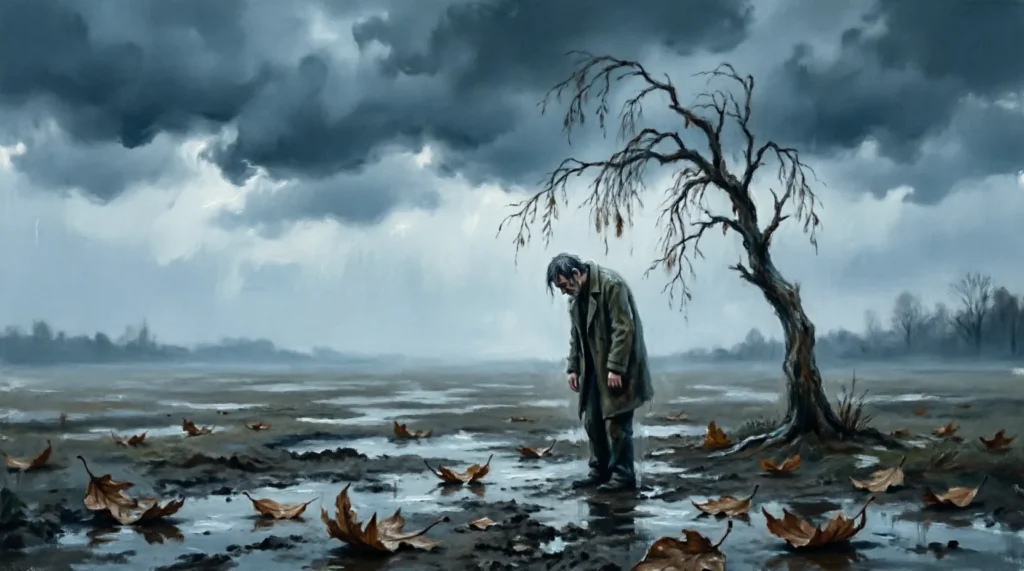
In short, similes for miserable are creative comparisons that help you describe sadness, disappointment, loneliness, or emotional pain in a vivid way. They make your writing feel more emotional and real, whether you are working on a school essay, poem, or story. As you read on, you’ll discover strong examples, writing tips, and fun practice ideas you can start using today.
What Are Similes for Miserable? (And Why They Matter)
Have you ever stared at your notebook during class, trying to describe a sad character but only writing “he was sad” over and over again? A lot of students run into this problem when they want their writing to sound more emotional and interesting.
Similes for miserable are comparisons that use words like “as” or “like” to describe deep sadness or unhappiness. They help readers picture emotions more clearly instead of just hearing simple words like “sad” or “upset.”
For example, saying “She felt as miserable as a bird trapped in a cage” creates a much stronger image than simply saying “She was unhappy.” Your reader can almost feel the emotion.
Language arts educators often encourage students to use similes because they improve storytelling, creative thinking, and reading comprehension. When you use strong figurative language, your writing becomes more memorable and expressive.
Once you understand how these similes work, you can start building emotional scenes that truly connect with your readers.
The Best Examples of Similes for Miserable
[IMAGE: Student writing emotional similes in a notebook]
He looked as miserable as a puppy left out in the rain.
She felt like a candle slowly melting away in the dark.
His face was as gloomy as a stormy winter sky.
I felt as miserable as a broken toy forgotten under the bed.
She sat there like a flower wilting without sunlight.
He was as unhappy as a singer who had lost their voice.
Her heart felt like an empty hallway after school ends.
He looked as miserable as a kid missing the last school bus.
She felt like a balloon losing all its air.
His mood was as dark as midnight without stars.
I felt as miserable as a snowman melting in warm rain.
She sounded like a piano playing out-of-tune notes.
He wandered around like a ghost with nowhere to go.
Her smile faded like chalk washed away by rain.
He looked as miserable as a cat caught in a thunderstorm.
She felt like a lonely island in the middle of the ocean.
His thoughts were as heavy as wet clothes in winter.
I was as miserable as a phone with a dead battery during an emergency.
She looked like a cloud ready to burst with rain.
He felt as hopeless as a kite tangled in power lines.
Her voice cracked like dry leaves under footsteps.
He sat quietly like a forgotten book on a dusty shelf.
She felt as miserable as ice cream dropped on a hot sidewalk.
His eyes looked like windows with all the lights turned off.
I felt as empty as a playground after sunset.
She seemed like a song no one wanted to hear anymore.
He looked as miserable as a soaked backpack on a school trip.
Her sadness spread like fog across a cold morning.
He felt as trapped as a fish in a tiny bowl.
She looked like a candle blown out too soon.
His heart felt as cold as abandoned stone steps in winter.
I was as miserable as a student who studied the wrong chapter.
She drifted around like a leaf separated from its tree.
He sounded as tired as rain tapping on a lonely window.
Her expression was like sunshine disappearing behind clouds.
He looked as miserable as a soccer player missing the winning goal.
She felt as lost as a map with no directions.
His sadness hung over him like a heavy backpack.
I felt like a shadow fading at sunset.
She looked as miserable as burnt toast at breakfast.
He moved around like a robot running out of power.
Her silence felt like snow covering everything.
He seemed as miserable as a bird flying through a storm.
She looked like a diary filled with erased memories.
His emotions crashed like waves during a hurricane.
These examples work well because they use clear imagery and familiar experiences. You can picture the sadness through weather, objects, animals, and everyday situations.
Literacy educators often explain that emotional similes become stronger when they connect feelings to things readers already understand. That is why vivid sensory details make such a big difference.
Now that you have plenty of examples, you can learn how to use them naturally in your own writing.
How to Use Similes for Miserable in Your Writing
Using similes for miserable becomes much easier when you focus on emotion, detail, and timing. Here are simple ways you can improve your writing right away.
Think about the exact type of sadness you want to show.
Is your character lonely, disappointed, embarrassed, or heartbroken? Different emotions create different similes. A lonely character might feel “like an empty house,” while a disappointed character might feel “like a popped balloon.”
Compare the emotion to something readers recognize.
The best similes use common experiences your audience understands. You want readers to instantly picture the feeling in their minds.
Do not overuse similes in every sentence.
Too many comparisons can make your writing feel crowded. Use one strong simile during important emotional moments instead of adding one everywhere.
Match the simile to the mood of your story.
Funny stories can use playful similes, while serious stories may need darker imagery. Your simile should fit the scene naturally.
Example sentence:
“After losing the competition, Amir sat quietly on the bench, as miserable as a wilted flower after a heatwave.”
As you practice, you will notice your descriptions becoming more emotional and memorable.
Similes for Miserable in Poems and Stories
[IMAGE: Young student writing poetry beside a rainy window]
Poets and storytellers often use similes for miserable to help readers feel emotion more deeply. These comparisons create mood, rhythm, and imagery that simple descriptions cannot always achieve.
Here are a few short fictional examples.
Aisha’s poem:
“Her heart drifted like a lonely boat at sea, silent beneath the gray evening sky.”
Mateo’s story sentence:
“After the argument, Mateo walked home as miserable as a stray dog searching for shelter in the rain.”
Zara’s journal entry:
“I felt like a candle flickering in the wind, trying hard not to disappear.”
Creative writing teachers often encourage students to experiment with emotional similes because they make poems and stories feel alive. When you use comparisons carefully, your readers connect more strongly with your characters and ideas.
Before you start writing your own similes, it helps to know the common mistakes many students make.
More similes for miserable by Tone and Context
🌿 Natural & Descriptive
As miserable as a flower buried under snow — Captures a feeling of being hidden, cold, and unable to bloom, making it great for descriptive writing.
Like a lonely tree in a winter field — Shows deep isolation and sadness in nature-based descriptions.
As miserable as a dried-up riverbed — Suggests emptiness and the loss of joy after happier times.
Like dark clouds covering the morning sun — Describes misery that overshadows hope or happiness.
As miserable as leaves swept away by a storm — Expresses feeling powerless and carried away by difficult events.
💛 Warm & Emotional
As miserable as a child missing home — Highlights homesickness and emotional longing in personal writing.
Like a heart carrying too many worries — Shows emotional pain and stress in a gentle, relatable way.
As miserable as someone waiting for a letter that never comes — Describes disappointment mixed with hope.
Like tears hiding behind a smile — Works well when someone is trying to hide their sadness.
As miserable as a friend left behind — Expresses loneliness and the hurt of feeling forgotten.
✨ Poetic & Romantic
Like a moon fading behind silent clouds — Creates a soft, dreamy image of sadness for poems.
As miserable as a song with no ending — Suggests emotional emptiness and unfinished feelings.
Like a candle trembling in the wind — Captures fragile emotions and uncertainty.
As miserable as a rose losing its petals — Symbolizes beauty fading because of sorrow.
Like an echo lost in the mountains — Describes loneliness and feelings that seem unheard.
😄 Playful & Fun
As miserable as a phone with a 1% battery — A humorous way to describe feeling completely worn out.
Like a cat stuck in a bathtub — Adds a funny image of discomfort and frustration.
As miserable as socks in a rain puddle — Perfect for lighthearted conversations or social posts.
Like an ice cream cone dropped on the sidewalk — Describes sudden disappointment with a playful twist.
As miserable as a balloon losing all its air — Shows energy and excitement disappearing in a fun, simple way.
These tone-grouped similes for similes for miserable give you options for every kind of writing — whether you need something soft and poetic or bold and fun. Try picking one from each group and using them in a short paragraph to see how different the same keyword can feel.
Using similes for miserable in Real Writing Contexts
In a Descriptive Essay
When writing about a difficult experience or describing a person’s emotions, similes for miserable help readers picture those feelings more clearly. They make ordinary descriptions more vivid and memorable. For example: After losing the championship game, Ben looked as miserable as a flower buried under snow, unable to smile or speak.
In a Poem
Similes for miserable can create a quiet, emotional mood in poetry by comparing sadness to meaningful images. They help readers connect with the feelings behind each line. Like a moon fading behind silent clouds, my hope slipped softly into the night.
In a Story or Creative Scene
In stories, similes for miserable bring characters and scenes to life by showing emotions instead of simply telling them. Readers can better imagine how a character feels during an important moment. Emma stood at the empty bus stop, as miserable as someone waiting for a letter that never comes, wondering if anyone would remember her.
In a Social Media Caption or Message
A short simile can quickly express disappointment or sadness while still sounding creative and relatable. It adds personality to casual writing without making it too serious. Today’s mood: as miserable as a phone with a 1% battery… I definitely need a fresh start tomorrow.
The more you practice placing similes for miserable into real sentences, the more natural your writing will sound — and the more your reader will feel exactly what you want them to feel.
Common Mistakes Students Make With Similes for Miserable
Using clichés too often
Some students rely on overused comparisons like “sad as a clown.” Familiar similes are okay sometimes, but your writing becomes stronger when you create fresh images.
Mixing emotions that do not fit
A simile about happiness inside a sad scene can confuse readers. Make sure your comparison matches the emotional mood of your writing.
Making similes too long
If your simile turns into a giant explanation, readers may lose focus. Try to keep your comparison short and clear.
Forgetting to use “like” or “as”
A simile needs comparison words such as “like” or “as.” Without them, you may accidentally create a metaphor instead.
Choosing examples that feel unrealistic
Saying someone was “as miserable as a volcano” may not make emotional sense. Pick comparisons that readers can easily understand and feel.
These mistakes are completely normal when you are learning. The good news is that practice helps your similes become more natural over time.
Fun Activities to Practice Similes for Miserable
[IMAGE: Classroom students playing a figurative language game]
Create a “sadness simile challenge.”
Grab a pencil and write five different similes for miserable in two minutes. Try to use weather, animals, food, and school situations.
Draw and describe.
Draw a sad character, then write three similes describing how they feel. Combining art and writing helps many students think creatively.
Play classroom guessing games.
One student reads a simile aloud while others guess the emotion being described. This activity makes figurative language feel more interactive.
Rewrite boring sentences.
Take plain sentences like “She was sad” and turn them into vivid similes. You can challenge yourself to create the strongest image possible.
Read poems and highlight similes.
Find a short poem or story and underline every simile connected to sadness or misery. This helps you notice how professional writers use figurative language naturally.
Create your own worksheet.
Write ten emotional situations, then match each one with a simile. You can even swap worksheets with friends or classmates for extra practice.
The more you play with figurative language, the easier it becomes to use in everyday writing.
What NOT to Do With Similes for Miserable
Do not force a simile into every paragraph.
Strong writing needs balance. Sometimes a simple sentence works better than a comparison.
Do not copy every simile from the internet.
Readers enjoy original ideas. Use examples for inspiration, but try creating your own images too.
Do not confuse similes with metaphors.
A simile uses “like” or “as,” while a metaphor compares things directly. Mixing them up is a very common mistake.
Do not make every miserable simile dramatic.
Not all sadness is extreme. Some scenes need quiet, gentle comparisons instead of overly dark ones.
When you avoid these habits, your writing sounds more natural and emotionally believable.
Frequently Asked Questions About Similes for Miserable
What is a good simile for miserable?
A good simile for miserable clearly compares sadness to something readers can imagine easily. For example, “as miserable as a flower without sunlight” creates a strong emotional picture. The best similes feel natural and relatable.
How do you use similes for miserable in a sentence?
You can place the simile directly after describing a feeling or action. For example: “Lena walked through the hallway like a shadow drifting through fog.” This helps readers picture the emotion more clearly.
What is the difference between a simile and a metaphor for miserable?
A simile uses “like” or “as” to compare things, while a metaphor compares them directly. Saying “He was like a sinking ship” is a simile. Saying “He was a sinking ship” is a metaphor.
Why do writers use similes for miserable?
Writers use them to create stronger emotions and clearer imagery. Instead of simply telling readers someone feels sad, similes help readers experience the feeling visually and emotionally.
Are similes for miserable good for middle school students?
Yes, they are excellent for middle school writing because they improve creativity and descriptive skills. Language arts educators often use emotional similes to help students write stronger stories and essays.
Final Thoughts on Similes for Miserable
Learning how to use similes for miserable can completely change the way your writing sounds and feels. Instead of flat descriptions, you can create emotional scenes that readers truly remember.
You explored dozens of examples, learned practical writing tips, and discovered ways to practice figurative language in fun and creative ways. These skills can help you in school assignments, poems, stories, and even personal journals.
Remember, great similes do not have to sound fancy. The best comparisons are often simple, honest, and easy to imagine. The more you practice, the more confident you will become.
Your writing voice matters, and every new simile you create helps bring your ideas to life in a stronger way.
Frequently Asked Questions
What are similes for miserable and why are they important?▼
Similes for miserable are creative comparisons that vividly describe emotions like sadness or disappointment using ‘as’ or ‘like’. They enhance writing by painting clearer emotional pictures for readers, making stories more engaging and relatable.
Can you provide examples of similes for miserable?▼
Sure! Some examples include ‘He looked as miserable as a puppy left out in the rain’ and ‘She felt like a candle slowly melting away in the dark’. These comparisons evoke strong imagery that conveys deep emotional states.
How can similes improve my writing?▼
Using similes can significantly enhance your storytelling by adding emotional depth and vividness to your descriptions. They help readers connect with characters and situations on a more profound level, making your writing more memorable.
What writing tips are included in the article for using similes effectively?▼
The article emphasizes the importance of using strong, relatable images when crafting similes. It encourages writers to think creatively and draw on personal experiences to find comparisons that resonate with readers.
How can I practice using similes for miserable in my own writing?▼
You can practice by brainstorming emotions you want to convey and then thinking of relatable comparisons. Try writing down different scenarios or feelings and crafting similes that capture those emotions vividly.
What role do similes play in language arts education?▼
Language arts educators often promote the use of similes because they enhance creative thinking and improve reading comprehension. They are a valuable tool for students to express emotions and craft engaging narratives.
How can I ensure my similes are impactful and not clichéd?▼
To make your similes impactful, focus on unique and fresh comparisons that resonate with your personal experiences. Avoid overused phrases and aim for originality to create stronger emotional connections with your readers.
Jamal Rodriguez is a poet and author who has been writing professionally for over a decade. With a Bachelor’s degree in Creative Writing, Jamal’s expertise lies in the use of vivid imagery and emotional depth in poetic language. Fascinated by the limitless possibilities of similes and metaphors, he joined SimilePedia to share his knowledge with budding writers. Jamal focuses on creating content for creative writers and poets, helping them understand the emotional resonance that figurative language can evoke. Through his work, he aims to inspire others to explore their own creative boundaries and embrace the beauty of language as an art form. His contributions include a range of exercises that stimulate imagination across all grade levels.