In short, similes for best help you compare something outstanding to another familiar image using the words “like” or “as.” They make your writing more vivid, memorable, and fun to read. Keep reading to discover creative examples, writing tips, and easy practice ideas you can use right away.
What Are the Similes for Best? (And Why They Matter)
Have you ever stared at a blank page, trying to explain that someone is the best, but all you could think of was writing, “She was really good”? You’re not alone. Many students want stronger words but aren’t sure how to make their writing more exciting.
Similes for best are comparisons that describe someone or something as outstanding by using “like” or “as.” They help you paint a clear picture in your reader’s mind instead of simply saying something is excellent.
When you use these similes, your stories, essays, poems, and classroom assignments become more colorful. They also help your reader imagine exactly what you mean without needing extra explanation.
Language arts researchers and literacy educators often encourage students to use figurative language because it strengthens descriptive writing, improves reading comprehension, and builds creative thinking. Once you know a few great similes, you can use them in many different types of writing.
[IMAGE: Student writing creative similes in a notebook]
The Best Examples of the Similes for Best
Here are some creative similes for best that you can use in stories, poems, essays, and everyday writing.
As bright as the morning sun.
Like the brightest star in the night sky.
As reliable as the sunrise.
Like a champion crossing the finish line.
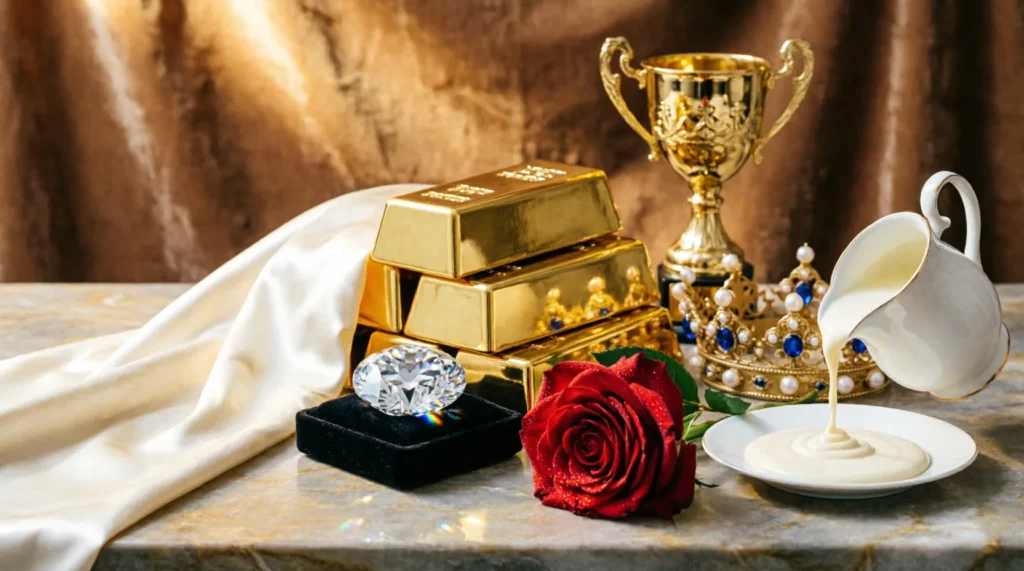
As rare as a flawless diamond.
Like the tallest tree in the forest.
As dependable as your favorite teacher.
Like gold among ordinary stones.
As sweet as fresh honey.
Like a superhero saving the day.
As strong as an ancient oak.
Like the winning goal in a championship game.
As valuable as buried treasure.
Like the first flower of spring.
As smooth as silk.
Like a lighthouse guiding lost ships.
As unforgettable as a rainbow after rain.
Like the final puzzle piece fitting perfectly.
As joyful as children on the last day of school.
Like a king wearing a shining crown.
As perfect as a full moon on a clear night.
Like the happiest memory you can imagine.
As inspiring as a soaring eagle.
Like the calm after a storm.
As extraordinary as a shooting star.
These examples work because they create clear mental pictures. Instead of simply saying something is “the best,” you help your reader imagine excellence through familiar images, emotions, and experiences. That’s what makes figurative language so memorable.
Now that you have plenty of ideas, let’s learn how you can use them naturally in your own writing.
How to Use the Similes for Best in Your Writing
You don’t have to use fancy words to write well. You simply need the right comparison at the right moment.
Choose a comparison your reader already understands. A sunrise, a diamond, or a rainbow creates a clear picture.
Match the simile to your topic. If you’re writing about a brave friend, compare them to something strong or courageous instead of something sweet.
Don’t overuse similes. One or two strong comparisons often make a bigger impact than filling every sentence with them.
Read your sentence aloud. If it sounds natural and easy to understand, you’ve probably chosen a good simile.
Example:
“My grandmother’s advice was as valuable as buried treasure, helping me whenever life became difficult.”
As you keep practicing, you’ll find it easier to choose comparisons that fit your own writing style.
Similes for Best in Poems and Stories
Creative writers love using similes for best because they help readers feel emotions and picture scenes more clearly.
Aisha wrote:
“Your smile shines like the morning sun, Making every cloudy day feel bright.”
Miguel described his soccer captain:
“Our captain stood like a lighthouse during the storm, guiding every player with confidence.”
Priya ended her story with:
“Winning that science fair felt as wonderful as finding a hidden treasure after a long adventure.”
Poets and authors often use similes because they add rhythm, emotion, and memorable imagery. When you read these comparisons, you can almost see and feel the moment yourself.
Next, let’s look at a few mistakes that many students make—and how you can avoid them.
Common Mistakes Students Make With the Similes for Best
Using comparisons that don’t fit. Saying something is “as best as a pencil” doesn’t create a meaningful image. Choose comparisons that clearly suggest excellence.
Repeating the same simile every time. Using “as good as gold” in every paragraph becomes boring. Try different images to keep your writing fresh.
Making the comparison too confusing. If your reader has to stop and figure out what the simile means, it probably isn’t helping your writing.
Forgetting the words “like” or “as.” Remember that similes use these comparison words. Without them, you may accidentally write a metaphor instead.
Using a simile just because it sounds fancy. Every simile should help explain your idea. If it doesn’t make your writing clearer, it’s okay to leave it out.
Everyone makes these mistakes while learning. The more you read and write, the easier it becomes to choose effective comparisons.
Now let’s make learning even more enjoyable with some creative activities.
Fun Activities to Practice the Similes for Best
Create a Simile Challenge Grab a pencil and write ten different ways to describe your favorite person using similes. Try not to repeat any comparisons.
Illustrate Your Favorite Simile Draw the picture that comes to mind when you read a simile like “as bright as the morning sun.” Then write a short paragraph using it.
Group Guessing Game One student reads a simile without saying what it describes. Everyone else guesses what could be “the best.”
Reading Detective Find five similes in a novel, poem, or children’s story. Discuss why the author chose those comparisons.
Story Builder Worksheet Create a short story that includes at least five similes for best. Challenge yourself to make each one different.
These activities help you practice naturally while making writing feel more like play than homework.
What NOT to Do With the Similes for Best
Don’t believe every sentence needs a simile. Great writing mixes simple sentences with descriptive ones. Too many similes can distract your reader.
Don’t choose impossible comparisons. Your similes should make sense to your audience. A clear image is always stronger than a confusing one.
Don’t copy famous similes without thinking. Classic comparisons are useful, but creating your own original ideas makes your writing stand out.
Don’t assume “best” always means perfect. Sometimes something can be the best because it is kind, helpful, brave, or meaningful—not because it has no flaws.
Keeping these tips in mind will help you write with confidence and creativity.
Frequently Asked Questions About Similes for Best
What is a simile for best?
A simile for best compares someone or something excellent to another familiar object using “like” or “as.” For example, “as bright as the morning sun” or “like a shining star.”
How do you use similes for best in a sentence?
You can place the comparison where it naturally describes your subject. For example, “Her artwork was as beautiful as a rainbow after the rain.”
What is the difference between a simile and a metaphor for best?
A simile uses “like” or “as” to compare two things. A metaphor says one thing is another without using those comparison words.
Are similes for best suitable for elementary and middle school students?
Yes. Many similes for best are simple enough for younger students while still helping older students improve descriptive writing. You can choose easier or more advanced comparisons depending on your grade level.
Why do writers use similes for best?
Writers use them to make descriptions more interesting, emotional, and memorable. Creative writing teachers and literacy researchers agree that vivid comparisons help readers connect more deeply with a story.
Final Thoughts on the Similes for Best
Learning similes for best gives you an easy way to replace ordinary descriptions with colorful, memorable comparisons. Whether you’re writing a school essay, a poem, or a short story, these examples can make your ideas shine.
You explored dozens of creative similes, learned how to use them correctly, discovered common mistakes, and found fun ways to practice. Every new comparison you learn becomes another helpful tool for your writing.
Remember that you don’t need perfect words every time you write. You simply need comparisons that help your reader picture what you mean.
Keep practicing, keep reading, and keep experimenting with new similes. Your writing will grow stronger with every sentence you create.
Liam Nguyen is a passionate educator and writer with a deep love for figurative language. He holds a master’s degree in Creative Writing and has spent eight years teaching at various educational settings, focusing on language enrichment programs for children from grades 2-6. His expertise in crafting metaphorical language and similes into captivating content stems from his belief that storytelling is the heartbeat of learning. Liam’s contributions to SimilePedia span from emotion-driven examples to color-inspired narrative tools. He is committed to fostering a creative environment where students can explore and find joy in their unique expressions.