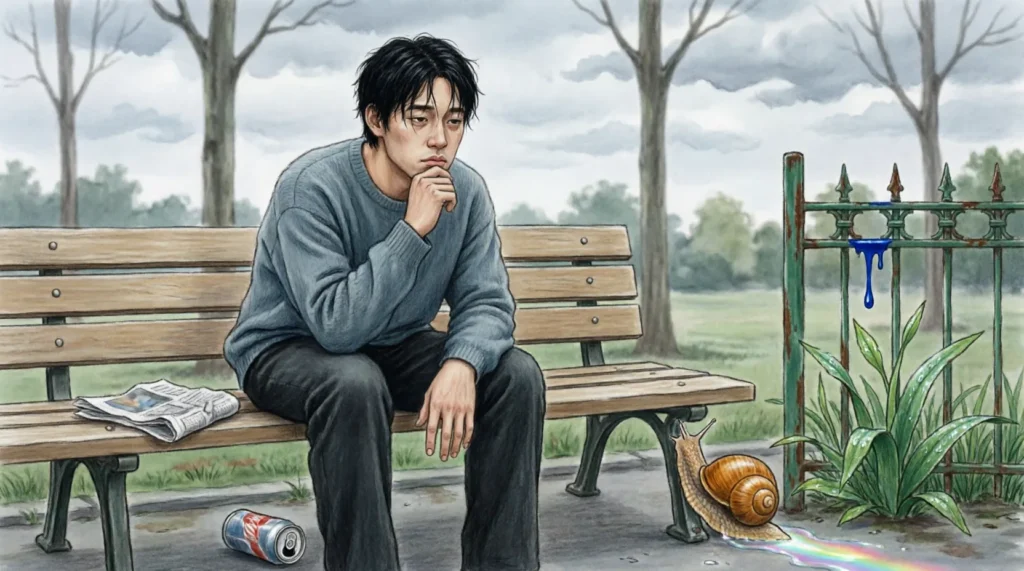
In short, similes for being bored compare the feeling of boredom to something familiar, making it easier for readers to picture and understand. Whether you’re writing a story, poem, or school assignment, these examples will help you describe boredom in fun and memorable ways. Keep reading to discover creative ideas you can use right away.
What Are Similes for Being Bored? (And Why They Matter)
Imagine you’re writing a story, and your teacher asks you to describe a character who is bored. You know they aren’t having fun, but simply writing “he was bored” feels plain. You want your reader to feel that boredom too.
Similes for being bored are comparisons that use the words “like” or “as” to describe boredom in a vivid way. Instead of saying someone is bored, you compare the feeling to something else that readers can easily imagine.
These comparisons make your writing more interesting and help readers connect with your ideas. They also improve reading comprehension because the images are easier to picture in your mind. Many language arts researchers and literacy educators encourage students to use similes because they add color and emotion to everyday writing.
Once you understand how these similes work, you’ll notice them in books, poems, and even conversations. Let’s explore some of the best examples you can use.
The Best Examples of Similes for Being Bored
[IMAGE: Student daydreaming while looking out a classroom window]
I was as bored as a snail crossing an empty road.
She looked as bored as a cat watching paint dry.
He felt like a clock ticking in an empty room.
I was as bored as a rainy day with no books.
They sat like statues waiting forever to move.
She was as bored as a fish in a tiny bowl.
He stared like a balloon with all the air gone.
I felt as bored as a pencil with nothing to write.
The meeting was like watching grass grow.
She looked as bored as a robot repeating the same task.
He sat like a leaf floating without direction.
I was as bored as an unplugged television.
They waited like travelers stuck at a closed station.
She felt as bored as a toy with no batteries.
He looked like a kite with no wind.
I was as bored as a bookshelf with no readers.
She waited like a phone with no signal.
He seemed as bored as an actor waiting behind the curtain for hours.
I felt like an empty notebook left unopened.
She looked as bored as a snowman in the middle of summer.
He waited like a bicycle with flat tires.
I was as bored as a cookie jar with nothing inside.
They looked like clouds hanging still in the sky.
She sat as bored as a student counting ceiling tiles.
He felt like a train stopped on the tracks.
These examples work because they create clear mental pictures. Instead of simply saying someone is bored, you help your readers imagine the feeling through familiar objects, situations, and experiences. The stronger the image, the more memorable your writing becomes.
How to Use Similes for Being Bored in Your Writing
Once you know several similes, the next step is learning how to use them naturally.
Think about what kind of boredom your character feels. Is it slow, frustrating, or sleepy? Pick a simile that matches the mood.
Choose comparisons your readers will understand. Everyday objects often create the strongest images.
Don’t overuse similes. One or two strong comparisons usually have more impact than filling every sentence with them.
Read your sentence aloud. If it sounds natural and helps readers picture the feeling, you’ve probably chosen a good simile.
Example:
“After waiting two hours at the airport, Maya felt as bored as a phone with no signal, staring out the window without saying a word.”
As you practice, you’ll become more confident using similes in all kinds of writing.
Similes for Being Bored in Poems and Stories
[IMAGE: Student writing a poem in a notebook]
Poets and storytellers often use similes for being bored to make emotions feel real. A simple comparison can create rhythm, mood, and vivid imagery.
Poem Example
Ayaan sighed like a lonely breeze, Waiting beneath the silent trees.
Story Example
Sofia sat through the long speech, feeling as bored as a snail crossing an empty road. Every minute seemed longer than the last.
Poem Example
Lina waited like a kite without the wind, Dreaming of adventures yet to begin.
Creative writing teachers encourage students to experiment with comparisons because they help readers connect emotionally with characters and scenes. Now that you’ve seen them in action, let’s avoid a few common mistakes.
Common Mistakes Students Make With Similes for Being Bored
Choosing confusing comparisons If your readers can’t picture the comparison, the simile loses its impact. Pick simple, familiar images.
Forgetting to use “like” or “as” A simile needs “like” or “as.” Without those words, you may accidentally create a metaphor instead.
Using the same simile repeatedly Writing “like watching paint dry” in every paragraph gets repetitive. Try different comparisons to keep your writing fresh.
Making the comparison too dramatic Saying someone was “as bored as the end of the universe” may confuse readers. Keep your comparisons believable and relatable.
Using a simile that doesn’t match the situation If your character is only slightly bored, don’t use an extremely dramatic comparison. Match the simile to the level of boredom.
These mistakes are completely normal, especially when you’re learning. With practice, you’ll naturally choose better comparisons.
Fun Activities to Practice Similes for Being Bored
Simile Challenge Grab a pencil and write five new similes for boredom using things you see around your room.
Draw and Describe Draw a bored character, then write three similes that match their expression and body language.
Story Swap With a friend, write a short paragraph about a boring day. Exchange papers and underline each other’s similes.
Reading Detective Read a favorite story or novel and see if you can find similes describing boredom or waiting.
Worksheet Race Create two columns. In one, list boring situations. In the other, invent matching similes as quickly as you can.
Classroom Game One student acts bored while classmates invent creative similes to describe what they see. The funniest or most vivid comparison wins.
The more you play with language, the easier creative writing becomes.
What NOT to Do With Similes for Being Bored
Don’t believe every simile has to be funny. Some of the best similes for boredom are thoughtful, emotional, or poetic.
Don’t copy every example you find online. Creating your own comparisons helps your writing sound original and personal.
Don’t force a simile into every sentence. Too many comparisons can distract readers instead of helping them.
Don’t assume longer similes are always better. A short, clear comparison often creates a stronger image than a complicated one.
By avoiding these habits, your writing will sound more natural and engaging.
Frequently Asked Questions About Similes for Being Bored
What is a good simile for being bored?
A classic example is “as bored as watching grass grow.” You can also create your own comparisons, such as “like a phone with no signal” or “as bored as a toy with no batteries.”
How do you use similes for being bored in a sentence?
Simply compare the feeling of boredom using “like” or “as.” For example: “Jacob felt as bored as a bookshelf with no readers during the long lecture.”
What is the difference between a simile and a metaphor for being bored?
A simile uses “like” or “as,” while a metaphor says something is something else. For example, “She was as bored as a sleeping cat” is a simile, while “She was a sleeping cat” is a metaphor.
Are similes for being bored suitable for middle school students?
Yes. These comparisons are excellent for Grades 5–8 because they strengthen descriptive writing while remaining easy to understand. Many literacy educators recommend practicing them in creative writing activities.
Why do writers use similes for being bored?
Writers use them to help readers picture emotions more clearly. Instead of simply saying someone is bored, the comparison creates stronger imagery and makes the story more memorable.
Final Thoughts on Similes for Being Bored
Learning similes for being bored gives you a fun way to make ordinary writing more expressive. Instead of repeating the word “bored,” you can paint vivid pictures that readers will remember.
Throughout this guide, you’ve explored creative examples, learned how to use them naturally, discovered common mistakes to avoid, and practiced with enjoyable activities. These skills can help you write stronger stories, poems, and classroom assignments.
Remember that every great writer improves through practice. The more you experiment with new comparisons, the easier it becomes to describe emotions in interesting ways.
Keep writing, keep imagining, and enjoy discovering new ways to bring your words to life—your next great sentence could be just one simile away.
Liam is a language enthusiast and lead writer at Similepedia.com, where he focuses on creating clear, creative, and easy-to-use similes for everyday writing. He specializes in turning simple ideas into vivid comparisons that make sentences more engaging, expressive, and memorable.
Instead of overcomplicating language with technical jargon, Liam approaches similes as practical tools for better communication. He breaks down how comparisons work, when to use them, and how to make them sound natural — not forced or awkward.
He pays close attention to tone, context, and clarity, ensuring every simile fits smoothly into real sentences. From fun and playful comparisons to more descriptive and expressive ones, Liam helps readers improve how they write, speak, and express ideas.
At Similepedia.com, his mission is simple: make language more colorful and effective without making it complicated. He doesn’t just list similes — he helps readers understand how to use them confidently in real situations.