In short, similes for wide help you compare something broad or spacious to another familiar image using words like “as” or “like.” They make your writing more vivid, easier to imagine, and more enjoyable to read. Keep reading to discover creative examples, writing tips, and fun ways to practice.
[IMAGE: Student writing descriptive similes about wide landscapes in a notebook]
What Are the Similes for Wide? (And Why They Matter)
Have you ever stared at your paper, knowing something was huge or broad but not knowing how to describe it? Maybe your teacher asked you to make your writing more interesting, but every sentence sounded the same.
Similes for wide are comparisons that help you describe something broad, open, or spacious by connecting it to something your reader already knows. They usually use the words “like” or “as.”
For example, instead of saying, “The river was wide,” you could write, “The river was as wide as a football field.” Your reader instantly gets a clearer picture.
Language arts researchers and literacy educators often encourage students to use similes because they improve descriptive writing, reading comprehension, and creative thinking. Once you learn a few strong comparisons, you’ll find it much easier to bring your stories and essays to life.
Now that you know what they are, let’s explore some of the best examples you can start using today.
The Best Examples of the Similes for Wide
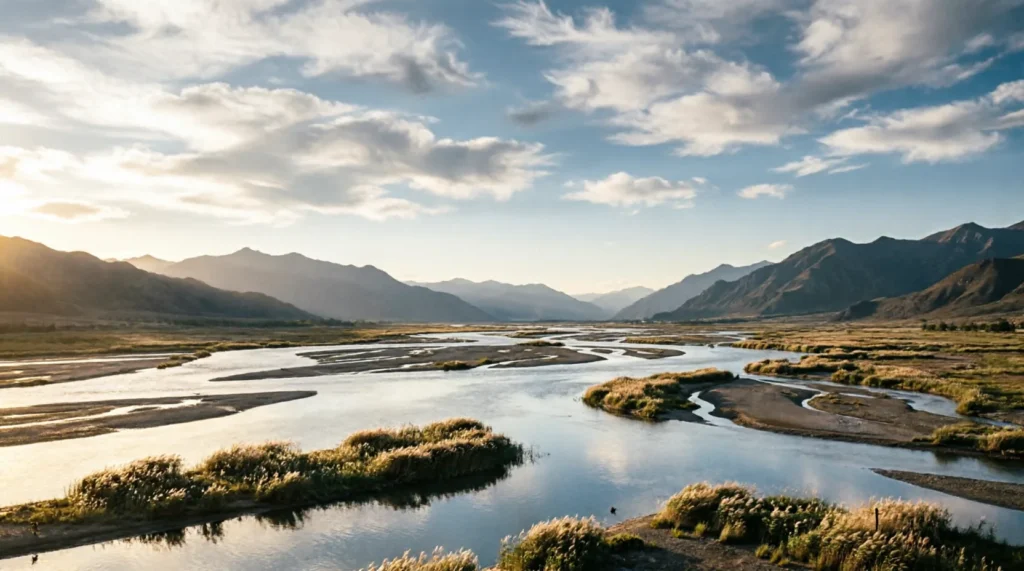
[IMAGE: Open landscapes including oceans, highways, and fields representing wide spaces]
As wide as the ocean stretching to the horizon.
As wide as a football field.
As wide as an eagle’s outstretched wings.
As wide as the sky on a clear summer day.
Like a giant blanket spread across the land.
As wide as a farmer’s wheat field.
Like an endless desert reaching forever.
As wide as a runway at the airport.
Like a river overflowing after heavy rain.
As wide as a whale’s open mouth.
Like a giant smile across someone’s face.
As wide as a mountain valley.
Like a bridge stretching from one hill to another.
As wide as an open book laid flat.
Like a playground filled with excited children.
As wide as the prairie under a blue sky.
Like a giant carpet rolled across the earth.
As wide as a basketball court.
Like a giant umbrella covering the crowd.
As wide as a castle courtyard.
Like the spread of tree branches in an old forest.
As wide as a giant’s footsteps.
Like a ribbon stretched across the countryside.
As wide as two school buses parked side by side.
Like a calm lake reflecting the clouds.
These examples work well because they create strong mental pictures. Instead of simply saying something is wide, you help your reader imagine its size using familiar places and objects.
The best similes also connect with the senses or emotions, making your writing more memorable. Next, let’s see how you can create your own.
How to Use the Similes for Wide in Your Writing
Start by thinking about what is wide in your scene. It could be a road, smile, river, field, hallway, or even someone’s eyes.
Choose something your readers already recognize. Comparing a lake to a football field or the sky helps people picture the size quickly.
Keep your comparison natural. Avoid choosing something unrelated just because it sounds unusual.
Read your sentence aloud. If it sounds smooth and creates a clear image, you’ve probably written an effective simile.
Example:
“The canyon was as wide as the open sea, making Maya feel wonderfully small.”
As you practice, you’ll notice that similes for wide become easier to create naturally.
Similes for Wide in Poems and Stories
Poets and storytellers often use similes because they help readers picture scenes while adding rhythm and emotion.
Aisha wrote:
“The meadow spread as wide as the morning sky, Holding every flower beneath the sunlight.”
Daniel described his adventure:
“The cave entrance opened like a giant doorway. It was as wide as a school gym, inviting us into the darkness.”
Priya wrote:
“Her smile grew as wide as a rainbow after the storm, bright enough to cheer everyone nearby.”
Creative writing teachers often remind students that similes make poems and stories feel more alive because readers can easily imagine what the writer sees. Once you understand this, you’ll begin noticing these comparisons in books everywhere.
Common Mistakes Students Make With the Similes for Wide
Using comparisons that are too confusing. If your reader has never seen the object you’re comparing to, the simile may not help. Choose familiar images whenever possible.
Repeating the same simile over and over. Writing “as wide as the ocean” in every paragraph becomes repetitive. Try different comparisons to keep your writing fresh.
Comparing something that isn’t actually wide. Make sure the comparison matches the object. A pencil, for example, is long but usually not wide.
Making the comparison far too exaggerated. Saying a classroom is “as wide as the universe” may distract readers unless you’re writing fantasy or humor.
Forgetting that the comparison should improve the sentence. A simile should help your reader picture the scene, not make it harder to understand.
Everyone makes these mistakes at first. With practice, you’ll become more confident in choosing comparisons that fit naturally.
Fun Activities to Practice the Similes for Wide
Picture Challenge Grab a pencil and look at photos of beaches, forests, cities, or mountains. Write one original simile for each wide scene you notice.
Classroom Guessing Game One student reads a simile aloud while everyone else guesses what object is being described. It’s a fun way to build vocabulary.
Draw and Describe Draw a wide landscape, then write five similes that match your picture. Try using different comparisons for each sentence.
Reading Detective As you read a novel or poem, look for similes describing wide places or objects. Write them in a notebook and discuss why they work.
Worksheet Challenge Create two columns. Write wide objects on one side and possible comparison ideas on the other. Then match them to build your own creative similes.
Practicing in different ways helps you remember what you’ve learned and gives you more confidence the next time you write.
What NOT to Do With the Similes for Wide
Don’t think every sentence needs a simile. Too many comparisons can make your writing feel crowded. Use them when they truly add meaning.
Don’t choose comparisons that don’t fit. A good simile should make sense. If readers have to stop and figure it out, try a simpler comparison.
Don’t copy famous similes every time. Classic examples are useful, but your own original ideas will make your writing stand out.
Don’t assume bigger always means better. The best similes for wide are clear, believable, and easy for your audience to imagine.
Now that you know what to avoid, you’re ready to answer some common questions students often ask.
Frequently Asked Questions About Similes for Wide
What is a good simile for wide?
A good simile for wide is one that helps readers picture the size clearly. Examples include “as wide as the ocean,” “as wide as a football field,” and “like an endless prairie.”
How do you use similes for wide in a sentence?
Place the comparison naturally within your sentence. For example, “The bridge was as wide as a city street, making it easy for everyone to cross.”
What is the difference between a simile and a metaphor for wide?
A simile uses words like “as” or “like,” while a metaphor says something is another thing without those words. “As wide as the sky” is a simile, while “The sky was an endless blanket” is a metaphor.
Are similes for wide suitable for elementary and middle school students?
Yes. They are excellent for students because they build descriptive writing skills while encouraging creativity. You can start with simple comparisons and gradually create more original ones.
Why do writers use similes for wide?
Writers use them to create vivid images and help readers imagine large spaces more clearly. They also make stories, poems, and descriptive essays more engaging and memorable.
Final Thoughts on Similes for Wide
By learning similes for wide, you’ve gained a simple but powerful way to make your descriptions more colorful. Whether you’re writing about rivers, smiles, roads, or landscapes, the right comparison helps your readers picture exactly what you mean.
You’ve also explored dozens of examples, learned how to create your own, discovered common mistakes to avoid, and practiced through fun activities. Every new simile you write strengthens your creative writing skills.
Literacy researchers and creative writing teachers agree that descriptive language helps students become stronger readers and writers. The more you notice similes in books and practice using them yourself, the more natural they will become.
Keep experimenting, stay curious, and remember that every great writer improves one sentence at a time. Your imagination is already wide enough to create wonderful writing.
Sara Liu holds a Master’s degree in English Education from the University of Washington and has been an educator for over 15 years. She specializes in curriculum development for elementary and middle school students, with a particular focus on figurative language. Sara’s love for similes and metaphors blossomed when she discovered their power to spark imagination and convey emotion. At SimilePedia, Sara creates engaging worksheets and reference guides that help young learners grasp the nuances of figurative language. Her favorite part of writing content is developing resources that make complex concepts accessible to children. She is passionate about nurturing a love for words and creativity in her students, and her contributions are shaped by this commitment.