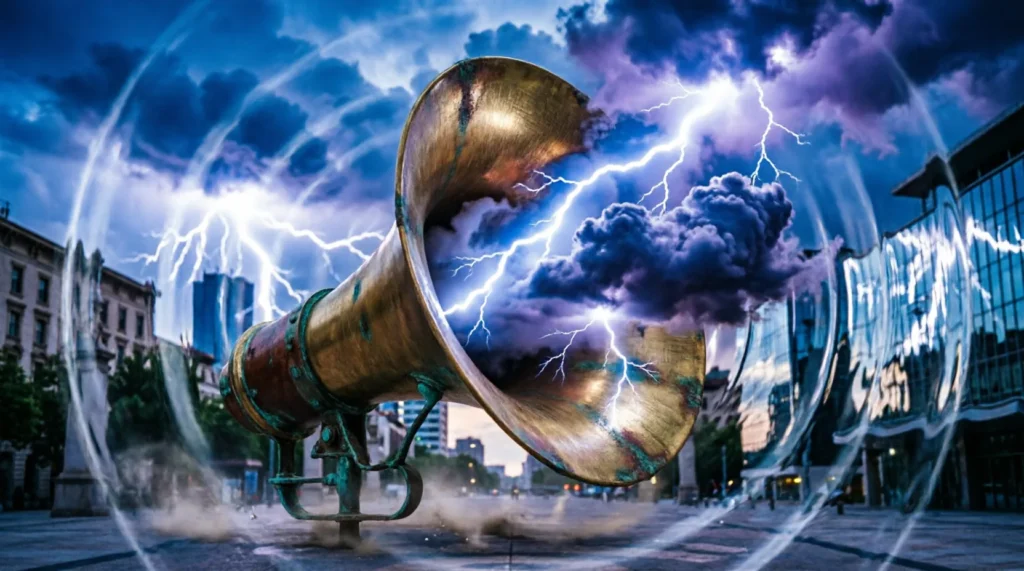
In short, similes for loud noises help you compare sounds to something familiar, making your writing more vivid and exciting. Whether you’re writing a story, poem, or school assignment, the examples and tips below will help you describe loud sounds with confidence and creativity.
[IMAGE: Student writing vivid descriptions of loud sounds in a notebook]
What Are Similes for Loud Noises? (And Why They Matter)
Have you ever stared at a blank page because you knew something was loud but couldn’t think of a good way to describe it? Maybe your teacher asked for descriptive writing, or you wanted your story to sound more exciting. You’re not alone.
Similes for loud noises compare a loud sound to something else using the words “like” or “as.” They help readers imagine exactly how powerful, sudden, or surprising a sound is.
Instead of writing, “The thunder was loud,” you could write, “The thunder crashed like a giant drum.” That simple comparison paints a much clearer picture in your reader’s mind.
Many literacy educators and language arts researchers encourage students to use similes because they strengthen descriptive writing, improve reading comprehension, and make stories more memorable. Once you learn a few great examples, you’ll notice them everywhere—from books to poems and even songs.
Now that you know what they are, let’s explore some of the best examples you can use right away.
The fireworks cracked like lightning splitting the sky.
The crowd roared like a hungry lion.
The bell rang like a fire alarm in a quiet school.
The train rumbled like an earthquake beneath our feet.
The engine growled like an angry bear.
The applause exploded like a thousand clapping hands at once.
The hammer struck like thunder rolling across the hills.
The music blasted like speakers at a packed concert.
The waterfall roared like endless waves crashing ashore.
The whistle shrieked like a startled eagle.
The door slammed like a clap of thunder.
The dog barked like an alarm clock that never stopped.
The airplane sounded like a giant vacuum in the sky.
The motorcycle roared like a fierce dragon waking up.
The siren screamed like a warning from the heavens.
The marching band played as loudly as a stadium full of fans.
The crashing dishes sounded like rocks tumbling down a mountain.
The cheering students were like thunder echoing through the gym.
The cannon echoed like mountains answering back.
The booming speaker shook the room like an approaching storm.
The drumbeat pounded like a racing heartbeat.
The crashing waves sounded like thousands of hands applauding.
The volcano erupted like the sky itself had shattered.
These examples work well because they create strong mental pictures. Instead of simply saying something was loud, they help your reader hear and almost feel the sound.
Good similes also connect sound with emotions. A roaring lion feels powerful, while a fire alarm feels urgent. Choosing the right comparison helps your writing leave a stronger impression.
Next, let’s see how you can create your own similes with confidence.
How to Use Similes for Loud Noises in Your Writing
Think about what the sound reminds you of. Ask yourself whether it sounds like thunder, fireworks, animals, machines, or something else you know well.
Use the words “like” or “as” to make your comparison clear. This is what turns an ordinary description into a simile.
Match the comparison to the mood of your story. A joyful celebration might sound like fireworks, while a scary scene might sound like thunder or roaring waves.
Keep your similes fresh and believable. Choose comparisons your readers can easily imagine.
Example:
“The classroom door slammed like a clap of thunder, making everyone jump.”
When you practice often, creating your own similes for loud noises becomes much easier.
Similes for Loud Noises in Poems and Stories
Poets and storytellers use similes for loud noises because they make scenes feel alive. Readers don’t just read the words—they imagine hearing every sound.
Aisha wrote:
“The thunder rolled like giant drums in the clouds, calling the rain to dance.”
Mateo described a race:
“The motorcycles roared like hungry dragons as they rushed past the finish line, leaving everyone cheering.”
Priya told a spooky story:
“The old gate slammed like thunder, and every bird in the forest flew into the sky.”
These small examples show how a single simile can create stronger imagery, rhythm, and emotion. That’s why creative writing teachers often encourage students to experiment with comparisons.
As you keep practicing, you’ll also learn what mistakes to avoid.
Common Mistakes Students Make With Similes for Loud Noises
Using comparisons that don’t match the sound. Saying a cannon was “like a whisper” confuses readers. Make sure your comparison fits the volume and feeling.
Forgetting to use “like” or “as.” Without those words, you may accidentally write a metaphor instead of a simile.
Repeating the same simile over and over. Using “like thunder” every time can become boring. Try different comparisons to keep your writing interesting.
Choosing comparisons readers don’t understand. If your audience has never experienced something, your simile may not be very effective. Familiar images usually work best.
Adding too many similes in one paragraph. A few strong comparisons are much more powerful than filling every sentence with one. This is a common habit, and it’s easy to improve with practice.
Now you’re ready to have some fun while building your skills.
Fun Activities to Practice Similes for Loud Noises
Grab a pencil and create a “Sound Match” worksheet. Write ten loud sounds on one side and ten possible comparisons on the other. Connect the best pairs.
Challenge yourself during a listening walk. Write down loud sounds you hear outside, then create a simile for each one.
Play a classroom guessing game. One student reads a simile aloud while everyone else guesses the loud sound it describes.
Draw and describe. Sketch fireworks, thunderstorms, concerts, or waterfalls, then write two original similes beneath each picture.
Read a favorite story and hunt for similes. If you don’t find one describing sound, rewrite one paragraph using your own creative comparison.
These activities help you notice sounds in everyday life and turn them into memorable writing.
What NOT to Do With Similes for Loud Noises
Don’t assume every loud sound should be compared to thunder. Thunder is popular, but many other comparisons can be even more creative.
Don’t mix unrelated images. Comparing a booming explosion to a quiet feather makes your writing confusing instead of vivid.
Don’t use long, complicated comparisons. Simple, clear similes are often the strongest because readers understand them immediately.
Don’t force a simile into every sentence. Well-placed similes stand out more than too many crowded together.
Keeping these ideas in mind will make your descriptions stronger and more natural.
Frequently Asked Questions About Similes for Loud Noises
What is a good simile for loud noises?
A good simile compares a loud sound to something readers already recognize. Examples include “like thunder,” “like a roaring lion,” or “like fireworks bursting overhead.” The best comparison depends on the mood of your writing.
How do you use similes for loud noises in a sentence?
Simply compare the sound using “like” or “as.” For example: “The drum echoed like thunder across the valley.” This helps readers picture and hear the sound more clearly.
What is the difference between a simile and a metaphor for loud noises?
A simile uses the words “like” or “as,” while a metaphor says one thing is another. “The bell rang like thunder” is a simile. “The bell was thunder” is a metaphor.
Are similes for loud noises suitable for elementary and middle school students?
Yes. Students of many grade levels can use them. Younger students often begin with simple comparisons, while older students can create more original and detailed similes.
Why do writers use similes for loud noises?
Writers use similes for loud noises to make scenes more exciting and realistic. Strong comparisons help readers imagine sounds, feel emotions, and stay engaged in the story.
Using Loud Noise Similes in Context
A simile works best when it fits the scene naturally. Here’s how the same comparison can shift depending on where you use it:
In action writing: “The explosion roared like a jet engine tearing through the sky.”
In everyday description: “The blender was as loud as a jackhammer on the counter.”
In dialogue: “‘That thunder was as loud as a freight train!’ she shouted over the storm.”
In poetry: “The waves crashed like cymbals in an endless symphony.”
More Similes for Loud Noises
The siren screamed like a banshee racing down the street.
The crowd roared like a stadium after a game-winning goal.
The engine backfired like a cannon shot in the alley.
The applause thundered like a herd of horses on pavement.
The alarm blared as loud as a fire truck at full speed.
For more sound-focused comparisons, check out our similes for getting hit guide, which covers sharp, sudden-impact sounds in more detail.
Final Thoughts on Similes for Loud Noises
Learning similes for loud noises gives you a powerful way to bring your writing to life. Instead of simply telling readers that something was loud, you can help them imagine the sound with colorful comparisons.
You explored more than twenty examples, learned how to write your own similes, discovered common mistakes to avoid, and practiced through fun activities. These skills can make your stories, poems, and school assignments more descriptive and memorable.
Remember that every great writer improves by observing the world and practicing often. Listen carefully to the sounds around you, then ask yourself what they remind you of.
With a little imagination and regular practice, you’ll become more confident every time you write—and your words will be just as memorable as the sounds you describe.
Liam is a language enthusiast and lead writer at Similepedia.com, where he focuses on creating clear, creative, and easy-to-use similes for everyday writing. He specializes in turning simple ideas into vivid comparisons that make sentences more engaging, expressive, and memorable.
Instead of overcomplicating language with technical jargon, Liam approaches similes as practical tools for better communication. He breaks down how comparisons work, when to use them, and how to make them sound natural — not forced or awkward.
He pays close attention to tone, context, and clarity, ensuring every simile fits smoothly into real sentences. From fun and playful comparisons to more descriptive and expressive ones, Liam helps readers improve how they write, speak, and express ideas.
At Similepedia.com, his mission is simple: make language more colorful and effective without making it complicated. He doesn’t just list similes — he helps readers understand how to use them confidently in real situations.