In short, similes for failure are comparisons that help you describe mistakes, disappointment, defeat, or struggles in a vivid and creative way. They make your writing more emotional, relatable, and memorable. Whether you are writing a story, poem, essay, or school assignment, the examples and tips below will help you express failure with confidence and imagination.
What Are Similes for Failure? (And Why They Matter)
Picture this: you are sitting in class, staring at your notebook, trying to describe a character who just lost everything. You know the character feels terrible, but the word “sad” suddenly feels too small. That is where similes can help you.
Similes for failure compare failure to something else using words like “as” or “like.” These comparisons help readers understand emotions, situations, and struggles more clearly.
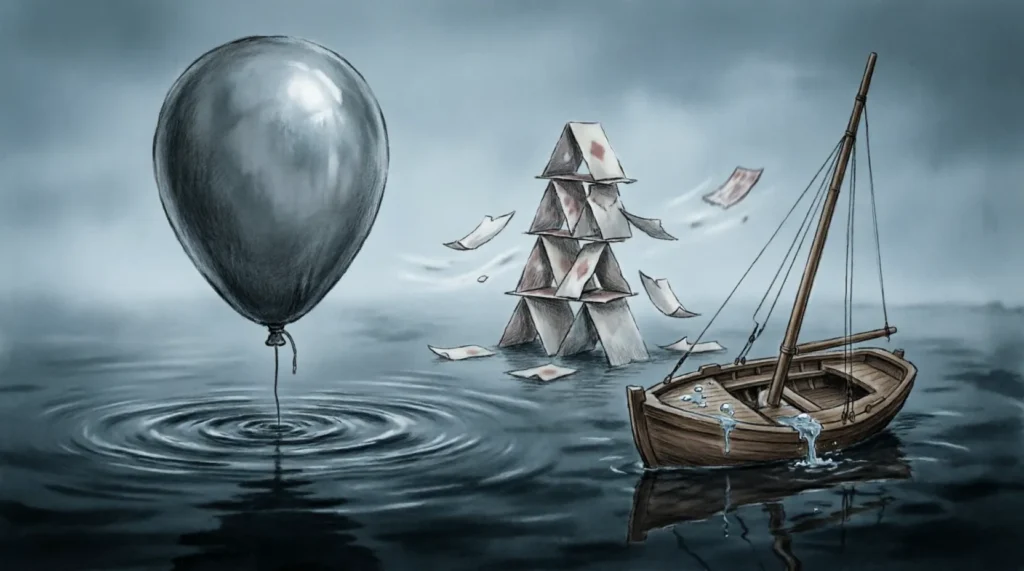
For example, saying “His dreams collapsed like a house of cards” creates a much stronger image than simply saying “He failed.” You help your reader see and feel the moment.
Language arts educators often encourage students to use similes because they improve storytelling, reading comprehension, and creative thinking. Literacy researchers also note that figurative language helps readers connect emotionally with writing.
Once you start noticing similes around you, you will see them everywhere — in books, songs, movies, and even conversations. Now let’s explore some of the best examples you can use in your own writing.
The Best Examples of Similes for Failure
[IMAGE: Student looking frustrated at a desk while crumpled papers surround them]
His plans fell apart like a sandcastle hit by a wave.
She failed the test like a runner tripping before the finish line.
My confidence disappeared like smoke in the wind.
The project crashed like an old computer freezing mid-game.
His hopes shattered like a glass dropped on concrete.
The team lost like balloons sinking in the rain.
Her speech failed like a joke nobody understood.
My ideas vanished like footprints in a storm.
The business collapsed like dominoes tipping one after another.
He felt like a bird with broken wings after the rejection.
Their teamwork failed like a car running out of fuel halfway home.
The performance ended like fireworks that never lit up.
Her dreams faded like colors left too long in the sun.
The plan failed like a bridge built on weak ice.
I felt as useless as a pencil with no lead.
His effort disappeared like snow melting in warm rain.
The argument ruined the friendship like termites destroying wood.
Her confidence cracked like thin ice under heavy boots.
The invention failed like a kite flying without wind.
My attempt felt like climbing a mountain in flip-flops.
The game ended like a candle blowing out in darkness.
His promise failed like a paper boat in the ocean.
The experiment exploded like popcorn left too long in the microwave.
She looked defeated like a wilted flower after a drought.
The interview went like a bike ride with square wheels.
Their strategy failed like a phone with no battery during an emergency.
His grades dropped like leaves falling in autumn.
The performance sank like a ship caught in a storm.
My courage disappeared like ice cream on a hot sidewalk.
The team’s spirit broke like a snapped guitar string.
Her effort failed like planting seeds in concrete.
The conversation died like a campfire in heavy rain.
His dreams crumbled like stale cookies in a backpack.
The plan folded like a cheap lawn chair.
My chances vanished like stars at sunrise.
The competition ended like a race with tied shoelaces.
Her confidence faded like chalk washed away by rain.
The idea failed like a puzzle missing half its pieces.
He stumbled through the presentation like a swimmer caught in giant waves.
The campaign failed like a rocket that never launched.
Their hopes dropped like stones in deep water.
My hard work felt wasted like pouring water into a broken bucket.
The attempt failed like a flashlight with dead batteries.
Her excitement disappeared like a popped balloon.
The group project failed like a recipe missing the main ingredient.
These examples work well because they create strong mental pictures. Instead of simply telling readers that something failed, you show them the feeling through imagery, emotion, and relatable experiences.
Some similes sound serious and emotional, while others are funny or dramatic. That variety helps you match the tone of your writing more naturally.
How to Use Similes for Failure in Your Writing
Using similes well is easier than you might think. You just need practice and a little imagination.
Think about the feeling behind the failure.
Ask yourself what the character or person feels. Are they embarrassed, angry, hopeless, or disappointed? Your simile should match that emotion.
Compare failure to something readers can picture.
Good similes connect to everyday experiences. Readers understand “like a balloon popping” because they can easily imagine it.
Keep your similes fresh and specific.
Try not to overuse basic comparisons like “failed like a loser.” Instead, create vivid images your reader will remember.
Use similes naturally inside sentences.
Here is an example:
“After forgetting his lines on stage, Amir stood frozen like a statue covered in fear.”
Notice how the simile fits smoothly into the sentence instead of sounding forced.
Creative writing teachers often remind students that strong similes should add emotion and detail without confusing the reader. The more you practice, the easier this becomes.
Similes for Failure in Poems and Stories
[IMAGE: Open notebook with poetry and creative writing sketches]
Writers often use similes for failure to make poems and stories feel more emotional and realistic. A simple comparison can instantly change the mood of a scene.
Here are a few short examples:
“Lina’s dreams fell like autumn leaves, quietly drifting out of reach.”
“The science fair volcano stood silent like a sleeping dragon, and Mateo felt his confidence sink into the floor.”
“Aisha stared at the scoreboard. Her hopes crumbled like cookies in her trembling hands.”
Poets and authors use figurative language because it creates rhythm, emotion, and imagery. When you use similes carefully, your writing feels more alive and expressive.
You do not need to sound overly fancy either. Even simple comparisons can make your stories much stronger.
More similes for failure by Tone and Context
🌿 Natural & Descriptive
“Like a tree losing its leaves before spring” — Shows a setback that comes before growth, making it perfect for reflective essays and nature-inspired writing.
“As empty as a dried-up riverbed” — Captures the feeling of hopes disappearing after failure in descriptive scenes.
“Like a cloud blocking the morning sun” — Suggests failure that temporarily hides success rather than ending it.
“As still as a frozen pond” — Describes the way failure can make progress seem to stop for a while.
“Like a flower bent by heavy rain” — Expresses being knocked down without losing the chance to recover.
💛 Warm & Emotional
“Like a promise that slipped through open hands” — Highlights the sadness of missing an important goal.
“As heavy as an unanswered goodbye” — Shows the emotional weight that failure can leave behind.
“Like a candle flickering in the wind” — Describes confidence that becomes shaky after a disappointing result.
“As quiet as a smile that never arrived” — Works well for personal stories about disappointment.
“Like a backpack filled with invisible stones” — Illustrates how failure can feel emotionally exhausting.
✨ Poetic & Romantic
“Like a star hidden behind midnight clouds” — Suggests that success still exists even when failure makes it hard to see.
“As fragile as a rose touched by frost” — Creates a gentle image of dreams damaged by failure.
“Like a melody that ended too soon” — Describes plans that were cut short before reaching their full beauty.
“As distant as tomorrow’s sunrise during a storm” — Shows how success can seem far away after failing.
“Like moonlight fading before dawn” — Adds a soft, thoughtful feeling to poems about loss and hope.
😄 Playful & Fun
“Like dropping your ice cream on the first bite” — A funny way to describe a disappointing moment.
“As awkward as waving back at someone who wasn’t waving at you” — Perfect for lighthearted stories about small failures.
“Like a balloon popping at the party” — Shows excitement disappearing in an instant.
“As clumsy as a penguin trying to dance” — Adds humor to describing mistakes and failed attempts.
“Like forgetting your lines on opening night” — A relatable simile for embarrassing moments that don’t define you.
These tone-grouped similes for similes for failure give you options for every kind of writing — whether you need something soft and poetic or bold and fun. Try picking one from each group and using them in a short paragraph to see how different the same keyword can feel.
Using similes for failure in Real Writing Contexts
In a Descriptive Essay
When writing about challenges, setbacks, or personal growth, a simile can make the experience more vivid and relatable. Instead of simply saying someone failed, compare the feeling to something readers can easily picture. Example:My first science project ended like a cloud blocking the morning sun, leaving me disappointed but ready to try again.
In a Poem
Similes for failure can create a thoughtful mood while showing both sadness and hope. They help readers connect emotionally with the speaker’s experience. Example:My dreams were like a star hidden behind midnight clouds, waiting for brighter skies to shine again.
In a Story or Creative Scene
In stories, similes help readers understand a character’s emotions after making a mistake or facing defeat. They add depth without using long explanations. Example:After hearing the contest results, Maya stood as still as a frozen pond, unsure whether to cry or begin again.
In a Social Media Caption or Message
A short simile can make a caption memorable while showing humor or honesty about setbacks. It keeps the message relatable and encouraging. Example:Today’s plan ended like dropping my ice cream on the first bite—but tomorrow is another chance!
The more you practice placing similes for failure into real sentences, the more natural your writing will sound — and the more your reader will feel exactly what you want them to feel.
Common Mistakes Students Make With Similes for Failure
Everyone makes mistakes while learning figurative language. That is completely normal. Here are some common problems students face and how you can fix them.
Using similes that do not match the mood
If you compare failure to something silly during a serious story, the tone may feel confusing. Try choosing comparisons that fit the emotion you want readers to feel.
Making comparisons too complicated
Sometimes students try so hard to sound creative that the simile becomes difficult to understand. Clear images usually work better than overly complex ones.
Forgetting to use “like” or “as”
A simile needs comparison words such as “like” or “as.” Without them, you may accidentally create a metaphor instead.
Repeating the same similes again and again
Using “like a broken heart” in every paragraph can make your writing feel repetitive. Challenge yourself to create new images.
Using failure similes that sound overly dramatic
Not every small mistake needs a huge comparison like “the world exploded.” Try matching the simile to the size of the situation.
The good news is that these mistakes improve with practice. Every writer starts somewhere, and your skills grow each time you experiment with language.
Fun Activities to Practice Similes for Failure
Learning similes becomes much easier when you turn practice into something creative and fun.
Create a “Failure Simile Challenge”
Grab a pencil and write down five situations where someone fails at something. Then challenge yourself to create a simile for each one.
Play a classroom matching game
Write failures on one set of cards and comparison ideas on another. Mix them together and see which combinations create the strongest similes.
Draw and describe
Draw a scene showing failure, like a soccer team losing a game or a broken science project. Then write two similes describing the scene.
Rewrite boring sentences
Take simple sentences like “He failed badly” and improve them with figurative language. This helps you practice making your writing more vivid.
Read books and collect similes
As you read stories or poems, look for similes related to struggle or disappointment. Keep a notebook of examples you enjoy.
Try a timed writing activity
Set a timer for five minutes and write as many similes for failure as you can. Do not worry about perfection — just keep creating ideas.
Activities like these help you build confidence while making language arts feel more enjoyable and less stressful.
What NOT to Do With Similes for Failure
[IMAGE: Student crossing out weak similes in a notebook]
Do not force a simile into every sentence.
Too many comparisons can make your writing feel crowded. Sometimes simple sentences are stronger.
Do not copy every simile you see online.
Readers enjoy fresh ideas. Creating your own comparisons helps your writing stand out more.
Do not make failure sound confusing.
If readers spend too much time trying to understand the comparison, the simile loses its power.
Do not assume all failure similes must sound sad.
Some can be funny, awkward, dramatic, or even hopeful depending on your writing style and audience.
When you avoid these habits, your similes become clearer, stronger, and more enjoyable to read.
Frequently Asked Questions About Similes for Failure
What is a simile for failure?
A simile for failure is a comparison that helps describe defeat, mistakes, disappointment, or struggles using “like” or “as.” For example, “Her confidence cracked like thin ice” creates a vivid picture of emotional failure.
How do you use similes for failure in a sentence?
You can place the simile naturally inside a sentence to add detail and emotion. For example: “After losing the competition, Jay felt like a ship drifting without direction.”
What is the difference between a simile and a metaphor for failure?
A simile compares two things using “like” or “as,” while a metaphor says one thing actually is another thing. “Failure hit him like a storm” is a simile, while “Failure was a storm” is a metaphor.
Why do writers use similes for failure?
Writers use them to help readers understand emotions more clearly. Similes make scenes feel more visual, dramatic, and relatable.
Are similes for failure appropriate for middle school students?
Yes, they are very useful for middle school writing. They help students improve descriptive writing, storytelling, and creative expression in a simple and engaging way.
Final Thoughts on Similes for Failure
Learning how to use similes for failure can completely change the way your writing sounds. Instead of using plain descriptions, you can create images that readers truly remember.
You explored dozens of examples, learned how to build your own similes, and discovered ways to practice through poems, stories, and creative activities. These skills can help you in school assignments, personal writing, and even everyday conversations.
Remember, writing strong similes is not about being perfect. It is about helping your reader feel something through your words.
The more you practice, the more natural figurative language will become — and your writing will grow stronger one sentence at a time.
Frequently Asked Questions
What are similes for failure and why are they important?▼
Similes for failure are comparisons that vividly describe mistakes and struggles using words like ‘as’ or ‘like.’ They enhance your writing by making emotions more relatable and memorable, allowing readers to better understand the depth of a character’s disappointment.
How can similes improve my writing?▼
Using similes can elevate storytelling by creating strong imagery and emotional connections. They help convey complex feelings and situations in a way that resonates with readers, making your writing more engaging.
Can you provide examples of similes for failure?▼
Certainly! Some examples include ‘His plans fell apart like a sandcastle hit by a wave’ and ‘Her confidence disappeared like smoke in the wind.’ These comparisons illustrate failure in a creative and impactful manner.
Why do educators encourage the use of similes in writing?▼
Educators promote similes because they enhance storytelling skills and improve reading comprehension. By using figurative language, students can develop creative thinking and connect emotionally with the material.
How do similes help readers connect emotionally with writing?▼
Similes create vivid imagery that allows readers to visualize and feel the emotions behind a character’s experience. This connection can make the narrative more powerful and memorable.
What are some common mistakes when using similes in writing?▼
Common mistakes include using clichés or overly complicated comparisons that may confuse readers. It’s essential to choose similes that are clear and enhance the narrative rather than detract from it.
How can I incorporate similes for failure into my own writing?▼
To incorporate similes, think about the emotions or situations you want to describe and find relatable comparisons. Use everyday experiences or objects to create vivid imagery that resonates with your audience.
Jamal Rodriguez is a poet and author who has been writing professionally for over a decade. With a Bachelor’s degree in Creative Writing, Jamal’s expertise lies in the use of vivid imagery and emotional depth in poetic language. Fascinated by the limitless possibilities of similes and metaphors, he joined SimilePedia to share his knowledge with budding writers. Jamal focuses on creating content for creative writers and poets, helping them understand the emotional resonance that figurative language can evoke. Through his work, he aims to inspire others to explore their own creative boundaries and embrace the beauty of language as an art form. His contributions include a range of exercises that stimulate imagination across all grade levels.