In short, similes for walk are creative comparisons that help you describe the way someone moves on foot using “like” or “as.” They make your writing more vivid by showing whether a walk is slow, fast, heavy, joyful, or tired. In this article, you’ll discover powerful examples and easy ways to use them so your descriptions instantly feel more alive.
If you’ve ever struggled to describe how a character moves, similes for walk will help you turn simple actions into expressive, picture-filled writing that your reader can actually feel and imagine.
What Are Similes for Walk? (And Why They Matter)
Imagine you’re staring at a blank page, trying to describe someone walking—but all you can think of is “he walked.” Or maybe your teacher asks for a better description, and your mind goes completely empty. You’re not alone.
Similes for walk are comparisons that describe walking by connecting it to something else using “like” or “as.” For example, “He walked like a tired turtle.”
In simple words, similes for walk help you show how someone walks, not just that they walk.
Literacy educators often say that strong descriptions help readers “see the story in their mind,” and similes are one of the easiest ways to do that. When you use them, your writing becomes clearer, more emotional, and more engaging.
These comparisons matter because they improve storytelling, reading comprehension, and creative expression. They also help you score better in exams because your writing stands out with vivid detail.
Now that you understand the basics, let’s explore some powerful examples you can start using right away.
The Best Examples of Similes for Walk
Here are some creative, fun, and vivid similes for walk that you can use in stories, poems, and descriptions:
He walked like a tired turtle dragging its shell across the sand.
She walked as light as a feather floating in the breeze.
They walked like soldiers marching in perfect rhythm.
He walked like a robot with stiff, mechanical steps.
She walked as slowly as molasses dripping from a spoon.
He walked like a cat sneaking through a quiet room.
She walked as proudly as a queen entering her palace.
He walked like a storm cloud rolling across the sky.
She walked like someone carrying a thousand invisible worries.
He walked as fast as lightning cutting through the night.
She walked like a dancer moving to a silent song.
He walked like a broken toy with uneven steps.
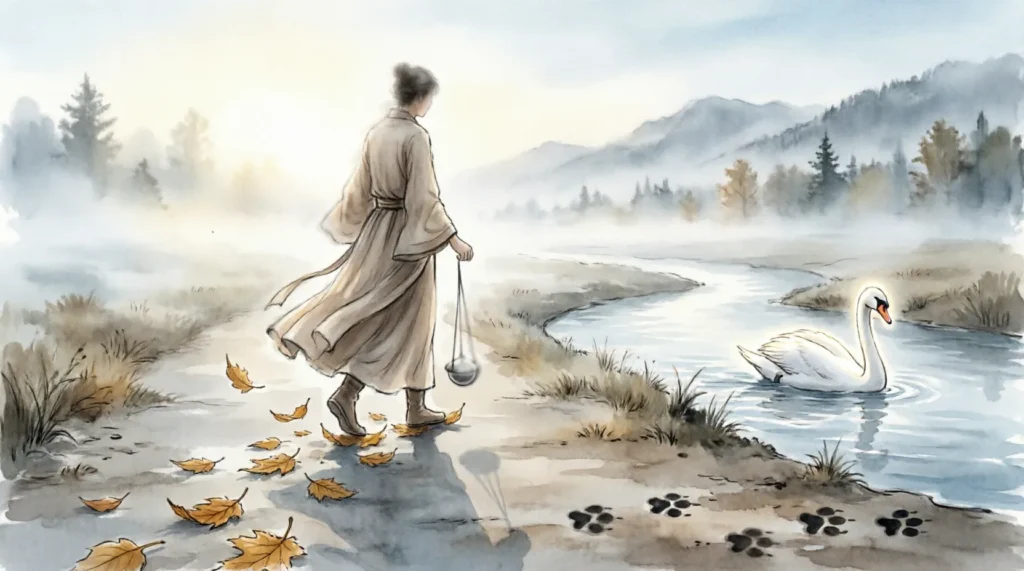
She walked as gently as morning mist over grass.
He walked like a hungry wolf searching for food.
She walked like a dream drifting through reality.
He walked as heavily as an elephant on dry ground.
She walked like a leaf drifting down a quiet river.
He walked like someone late for a very important exam.
She walked as quietly as a whisper in a library.
He walked like a shadow following him everywhere.
She walked like a bird learning to fly for the first time.
He walked as uncertainly as a child in a dark hallway.
She walked like music flowing through a peaceful street.
He walked like a warrior returning from battle.
These similes for walk work well because they create strong mental pictures. You can almost see the movement, feel the emotion, and understand the character’s mood just through the comparison.
When you use similes like these, your reader doesn’t just read your writing—they experience it. That is what makes descriptive language powerful.
How to Use Similes for Walk in Your Writing
Using similes for walk in your writing is easier than you think. You just need a bit of observation and creativity.
First, think about how the person is walking. Are you slow, fast, angry, happy, or tired?
Next, imagine something in real life that moves in a similar way. It could be an animal, object, or natural force.
Then, connect them using “like” or “as” to form your simile.
Finally, read it aloud to make sure it feels natural and easy to understand.
For example: “He walked like a storm rushing through the valley.”
When you practice this, you’ll notice your descriptions becoming more creative and engaging. You also help your reader imagine your scene more clearly, which makes your writing much stronger.
Similes for Walk in Poems and Stories
Writers and poets often use similes for walk to create mood, rhythm, and emotion in their work. A simple walking action can become meaningful when described creatively.
Here are some short creative examples:
Mina walked like falling rain, soft and steady on the empty street. Her steps echoed like drums in a quiet story waiting to begin.
Arif walked like a shadow breaking into morning light. Each step told a story he could not say out loud.
Sofia walked as gently as a memory returning after years. The world seemed to slow down just to watch her pass.
Poets use these comparisons because they add emotion and imagery. Instead of just saying “walked,” they help you feel the walk, whether it’s calm, sad, joyful, or powerful.
Common Mistakes Students Make With Similes for Walk
Learning similes for walk is fun, but many students make small mistakes at first. Don’t worry—this is completely normal, and you can fix it easily.
Using boring comparisons Some students write “walked like a person.” This is too simple. Try to be more creative and specific.
Mixing metaphors and similes Remember, similes must use “like” or “as.” Without them, it becomes a metaphor.
Overusing the same idea If every simile is about animals, your writing can feel repetitive. Try using nature, machines, or emotions too.
Making it too confusing Sometimes students try to be too fancy, and the meaning becomes unclear. Always keep your reader in mind.
Forgetting emotion A walk is not just movement—it shows mood. Always think about how your character feels.
Fun Activities to Practice Similes for Walk
Try the “Walk Observation Challenge” Watch people walking in different places and describe each one using a simile. You’ll start noticing small details you never saw before.
Create a simile bank Grab a notebook and write 10 new similes for walk every day. Challenge yourself to avoid repeating ideas.
Turn movie scenes into writing Watch a character walking in a film and pause it. Now describe that walk using your own simile.
Play “Simile Guessing Game” One person writes a simile for walk, and others guess what kind of walk it describes.
Draw and describe Draw a stick figure walking, then write a simile that matches the drawing’s mood.
Rewrite boring sentences Take “He walked to school” and turn it into something like “He walked like a sleepy bear heading back to its cave.”
What NOT to Do With Similes for Walk
Don’t use unclear comparisons If your simile doesn’t make sense, your reader will feel lost instead of engaged.
Don’t force creativity You don’t need to make every sentence dramatic. Sometimes simple is better.
Don’t repeat the same structure If every sentence starts the same way, your writing can feel robotic.
Don’t ignore context Make sure your simile matches the situation. A joyful walk should not feel heavy or sad unless intended.
More similes for walk by Tone and Context
🌿 Natural & Descriptive
“Like a stream winding through a valley” — This captures a smooth, gentle walk that follows a calm and natural path.
“As light as leaves floating in the breeze” — Use this to describe someone walking with an easy, effortless step.
“Like morning mist drifting across a field” — This creates a peaceful image of a slow, quiet walk.
“As steady as the tide reaching the shore” — Perfect for describing a consistent, unhurried pace.
“Like a deer crossing a meadow” — This highlights graceful, careful movement through open spaces.
💛 Warm & Emotional
“Like walking into a warm hug” — Use this when a walk brings comfort, safety, or happiness.
“As gentle as visiting an old friend” — This fits peaceful walks filled with familiar memories.
“Like carrying hope in every step” — A good choice for writing about determination and optimism.
“As calm as coming home after a long day” — This simile works well for reflective or heartfelt moments.
“Like following a path to happier days” — Use it to show emotional healing or looking forward to the future.
✨ Poetic & Romantic
“Like moonlight dancing across a quiet lake” — This creates an elegant and dreamy image of walking.
“As soft as a whisper beneath the stars” — Perfect for poems or romantic scenes with a peaceful mood.
“Like a melody drifting through the evening air” — This compares a graceful walk to beautiful music.
“As graceful as petals carried by the wind” — Use this to describe elegant, delicate movement.
“Like chasing the horizon with every step” — This expresses hope, adventure, and endless possibility.
😄 Playful & Fun
“Like a penguin hurrying across the ice” — A funny way to describe a quick, waddling walk.
“As bouncy as popcorn popping in a pan” — Great for energetic children or excited characters.
“Like racing to the last slice of pizza” — This adds humor to a fast, eager walk.
“As wiggly as a puppy on a leash” — Perfect for describing someone who can’t stay still while walking.
“Like a robot learning its first steps” — Use this for awkward or clumsy movement in a playful way.
These tone-grouped similes for walk give you options for every kind of writing — whether you need something soft and poetic or bold and fun. Try picking one from each group and using them in a short paragraph to see how different the same walk can feel.
Using similes for walk in Real Writing Contexts
In a Descriptive Essay
When you’re describing a person’s movement or the atmosphere of a place, a simile can make an ordinary walk feel much more vivid. Instead of simply saying someone walked slowly or quickly, compare the movement to something familiar. She walked through the quiet forest like a stream winding through a valley, peaceful and unhurried.
In a Poem
Similes for walk help create emotion and paint beautiful pictures for the reader. They can make even a simple journey feel meaningful or magical. I walk like moonlight dancing across a quiet lake, / Leaving gentle dreams with every step I take.
In a Story or Creative Scene
A well-chosen simile can reveal how a character feels without directly explaining their emotions. It also helps readers picture the action more clearly. After hearing the good news, Maya walked like carrying hope in every step, smiling as the golden afternoon surrounded her.
In a Social Media Caption or Message
Short similes make captions more creative and memorable while keeping them fun and easy to read. They add personality without using many words. Today’s nature walk felt like following a path to happier days. 🌿
The more you practice placing similes for walk into real sentences, the more natural your writing will sound — and the more your reader will feel exactly what you want them to feel.
Frequently Asked Questions About Similes for Walk
What is a simple example of similes for walk?
A simple example is “He walked like a tired turtle.” It shows slow movement in an easy-to-understand way. These comparisons help you make your writing more visual and interesting.
How do similes for walk improve writing?
They help you describe movement in a more creative and emotional way. Instead of just saying “walked,” you show how the walk feels, which makes your writing more engaging for readers.
Can students use similes for walk in exams?
Yes, absolutely. Using similes for walk in essays or stories can help you score higher because it shows strong vocabulary and creativity. Just make sure they are clear and relevant.
What are some funny similes for walk?
You can say things like “He walked like a penguin on a hot floor.” Funny similes make your writing entertaining and memorable, especially for storytelling.
Why do writers use similes for walk in stories?
Writers use them to create imagery and emotion. A simple walk can reveal mood, personality, or situation when described with a creative comparison.
Final Thoughts on Similes for Walk
Similes for walk are a simple but powerful tool that can completely change how you describe movement in writing. They help you turn ordinary actions into vivid, meaningful images that your reader can easily imagine.
When you practice using them, you start noticing details in everyday life that you can turn into creative comparisons. This makes your writing more expressive and enjoyable.
Keep experimenting, keep observing, and keep writing. The more you use similes for walk, the more natural and creative your writing will become. And soon, you’ll find yourself describing movement in ways that truly bring your stories to life.
Frequently Asked Questions
What are similes for walk and why are they useful?▼
Similes for walk are creative comparisons that describe how someone moves on foot using ‘like’ or ‘as.’ They enhance your writing by adding vividness and emotion, helping readers visualize the action and connect with the character’s experience.
Can you provide examples of similes for walk?▼
Certainly! Some examples include ‘He walked like a tired turtle dragging its shell’ and ‘She walked as proudly as a queen entering her palace.’ These comparisons create strong mental images that make the descriptions more engaging.
How do similes for walk improve storytelling?▼
Similes for walk improve storytelling by making descriptions clearer and more expressive, allowing readers to see the story in their minds. They add depth to character actions, enhancing emotional connections and overall narrative quality.
What role do similes play in academic writing?▼
In academic writing, similes help to stand out by providing vivid detail, which can improve readability and comprehension. Using descriptive comparisons can also enhance creative expression, potentially leading to better scores in assessments.
Are there specific similes for walk that convey different emotions?▼
Yes, similes can convey a range of emotions; for example, ‘He walked like a storm cloud rolling across the sky’ suggests a heavy, brooding mood, while ‘She walked like a dancer moving to a silent song’ evokes joy and lightness. Choosing the right simile can reflect the character’s emotional state.
How can I incorporate similes for walk into my writing?▼
To incorporate similes for walk, think about the mood or action you want to convey and brainstorm comparisons that fit. Use phrases like ‘as’ or ‘like’ to create your simile, and ensure it aligns with the character’s feelings or the scene’s atmosphere.
What common mistakes should I avoid when using similes for walk?▼
Common mistakes include using clichés or overly complicated comparisons that confuse the reader. Aim for originality and clarity, ensuring that your similes enhance the description rather than distract from it.
Sara Liu holds a Master’s degree in English Education from the University of Washington and has been an educator for over 15 years. She specializes in curriculum development for elementary and middle school students, with a particular focus on figurative language. Sara’s love for similes and metaphors blossomed when she discovered their power to spark imagination and convey emotion. At SimilePedia, Sara creates engaging worksheets and reference guides that help young learners grasp the nuances of figurative language. Her favorite part of writing content is developing resources that make complex concepts accessible to children. She is passionate about nurturing a love for words and creativity in her students, and her contributions are shaped by this commitment.