In short, similes for use are comparisons that help you describe how something is used, how useful it is, or how people use it in everyday life. They make your writing clearer, more creative, and more memorable. Keep reading to discover easy explanations, vivid examples, and practical tips you can start using today.
What Are Similes for Use? (And Why They Matter)
Have you ever stared at a blank page because you knew what you wanted to say but couldn’t find the right words? Maybe your teacher asked you to make your writing more descriptive, or you wanted your story to sound more exciting. You’re not alone—many students face this challenge.
Similes for use are comparisons that describe how something is used or how useful it is by connecting it to something familiar. They usually use the words “like” or “as” to make the comparison easy to understand.
For example, instead of saying, “The notebook was useful,” you could write, “The notebook was as useful as a map on a long journey.” This creates a stronger picture in your reader’s mind.
Language arts researchers and literacy educators often encourage students to use similes because they improve descriptive writing, strengthen reading comprehension, and help readers remember ideas more easily. When you learn to use similes well, your stories, essays, and poems become much more engaging.
[IMAGE: A student writing creatively in a notebook while colorful comparison ideas appear around the page.]
Now that you know what similes for use are, let’s explore plenty of creative examples you can borrow or adapt for your own writing.
The Best Examples of Similes for Use
As useful as a flashlight in a dark cave.
Like a key opening a locked door.
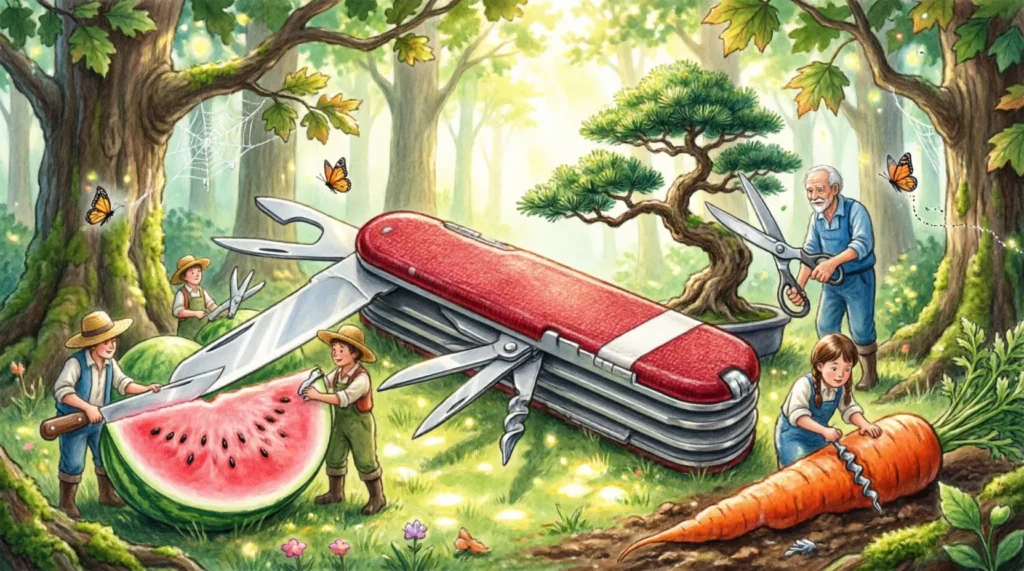
As handy as a pocketknife on a camping trip.
Like a compass guiding a traveler home.
As dependable as the sunrise every morning.
Like a bridge connecting two places.
As valuable as clean water on a hot day.
Like an umbrella during a heavy rainstorm.
As reliable as a best friend keeping a promise.
Like a recipe helping a new baker.
As practical as a backpack on the first day of school.
Like a pencil in an important exam.
As helpful as a teacher explaining a difficult lesson.
Like a ladder reaching a high shelf.
As useful as a charger when your phone battery reaches one percent.
Like a bookmark saving your place in a favorite novel.
As important as a helmet when riding a bicycle.
Like a lighthouse guiding ships safely to shore.
As comforting as a warm blanket on a cold evening.
Like a toolbox ready for every repair.
As efficient as a well-organized checklist.
Like a pair of glasses helping someone see clearly.
As essential as oxygen for breathing.
Like a clock keeping everyone on schedule.
As supportive as a strong foundation beneath a house.
These examples work because they connect usefulness with objects and experiences that most readers already understand. The comparisons create vivid mental pictures, making your writing easier to imagine and enjoy.
Notice how each simile focuses on a specific purpose rather than simply saying something is “good” or “helpful.” That extra detail makes your writing feel more interesting and believable.
As you continue reading, you’ll discover how to create your own similes for use instead of relying only on examples from a list.
How to Use Similes for Use in Your Writing
Once you have seen a few examples, creating your own similes for usebecomes much easier. The key is to think about what an object does and compare it to something that serves a similar purpose. Here are four simple steps you can follow.
Think about the purpose. Ask yourself, “What is this object or idea used for?” If you’re writing about a backpack, think about how it helps carry things. If you’re writing about a friend, think about how they support you.
Find something with a similar job. Compare your subject to something familiar that readers will recognize. Everyday objects often make the best similes because almost everyone understands them.
Use “like” or “as.” A simile almost always includes the words “like” or “as.” These signal to your reader that you’re making a comparison.
Keep it natural. Your comparison should make sense. Instead of choosing something random, pick an image that clearly shows usefulness.
Example:
“The study guide was as useful as a map before a long trip, helping Mia prepare for every question on the test.”
When you practice these steps, you’ll soon be creating original similes that make your writing stand out.
Similes for Use in Poems and Stories
Poets and storytellers use similes for use to help readers connect with characters, settings, and emotions. Creative writing teachers often encourage students to use comparisons because they add rhythm, imagery, and feeling to every sentence.
Poem Example 1
Aisha held her notebook tight, Like a lantern glowing through the night. Every page helped light her way, Making learning brighter each new day.
Story Example 1
Carlos packed his backpack before school. It was as useful as a toolbox, holding everything he needed for another busy day.
Poem Example 2
Mei found courage in her words, Like wings lifting gentle birds. Each sentence became a guiding light, Helping dreams take joyful flight.
These short examples show how similes can make simple ideas feel richer and more memorable. Whether you’re writing a poem, a story, or even a school essay, thoughtful comparisons help your readers picture exactly what you mean.
Common Mistakes Students Make With Similes for Use
Choosing a comparison that doesn’t fit. Sometimes students compare two things that have nothing in common. Try to make sure your comparison clearly shows usefulness.
Forgetting to use “like” or “as.” Without these words, your sentence may become a metaphor instead of a simile.
Using overused comparisons too often. Common similes are fine, but your writing becomes stronger when you create fresh, original ideas.
Adding too many similes in one paragraph. A few well-placed similes are more powerful than filling every sentence with comparisons.
Focusing only on being funny. Humorous similes can be great, but they should still help your reader understand the subject better.
Everyone makes these mistakes while learning. With practice, you’ll become more confident and your comparisons will sound more natural.
Fun Activities to Practice Similes for Use
Grab a pencil and create a comparison chart. Write ten everyday objects on one side of the page. On the other side, write a simile that explains how each one is useful.
Play the classroom guessing game. One student reads a simile aloud while everyone else guesses the object being described.
Challenge yourself with a picture prompt. Find a photo in a magazine or online and write five similes describing how different objects in the picture are useful.
Create a drawing and writing page. Draw your favorite tool, toy, or school item, then write three creative similes about how it helps people.
Read and collect similes. While reading a story or poem, look for similes. Then try writing your own inspired by what you found.
These activities help you practice without feeling like you’re studying. The more you play with language, the easier descriptive writing becomes.
What NOT to Do With Similes for Use
Don’t compare completely unrelated things. Your reader should immediately understand why the comparison makes sense.
Don’t force a simile into every sentence. Good writing mixes similes with other descriptive techniques.
Don’t copy the same examples repeatedly. Try creating your own comparisons based on your experiences and imagination.
Don’t assume longer similes are always better. Sometimes the simplest comparison creates the strongest image.
Now that you’ve learned how to write and practice similes for use, you’re ready to answer some of the most common questions students, parents, and teachers ask.
Frequently Asked Questions About Similes for Use
What is a simile for use?
A simile for use is a comparison that describes how useful something is or how it helps people. It uses the words “like” or “as” to create a clear mental picture. For example, “The planner was as useful as a road map during our project.”
How do you use similes for use in a sentence?
You can compare an object, person, or idea to something familiar that has a similar purpose. For example: “The new dictionary was like a treasure chest, helping Noah discover the meanings of unfamiliar words.”
What is the difference between a simile and a metaphor for use?
A simile compares two things using “like” or “as.” A metaphor says one thing is another without using those words. For example, “The notebook was like a toolbox” is a simile, while “The notebook was a toolbox for ideas” is a metaphor.
Are similes for use appropriate for elementary and middle school students?
Yes. Similes for use are excellent for students in upper elementary and middle school because they make writing more descriptive without being difficult to understand. Literacy educators often recommend practicing similes to build stronger vocabulary and creative thinking.
Why do writers use similes for use?
Writers use similes for use to help readers quickly understand the value or purpose of something. Instead of simply saying an object is helpful, a vivid comparison creates stronger imagery and makes the writing easier to remember.
Final Thoughts on Similes for Use
By now, you’ve learned what similes for use are, why they matter, and how they can make your writing more vivid and engaging. From classroom essays to creative stories, these comparisons help you explain ideas in ways that readers can easily picture.
You’ve also explored more than 25 creative examples, learned practical steps for writing your own similes, discovered how they appear in poems and stories, and practiced avoiding common mistakes. These skills will help you write with greater confidence.
Remember that the best similes come from careful observation. Look around your everyday life—at school, at home, or outside—and think about how ordinary objects can inspire creative comparisons. Every time you write, you have another opportunity to strengthen your imagination.
Creative writing is a skill that grows with practice. Keep experimenting, keep reading, and keep trying new comparisons. Before long, similes for use will become a natural part of your writing, helping your words shine with clarity and creativity. Happy writing!
Liam is a language enthusiast and lead writer at Similepedia.com, where he focuses on creating clear, creative, and easy-to-use similes for everyday writing. He specializes in turning simple ideas into vivid comparisons that make sentences more engaging, expressive, and memorable.
Instead of overcomplicating language with technical jargon, Liam approaches similes as practical tools for better communication. He breaks down how comparisons work, when to use them, and how to make them sound natural — not forced or awkward.
He pays close attention to tone, context, and clarity, ensuring every simile fits smoothly into real sentences. From fun and playful comparisons to more descriptive and expressive ones, Liam helps readers improve how they write, speak, and express ideas.
At Similepedia.com, his mission is simple: make language more colorful and effective without making it complicated. He doesn’t just list similes — he helps readers understand how to use them confidently in real situations.