In short, similes for snowflakes are comparisons that help you describe snowflakes in vivid and creative ways. They can make poems, stories, and school assignments feel more interesting and memorable. Keep reading to discover examples, writing tips, and fun activities you can try today.
What Are the Similes for Snowflakes? (And Why They Matter)
Have you ever stared at a blank page while trying to describe a winter scene? Maybe your teacher asked for figurative language, or you wanted your story to sound more exciting but couldn’t think of the right words.
Similes for snowflakes are comparisons that use words like “as” or “like” to describe snowflakes in creative ways. They help readers picture what snowflakes look like, how they move, or what they remind you of.
These similes matter because they bring writing to life. Whether you are working on a poem, preparing for a language arts assignment, or writing a short story, they add beauty and detail to your ideas.
Language arts researchers and literacy educators often encourage students to use figurative language because it improves descriptive writing and helps readers connect with images and emotions. Once you know a few examples, you can create your own with confidence.
Now let’s explore some creative examples you can use right away.
The Best Examples of Similes for Snowflakes
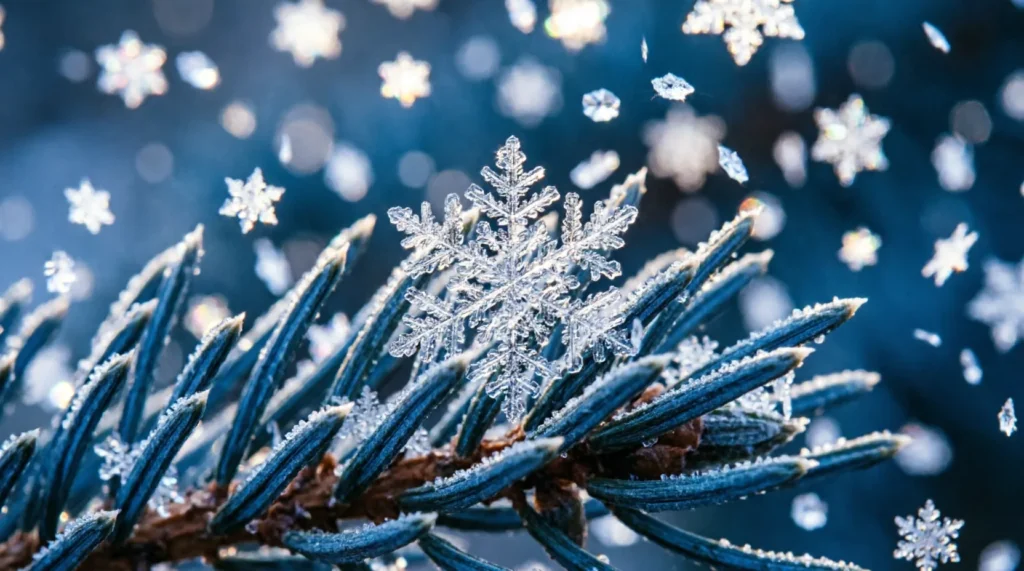
[IMAGE: Snowflakes falling softly during winter]
Snowflakes drifted like tiny feathers floating through the sky.
The snowflakes sparkled like diamonds under the moonlight.
Snowflakes danced like ballerinas across the wind.
Each snowflake looked like a tiny star fallen from heaven.
Snowflakes floated like pieces of lace in the air.
The flakes gathered like sugar sprinkled on a cake.
Snowflakes swirled like confetti at a celebration.
They fell like soft white butterflies fluttering to the ground.
Snowflakes glittered like crystals on a crown.
The snowflakes drifted like wishes carried by the wind.
Tiny flakes rested like powdered sugar on the trees.
Snowflakes twirled like dancers in a music box.
The flakes landed like gentle kisses on my cheeks.
Snowflakes sparkled like silver coins in the sunlight.
They floated like little clouds breaking apart.
Snowflakes covered the ground like a fluffy blanket.
Each snowflake shone like a tiny jewel.
The flakes drifted like pieces of cotton in the breeze.
Snowflakes scattered like stars across the dark sky.
They swayed like leaves falling in autumn.
Snowflakes looked like bits of paper cut into delicate shapes.
The flakes swirled like glitter shaken from a snow globe.
Snowflakes fluttered like white birds’ feathers.
They gathered like frosting spread across the earth.
Snowflakes melted like tears on warm skin.
Snowflakes danced like happy children playing outside.
The flakes fell like whispers from the clouds.
Snowflakes sparkled like fairy dust in the air.
They drifted like petals from white flowers.
Snowflakes twinkled like tiny lights at Christmas.
These examples work well because they create strong imagery. You can almost see the movement and sparkle of the snow.
Creative writing teachers often encourage students to connect snowflakes with familiar objects because sensory details make descriptions easier to imagine. This makes your writing more vivid and enjoyable to read.
Once you understand these examples, you can begin using them in your own stories and poems.
How to Use Similes for Snowflakes in Your Writing
You do not have to be an expert writer to use similes for snowflakes effectively. A few simple steps can make your descriptions stronger.
Picture what the snowflakes look like or how they move.
Think of something familiar that shares those qualities, such as feathers, stars, or sugar.
Use the words “like” or “as” to create your comparison.
Place the simile naturally into your sentence.
Example:
“The snowflakes floated like tiny feathers as Emma watched the winter sky.”
When you write, try to focus on movement, shape, brightness, or softness. These details will help your readers imagine exactly what you see.
Next, let’s see how similes for snowflakes appear in poems and stories.
Similes for Snowflakes in Poems and Stories
Poets and authors use figurative language because it adds emotion, rhythm, and imagery. You can do the same in your own creative writing.
Poem by Sofia
Snowflakes danced like fairies in the night,
Sparkling like stars with gentle light,
They drifted like feathers soft and slow,
Covering the earth with silver snow.
Story sentence by Ayaan
As Ayaan walked home, the snowflakes fluttered like white butterflies around his coat, making the evening feel magical.
Poem by Mei
Tiny flakes twinkled like jewels above,
Falling like blessings from the clouds above,
Soft as whispers, light as air,
Winter beauty everywhere.
These examples show how naturally similes for snowflakes fit into creative writing. They help readers feel wonder and imagine the scene more clearly.
As you practice, you’ll discover your own favorite comparisons.
Common Mistakes Students Make With Similes for Snowflakes
Forgetting to use “like” or “as” Without these words, your sentence may become a metaphor instead of a simile. This is normal, and you can fix it easily.
Using comparisons that don’t fit snowflakes Comparing snowflakes to heavy rocks or fire may confuse readers. Choose things that are light, bright, or delicate.
Repeating the same simile too often Writing “like feathers” in every paragraph can become boring. Try stars, lace, butterflies, or sugar for variety.
Adding too many similes in one sentence Too many comparisons can overwhelm readers. One strong simile is usually enough.
Ignoring movement and sparkle Snowflakes are known for their beauty and gentle motion. Describing these qualities helps your writing feel more realistic.
Everyone makes these mistakes sometimes. The good news is that practice makes descriptive writing easier.
Fun Activities to Practice Similes for Snowflakes
Snowflake Drawing Challenge Grab a pencil and draw a snowflake. Then write three similes that describe it.
Winter Story Starter Try writing a short paragraph about a snowy day using five different similes.
Classroom Guessing Game One person reads a simile aloud while others guess what it describes. This game makes figurative language fun.
Worksheet Match-Up Match snowflake similes with pictures showing feathers, stars, diamonds, or butterflies.
Reading Hunt Look through books or poems and find examples of winter descriptions. See how authors use similes for snowflakes.
Create Your Own Snow Globe Poem Challenge yourself to write four lines using at least two similes. You can even decorate your page with drawings.
These activities help you build confidence while making language arts more enjoyable.
What NOT to Do With Similes for Snowflakes
Don’t believe every snowflake simile must sound fancy Simple comparisons are often the most powerful.
Don’t force a simile into every sentence Too many comparisons can distract readers.
Don’t assume all snowflakes are exactly alike Their shapes and movements can inspire many different images.
Don’t copy examples without adding your own creativity Your personal observations can make your writing unique.
Understanding these habits will help you use similes for snowflakes more naturally and effectively.
Frequently Asked Questions About Similes for Snowflakes
What is a simile for snowflakes?
A simile for snowflakes compares snowflakes to something else using “like” or “as.” For example, “Snowflakes floated like tiny feathers.” These comparisons help readers picture winter scenes more clearly.
How do you use similes for snowflakes in a sentence?
You can add a simile to describe how snowflakes look or move. For example, “The snowflakes sparkled like diamonds beneath the streetlights.” This makes your sentence more colorful.
What is the difference between a snowflake simile and a snowflake metaphor?
A simile uses “like” or “as,” while a metaphor makes a direct comparison. “Snowflakes are diamonds” is a metaphor, while “Snowflakes sparkle like diamonds” is a simile.
Are similes for snowflakes suitable for kids?
Yes. They are perfect for elementary and middle school students. You can use simple comparisons that are easy to understand and fun to imagine.
Why do writers use similes for snowflakes?
Writers use them to create vivid imagery and emotional connections. They help readers feel the beauty, softness, and magic of winter scenes.
Final Thoughts on Similes for Snowflakes
Learning similes for snowflakes gives you many creative ways to describe winter scenes. Whether you are writing stories, poems, or school assignments, these comparisons make your words more colorful and memorable.
You discovered dozens of examples, learned how to use them, and explored activities that make practice enjoyable. You also learned common mistakes to avoid so your writing stays clear and effective.
Literacy researchers and creative writing teachers agree that descriptive language helps readers imagine what you are trying to say. The more you practice, the easier it becomes.
Keep experimenting, trust your imagination, and remember that every great writer started with simple comparisons. Your words can create beautiful winter pictures, and you are absolutely capable of doing it.
Liam Nguyen is a passionate educator and writer with a deep love for figurative language. He holds a master’s degree in Creative Writing and has spent eight years teaching at various educational settings, focusing on language enrichment programs for children from grades 2-6. His expertise in crafting metaphorical language and similes into captivating content stems from his belief that storytelling is the heartbeat of learning. Liam’s contributions to SimilePedia span from emotion-driven examples to color-inspired narrative tools. He is committed to fostering a creative environment where students can explore and find joy in their unique expressions.