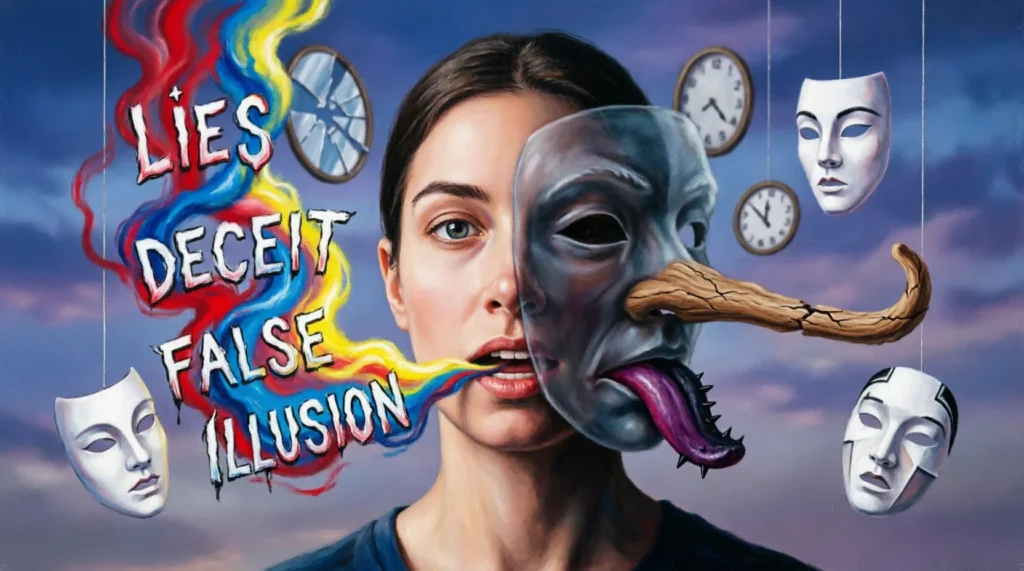
In short, similes for lying are comparisons that help you describe dishonesty in vivid and creative ways. They can make stories, poems, and essays more interesting by showing how someone lies rather than simply saying it. Keep reading to discover examples, writing tips, and fun ways to practice them.
What Are the Similes for Lying? (And Why They Matter)
[IMAGE: Student thinking of creative ways to describe dishonesty in a story]
Have you ever stared at a blank page while writing a story and wondered how to describe a dishonest character without repeating “he lied” over and over? Many students run into this problem when trying to make their writing more interesting.
Similes for lying are comparisons that use words such as “like” or “as” to describe dishonesty. They help you paint a picture in your reader’s mind instead of using plain words.
These comparisons matter because they make your writing more colorful and easier to understand. They can also help you in reading comprehension, creative writing assignments, and storytelling.
According to literacy educators and language arts researchers, figurative language helps students express emotions and ideas more clearly. Once you understand similes for lying, you can make characters and situations feel more real.
Now that you know what they are, let’s look at some examples you can use right away.
The Best Examples of the Similes for Lying
Here are some creative and age-appropriate examples of similes for lying:
He lied like a fox sneaking into a chicken coop.
Her words were as slippery as soap in wet hands.
He twisted the truth like a magician hiding a card.
She lied like a spider weaving a web.
His excuses were as thin as paper.
He lied like a child hiding cookie crumbs.
Her stories changed like clouds in the wind.
He was as tricky as a snake in tall grass.
She lied like an actor reading from a script.
His promises were as empty as an abandoned house.
He dodged the truth like a rabbit escaping danger.
Her lies spread like weeds in a garden.
He lied like a broken compass pointing the wrong way.
She was as dishonest as a mirror with cracks.
His explanation shifted like sand beneath your feet.
He lied like a fisherman exaggerating the size of his catch.
Her words were as fake as plastic flowers.
He lied like a weather forecast that never comes true.
She covered the truth like fog hiding a mountain.
His excuses piled up like laundry on a busy weekend.
He lied like a chameleon changing colors.
Her promises vanished like smoke in the air.
He was as unreliable as a clock that runs backward.
She lied like a puppet following invisible strings.
His stories stretched like chewing gum.
He lied like a magician distracting the crowd with one hand
As false as a smile held too long in a photograph
Her story shifted like sand, never settling on one shape
As deceptive as a map drawn with the roads switched around
He lied like a mirror showing you everything but the truth
As hollow as a promise made just to end an argument
These examples work because they create strong imagery. You can almost see the dishonesty happening, which makes your writing more memorable.
Creative writing teachers often encourage students to use vivid comparisons because they add emotion and detail. The best similes for lying help readers understand a character’s behavior without long explanations.
Next, let’s see how you can use these comparisons in your own writing.
How to Use the Similes for Lying in Your Writing
You don’t need to be a professional writer to use similes effectively. You can follow these simple steps.
Think about the kind of lie you want to describe.
Is the person sneaky, silly, or trying to avoid trouble? Matching the simile to the situation helps your writing feel natural.
Use “like” or “as” to make the comparison.
Example:
“Jacob lied like a fox sneaking through the woods when his teacher asked about the missing homework.”
Keep your similes fresh.
Instead of repeating the same comparison, try different images that fit your story.
Use similes sparingly.
Too many comparisons can make your writing confusing. Choose one strong simile when you want an important moment to stand out.
Once you start practicing, you’ll find that similes for lying can make even simple stories more exciting.
Similes for Lying in Poems and Stories
[IMAGE: Notebook with a poem about honesty and deception]
You can find similes for lying naturally in poems, stories, and songs. Writers use them to create emotion and rhythm.
Aisha wrote in her poem:
“His words floated away like smoke, Leaving only shadows behind. His promises were as empty as the wind.”
Mateo described a character in a story:
“Kevin lied like a magician hiding a secret card, and nobody noticed until the truth appeared.”
Priya wrote:
“Her excuses shifted like sand on the beach, changing shape whenever questions came.”
Poets and authors use these comparisons because they help readers imagine emotions and situations. They also make writing sound more powerful and memorable.
As you read books and stories, you’ll start noticing figurative language everywhere.
Common Mistakes Students Make With the Similes for Lying
Using metaphors instead of similes.
This is normal. Remember that similes usually use “like” or “as.”
Choosing comparisons that don’t match the situation.
A funny lie and a serious lie may need different similes. Try to fit the mood of your story.
Using too many similes in one paragraph.
Your writing becomes stronger when you choose one or two vivid comparisons instead of filling every sentence with them.
Making the comparison confusing.
Readers should easily understand the image you create. If the comparison feels strange, simplify it.
Repeating the same example every time.
Many students overuse “as sly as a fox.” Challenge yourself to think of new images related to dishonesty.
Avoiding these mistakes will help your writing sound smoother and more creative.
Fun Activities to Practice the Similes for Lying
Create Your Own Comparison Challenge
Grab a pencil and think of five objects or animals. Try making a simile about dishonesty using each one.
Story Swap Game
Play with friends or classmates. One person starts a story, and the next person adds a sentence containing a simile.
Draw and Write
Create a picture of a dishonest character. Then write three similes that describe that character.
Reading Detective
As you read books, look for comparisons that describe deception or trickery. Write them down in a notebook.
Simile Worksheet Challenge
Create a worksheet with incomplete comparisons and fill in the blanks. Challenge yourself to make each answer different.
Poem Builder
Write four lines of poetry using two similes for lying. Try to make the poem funny or mysterious.
Practicing regularly will help you become more confident with figurative language.
What NOT to Do With the Similes for Lying
Don’t force a simile into every sentence.
Good writing needs balance. One strong comparison is often enough.
Don’t assume all lies are serious.
Some situations are playful or humorous, so your similes can reflect that tone.
Don’t copy examples without changing them.
Your own ideas will make your writing more original and interesting.
Don’t confuse similes with ordinary descriptions.
A simile compares two things using “like” or “as,” which makes it different from a simple statement.
Understanding these habits can help you use similes more effectively.
Related reading: Looking for more descriptive comparisons? Check out our guides to similes for cruel and similes for broken for additional inspiration.
Frequently Asked Questions About the Similes for Lying
What is a simile for lying?
A simile for lying compares dishonesty to something else using “like” or “as.” For example, “He lied like a fox sneaking through the woods.” These comparisons help readers picture behavior more clearly.
How do you use similes for lying in a sentence?
You can place them in stories, essays, or poems. For example, “Sarah’s excuses changed like clouds in the sky whenever someone questioned her.”
What is the difference between a simile and a metaphor for lying?
A simile uses words like “like” or “as.” A metaphor directly states that one thing is another without using those comparison words.
Are similes for lying suitable for middle school students?
Yes. Many examples are easy for Grade 7 and Grade 8 students to understand. They can help you improve creative writing and reading skills.
Why do writers use similes for lying?
Writers use them to create imagery and emotion. Creative writing teachers and literacy researchers explain that vivid comparisons help readers connect with characters and events.
How can a lying simile show deception without directly calling someone a liar?
Focus on the effect of the lie rather than the person—“the excuse crumbled like a sandcastle at high tide” implies dishonesty through imagery instead of a blunt accusation.
Are lying similes useful in dialogue-heavy writing?
Yes. A narrator’s aside like “he lied as easily as breathing” can characterize a person in one line, saving you paragraphs of direct explanation.
Final Thoughts on the Similes for Lying
Learning similes for lying gives you more ways to describe dishonest characters and situations. Instead of repeating the same words, you can create pictures that stay in your reader’s mind.
You discovered examples, learned how to use them, and explored activities that make practice enjoyable. You also saw common mistakes and ways to avoid them.
Remember, you don’t have to use fancy language to become a strong writer. Simple and clear comparisons often work best.
With practice, your stories, poems, and essays will become more vivid and engaging, and you’ll find that creative writing is a skill anyone can learn and enjoy.
Jamal Rodriguez is a poet and author who has been writing professionally for over a decade. With a Bachelor’s degree in Creative Writing, Jamal’s expertise lies in the use of vivid imagery and emotional depth in poetic language. Fascinated by the limitless possibilities of similes and metaphors, he joined SimilePedia to share his knowledge with budding writers. Jamal focuses on creating content for creative writers and poets, helping them understand the emotional resonance that figurative language can evoke. Through his work, he aims to inspire others to explore their own creative boundaries and embrace the beauty of language as an art form. His contributions include a range of exercises that stimulate imagination across all grade levels.