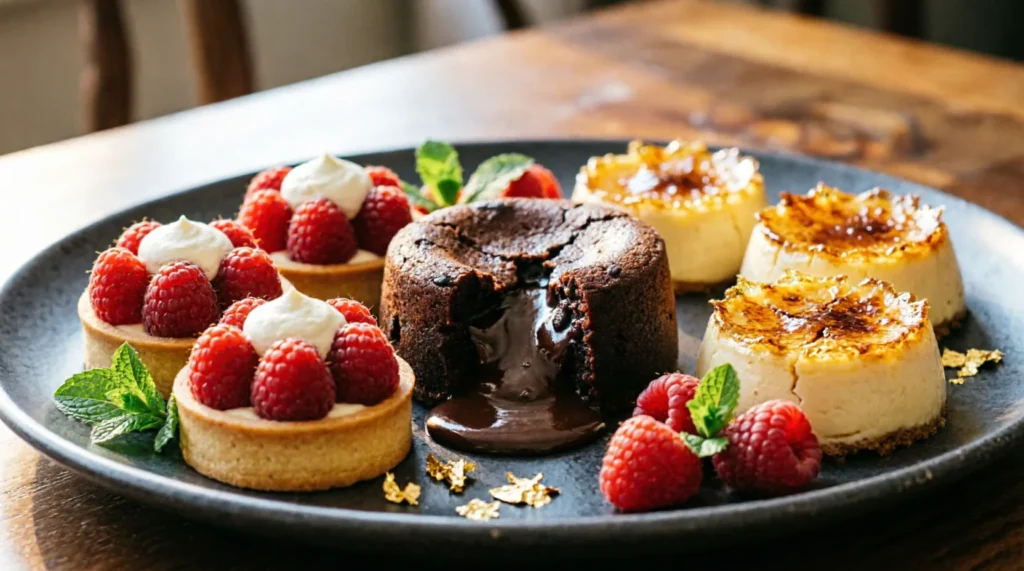
In short, similes for dessert help you describe sweet treats with vivid, memorable comparisons that bring your writing to life. Whether you’re writing a story, poem, or school assignment, you’ll discover creative examples and practical tips that make describing desserts much easier.
[IMAGE: Colorful assortment of cakes, cookies, ice cream, and pastries with a notebook and pencil]
What Are the similes for dessert? (And Why They Matter)
Have you ever stared at a writing assignment, trying to describe a slice of cake or a scoop of ice cream, but every sentence sounded boring? You’re not alone. Many students want their writing to feel exciting but aren’t sure how to paint a picture with words.
Similes for dessert are comparisons that use the words “like” or “as” to describe desserts in a creative way. They help you show readers what a dessert looks, tastes, smells, or feels like instead of simply telling them.
When you use these comparisons, your stories, poems, and essays become more colorful and easier to imagine. Literacy educators often encourage students to practice similes because they improve descriptive writing, reading comprehension, and creative thinking.
The more you practice, the easier it becomes to choose comparisons that fit your own style. Let’s explore some delicious examples you can use right away.
The Best Examples of the similes for dessert
[IMAGE: Student writing dessert descriptions beside cupcakes and fruit pies]
The chocolate cake was as soft as a fluffy cloud.
The ice cream melted like snow in the sunshine.
The cookie was as crunchy as autumn leaves.
The frosting spread like silk across the cake.
The pie smelled like a warm hug on a cold day.
The cheesecake was as smooth as velvet.
The brownie was as rich as buried treasure.
The candy sparkled like tiny stars.
The pudding was as creamy as fresh paint.
The cupcake stood like a tiny castle.
The cinnamon roll was as warm as a cozy blanket.
The caramel dripped like golden honey.
The tart was as bright as a summer sunrise.
The jelly wobbled like a happy little dance.
The whipped cream floated like soft clouds.
The donut was as round as the full moon.
The fruit parfait looked like a rainbow in a glass.
The marshmallow was as light as a feather.
The cookie dough felt like soft clay.
The chocolate mousse was as airy as a gentle breeze.
The macarons were like colorful little jewels.
The lemon pie was as cheerful as a sunny afternoon.
The milkshake was like a cool river on a hot day.
The candy cane was as shiny as polished glass.
These examples work because they help your reader imagine the dessert using familiar sights, textures, and feelings. Strong imagery and sensory details make your writing memorable, which is why creative writing teachers often recommend practicing descriptive comparisons.
How to Use the similes for dessert in Your Writing
Now that you’ve seen several examples, you can begin creating your own. You don’t have to copy every example—you can use them as inspiration.
Think about what makes the dessert special. Is it soft, crunchy, creamy, colorful, or sweet?
Compare that quality to something your reader already knows. Choose something easy to picture.
Use the words “like” or “as” naturally in your sentence.
Read your sentence aloud. If it sounds smooth and creates a clear picture, you’ve probably written a strong simile.
Example:
“The strawberry cupcake was as bright as a blooming rose, making everyone smile before the first bite.”
As you keep writing, you’ll notice that choosing the right comparison becomes much more natural.
Similes for Dessert in Poems and Stories
Poets and authors use similes because they create emotion, rhythm, and vivid pictures. A simple dessert can become unforgettable when you compare it to something meaningful.
Aisha wrote:
“The pudding rested like quiet moonlight, Sweet dreams hidden in every bite.”
Miguel described a birthday party:
“The chocolate cake stood like a proud mountain, waiting for everyone to gather around before the candles glowed.”
Priya wrote:
“The ice cream sparkled like morning frost, A tiny treasure that quickly was lost.”
These small examples show how similes for dessert can make poems and stories feel richer without using difficult words.
Common Mistakes Students Make With similes for dessert
Everyone makes mistakes while learning. The good news is that each one is easy to fix.
Comparing unrelated things. A dessert should be compared to something that shares a similar quality. Random comparisons often confuse your reader.
Forgetting to use “like” or “as.” Without these words, your sentence may become a metaphor instead of a simile.
Using the same comparison repeatedly. If every dessert is “as sweet as sugar,” your writing can become repetitive. Challenge yourself to think of fresh ideas.
Choosing comparisons that don’t match the dessert. Saying ice cream is “as hot as fire” usually doesn’t make sense unless you’re writing fantasy or humor.
Adding too many similes in one paragraph. One or two strong comparisons often create a bigger impact than filling every sentence with them.
Once you recognize these common mistakes, your descriptive writing becomes much stronger.
Fun Activities to Practice similes for dessert
Learning becomes easier when you turn it into a game.
Grab a pencil and write five different desserts. Create one original simile for each.
Play a classroom guessing game. One student reads a simile while everyone guesses the dessert.
Draw your favorite dessert, then write three similes describing its taste, smell, and appearance.
Read a favorite story or poem. Look for similes and decide whether you could replace them with dessert-themed comparisons.
Challenge yourself with a timed worksheet. Give yourself five minutes to create ten new dessert similes without repeating ideas.
These activities help you build confidence while making creative writing enjoyable.
What NOT to Do With similes for dessert
Some writing habits can weaken your descriptions. Here are a few myths to avoid.
Don’t think every dessert needs a simile. Sometimes a simple description works best.
Don’t copy famous comparisons without making them your own. Original ideas help your writing stand out.
Don’t choose confusing comparisons just because they sound fancy. Clear, simple images are often the most effective.
Don’t assume sweeter words always create better similes. The comparison should match the dessert’s real qualities, not just sound impressive.
By avoiding these habits, you’ll create comparisons that readers can easily picture.
Frequently Asked Questions About similes for dessert
What is a simile for dessert?
A simile for dessert compares a dessert to something else using the words “like” or “as.” For example, “The cheesecake was as smooth as velvet” helps readers imagine its creamy texture.
How do you use similes for dessert in a sentence?
You simply compare the dessert to something familiar. For example: “The brownie was as rich as buried treasure.” This creates a stronger image than simply saying it tasted good.
What is the difference between a simile and a metaphor for dessert?
A simile uses “like” or “as” to compare two things. A metaphor says one thing is another without those comparison words. Both create vivid descriptions, but they work differently.
Are similes for dessert good for elementary and middle school students?
Yes. They are perfect for helping students build descriptive vocabulary and creative thinking. You can make the comparisons as simple or detailed as your grade level requires.
Why do writers use similes for dessert?
Writers use them to help readers imagine flavors, textures, smells, and emotions more clearly. Language arts educators and literacy researchers note that vivid imagery keeps readers engaged and makes stories more memorable.
Final Thoughts on similes for dessert
Describing desserts doesn’t have to be difficult. With the right similes, you can help your readers almost taste the chocolate, smell the cinnamon, or picture the colorful frosting.
Throughout this guide, you’ve explored creative examples, learned how to build your own comparisons, discovered common mistakes, and practiced fun activities that strengthen your writing.
Remember that the best similes for dessert are the ones that create clear pictures and genuine emotions. Don’t be afraid to experiment with new ideas and use your imagination.
Every great writer started with simple comparisons. Keep practicing, trust your creativity, and enjoy making your writing as delightful as your favorite dessert.
Liam Nguyen is a passionate educator and writer with a deep love for figurative language. He holds a master’s degree in Creative Writing and has spent eight years teaching at various educational settings, focusing on language enrichment programs for children from grades 2-6. His expertise in crafting metaphorical language and similes into captivating content stems from his belief that storytelling is the heartbeat of learning. Liam’s contributions to SimilePedia span from emotion-driven examples to color-inspired narrative tools. He is committed to fostering a creative environment where students can explore and find joy in their unique expressions.