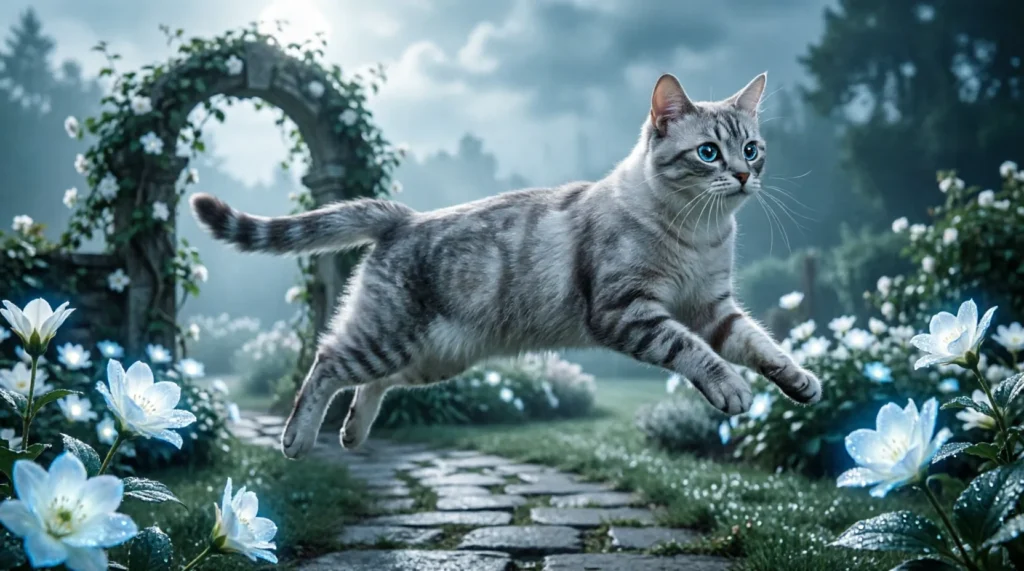
In short, similes for cat are playful comparisons that help you describe cats in vivid, imaginative ways. They make your writing more colorful, whether you’re working on homework, a poem, or a story. Keep reading to discover dozens of fun examples and tips to use them like a pro.
What Are the Similes for Cat? (And Why They Matter)
Picture yourself staring at a blank page, trying to describe your pet cat. You know it’s soft, quick, and mysterious, but the words feel flat. That’s where similes for cat come in — they give your writing sparkle.
A simile is a comparison using “like” or “as.” So when you say, “My cat is as quiet as a shadow,” you’re painting a picture in the reader’s mind. It’s simple, but powerful.
Language arts educators often remind students that similes boost creativity, improve reading comprehension, and make exam answers stand out. Literacy researchers also note that similes help young writers connect emotions with imagery, which strengthens storytelling.
When you use similes for cat, you’re not just describing an animal — you’re building mood, rhythm, and personality into your writing. That’s why they matter so much in both schoolwork and creative projects.
The Best Examples of Similes for Cat
Here are 20 vivid, student-friendly similes for cat:
As curious as a detective on a new case
As silent as a shadow slipping through the night
As playful as a child chasing bubbles
As graceful as a ballerina on stage
As sneaky as a thief tiptoeing in the dark
As soft as a cloud drifting across the sky
As quick as lightning flashing in a storm
As independent as a traveler on a solo journey
As mysterious as a locked treasure chest
As watchful as a guard at the castle gate
As stubborn as a locked door that won’t budge
As loyal as a best friend waiting at the door
As unpredictable as the weather in spring
As warm as sunshine on a winter morning
As fierce as a tiny tiger defending its space
As flexible as a gymnast bending backwards
As patient as a fisherman waiting for a catch
As proud as a king surveying his land
As quiet as falling snow in the night
As playful as a puppy discovering a toy
These examples work because they use imagery and emotions you already know. They connect cats to everyday experiences, making your writing relatable and memorable.
How to Use the Similes for Cat in Your Writing
Choose the mood — Decide if you want your cat to seem funny, mysterious, or fierce.
Pick a simile — Match the mood with one of the similes for cat.
Place it naturally — Add the simile into a sentence without forcing it.
Revise for flow — Read aloud to check if it sounds smooth.
Example: “Luna darted across the room, as quick as lightning flashing in a storm.”
Similes for Cat in Poems and Stories
Writers often use similes for cat in poems and short stories to add rhythm and emotion. Here are a few micro-examples:
“Mei’s cat curled on the windowsill, as soft as a drifting cloud.”
“Javier wrote in his notebook: his cat was as stubborn as a locked door, refusing to move.”
“Aisha’s poem read: her cat was as graceful as a ballerina, dancing across the floor.”
Poets and authors use similes because they create vivid pictures and emotional connections. They make the reader feel the cat’s personality instead of just seeing it.
Common Mistakes Students Make With the Similes for Cat
Using clichés too often — “As curious as a cat” is fine, but it’s overused. Try fresher ideas.
Forgetting the subject — Writing “as soft as a cloud” without mentioning the cat leaves readers confused.
Mixing metaphors and similes — Saying “My cat is a shadow like the night” blends forms awkwardly.
Overloading sentences — Too many similes in one line can feel messy.
Choosing mismatched images — A cat described “as heavy as a mountain” doesn’t fit reality.
Fun Activities to Practice the Similes for Cat
Simile Challenge — Write five new similes for cat in under five minutes.
Drawing + Writing Combo — Sketch a cat, then add similes around the picture.
Group Game — Each student writes one simile for cat, then passes it around to build a chain poem.
Worksheet Practice — Fill in blanks like “My cat is as ___ as ___.”
Reading Hunt — Find similes for cat in a favorite book or poem and share with classmates.
Story Starter — Begin a short story with a simile for cat and see where it leads.
What NOT to Do With the Similes for Cat
Don’t force comparisons — If the simile doesn’t fit, it weakens your writing.
Don’t confuse similes with metaphors — Similes use “like” or “as,” metaphors don’t.
Don’t assume cats are all the same — Not every cat is “as lazy as a rock.” Some are energetic!
Don’t skip revision — Even good similes need polishing to sound natural.
Frequently Asked Questions About the Similes for Cat
What is a simile for cat?
A simile for cat is a comparison using “like” or “as” to describe a cat’s traits. For example, “My cat is as quiet as falling snow.” It makes your description more vivid and engaging.
How do you use similes for cat in a sentence?
You simply place the simile after describing your cat. For instance: “The cat leapt onto the table, as quick as lightning.” It should flow naturally with the rest of your writing.
What is the difference between a simile and a metaphor for cat?
A simile uses “like” or “as,” while a metaphor says the cat is something else. “My cat is like a shadow” is a simile. “My cat is a shadow” is a metaphor.
Are similes for cat appropriate for middle school students?
Yes, they’re perfect for middle school. They’re easy to understand, fun to write, and help students improve descriptive language in essays, poems, and stories.
Why do writers use similes for cat?
Writers use similes for cat to capture personality, mood, and imagery. They make cats feel alive on the page, whether the writer wants them to seem playful, mysterious, or fierce.
Final Thoughts on the Similes for Cat
You’ve seen how similes for cat can transform plain descriptions into vivid, memorable writing. They’re simple tools, but they unlock creativity in powerful ways.
Whether you’re a student writing homework, a teacher guiding a class, or a parent helping with practice, similes for cat make language arts more fun. They connect everyday experiences with imagination.
Remember, your writing doesn’t have to be perfect right away. With practice, you’ll find similes that fit your cat’s personality and your own style. Keep experimenting, and you’ll grow as a writer.
So grab your pencil, trust your creativity, and let your words leap like a cat chasing a butterfly. You’ve got this!
Liam Nguyen is a passionate educator and writer with a deep love for figurative language. He holds a master’s degree in Creative Writing and has spent eight years teaching at various educational settings, focusing on language enrichment programs for children from grades 2-6. His expertise in crafting metaphorical language and similes into captivating content stems from his belief that storytelling is the heartbeat of learning. Liam’s contributions to SimilePedia span from emotion-driven examples to color-inspired narrative tools. He is committed to fostering a creative environment where students can explore and find joy in their unique expressions.