In short, similes for a storm are comparisons that help readers picture the power, sound, movement, or feeling of a storm by using the words “like” or “as.” They make descriptions more vivid, emotional, and memorable. Keep reading to discover dozens of creative examples and learn how to use them in your own writing.
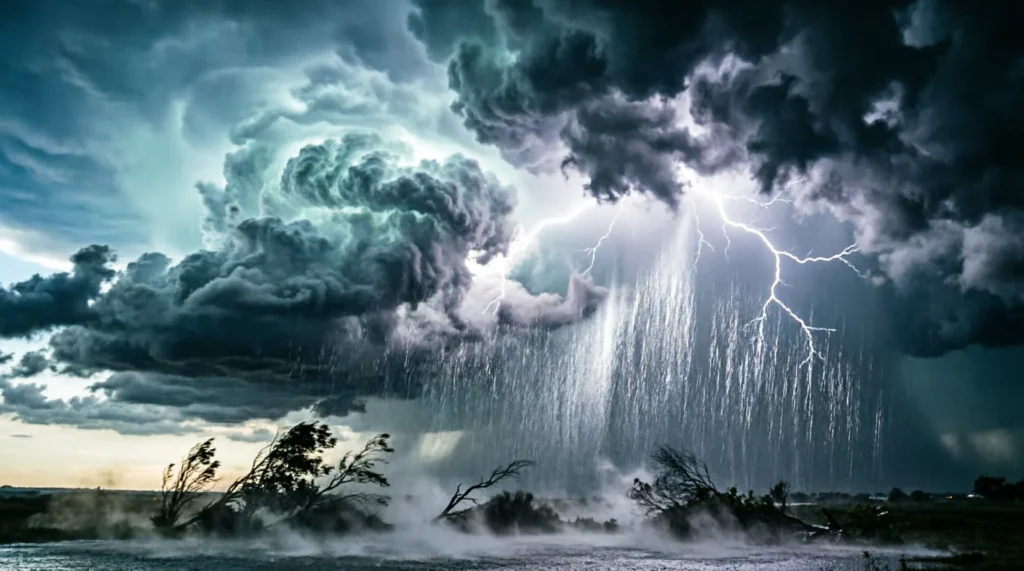
[IMAGE: Dark storm clouds rolling across the sky with lightning in the distance]
What Are Similes for a Storm? (And Why They Matter)
Have you ever stared at a blank page, trying to describe a storm, but all you could think of was “it was loud” or “it was scary”? Many students run into this problem when writing stories, poems, or descriptive paragraphs.
Similes for a storm are comparisons that use “like” or “as” to help readers imagine what a storm looks, sounds, or feels like. Instead of saying a storm was powerful, you might say it was “like a giant roaring across the sky.”
These comparisons help your writing become more colorful and engaging. They allow readers to experience the storm instead of simply reading about it.
According to literacy educators and language arts researchers, figurative language helps students strengthen descriptive writing, improve reading comprehension, and express ideas more creatively. Once you learn how to use similes for a storm, you’ll notice them everywhere in books, poems, and stories.
Now let’s explore some of the strongest examples you can use in your own writing.
The Best Examples of Similes for a Storm
The storm rolled across the sky like a herd of wild horses.
The thunder crashed like giant drums beating overhead.
The storm moved in like an army marching toward battle.
The wind howled like a pack of hungry wolves.
The clouds gathered like a dark blanket covering the world.
The lightning flashed like a camera in the night.
The storm raged like an angry giant.
The rain fell like thousands of tiny arrows.
The thunder boomed like a cannon firing in the distance.
The sky darkened like a curtain being pulled shut.
The storm spun like a dancer twirling across a stage.
The wind swept through the trees like a rushing river.
The clouds churned like boiling water in a pot.
The lightning zigzagged like a silver snake.
The storm roared like a lion protecting its territory.
The rain hammered the roof like fists pounding on a door.
The thunder echoed like a drum inside a cave.
The storm approached like a train speeding down the tracks.
The clouds drifted together like ships gathering at sea.
The wind screamed like a frightened child.
The rain poured like a waterfall from the heavens.
The storm exploded across the sky like fireworks in the dark.
The lightning struck like a spear thrown from the clouds.
The storm spread like ink spilling across paper.
The thunder rolled like rocks tumbling down a mountain.
The wind twisted through the streets like a restless ghost.
The storm arrived like an unexpected guest.
The rain danced on the pavement like tiny tapping feet.
The clouds swirled like smoke from a giant fire.
The storm shook the windows like a giant rattling a toy.
These examples work well because they create strong mental pictures. Good similes for a storm connect the storm to something familiar, helping readers imagine its sound, movement, size, or emotion more clearly.
The more specific your comparison is, the more memorable your writing becomes.
“Like a giant drum echoing across the hills” — Captures the deep, rolling sound of a storm and works well in vivid nature descriptions.
“As restless as wind racing through tall grass” — Highlights the constant movement and energy of a storm in outdoor scenes.
“Like dark waves rolling across the sky” — Emphasizes the way storm clouds spread over the horizon in descriptive writing.
“As fierce as rain pounding on a rooftop” — Shows the strength and intensity of heavy rainfall during a storm.
“Like branches dancing in a wild wind” — Describes the lively, untamed movement that storms create in nature.
💛 Warm & Emotional (for personal stories, letters, heartfelt writing)
“Like a storm clearing the air after a hard day” — Suggests emotional release and the feeling of moving forward after difficulties.
“As overwhelming as a storm of emotions” — Expresses moments when feelings become difficult to control.
“Like thunder breaking a long silence” — Works well for describing powerful conversations or emotional breakthroughs.
“As gentle as rain after the strongest storm” — Shows comfort, hope, and healing after a challenging experience.
“Like a storm passing through the heart” — Describes temporary sadness, worry, or excitement in a thoughtful way.
✨ Poetic & Romantic (for poems, song lyrics, love writing)
“Like silver rain weaving songs through the night” — Creates a soft, musical image perfect for poetic writing.
“As mysterious as a storm beneath the moon” — Adds wonder and mystery to romantic or lyrical descriptions.
“Like lightning painting the heavens with light” — Gives a dramatic and beautiful image for poems.
“As graceful as rain falling through quiet dreams” — Blends the power of a storm with gentle, dreamlike imagery.
“Like clouds embracing the sky before the rain” — Symbolizes anticipation, change, or deep emotions in creative writing.
😄 Playful & Fun (for casual use, social media captions, humor)
“Like a storm that forgot to use its indoor voice” — A funny way to describe something loud or dramatic.
“As busy as a storm chasing every leaf” — Perfect for describing energetic people or chaotic moments.
“Like thunder announcing its grand entrance” — Adds humor when someone arrives loudly or confidently.
“As dramatic as a storm in a weather movie” — Great for playful exaggeration in conversations or captions.
“Like rain racing everyone back inside” — A lighthearted simile for sudden surprises or quick changes.
These tone-grouped similes for a storm give you options for every kind of writing — whether you need something soft and poetic or bold and fun. Try picking one from each group and using them in a short paragraph to see how different the same keyword can feel.
Using similes for a storm in Real Writing Contexts
In a Descriptive Essay
When writing about weather or nature, similes for a storm help readers picture the scene more clearly. Instead of simply saying the storm was strong, compare it to something familiar to create a lasting image. For example: “The storm rolled over the valley like dark waves sweeping across the sea, covering everything in shadow.”
In a Poem
Similes for a storm can build mood, whether you want your poem to feel peaceful, mysterious, or powerful. They add rhythm and emotion by connecting weather to vivid images. For example: “The night sang like a storm beneath the moon, while silver rain whispered to the sleeping earth.”
In a Story or Creative Scene
A storm can reflect a character’s emotions or make an action scene feel more exciting. A carefully chosen simile helps readers experience the atmosphere instead of simply reading about it. For example: “The wind rushed around Maya like a giant drum echoing across the hills, making every step toward the old cabin feel more uncertain.”
In a Social Media Caption or Message
Short similes for a storm make captions and messages more expressive and memorable. They add personality without making your writing too long. For example: “Today’s weather showed up like a storm that forgot to use its indoor voice! ⛈️😂”
The more you practice placing similes for a storm into real sentences, the more natural your writing will sound — and the more your reader will feel exactly what you want them to feel.
How to Use Similes for a Storm in Your Writing
Using similes for a storm is easier than many students think. Follow these simple steps to make your descriptions stronger.
Choose one part of the storm to focus on. Think about the rain, thunder, lightning, clouds, or wind. Focusing on one detail helps you create a clearer comparison.
Ask yourself what it reminds you of. Does the thunder sound like drums? Does the lightning move like a snake? Use your senses and imagination.
Use “like” or “as” naturally. A simile should fit smoothly into your sentence rather than feeling forced.
Match the mood of your writing. If your story is scary, choose dramatic similes. If it is playful, choose lighter comparisons.
Example:
“The thunder crashed like giant drums while the storm marched across the valley.”
This sentence helps readers hear and picture the storm at the same time.
Once you get comfortable creating comparisons, you’ll start spotting opportunities to use them in poems and stories too.
Similes for a Storm in Poems and Stories
Poets and authors often use similes for a storm because they create vivid imagery and emotional impact. They can make a scene feel exciting, frightening, mysterious, or dramatic.
Here are a few examples.
A short poem by Aisha:
“The storm arrived like a warrior at night, Its thunder beating like drums of might, Its lightning flashing like silver fire, Filling the sky with fierce desire.”
Story example:
“Miguel watched from the porch as the storm rolled in like a herd of wild horses. The wind raced through the fields, and the clouds gathered like dark mountains above him.”
Poem snippet by Ravi:
“The rain fell like scattered pearls, The thunder rolled like ancient wheels, And the storm drifted through the night Like a giant sharing secrets.”
Writers use these comparisons because they help readers feel the scene rather than simply observe it. That emotional connection is one reason similes remain a favorite tool in creative writing.
As you practice, you’ll also learn which mistakes to avoid.
Common Mistakes Students Make With Similes for a Storm
Using comparisons that don’t fit the storm Sometimes students compare a storm to something unrelated. Make sure your simile matches the storm’s sound, movement, appearance, or feeling.
Choosing overused comparisons Similes like “as loud as thunder” may work, but they often feel predictable. Try creating fresher images when possible.
Mixing too many similes together Adding several comparisons in one sentence can confuse readers. Choose your strongest image and let it shine.
Forgetting the mood of the story A funny simile may not fit a serious or suspenseful scene. Match your comparison to the tone of your writing.
Describing every part of the storm the same way Thunder, lightning, wind, and rain each have unique qualities. Give each one its own interesting comparison.
These mistakes are completely normal when you’re learning. With practice, your similes will become more natural and effective.
A great way to improve is through hands-on activities.
Fun Activities to Practice Similes for a Storm
Storm Sound Challenge Grab a pencil and list all the sounds a storm makes. Then create a simile for each sound you write down.
Draw and Describe Draw a storm scene and write five similes for different parts of your picture. This helps connect visual thinking with writing.
Simile Matching Game Play with friends or classmates by matching storm features to possible comparisons. See who can create the most creative pairings.
Reading Detective Try finding similes for a storm in novels, poems, or short stories. Keep a notebook of your favorite examples.
Build a Storm Paragraph Challenge yourself to write a paragraph that includes three different storm similes without repeating ideas.
Worksheet Race Create a worksheet with unfinished storm similes and fill in the missing comparisons. Time yourself and see how many unique ideas you can generate.
These activities help you build confidence while making figurative language feel more enjoyable.
What NOT to Do With Similes for a Storm
Don’t force a comparison just to have one. A simple description is sometimes stronger than a weak simile.
Don’t copy every simile you find online. Your own observations often create more original and interesting writing.
Don’t use the same storm simile repeatedly. Variety keeps your writing fresh and engaging.
Don’t assume every storm must be scary. Some storms can feel peaceful, mysterious, beautiful, or exciting depending on your writing purpose.
Keeping these tips in mind will help your similes feel natural rather than mechanical.
Bonus: Even More Similes for a Storm
Still need a bigger, wilder comparison? These bonus similes for a storm push the imagery even further, from the first rumble to the full downpour. If you liked these, check out our similes for rain pouring for even more comparisons.
The storm rolled in like a curtain being yanked shut on the sky.
Thunder cracked like the sky itself had lost its temper.
The wind howled like it was chasing something across the fields.
Rain hammered the roof like a drumline warming up before a show.
The storm passed like a bully who’d said his piece and moved on.
Frequently Asked Questions About Similes for a Storm
What is a simile for a storm?
A simile for a storm is a comparison that uses “like” or “as” to describe a storm. An example is, “The storm roared like a lion.” This helps readers picture or feel the storm more vividly.
How do you use similes for a storm in a sentence?
You can compare a part of the storm to something familiar. For example, “The lightning flashed like silver ribbons across the sky.” The comparison makes the description more memorable.
What is the difference between a storm simile and a storm metaphor?
A simile uses words such as “like” or “as.” A metaphor makes a direct comparison without those words. For example, “The storm was a raging beast” is a metaphor, while “The storm was like a raging beast” is a simile.
Are similes for a storm appropriate for elementary and middle school students?
Yes. Similes for a storm can be adapted for many grade levels. Younger students can use simple comparisons, while older students can create more detailed and imaginative ones.
Why do writers use similes for a storm?
Writers use them to create stronger imagery and emotions. A well-crafted simile helps readers hear the thunder, see the lightning, and feel the energy of the storm more clearly.
Final Thoughts on Similes for a Storm
Similes for a storm are powerful tools that can transform ordinary descriptions into memorable scenes. They help readers picture the clouds, hear the thunder, and experience the weather in a more vivid way.
In this guide, you explored dozens of examples, learned practical writing strategies, discovered common mistakes, and found fun activities to strengthen your skills. Each comparison offers a new way to bring a storm to life on the page.
The best similes often come from your own observations and imagination. The more you read and write, the easier it becomes to create comparisons that feel original and meaningful.
Keep experimenting, keep practicing, and remember that every great writer started by learning one creative comparison at a time.
Frequently Asked Questions
What are some examples of similes for a storm?▼
Some examples include ‘The storm rolled across the sky like a herd of wild horses’ and ‘The thunder crashed like giant drums beating overhead.’ These comparisons help create vivid mental images and enhance the reader’s experience.
How do similes improve descriptive writing?▼
Similes enrich descriptive writing by allowing readers to visualize and feel the elements being described. By comparing a storm to familiar objects or experiences, writers can evoke stronger emotions and create memorable imagery.
Why are similes important in literature?▼
Similes are important because they add depth to descriptions, making them more engaging and relatable. They not only enhance the beauty of the language but also help convey complex emotions and settings effectively.
Can similes for a storm be used in different types of writing?▼
Yes, similes for a storm can be utilized in various forms of writing, including stories, poems, and essays. They are versatile tools that can enhance the mood and imagery in any piece of writing.
What should I consider when creating my own similes for a storm?▼
When creating similes, consider using comparisons that are specific and relatable to your audience. The more vivid and imaginative your comparisons, the more likely they are to resonate with readers.
How do similes help in reading comprehension?▼
Similes aid in reading comprehension by providing readers with relatable points of reference, making it easier to understand and visualize the text. This figurative language encourages deeper engagement with the material.
What tone should I use for similes in nature writing?▼
For nature writing, aim for a natural and descriptive tone. Use similes that evoke the beauty and power of nature, such as ‘Like a giant drum echoing across the hills,’ to create a vivid atmosphere.
Liam Nguyen is a passionate educator and writer with a deep love for figurative language. He holds a master’s degree in Creative Writing and has spent eight years teaching at various educational settings, focusing on language enrichment programs for children from grades 2-6. His expertise in crafting metaphorical language and similes into captivating content stems from his belief that storytelling is the heartbeat of learning. Liam’s contributions to SimilePedia span from emotion-driven examples to color-inspired narrative tools. He is committed to fostering a creative environment where students can explore and find joy in their unique expressions.