In short, similes for rain pouring are creative comparisons that help you describe heavy rainfall in a more vivid and memorable way. They compare pouring rain to something else using words like “as” or “like,” helping readers picture, hear, and even feel the storm. Keep reading to discover powerful examples, writing tips, common mistakes, and fun practice activities.
What Are Similes for Rain Pouring? (And Why They Matter)
Have you ever stared at a blank page while trying to describe a storm? Maybe your teacher asked you to write about a rainy day, and all you could think of was, “It was raining hard.” If that sounds familiar, you are not alone.
Similes for rain pouring are comparisons that help you describe heavy rain by connecting it to something your reader already understands. They usually use the words “like” or “as.”
For example, instead of saying, “The rain was heavy,” you might write, “The rain fell like a waterfall from the sky.” Suddenly, your reader can picture the scene much more clearly.
These similes matter because they make your writing more interesting, colorful, and engaging. Literacy educators and language arts researchers often emphasize that descriptive language helps readers connect more deeply with stories, poems, and personal narratives.
When you learn how to use similes well, you can improve your creative writing, strengthen your reading comprehension, and add more detail to school assignments. Now let’s explore some of the best examples you can use right away.
The Best Examples of Similes for Rain Pouring
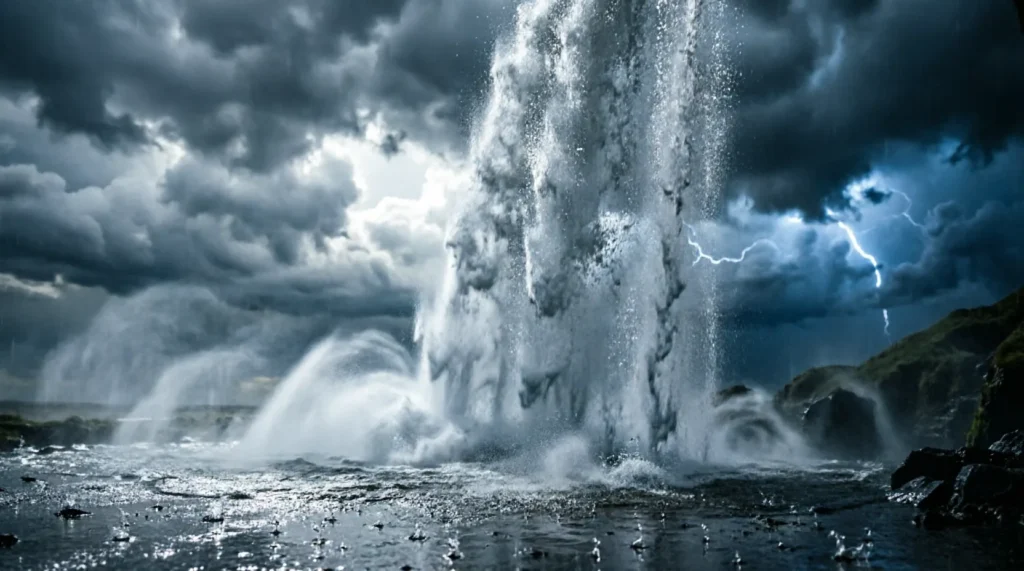
[IMAGE: Heavy rain falling during a dramatic storm]
The rain poured like a waterfall spilling from the clouds.
The rain fell like thousands of tiny drums beating on the roof.
The rain came down like buckets being emptied from the sky.
The storm rained like a broken showerhead that would not turn off.
The rain poured like silver strings hanging from the clouds.
The drops crashed down like marbles tossed onto a sidewalk.
The rain fell like tears streaming down a giant face.
The sky opened like a tipped-over ocean.
The rain rushed down like a river falling from above.
The storm poured like a giant watering can over the earth.
The rain fell like curtains of glass covering the streets.
The drops splashed like dancers jumping across puddles.
The rain poured like coins spilling from an overflowing treasure chest.
The storm rumbled while rain fell like sheets being shaken from the sky.
The rain came down like endless ropes stretching from cloud to ground.
The downpour hit the windows like pebbles tossed by the wind.
The rain poured like melted silver flowing from the heavens.
The storm drenched the town like a sponge squeezed over everything.
The rain fell like confetti thrown by a stormy sky.
The drops rushed down like racing runners competing to reach the ground.
The rain poured like paint spilling across a giant canvas.
The downpour fell like beads sliding from a broken necklace.
The storm showered the fields like a gardener watering every corner.
The rain came down like an army marching across rooftops.
The rain poured like a million tiny footsteps dancing on the earth.
These examples work because they create strong images in your mind. Good similes for rain pouring help readers hear the noise, see the movement, and feel the energy of the storm.
The best similes often connect rain to everyday objects or experiences. This makes your writing easier to understand while still being imaginative.
How to Use Similes for Rain Pouring in Your Writing
Using similes for rain pouring becomes much easier when you follow a few simple steps.
Start by thinking about what the rain looks, sounds, or feels like. Ask yourself whether the rain reminds you of a waterfall, drums, ropes, tears, or something else.
Choose a comparison your readers can easily imagine. The clearer the image, the stronger your simile will be.
Use “like” or “as” naturally. For example: “The rain poured like a waterfall crashing from the clouds.”
Match the simile to the mood of your writing. A funny story might compare rain to a broken sprinkler, while a serious story might compare it to tears or a rushing river.
Example in context:
“The thunder shook the windows as the rain poured like buckets being dumped from the sky, turning the playground into a sea of puddles.”
When you practice regularly, you will find that similes begin to come naturally whenever you write descriptions.
Similes for Rain Pouring in Poems and Stories
Poets and authors use similes for rain pouring because they create emotion, rhythm, and vivid imagery. They help readers experience a scene instead of simply reading about it.
Here is a short poem by a fictional student named Aisha:
“Rain poured like silver ribbons bright, Dancing softly through the night. Puddles shimmered in the glow, As storm clouds drifted far below.”
Here is a story example from a student named Ethan:
“The rain poured like a waterfall over the soccer field. Within minutes, the grass disappeared beneath pools of muddy water, and everyone raced for shelter.”
Another example comes from Sofia:
“The rain fell like endless strings hanging from the sky. She watched from her bedroom window, counting each flash of lightning in the distance.”
Creative writing teachers often encourage students to use similes because they help readers build mental pictures. When you add a strong simile, your story becomes more memorable and engaging.
As you continue exploring these examples, it is also helpful to know which mistakes to avoid.
Common Mistakes Students Make With Similes for Rain Pouring
Using comparisons that do not relate to rain Sometimes students compare rain to things that do not match its appearance, sound, or movement. Choose comparisons that help readers picture the rainfall clearly.
Overusing similes in every sentence Similes are powerful, but too many can make your writing feel crowded. Use them where they have the greatest impact.
Mixing several similes together Comparing rain to a waterfall, a train, a dragon, and fireworks in one paragraph can confuse readers. Pick one strong image at a time.
Creating unclear comparisons If your reader has to work hard to understand the comparison, the simile may not be effective. Simplicity often works best.
Forgetting the mood of the scene A silly comparison may not fit a serious storm scene. Make sure your simile matches the feeling you want your reader to experience.
These mistakes are very common, and you can improve quickly once you recognize them.
“The rain poured like silver threads falling from the sky.” — This creates a graceful visual image that works well in descriptive nature writing.
“The rain came down as steadily as a river finding its course.” — Use this to describe long-lasting, continuous rainfall.
“The rain poured like water spilling over a mountain cliff.” — This highlights the strength and speed of heavy rain.
“The rain fell as thick as leaves in autumn.” — A vivid comparison that emphasizes how densely the rain is falling.
“The rain rushed like countless tiny streams joining together.” — Perfect for showing powerful rainfall covering everything at once.
💛 Warm & Emotional (for personal stories, letters, heartfelt writing)
“The rain poured like quiet tears after a long day.” — Use this when describing sadness, reflection, or emotional moments.
“The rain fell as gently as comforting hands on tired shoulders.” — This creates a peaceful, reassuring feeling despite the rain.
“The rain poured like memories returning all at once.” — A thoughtful simile that fits reflective personal writing.
“The rain drifted like soft whispers around the house.” — Great for describing calm, cozy moments indoors.
“The rain came down as faithfully as an old friend.” — This suggests reliability and familiarity in a warm, emotional way.
✨ Poetic & Romantic (for poems, song lyrics, love writing)
“The rain poured like stars melting across the sky.” — A dreamy image suited to poetry and lyrical writing.
“The rain fell as softly as love letters floating through the wind.” — This adds a gentle, romantic mood.
“The rain poured like forgotten songs returning to life.” — Ideal for nostalgic poems and creative writing.
“The rain shimmered like crystal ribbons dancing through the air.” — A beautiful comparison that focuses on the rain’s appearance.
“The rain flowed as endlessly as a promise kept forever.” — Use this to symbolize lasting emotions or devotion.
😄 Playful & Fun (for casual use, social media captions, humor)
“The rain poured like someone forgot to turn off the world’s biggest shower.” — A funny exaggeration for everyday conversations.
“The rain came down as wildly as popcorn popping everywhere.” — Great for energetic and playful descriptions.
“The rain poured like a bucket challenge from the clouds.” — A humorous simile that captures sudden heavy rain.
“The rain splashed around like excited puppies at play.” — Perfect for cheerful, lighthearted writing.
“The rain fell as fast as kids racing out for summer break.” — A fun comparison that students can easily relate to.
These tone-grouped similes for rain pouring give you options for every kind of writing — whether you need something soft and poetic or bold and fun. Try picking one from each group and using them in a short paragraph to see how different the same keyword can feel.
Using similes for rain pouring in Real Writing Contexts
In a Descriptive Essay
When writing a descriptive essay, heavy rain becomes much more memorable when readers can picture it through a simile. Instead of simply saying it rained hard, compare the rainfall to something familiar and visual. Example:The rain poured like silver threads weaving a curtain across the valley, hiding every distant hill from view.
In a Poem
Similes for rain pouring can shape the mood of a poem by making the weather feel peaceful, lonely, joyful, or dramatic. Choose comparisons that match the emotion you want your reader to experience. Example:The rain poured like forgotten songs from the clouds, washing the silence into gentle music.
In a Story or Creative Scene
In stories, a simile can make the setting feel alive while also reflecting a character’s emotions. It helps readers experience the scene instead of simply reading about it. Example:As Maya hurried toward the old cabin, the rain poured like a thousand tiny drums, making every step feel more urgent.
In a Social Media Caption or Message
Short similes make rainy-day captions more interesting and memorable. A creative comparison adds personality without making the message too long. Example:Today’s rain is pouring like the sky hit the “extra water” button! ☔😂
The more you practice placing similes for rain pouring into real sentences, the more natural your writing will sound — and the more your reader will feel exactly what you want them to feel.
Fun Activities to Practice Similes for Rain Pouring
Rainstorm Brainstorm Grab a pencil and list everything heavy rain reminds you of. Challenge yourself to create ten original similes from your list.
Picture and Describe Look at a photograph of a storm and write five different similes for rain pouring based on what you see.
Simile Match Game Play with friends or classmates by matching rain descriptions to the most vivid similes.
Draw and Write Challenge Create a drawing of a rainy scene, then add three similes around your artwork describing the rain.
Story Starter Activity Begin a story with the sentence: “The rain poured like…” and continue writing for five minutes without stopping.
Reading Detective Read a poem or story and search for similes describing weather. Notice how authors use them to create strong images.
Practicing through games and creative activities helps you build confidence while making learning enjoyable.
What NOT to Do With Similes for Rain Pouring
Don’t force a comparison just because it sounds fancy. A simple and clear simile is usually stronger than a complicated one.
Don’t copy the same simile every time. Using “like a waterfall” repeatedly can become predictable. Try creating your own fresh comparisons.
Don’t confuse similes with metaphors. Similes use “like” or “as,” while metaphors make a direct comparison without those words.
Don’t assume bigger words make better similes. Readers remember vivid images, not complicated vocabulary.
Learning what to avoid can help your writing stay clear, creative, and effective.
Frequently Asked Questions About Similes for Rain Pouring
What is a simile for rain pouring?
A simile for rain pouring is a comparison that describes heavy rainfall using “like” or “as.” For example, “The rain poured like buckets being emptied from the sky” helps readers imagine the intensity of the storm.
How do you use similes for rain pouring in a sentence?
You can place the simile directly into your description. For example: “The rain poured like a waterfall, soaking the streets within minutes.” This adds detail and imagery to your writing.
What is the difference between a simile and a metaphor for pouring rain?
A simile compares rain using words such as “like” or “as.” A metaphor directly says one thing is another, such as “The sky was a waterfall.” Both create imagery, but similes make the comparison more obvious.
Are similes for rain pouring appropriate for school assignments?
Yes. They are commonly used in language arts classes because they help students improve descriptive writing and creative expression. Teachers often encourage their use in stories, poems, and personal narratives.
Why do writers use similes for rain pouring?
Writers use them to help readers visualize a scene more clearly. Strong similes can make a storm feel louder, heavier, more dramatic, or even more emotional depending on the comparison.
Final Thoughts on Similes for Rain Pouring
Learning similes for rain pouring can transform ordinary descriptions into vivid, memorable writing. Instead of simply telling readers that it rained hard, you can help them picture the storm through creative comparisons.
Throughout this guide, you explored dozens of examples, learned practical writing techniques, discovered common mistakes, and found fun ways to practice. Each of these tools can help you become a stronger writer.
Remember that the best similes are often simple, clear, and connected to real experiences. When you observe the world around you, you will start noticing new comparisons everywhere.
With practice, patience, and a little imagination, you can master similes for rain pouring and make your writing shine on even the stormiest days.
Frequently Asked Questions
What are similes for rain pouring and why are they important?▼
Similes for rain pouring are creative comparisons that describe heavy rainfall using ‘like’ or ‘as.’ They are important because they make writing more vivid and engaging, helping readers to visualize and feel the storm in a more relatable way.
Can you provide examples of similes for heavy rain?▼
Sure! Some examples include ‘The rain poured like a waterfall spilling from the clouds’ and ‘The drops crashed down like marbles tossed onto a sidewalk.’ These comparisons create strong imagery that enhances the reader’s experience.
How can similes improve my creative writing?▼
Using similes can add depth and color to your writing, making it more interesting and memorable. They also help convey emotions and settings more effectively, allowing readers to connect with the narrative on a deeper level.
What common mistakes should I avoid when using similes?▼
One common mistake is using clichéd similes that lack originality, such as ‘It rained cats and dogs.’ Instead, aim for fresh and specific comparisons that evoke strong images and emotions.
How can I practice using similes for rain in my writing?▼
You can practice by writing descriptions of rainy scenes using the similes provided in the article or by creating your own. Try to connect rain to everyday objects or experiences to make your comparisons relatable and vivid.
What role do similes play in helping with reading comprehension?▼
Similes enhance reading comprehension by creating visual connections that aid in understanding the text. When readers can picture a scene, they are more likely to engage with the material and remember the details.
Why should I use descriptive language in my writing?▼
Descriptive language, including similes, helps bring your writing to life by creating vivid images and emotions. This not only captures your reader’s attention but also allows them to immerse themselves in your story or narrative.
More Similes for Pouring Rain
The rain hammered the roof like a drummer stuck on one beat.
Water sheeted down the window like a car wash cycle stuck on repeat.
The storm poured like a bucket tipped straight over the street.
Puddles spread like ink blooming across wet paper.
The downpour roared like static from an untuned radio.
Liam Nguyen is a passionate educator and writer with a deep love for figurative language. He holds a master’s degree in Creative Writing and has spent eight years teaching at various educational settings, focusing on language enrichment programs for children from grades 2-6. His expertise in crafting metaphorical language and similes into captivating content stems from his belief that storytelling is the heartbeat of learning. Liam’s contributions to SimilePedia span from emotion-driven examples to color-inspired narrative tools. He is committed to fostering a creative environment where students can explore and find joy in their unique expressions.