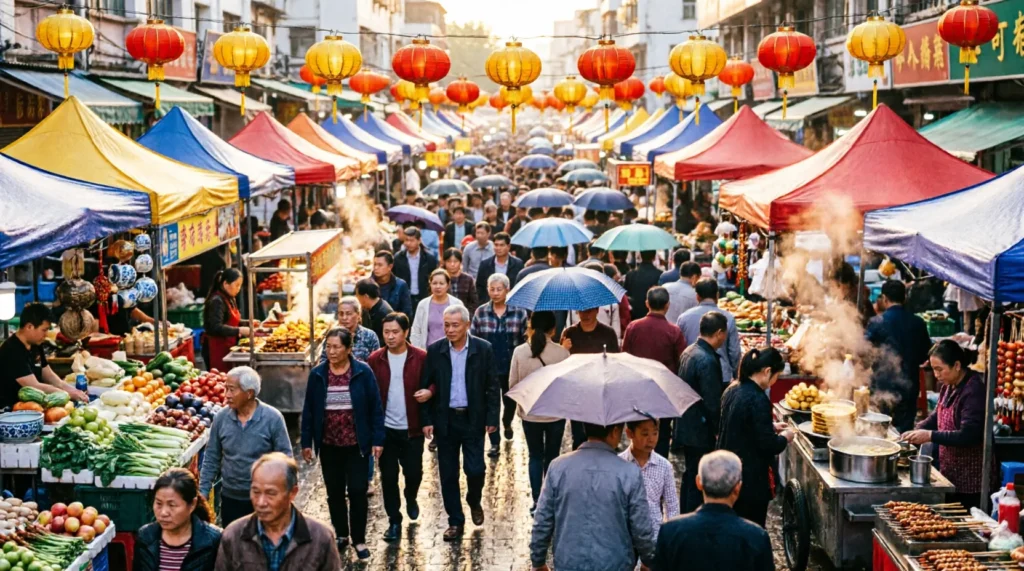
In short, similes for a crowded place compare busy locations to familiar sights, helping readers picture noise, movement, and excitement more clearly. Whether you’re writing a story, poem, or school assignment, these examples will make your descriptions stronger and more memorable.
[IMAGE: Students walking through a busy school hallway with speech bubbles showing creative similes]
What Are the Similes for a Crowded Place? (And Why They Matter)
Have you ever stared at a writing assignment, knowing you wanted to describe a busy market or a packed classroom but couldn’t find the right words? You’re not alone. Many students know what they see but struggle to paint that picture for their readers.
Similes for a crowded place are comparisons that use the words “like” or “as” to describe how full, busy, or packed a location feels. They help your reader imagine the scene without needing a long explanation.
These similes matter because they make your writing more colorful and engaging. Instead of simply saying, “The mall was crowded,” you can help your reader almost hear the chatter and feel the movement.
Language arts researchers and literacy educators often encourage students to use vivid comparisons because they improve descriptive writing, reading comprehension, and creative thinking. Once you learn a few strong similes, you’ll notice your stories and essays become much easier to imagine.
Now that you know what they are, let’s explore some of the best examples you can use in your own writing.
The Best Examples of the Similes for a Crowded Place The hallway was like a can of sardines, with everyone squeezed together. The market buzzed like a beehive full of busy worker bees. The stadium was as packed as a subway at rush hour. The festival felt like ants swarming over a picnic blanket. The classroom was as crowded as a family dinner on the holidays. The shopping mall was like popcorn bursting inside a hot pot. The city square was as full as a jar of colorful marbles. The concert was like waves crashing together on the shore. The playground was as busy as an airport on vacation weekend. The fairground was like fish swimming together in a crowded pond. The train station looked as packed as books on a library shelf. The sidewalk moved like a river flowing after heavy rain. The cafeteria sounded like birds chirping in a giant tree. The amusement park was as lively as a carnival in full swing. The market was like stars filling the night sky. The hallway was as busy as bees gathering nectar. The museum was like puzzle pieces fitting tightly together. The parade route was as full as a basket overflowing with fruit. The bus was like a box packed with crayons. The school entrance looked as crowded as penguins on an icy shore. The beach was like shells covering the sand. The bookstore was as packed as cookies in a tin. The train platform was like leaves covering the ground in autumn. The sports arena was as lively as a jungle at sunrise. The neighborhood festival was like fireworks filling the night with color.
These examples work because they create strong mental pictures. Many also include sounds, movement, or familiar objects, making them easier for your reader to imagine. When you choose the right simile, your writing becomes much more vivid and enjoyable.
How to Use the Similes for a Crowded Place in Your Writing Start by thinking about how the place feels. Is it noisy, tightly packed, exciting, or difficult to move through? Pick a simile that matches that feeling. Choose comparisons your reader will recognize. Everyday images like bees, sardines, or busy roads are easy to picture. Match the simile to your story. A funny story might use “like popcorn popping,” while a serious story might use “like waves crashing together.” Don’t overuse similes. One or two strong comparisons often make a bigger impact than filling every sentence with them.
Example:
“The school hallway was like a beehive, with students rushing from one classroom to another.”
As you practice, you’ll discover that choosing the right comparison becomes faster and more natural.
Similes for a Crowded Place in Poems and Stories
Poets and storytellers often use similes to help readers feel as if they are standing inside the scene. These comparisons create rhythm, emotion, and memorable imagery.
Aisha wrote:
“The market hummed like a beehive, Every smile another buzzing wing.”
Mateo described his school day:
“The hallway was like a rushing river, and I floated along until I reached my classroom.”
Priya wrote in her short story:
“The festival sparkled like stars gathered on Earth, with people laughing in every direction.”
Creative writing teachers encourage students to use comparisons like these because they help readers experience a place instead of simply reading about it.
Now that you’ve seen them in action, let’s avoid a few common mistakes.
Common Mistakes Students Make With the Similes for a Crowded Place
Choosing a comparison that doesn’t match the scene.
If you’re describing a quiet museum, comparing it to a roaring football stadium may confuse your reader. Match the simile to the mood.
Using too many similes in one paragraph.
Every sentence doesn’t need a comparison. Give each simile room to stand out.
Using overcomplicated comparisons.
Simple images often create stronger writing. Your reader should understand the comparison right away.
Forgetting the words “like” or “as.”
Remember that similes use these comparison words. Without them, you may accidentally write a metaphor instead.
Ignoring the type of crowded place.
A busy airport feels different from a packed classroom or a lively beach. Pick comparisons that fit the specific location you’re describing.
Don’t worry if you’ve made these mistakes before. Every writer improves through practice.
Fun Activities to Practice the Similes for a Crowded Place
Busy Place Challenge
Grab a pencil and describe five crowded places using different similes. Try a mall, classroom, stadium, market, and playground.
Picture Detective
Look at photos of busy cities or festivals. Write one creative simile for each picture you see.
Group Guessing Game
One student reads a simile aloud while everyone else guesses which crowded place it describes.
Drawing and Writing
Draw your favorite crowded location. Then write three similes underneath your picture to describe it.
Reading Hunt
While reading a novel or short story, look for similes that describe busy scenes. Discuss why the author chose those comparisons.
Worksheet Race
Create a worksheet with plain sentences like “The market was crowded.” Challenge yourself to rewrite each one using an original simile.
Practicing in different ways helps you remember these comparisons and use them naturally.
What NOT to Do With the Similes for a Crowded Place
Don’t think every crowded place feels the same.
A packed library and a busy amusement park create different emotions. Choose your comparison carefully.
Don’t copy the same simile every time.
While “like a beehive” is popular, using different comparisons keeps your writing fresh.
Don’t force a simile into every paragraph.
Strong writing mixes simple descriptions with figurative language.
Don’t choose confusing comparisons.
If your reader has to stop and figure out your meaning, the simile probably isn’t helping.
Frequently Asked Questions About the Similes for a Crowded Place What is a good simile for a crowded place?
A classic example is, “The market was like a beehive.” It creates an image of many people moving around with energy and purpose.
How do you use similes for a crowded place in a sentence?
Simply compare the location to something familiar using “like” or “as.” For example: “The train station was as packed as a can of sardines.”
What is the difference between a simile and a metaphor for a crowded place?
A simile uses “like” or “as” to compare two things. A metaphor says one thing is another without using those comparison words.
Are similes for a crowded place suitable for middle school students?
Yes. They are excellent for Grades 5 through 8 because they improve descriptive writing while remaining easy to understand and enjoyable to use.
Why do writers use similes for a crowded place?
Writers use them to help readers picture busy scenes more clearly. A strong simile adds movement, emotion, and detail that make writing more engaging.
Final Thoughts on the Similes for a Crowded Place
Learning similes for a crowded place gives you a simple way to make your writing more vivid and memorable. Instead of saying a place was busy, you can help your reader actually imagine the people, sounds, and movement.
Whether you’re writing a story, poem, journal entry, or classroom assignment, these comparisons can make your ideas stand out. The more you practice, the easier it becomes to choose the perfect simile for every scene.
Remember that the best similes are clear, natural, and connected to the feeling you want your reader to experience. Keep experimenting with new comparisons and don’t be afraid to be creative.
With a little practice, you can turn ordinary descriptions into unforgettable writing—and that’s a skill that will stay with you for years to come.
Liam Nguyen is a passionate educator and writer with a deep love for figurative language. He holds a master’s degree in Creative Writing and has spent eight years teaching at various educational settings, focusing on language enrichment programs for children from grades 2-6. His expertise in crafting metaphorical language and similes into captivating content stems from his belief that storytelling is the heartbeat of learning. Liam’s contributions to SimilePedia span from emotion-driven examples to color-inspired narrative tools. He is committed to fostering a creative environment where students can explore and find joy in their unique expressions.