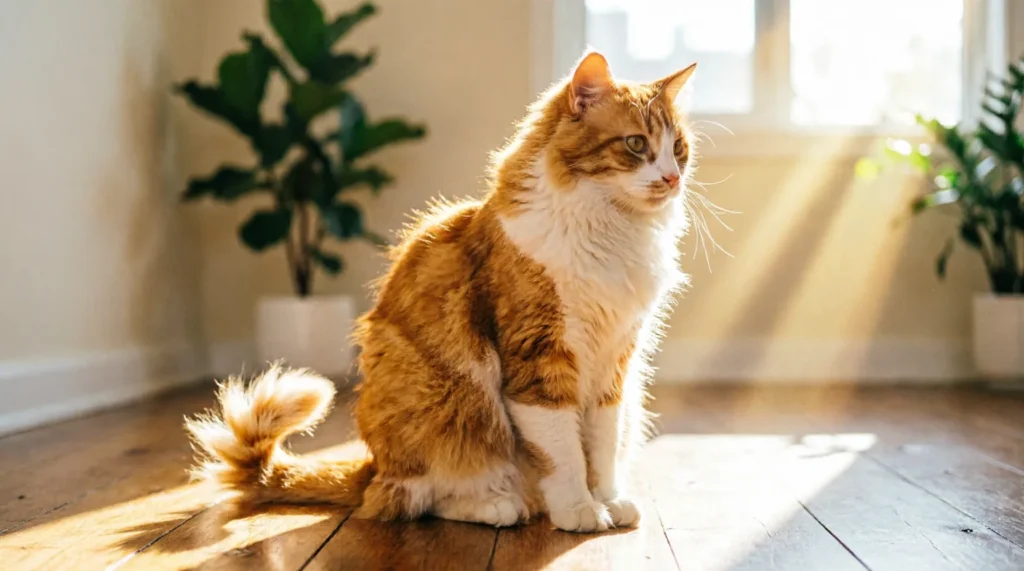
In short, similes for a cat are descriptive comparisons that help you explain a cat’s behavior, appearance, or personality using the words “like” or “as.” They make your writing more vivid by connecting a cat’s actions to familiar images, such as “as quiet as a shadow” or “like a curious explorer.” In this guide, you’ll discover powerful examples and learn how to use them in your own creative writing.
What Are Similes for a Cat? (And Why They Matter)
Have you ever stared at a blank page, trying to describe a cat jumping on a fence or quietly staring at you—but the words just don’t come? Maybe your teacher asked for a creative sentence, or you want your story to sound more interesting, but everything feels too plain.
Similes for a cat are simple comparisons that help you describe cats in a more imaginative way. They use “like” or “as” to connect a cat’s traits with something familiar, such as saying a cat is “as soft as a cloud” or “like a tiny ninja in the night.”
These comparisons matter because they improve your writing, boost your reading comprehension, and make storytelling more engaging. Literacy educators often highlight figurative language like similes as a key skill for developing stronger vocabulary and creativity.
When you learn similes for a cat, you’re not just learning sentences—you’re learning how to paint pictures with words that your reader can actually see in their mind.
Now let’s explore some of the best and most creative examples you can use right away.
The Best Examples of Similes for a Cat
Here are 25 vivid and student-friendly similes for a cat that you can use in stories, poems, or homework assignments:
As quiet as a sleeping shadow slipping across the floor
Like a tiny ninja moving without a sound
As graceful as a dancer on a stage
Like a curious explorer discovering a new world
As soft as a cloud drifting in the sky
Like a flickering candle in the dark, always watchful
As quick as lightning when it spots a toy
Like a whisper that disappears before you hear it
As sneaky as a thief in the night
Like a warm blanket curling up in a corner
As alert as a guard watching every movement
Like a velvet glove with silent footsteps
As playful as a child chasing bubbles
Like a coiled spring ready to jump
As independent as a traveler walking its own path
Like a mysterious shadow that never stays still
As gentle as a breeze brushing past your face
Like a hunter focused on its silent target
As curious as a student exploring a new book
Like a soft pillow resting in the sun
As unpredictable as the wind on a stormy day
Like a glowing pair of eyes in the dark night
As calm as a still lake at dawn
Like a secret keeper hiding in plain sight
As agile as an acrobat flipping through the air
These similes for a cat work so well because they connect cat behavior to strong visual images. They help your reader feel the movement, silence, and personality of the cat instead of just reading plain description.
How to Use Similes for a Cat in Your Writing
Using similes for a cat in your writing is easier than you think. You just need a little creativity and practice.
First, observe the cat’s behavior carefully. Notice how it moves, rests, or reacts to things around it.
Next, think of something similar in real life—like a shadow, a dancer, or a breeze.
Then connect them using “like” or “as” to form your simile. For example: The cat moved like a whisper in the hallway.
Finally, read your sentence out loud and see if it creates a clear picture in your mind.
When you practice similes for a cat, your writing becomes more colorful and engaging, and your reader can easily imagine what you’re describing.
Similes for a Cat in Poems and Stories
Writers and poets love using similes for a cat because cats naturally have mystery, beauty, and movement that fit creative language perfectly.
In poetry, similes help create rhythm and emotion:
The cat moved like a shadow in the moonlight, soft as silence, slipping through the night.
In short stories, they make scenes more vivid:
Aisha watched the cat stretch like a sleepy ribbon across the warm windowsill.
In another example, poetry might say:
Leo’s cat was as curious as a question mark, always searching corners and secrets.
Writers use similes because they help turn simple moments into memorable images. They make emotions stronger and descriptions more alive.
“As quiet as a cat walking through fresh snow” — Highlights gentle, silent movement and works well in peaceful nature descriptions.
“Like a cat stretching beneath the morning sun” — Captures comfort, relaxation, and the slow start of a new day.
“As graceful as a cat crossing a garden wall” — Emphasizes smooth balance and elegant movement in descriptive writing.
“Like a cat watching birds from a windowsill” — Shows patient attention and quiet curiosity during a calm moment.
“As light as a cat stepping over fallen leaves” — Describes careful, nearly weightless movement without disturbing the surroundings.
💛 Warm & Emotional (for personal stories, letters, heartfelt writing)
“Like a cat curling beside an old friend” — Expresses trust, warmth, and the comfort of close relationships.
“As gentle as a cat greeting its favorite person” — Conveys affection and kindness in emotional writing.
“Like a cat resting peacefully on a cozy blanket” — Creates a feeling of safety, peace, and contentment.
“As comforting as a cat’s soft purr on a difficult day” — Shows how small moments of comfort can lift someone’s spirits.
“Like a cat softly brushing against your leg” — Suggests quiet love and simple acts of affection.
✨ Poetic & Romantic (for poems, song lyrics, love writing)
“Like a cat wandering beneath silver moonlight” — Builds a dreamy, mysterious mood perfect for poetry.
“As elegant as a cat dancing through shadows” — Adds beauty and mystery to romantic or lyrical descriptions.
“Like a cat chasing pieces of starlight” — Suggests wonder, imagination, and magical moments.
“As timeless as a cat gazing into the night sky” — Creates a thoughtful, reflective image with poetic depth.
“Like a cat drifting through a moonlit dream” — Brings a soft, peaceful feeling to love poems and imaginative writing.
😄 Playful & Fun (for casual use, social media captions, humor)
“Like a cat inspecting every corner of the room” — Describes someone who is naturally curious or a little nosy.
“As dramatic as a cat denied its favorite treat” — Perfect for humorous situations involving exaggerated reactions.
“Like a cat racing through the house after midnight” — Shows sudden excitement and bursts of energetic fun.
“As confident as a cat claiming the best seat on the couch” — Describes someone acting bold and completely at ease.
“Like a cat pretending it meant to do that” — Adds humor after an awkward mistake or funny accident.
These tone-grouped similes for similes for a cat give you options for every kind of writing — whether you need something soft and poetic or bold and fun. Try picking one from each group and using them in a short paragraph to see how different the same keyword can feel.
Using similes for a cat in Real Writing Contexts
In a Descriptive Essay
When writing about a pet, an animal shelter, or a peaceful scene, similes for a cat can help readers picture its movements and personality more clearly. A well-chosen comparison makes ordinary descriptions feel vivid and memorable. Example:The kitten moved through the flowers like a cat walking through fresh snow, leaving every leaf untouched.
In a Poem
Similes for a cat can create a calm, mysterious, or dreamy mood in poetry. They help readers imagine beauty and emotion with simple, colorful language. Example:You drifted like a cat wandering beneath silver moonlight, quiet enough to wake only the stars.
In a Story or Creative Scene
In stories, similes for a cat can show how a character moves, reacts, or explores a place without using long descriptions. They quickly paint a picture while keeping the action flowing. Example:Ella slipped into the abandoned library as graceful as a cat crossing a garden wall, careful not to make a single sound.
In a Social Media Caption or Message
A short simile makes captions and messages more playful and memorable. It adds personality while keeping your writing easy to read. Example:Weekend mood: as confident as a cat claiming the best seat on the couch. 😸
The more you practice placing similes for a cat into real sentences, the more natural your writing will sound — and the more your reader will feel exactly what you want them to feel.
Common Mistakes Students Make With Similes for a Cat
It’s normal to make mistakes when learning similes for a cat. Here are some common ones and how you can fix them:
Using boring comparisons Many students write simple similes like “as good as a cat,” which doesn’t create a clear image. Try to be more creative and specific.
Mixing metaphors and similes Sometimes students forget to use “like” or “as.” Remember, similes always include these words.
Overusing the same idea Repeating “like a cat” comparisons without variety can make your writing dull. Try different images like shadows, wind, or dancers.
Making comparisons that don’t fit If your simile doesn’t match the cat’s behavior, it confuses the reader. Always check if your comparison makes sense.
Writing without visualization If your reader can’t “see” the comparison, it may not be strong enough. Choose images that are easy to imagine.
Don’t worry—these mistakes are part of learning, and every writer improves with practice.
Fun Activities to Practice Similes for a Cat
Try these fun activities to get better at using similes for a cat:
Cat Observation Challenge Watch a cat (or a video of one) and write five similes based on its movements. Try to be as creative as possible.
Simile Drawing Game Draw a cat and label each part with a simile, like “tail like a waving flag.”
Story Builder Exercise Write a short story about a magical cat using at least five similes for a cat.
Group Simile Race In a group, take turns saying unique similes. No repeating allowed—see who can think of the most original ones.
Poem Creation Challenge Create a 4-line poem using at least two similes for a cat.
These activities help you turn simple ideas into creative writing skills you can use anywhere.
What NOT to Do With Similes for a Cat
To improve faster, avoid these common habits:
Using unclear comparisons If your simile doesn’t make sense to the reader, it loses its power.
Repeating the same structure Writing everything as “as something as something” without variety can feel repetitive.
Choosing unrealistic comparisons If your simile is too random, like “as fast as a refrigerator,” it won’t help your writing.
Forgetting creativity Similes for a cat should make your writing fun and imaginative, not boring or mechanical.
Frequently Asked Questions About Similes for a Cat
What is a simple example of a simile for a cat?
A simple example is “as quiet as a cat walking on soft grass.” It shows how silently cats can move. This helps readers imagine the gentle and sneaky nature of cats.
Why are similes for a cat useful in writing?
Similes for a cat make descriptions more vivid and interesting. They help readers picture the cat’s actions instead of just reading plain facts.
Can I use similes for a cat in poems?
Yes, similes for a cat are perfect for poems. They add rhythm, emotion, and strong visual imagery that make poetry more engaging and expressive.
How do I make my cat similes more creative?
To make your similes better, avoid simple ideas and try unique comparisons. Think about sounds, movements, emotions, or natural elements like wind or shadows.
Are similes for a cat good for school writing?
Absolutely. Teachers often encourage similes for a cat because they show creativity, vocabulary skill, and understanding of figurative language.
Final Thoughts on Similes for a Cat
Similes for a cat are a powerful way to bring your writing to life. They help you describe movement, personality, and mood in a way that plain sentences cannot.
When you practice using them, you’ll start noticing how much more expressive your stories and poems become. Even simple ideas can turn into something creative and memorable with the right comparison.
Keep experimenting, keep observing, and keep writing. The more you use similes for a cat, the more natural and creative your writing will feel. And remember—every great writer starts with simple steps like these.
You’ve got everything you need to turn your ideas into vivid, imaginative writing that stands out.
Frequently Asked Questions
What are similes for a cat and why are they important?▼
Similes for a cat are descriptive comparisons that use ‘like’ or ‘as’ to illustrate a cat’s behavior, appearance, or personality. They enhance your writing by creating vivid imagery that connects the cat’s traits to familiar objects or concepts, making storytelling more engaging.
Can you provide examples of similes for a cat?▼
Sure! Some examples include ‘as quiet as a sleeping shadow’ and ‘like a tiny ninja moving without a sound.’ These comparisons help evoke strong visual images and emotional responses in readers.
How can similes improve my writing?▼
Using similes can boost your vocabulary and creativity by encouraging you to think more imaginatively. They help convey complex ideas in a relatable way, making your writing more vivid and enjoyable for readers.
What should I observe in a cat to create my own similes?▼
When creating your own similes, pay close attention to a cat’s movements, behaviors, and reactions. Think about their grace, playfulness, or curiosity, and relate these traits to familiar images or experiences.
Are there specific contexts where similes for a cat are particularly useful?▼
Yes, similes for a cat can be particularly useful in creative writing, poetry, or even homework assignments. They allow you to describe a cat’s actions and characteristics in a way that captivates your audience and enhances the narrative.
How do I start using similes in my writing effectively?▼
To use similes effectively, begin by observing the cat closely and noting unique behaviors. Then, think of relatable objects or experiences that match those behaviors and construct your similes using ‘like’ or ‘as’ to draw connections.
Why are similes considered a key skill in literacy education?▼
Similes are highlighted in literacy education because they promote figurative language use, which enhances vocabulary and creative thinking. Learning to use similes helps students develop stronger writing skills and improves their overall reading comprehension.
Sara Liu holds a Master’s degree in English Education from the University of Washington and has been an educator for over 15 years. She specializes in curriculum development for elementary and middle school students, with a particular focus on figurative language. Sara’s love for similes and metaphors blossomed when she discovered their power to spark imagination and convey emotion. At SimilePedia, Sara creates engaging worksheets and reference guides that help young learners grasp the nuances of figurative language. Her favorite part of writing content is developing resources that make complex concepts accessible to children. She is passionate about nurturing a love for words and creativity in her students, and her contributions are shaped by this commitment.