In short, similes for curious are comparisons that help you describe someone’s curiosity in a vivid, imaginative way using “like” or “as.” They show how a person’s mind explores, questions, and notices details around them. In this guide, you’ll discover powerful examples, simple writing tips, and fun ways to use them so your descriptions feel more alive and expressive.
Curiosity is something you experience every day—when you wonder about a strange sound, a new idea, or a surprising fact. Let’s explore how you can turn that feeling into beautiful writing.
What Are Similes for Curious? (And Why They Matter)
Have you ever stared at a blank page, trying to describe a character who asks too many questions? Or maybe your teacher asked you to explain curiosity in writing, and your mind went completely quiet. You know the feeling—you understand curiosity, but you don’t know how to show it with words.
That’s exactly where similes for curious come in. They are comparisons that help you describe curiosity by linking it to something familiar, like animals, nature, or everyday objects. Instead of just saying “he is curious,” you say “he is as curious as…”
In simple terms, similes for curious help you paint a picture of how curiosity looks, feels, and behaves in real life. Language arts educators often say figurative language like this improves imagination, reading comprehension, and storytelling skills.
These similes matter because they make your writing more engaging. Instead of flat descriptions, you give your reader a clear image in their mind. That’s why writers, poets, and students all use similes for curious to bring ideas to life.
And once you understand them, you’ll start noticing curiosity everywhere—in books, conversations, and even your own thoughts.
The Best Examples of Similes for Curious
Here are powerful and creative similes for curious that you can use in your writing. Each one helps you describe curiosity in a fresh, visual way.
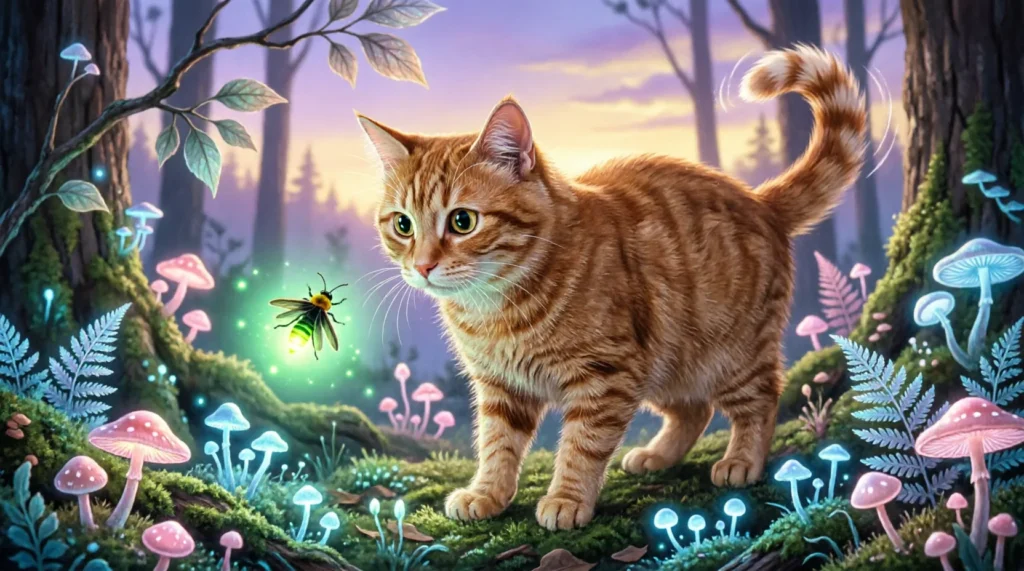
As curious as a cat exploring a new room
As curious as a child opening a surprise gift
As curious as a bee searching for the sweetest flower
As curious as a detective chasing a mystery clue
As curious as a puppy sniffing every corner of the yard
As curious as a scientist testing a new experiment
As curious as a student who just discovered a secret door in a storybook
As curious as a monkey reaching for something shiny
As curious as a reporter chasing breaking news
As curious as a crow spotting something unusual in the sky
As curious as a telescope scanning distant stars
As curious as a river finding its way through new paths
As curious as a kid hearing whispers behind a closed door
As curious as a fox investigating a strange sound in the woods
As curious as a reader flipping the last page too quickly
As curious as a compass spinning toward unknown directions
As curious as a kitten chasing moving shadows
As curious as a librarian uncovering hidden stories in old books
As curious as a painter exploring a new color palette
As curious as a traveler stepping into a new city for the first time
These similes for curious work so well because they connect curiosity to action, movement, and emotion. You can see the searching, feel the wondering, and imagine the discovery happening in each example. That’s what makes your writing more powerful and memorable.
Now that you’ve seen strong examples, let’s learn how you can actually use them in your own writing.
How to Use Similes for Curious in Your Writing
Using similes for curious is easier than it sounds. You just need a simple approach and a bit of imagination.
Start by choosing a character or subject who feels curious. Think about how they behave—do they ask questions, explore places, or notice details?
Pick something familiar to compare their curiosity with, like animals, kids, scientists, or explorers. This makes your simile easy for readers to understand.
Build your sentence using “as…as” or “like.” For example: She was as curious as a kitten chasing shadows across the wall.
Read your sentence out loud and check if it creates a clear image in your mind. If not, try a stronger or more specific comparison.
Here’s a simple example you can learn from: He was as curious as a detective following invisible clues through the old house.
When you practice similes for curious, your writing becomes more expressive and fun to read. And the more you use them, the more natural they will feel in your stories and essays.
Similes for Curious in Poems and Stories
Writers often use similes for curious in poems and stories to create emotion and imagery. It helps readers feel the excitement of discovery and exploration.
Here are a few creative examples:
Amira was as curious as a bird circling a hidden garden, unsure but eager to land. The old library made him as curious as a thief in a room full of locked secrets. Zayn’s mind was as curious as a river breaking into new paths after a storm.
Poets and authors love this type of figurative language because it adds rhythm and emotional depth. It helps you connect with characters and feel their thoughts more clearly.
When you write creatively, similes for curious can turn a simple moment—like opening a door or reading a book—into something magical and meaningful.
And once you start using them, your stories will feel more alive and engaging.
Common Mistakes Students Make With Similes for Curious
Even though similes are fun, students sometimes make small mistakes when using similes for curious. Here are a few common ones and how you can fix them.
Using unclear comparisons Sometimes students choose comparisons that don’t make sense, like “as curious as blue.” Try to pick something your reader can actually visualize.
Overcomplicating the simile Long or confusing similes can distract the reader. Keep your ideas simple and clear so your meaning stands out.
Repeating the same ideas If you only use animals like cats or dogs, your writing can feel repetitive. Try exploring new comparisons like explorers, scientists, or nature.
Forgetting the emotion of curiosity A good simile should show excitement, wonder, or interest. If it doesn’t feel alive, it may not be strong enough.
Using similes without purpose Don’t add similes just to add them. Make sure they improve your sentence and help your reader understand the feeling better.
These mistakes are normal, and every writer makes them at some point. With practice, your use of similes for curious will become much stronger and more natural.
Fun Activities to Practice Similes for Curious
Here are some enjoyable ways to practice similes for curious and improve your creative writing skills.
Curiosity Journal Challenge Write down three things you were curious about today. Then create a simile for each one. Try to make each comparison different and creative.
Object Comparison Game Pick any object around you, like a pencil or book. Now write a simile showing how it could represent curiosity.
Story Starter Practice Start a short story with a curious character and include at least two similes for curious in the first paragraph.
Classroom or Group Activity Take turns describing a curious character while others guess the simile you used. This makes learning interactive and fun.
Picture Inspiration Exercise Look at an image and describe how a character in it might feel curious. Turn that feeling into a simile.
Rewrite a Sentence Challenge Take a boring sentence like “She is curious” and rewrite it using similes for curious to make it more interesting.
These activities help you think creatively and build confidence in your writing step by step.
More similes for curious by Tone and Context
🌿 Natural & Descriptive
“As curious as a fox exploring a quiet forest” — Captures careful investigation and works well in nature writing or descriptive essays.
“Like a river finding a new path” — Shows a steady desire to discover something unknown, making it great for reflective writing.
“As curious as a bird watching the sunrise” — Suggests quiet wonder and attention to the world around it.
“Like a seed reaching toward the sunlight” — Expresses a natural hunger for growth and learning.
“As curious as a deer listening in the woods” — Highlights alertness and cautious interest in unfamiliar sounds or sights.
💛 Warm & Emotional
“Like a child opening a birthday gift” — Shows joyful excitement and eager anticipation before discovering something new.
“As curious as a friend hearing good news” — Reflects caring interest and a desire to know more about someone else’s experience.
“Like a grandparent listening to family stories” — Suggests gentle curiosity filled with warmth and affection.
“As curious as a student meeting a new teacher” — Describes hopeful interest in learning and building new connections.
“Like someone reading an old family letter” — Conveys emotional curiosity mixed with memories and personal meaning.
✨ Poetic & Romantic
“Like the moon searching for the morning sun” — Creates a dreamy image of longing and discovery.
“As curious as the breeze wandering through wildflowers” — Gives a soft, graceful feeling that fits poems and lyrical writing.
“Like a candle reaching into the darkness” — Symbolizes curiosity as a light that pushes away the unknown.
“As curious as the stars watching the sleeping earth” — Adds a magical and peaceful tone to creative writing.
“Like an artist chasing the perfect color” — Suggests endless curiosity driven by beauty and imagination.
😄 Playful & Fun
“As curious as a puppy sniffing every shoe” — Adds humor while showing endless interest in everything nearby.
“Like a kid pressing every button in an elevator” — Describes playful curiosity that sometimes gets a little out of hand.
“As curious as a squirrel checking every backpack in the park” — Paints a funny picture of nonstop exploring.
“Like a detective searching for the last cookie” — Mixes mystery with humor for lighthearted writing.
“As curious as a robot asking a thousand questions” — Shows endless interest in learning with a fun, modern twist.
These tone-grouped similes for similes for curious give you options for every kind of writing — whether you need something soft and poetic or bold and fun. Try picking one from each group and using them in a short paragraph to see how different the same keyword can feel.
Using similes for curious in Real Writing Contexts
In a Descriptive Essay
When you’re describing a person who loves to learn or explore, a simile can make that curiosity easier for readers to picture. Instead of simply saying someone was curious, compare them to something familiar that shares the same quality. Example:The young scientist was as curious as a fox exploring a quiet forest, examining every rock and leaf with careful attention.
In a Poem
Similes for curious can help create a mood of wonder, mystery, or hope in poetry. They give ordinary feelings a more imaginative and memorable voice. Example:My thoughts drifted like the moon searching for the morning sun, forever curious about tomorrow’s light.
In a Story or Creative Scene
In stories, a simile can reveal a character’s personality or reaction without directly telling the reader. It helps the scene feel more vivid and engaging. Example:Lena stepped into the hidden library, as curious as a deer listening in the woods, pausing before every dusty shelf with wide eyes.
In a Social Media Caption or Message
Short similes work well in captions and messages because they quickly add personality and emotion. A creative comparison can make even a simple post stand out. Example:I’m as curious as a puppy sniffing every shoe today—I need to know what’s going on! 🐶
The more you practice placing similes for curious into real sentences, the more natural your writing will sound — and the more your reader will feel exactly what you want them to feel.
What NOT to Do With Similes for Curious
When learning similes for curious, it’s also important to know what to avoid.
Don’t use confusing comparisons If your reader can’t picture it, the simile loses its meaning.
Don’t overuse the same animal or idea Repeating “cat-like curiosity” too often makes your writing predictable.
Don’t force similes into every sentence Good writing balances figurative language with simple description.
Don’t ignore clarity Even creative writing should still be easy to understand for your reader.
Keeping these points in mind will help your writing stay clear, strong, and enjoyable to read.
Frequently Asked Questions About Similes for Curious
What are some simple similes for curious beginners?
Simple similes for curious include phrases like “as curious as a cat” or “as curious as a child opening a gift.” These are easy to understand and perfect for students just starting to learn figurative language.
How do I use similes for curious in a sentence?
You can use similes for curious by comparing a character’s curiosity to something familiar. For example, “He was as curious as a puppy exploring a new park.” This helps readers clearly imagine the feeling.
Why are similes for curious important in writing?
They make your writing more vivid and expressive. Instead of just saying someone is curious, you show it in a way that readers can visualize and feel.
Can I create my own similes for curious?
Yes, you absolutely can. In fact, teachers encourage students to create original similes for curious because it improves creativity and writing skills.
Are similes for curious useful in storytelling?
Yes, they help bring characters to life and make stories more engaging. Readers can better understand emotions when curiosity is shown through strong comparisons.
Final Thoughts on Similes for Curious
Similes for curious help you turn a simple feeling into something powerful and visual. Instead of just telling your reader that someone is curious, you now know how to show it in creative ways.
You’ve learned how these similes work, explored many examples, and discovered how to use them in your own writing. With practice, your descriptions will become clearer, richer, and more engaging.
Remember, curiosity is already inside you—similes just help you express it more beautifully. Keep practicing, keep experimenting, and your writing will continue to grow stronger every day.
You’re now ready to use your imagination and bring curiosity to life on the page.
Frequently Asked Questions
What are similes for curious and why are they useful?▼
Similes for curious are comparisons that vividly describe a person’s curiosity by linking it to familiar concepts. They help paint a clear picture of curiosity, making writing more engaging and expressive.
Can you provide examples of similes for curious?▼
Sure! Some examples include ‘as curious as a cat exploring a new room’ and ‘as curious as a child opening a surprise gift.’ These comparisons illustrate how curiosity manifests in different scenarios.
How can I incorporate similes for curious into my writing?▼
To use similes for curious, think about the feelings and actions associated with curiosity, then create comparisons that evoke those images. For instance, you might say someone is ‘as curious as a detective chasing a mystery clue’ to enhance your description.
What impact do similes for curious have on storytelling?▼
Using similes for curious enriches storytelling by providing vivid imagery that captures the reader’s attention. They also enhance the emotional connection to characters by illustrating their inquisitive nature.
Are there specific contexts where similes for curious work better?▼
Similes for curious are particularly effective in creative writing, poetry, and descriptions of characters in narratives. They can also enhance educational writing by making abstract concepts like curiosity more relatable.
How do similes for curious improve writing skills?▼
Similes for curious improve writing skills by encouraging imaginative thinking and enhancing descriptive language. They help writers convey complex emotions and ideas in a more relatable and visual manner.
What should I consider when creating my own similes for curious?▼
When crafting your own similes for curious, consider the actions, feelings, and experiences associated with curiosity. Aim for comparisons that evoke strong imagery and resonate with your audience’s understanding.
Liam is a language enthusiast and lead writer at Similepedia.com, where he focuses on creating clear, creative, and easy-to-use similes for everyday writing. He specializes in turning simple ideas into vivid comparisons that make sentences more engaging, expressive, and memorable.
Instead of overcomplicating language with technical jargon, Liam approaches similes as practical tools for better communication. He breaks down how comparisons work, when to use them, and how to make them sound natural — not forced or awkward.
He pays close attention to tone, context, and clarity, ensuring every simile fits smoothly into real sentences. From fun and playful comparisons to more descriptive and expressive ones, Liam helps readers improve how they write, speak, and express ideas.
At Similepedia.com, his mission is simple: make language more colorful and effective without making it complicated. He doesn’t just list similes — he helps readers understand how to use them confidently in real situations.