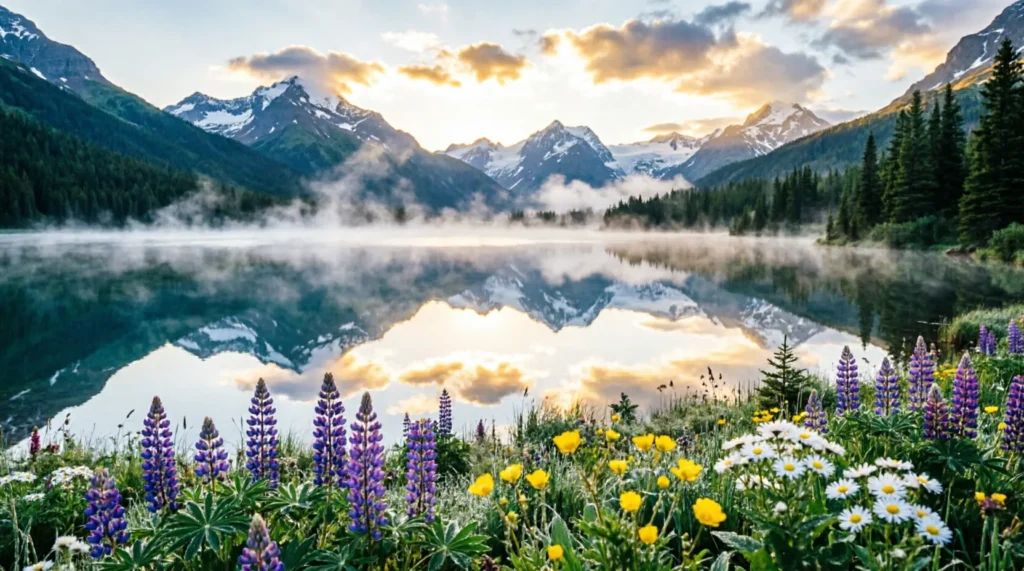
In short, similes for beautiful places help you compare stunning locations to familiar objects or experiences using the words “like” or “as.” These creative comparisons make your descriptions more colorful, memorable, and enjoyable to read, and you’ll discover plenty of inspiring examples below.
[IMAGE: A peaceful mountain valley with a student writing in a notebook]
What Are Similes for Beautiful Places? (And Why They Matter)
Have you ever stared at a blank page while trying to describe a breathtaking beach, a magical forest, or a peaceful garden? You know the place looks amazing, but finding the right words can feel surprisingly difficult.
Similes for beautiful places are comparisons that help you describe lovely locations by saying they are like or as something else. They paint clear pictures in your reader’s mind and make your writing come alive.
You can use these similes in school essays, creative stories, travel journals, poems, and reading assignments. Many literacy educators encourage students to practice similes because they improve descriptive writing and help readers connect with vivid imagery.
Once you understand how these comparisons work, you can start using them to create unforgettable descriptions of any beautiful place you imagine or visit.
The Best Examples of Similes for Beautiful Places
[IMAGE: A collage of mountains, beaches, forests, gardens, and waterfalls]
The valley was as peaceful as a sleeping baby.
The beach shimmered like a blanket of sparkling diamonds.
The forest stood like a giant green cathedral.
The lake was as smooth as polished glass.
The mountains rose like castles touching the clouds.
The garden bloomed like a rainbow scattered across the earth.
The waterfall flowed like silky silver ribbons.
The meadow stretched like a soft green carpet.
The sunset glowed like a painting created by nature.
The island rested like a jewel in the ocean.
The snowy hills looked like whipped cream covering a cake.
The cherry blossoms floated like pink snowflakes.
The canyon opened like a giant storybook waiting to be explored.
The stars above the desert sparkled like tiny lanterns.
The river twisted like a shiny blue ribbon.
The flower field was as colorful as an artist’s palette.
The cave glittered like a hidden treasure chest.
The beach sand felt as soft as velvet.
The tropical island was like paradise on Earth.
The countryside rolled like gentle ocean waves.
The autumn forest glowed like a sea of gold.
The cliffs stood like proud guardians overlooking the sea.
The garden smelled like nature’s sweetest perfume.
The waterfall sounded like gentle music.
The sunrise spread like golden paint across the sky.
These examples work well because they create strong mental pictures. You can almost see, hear, or feel each place through the comparison.
Creative writing teachers also recommend using sensory details alongside similes because they help readers imagine the scene more clearly. Now let’s see how you can create your own.
How to Use Similes for Beautiful Places in Your Writing
Choose the most noticeable feature. Think about what stands out most. Is your place colorful, peaceful, bright, or enormous?
Compare it to something familiar. Your readers understand everyday objects, so compare the place to something they already know.
Keep your comparison natural. The simile should make sense instead of confusing your audience.
Add it into your description smoothly. Don’t force too many similes into one paragraph.
Example:
“The waterfall rushed down the rocks like silver ribbons dancing in the sunlight.”
When you focus on one clear image at a time, your writing becomes easier to read and much more enjoyable.
Similes for Beautiful Places in Poems and Stories
Poets and storytellers often use similes because they create emotion, rhythm, and memorable imagery. They help readers picture places instead of simply reading about them.
Aisha wrote:
“The lake rested like polished glass, Holding the morning sky with gentle hands.”
Mateo described his adventure:
“The forest welcomed us like an old friend, and every tree whispered another secret.”
Priya shared in her poem:
“The mountains stood like wise giants, Watching every sunrise with quiet smiles.”
These short examples show how a simple comparison can turn an ordinary description into something readers remember long after they finish the story.
Common Mistakes Students Make With Similes for Beautiful Places
Using too many similes together If every sentence contains a simile, your writing can feel crowded. Pick only the strongest comparisons.
Choosing comparisons that don’t fit Saying a peaceful garden is “like a noisy train station” may confuse your reader unless you have a clear reason.
Repeating the same simile Using “like a painting” again and again makes your writing less interesting. Challenge yourself to discover fresh comparisons.
Forgetting the senses Beautiful places are not only seen. Think about sounds, smells, textures, and even temperatures.
Making comparisons that are too complicated Your simile should help readers understand the place, not leave them puzzled. Simple ideas often work best.
Learning from these common mistakes helps you become a more confident and creative writer.
Fun Activities to Practice Similes for Beautiful Places
Picture Challenge Grab a pencil and look at a photograph of a beautiful place. Write five different similes describing what you see.
Nature Walk Notebook Visit a park, garden, or playground. Write one simile for every interesting thing you notice.
Draw and Describe Draw your dream vacation spot and then write ten similes that match your picture.
Classroom Guessing Game One student reads a simile while others guess which beautiful place it describes.
Reading Detective Read a favorite story and highlight every simile that describes a setting. Discuss why the author chose those comparisons.
Worksheet Challenge Create two columns—beautiful places and comparison ideas. Mix and match them to invent your own original similes.
These activities help you practice while making creative writing feel more like play than homework.
What NOT to Do With Similes for Beautiful Places
Don’t believe every beautiful place needs a simile. Sometimes one powerful comparison is better than several weaker ones.
Don’t copy famous similes without trying your own. Original ideas make your writing more personal and interesting.
Don’t confuse similes with metaphors. Remember that similes use words such as “like” or “as.”
Don’t describe every beautiful place the same way. A snowy mountain, tropical beach, and quiet garden each deserve unique comparisons.
Frequently Asked Questions About Similes for Beautiful Places
What is a good simile for a beautiful place?
A good simile compares a beautiful place to something readers already understand. For example, “The lake was as smooth as glass” or “The garden bloomed like a rainbow.” These comparisons create clear mental pictures.
How do you use similes for beautiful places in a sentence?
Simply compare the place using “like” or “as.” For example: “The beach sparkled like thousands of tiny diamonds beneath the sun.” This makes the description more vivid and memorable.
What is the difference between similes and metaphors for beautiful places?
A simile uses comparison words such as “like” or “as,” while a metaphor says one thing is another without those words. Both add imagery, but similes make the comparison more direct and easier for many students to recognize.
Are similes for beautiful places suitable for elementary and middle school students?
Yes. Younger students can start with simple comparisons, while older students can create more detailed and imaginative descriptions. Language arts educators often include this skill in descriptive writing lessons because it builds creativity.
Why do writers use similes for beautiful places?
Writers use them to help readers imagine settings more clearly. A strong simile adds emotion, sensory detail, and personality, making stories, poems, and essays much more engaging.
Final Thoughts on Similes for Beautiful Places
Now you have a wide collection of similes for beautiful places that you can use in essays, poems, stories, and creative writing projects. You have also learned how to create your own original comparisons instead of relying only on familiar examples.
Remember that the best similes help your reader see, hear, smell, or even feel the place you are describing. Small details often create the strongest images.
As you continue writing, challenge yourself to notice beautiful places wherever you go. A quiet park, a snowy hill, or a colorful garden can all inspire fresh ideas.
With practice, your descriptions will become richer, your imagination will grow stronger, and your words will paint beautiful pictures every time you write. Happy writing!
Liam Nguyen is a passionate educator and writer with a deep love for figurative language. He holds a master’s degree in Creative Writing and has spent eight years teaching at various educational settings, focusing on language enrichment programs for children from grades 2-6. His expertise in crafting metaphorical language and similes into captivating content stems from his belief that storytelling is the heartbeat of learning. Liam’s contributions to SimilePedia span from emotion-driven examples to color-inspired narrative tools. He is committed to fostering a creative environment where students can explore and find joy in their unique expressions.