In short, similes for something big help you compare large objects, ideas, or experiences with familiar things using words like “as” or “like.” They make your writing more vivid, easier to imagine, and more enjoyable to read. Keep reading to discover creative examples, writing tips, and fun activities you can use right away.
What Are Similes for Something Big? (And Why They Matter)
Have you ever stared at a blank page because you knew something was huge but couldn’t find the right words? Maybe your teacher asked you to describe a mountain, a crowd, or a dream that felt enormous, and “big” just didn’t seem interesting enough.
Similes for something big are comparisons that help you describe size by saying one thing is “like” or “as” another. Instead of simply saying something is big, you compare it to something your reader can easily picture.
These comparisons make your writing stronger. They help your reader imagine the scene instead of just reading plain facts. Whether you’re writing a story, poem, essay, or homework assignment, good similes make your ideas memorable.
Language arts researchers and literacy educators often encourage students to use similes because they improve descriptive writing, reading comprehension, and creative thinking. Once you learn a few great examples, you’ll notice opportunities to use them almost everywhere.
[IMAGE: Student imagining giant mountains, buildings, and planets while writing in a notebook]
Now that you know why they matter, let’s explore some of the best examples you can use.
The Best Examples of Similes for Something Big
Here are more than 40 creative similes for something big that work well for students, writers, and storytellers.
As big as a mountain.
Like a towering skyscraper.
As huge as an elephant.
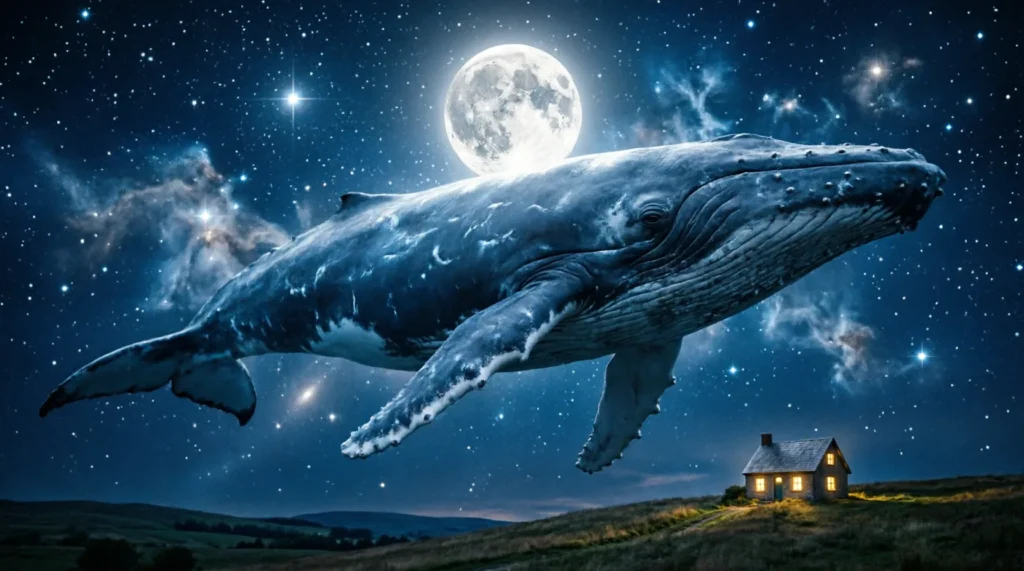
Like a whale swimming through the ocean.
As enormous as a castle.
Like a giant cloud covering the sky.
As wide as the horizon.
Like a football stadium filled with cheering fans.
As massive as a glacier.
Like an ancient oak tree stretching toward the sky.
As giant as a dinosaur.
Like a cruise ship crossing the sea.
As vast as the desert.
Like an endless forest.
As tall as a lighthouse.
Like a towering waterfall.
As broad as the ocean.
Like a giant balloon floating above the city.
As immense as outer space.
Like a sleeping giant.
As large as a blue whale.
Like a mountain of books.
As grand as a palace.
Like a thundercloud before a storm.
As gigantic as a volcano.
Like a giant pumpkin at a county fair.
As mighty as a towering cliff.
Like a giant snowdrift after a blizzard.
As expansive as the night sky.
Like a giant puzzle covering the floor.
As deep as the sea seems wide.
Like a massive wall protecting a city.
As high as the tallest pine tree.
Like a giant wave rolling toward shore.
As broad as an open plain.
Like a giant tent over the playground.
As mighty as a roaring waterfall.
Like a giant eagle spreading its wings.
As endless as the universe.
Like a huge sponge soaking up rain.
As colossal as a giant statue.
Like a mountain reaching into the clouds.
As gigantic as a sports arena.
Like a giant shadow covering the field.
As mighty as a great river.
These examples work because they create clear pictures in your mind. Good similes use familiar images, sensory details, and emotions that help your reader see exactly how big something feels instead of simply being told it is.
Next, let’s learn how you can create your own powerful comparisons.
How to Use Similes for Something Big in Your Writing
You don’t have to memorize dozens of similes. Once you understand how they work, you can create your own.
Think about what makes the object feel big. Is it tall, wide, heavy, or endless? Choose a comparison that matches that specific quality.
Compare it to something everyone recognizes. Mountains, oceans, whales, castles, and the sky are easy for your readers to picture.
Match the mood of your writing. A funny story might compare something to a giant pizza, while a serious story may compare it to a mountain or a glacier.
Don’t overuse similes. One or two strong comparisons often make a bigger impact than filling every sentence with them.
Example:
“My backpack was as big as a mountain, making every step home feel like a hike.”
When you choose comparisons carefully, your writing becomes much more interesting and easier for your audience to imagine.
Similes for Something Big in Poems and Stories
Poets and storytellers use similes for something big to create emotion, rhythm, and vivid imagery. A single comparison can help readers picture an entire scene.
Aisha wrote:
“The moon hung like a giant lantern, Lighting every sleepy street below.”
Mateo described a castle:
“The castle stood as tall as a mountain, Watching over the valley without fear.”
Priya imagined a dream:
“My dreams grew like endless stars, Too many to count before sunrise.”
These small examples show how similes can make poems feel musical and stories feel alive. Creative writing teachers often encourage students to experiment with different comparisons until one feels just right.
Now let’s look at a few common mistakes that are easy to avoid.
Common Mistakes Students Make With Similes for Something Big
Using the same simile every time Writing “as big as a mountain” repeatedly can become boring. Try different comparisons to keep your writing fresh.
Choosing a comparison that doesn’t fit If you’re describing something wide, comparing it to a tall tree may confuse your reader. Match your comparison to the kind of size you’re describing.
Making the comparison too complicated Very unusual comparisons can distract your audience. Simple, familiar images are usually stronger.
Forgetting the words “like” or “as” A simile normally uses “like” or “as.” Without them, you may accidentally write a metaphor instead.
Using too many similes in one paragraph This is common, especially when you’re excited about descriptive writing. Choose your best comparison and let it shine.
Everyone makes these mistakes while learning. The good news is that practice quickly builds confidence.
Fun Activities to Practice Similes for Something Big
Grab a pencil and make a “Big Things” list. Write ten large objects, then invent a simile for each one.
Challenge yourself with a classroom game. One student names something big, and everyone else races to write the most creative simile.
Draw a giant object. Then write five different similes describing your drawing from different angles.
Read a favorite story or novel. Circle every simile that describes something large and discuss why it works.
Create your own worksheet. Write ordinary sentences like “The tree was big,” then rewrite each one using stronger similes.
Play the “Guess the Simile” game. One person reads a simile without naming the object, and everyone guesses what is being described.
These activities help you notice creative language everywhere, making it easier to use in your own writing.
What NOT to Do With Similes for Something Big
Don’t believe every big object needs a simile. Sometimes a simple description is exactly what your writing needs.
Don’t assume longer similes are automatically better. Short, clear comparisons are often the most memorable.
Don’t compare everything to mountains. Mountains are useful, but oceans, castles, whales, galaxies, and stadiums offer more variety.
Don’t choose comparisons your readers won’t understand. Familiar images help your audience connect with your writing much faster.
Keeping these ideas in mind will help your similes sound natural instead of forced.
Frequently Asked Questions About Similes for Something Big
What is a good simile for something big?
A good simile depends on what you’re describing. Popular choices include “as big as a mountain,” “like a blue whale,” or “as vast as the ocean” because readers can easily picture them.
How do you use similes for something big in a sentence?
Simply compare your subject using “like” or “as.” For example: “The library was as enormous as a castle filled with endless treasures.”
What is the difference between a simile and a metaphor for something big?
A simile uses words such as “like” or “as” to make a comparison. A metaphor says one thing is another without using those words.
Are similes for something big suitable for elementary and middle school students?
Yes. Many of these examples are easy enough for younger students, while older students can create more imaginative comparisons in essays, poems, and stories.
Why do writers use similes for something big?
Writers use them because they help readers picture size more clearly. Instead of simply saying something is large, a simile creates a vivid image that stays in the reader’s mind.
Final Thoughts on Similes for Something Big
Learning similes for something big gives you an easy way to make your writing more colorful and memorable. Whether you’re describing a mountain, a crowd, a dream, or an adventure, the right comparison helps your reader imagine every detail.
You’ve explored dozens of examples, learned how to create your own, discovered common mistakes to avoid, and found fun ways to practice. These skills will help you in language arts assignments, creative stories, poetry, and everyday writing.
Remember that every great writer starts by experimenting. Some comparisons will work better than others, and that’s part of learning.
Keep practicing, keep observing the world around you, and don’t be afraid to try new ideas—your writing will grow bigger and brighter with every sentence you create.
Jamal Rodriguez is a poet and author who has been writing professionally for over a decade. With a Bachelor’s degree in Creative Writing, Jamal’s expertise lies in the use of vivid imagery and emotional depth in poetic language. Fascinated by the limitless possibilities of similes and metaphors, he joined SimilePedia to share his knowledge with budding writers. Jamal focuses on creating content for creative writers and poets, helping them understand the emotional resonance that figurative language can evoke. Through his work, he aims to inspire others to explore their own creative boundaries and embrace the beauty of language as an art form. His contributions include a range of exercises that stimulate imagination across all grade levels.