In short, similes for personality traits help you compare someone’s character to something familiar using the words “like” or “as.” They make descriptions more vivid, memorable, and fun to read. Keep reading to discover examples, writing tips, and activities that can make your stories and assignments shine.
What Are Similes for Personality Traits? (And Why They Matter)
Have you ever stared at a blank page trying to describe a character who is kind, stubborn, brave, or shy? Maybe your teacher asked for stronger descriptions, but you weren’t sure what to write. You’re not alone.
Similes for personality traits are comparisons that help you explain someone’s character by using “like” or “as.” They turn ordinary descriptions into pictures that readers can easily imagine.
These comparisons matter because they make your writing more interesting. They can improve stories, essays, poems, and reading comprehension. They also help you express emotions and ideas in a more creative way.
According to language arts researchers and literacy educators, figurative language helps students understand meaning and communicate with greater detail. Learning similes for personality traits gives you more tools to become a confident writer.
Now let’s explore some examples you can use right away.
The Best Examples of Similes for Personality Traits
[IMAGE: colorful illustrations showing different personality traits]
She was as gentle as a lamb when helping younger children.
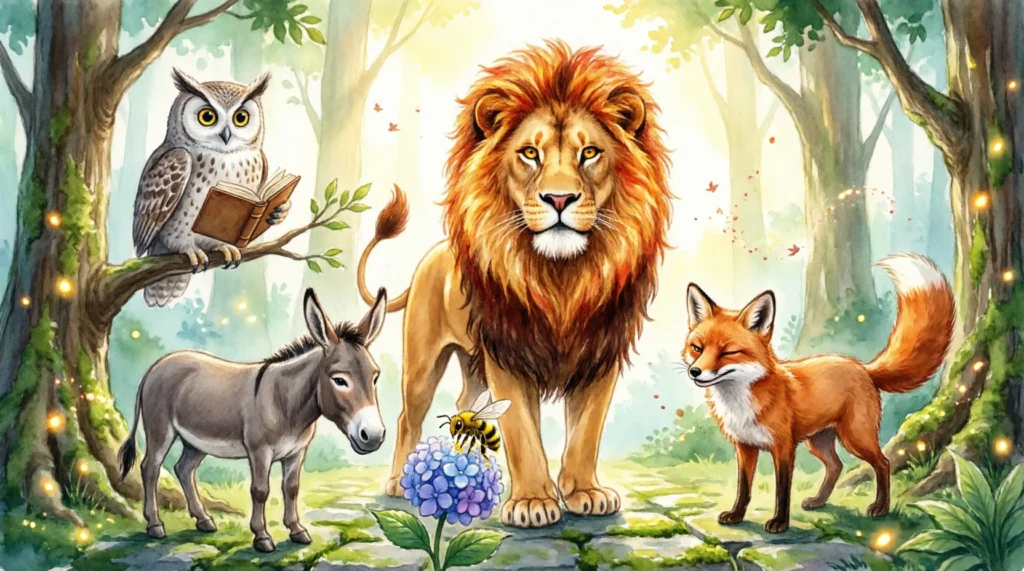
He was as brave as a lion during the competition.
Maya was as cheerful as sunshine on a spring morning.
Sam was as stubborn as a mule when it came to changing his mind.
Amina was as patient as a saint while teaching her little brother.
Jake was as curious as a cat exploring a new room.
Her kindness spread like warm sunshine after a rainy day.
He was as loyal as a golden retriever to his friends.
Zara was as quiet as a mouse during the presentation.
Ethan was as busy as a bee helping everyone prepare.
Sofia was as wise as an owl when giving advice.
Liam was as calm as a still lake during stressful moments.
Nora was as energetic as a puppy after a nap.
The coach was as tough as nails but fair to everyone.
His temper was like a volcano waiting to erupt.
Ava was as sweet as honey to everyone she met.
Noah was as stubborn as an oak tree in a storm.
Fatima was as thoughtful as a caring grandmother.
Ben was as playful as a dolphin at the beach.
Olivia was as graceful as a swan in motion.
Carlos was as fearless as an eagle soaring above mountains.
Priya was as bright as a star in class discussions.
Emma was as dependable as the sunrise.
Hassan was as honest as clear glass.
Layla was as welcoming as a warm blanket on a cold day.
These examples work because they create strong images in your mind. Good similes for personality traits connect emotions with familiar objects or animals. That makes your writing easier to picture and remember.
Once you know examples like these, you can start creating your own.
How to Use Similes for Personality Traits in Your Writing
Think about the personality trait you want to describe.
Ask yourself if the person is brave, funny, shy, generous, or stubborn. Knowing the trait helps you choose the right comparison.
Compare it to something familiar.
Animals, weather, and everyday objects often make great comparisons. You want readers to instantly understand your meaning.
Use “like” or “as.”
These words signal that you’re creating a simile. They help your comparison sound natural.
Keep your comparison clear and meaningful.
Instead of writing something confusing, choose images readers can easily imagine.
Example sentence:
“Mrs. Khan was as patient as a gardener tending flowers, always giving her students time to learn.”
As you practice, you’ll find that similes for personality traits can bring your characters to life.
Similes for Personality Traits in Poems and Stories
Writers often use figurative language to create emotion and imagery. Poems and stories become more memorable when characters feel real.
Aisha wrote in her poem:
“Grandmother smiled like sunshine after rain,
Her voice as gentle as a breeze again.”
Miguel described his friend in a story:
“Diego was as loyal as a faithful dog, always standing beside his friends.”
Chen wrote:
“Mei was as curious as a cat.
Questions danced in her mind all day.”
Creative writing teachers often encourage students to use similes because they add rhythm, feeling, and colorful images to writing.
Let’s also look at mistakes that many students make—and how to avoid them.
Common Mistakes Students Make With Similes for Personality Traits
Using comparisons that don’t fit the trait.
A shy person probably shouldn’t be compared to a roaring volcano. Make sure your image matches the personality.
Forgetting to use “like” or “as.”
Without those words, you may accidentally create a metaphor instead of a simile.
Repeating the same examples too often.
Everyone knows “brave as a lion.” Try creating fresh comparisons when possible.
Making comparisons too confusing.
Readers should understand your meaning quickly. Simplicity often works best.
Using personality similes that don’t match the situation.
A funny comparison may not fit a serious story. Think about tone and audience.
These mistakes are completely normal, and you can improve with practice.
Fun Activities to Practice Similes for Personality Traits
Create a Character Card.
Grab a pencil and invent a character. Write five personality traits and create a simile for each one.
Play the Animal Match Game.
Choose animals and match them with traits such as loyal, brave, or playful. Explain why they fit.
Draw and Describe.
Sketch a character and write similes around the picture. This combines art with writing.
Challenge Yourself With a Story Prompt.
Write a short story using three different similes for personality traits. See how naturally you can include them.
Read and Hunt.
Open a favorite book and look for similes. Notice how authors describe people and emotions.
Create a Worksheet With Friends.
Take turns guessing personality traits from similes. Turn it into a fun classroom game.
These activities help you become more comfortable using figurative language.
What NOT to Do With Similes for Personality Traits
Don’t believe every simile must be serious.
Funny comparisons can make your writing more enjoyable.
Don’t think only poems use similes.
Stories, essays, speeches, and even everyday conversations can include them.
Don’t overload every sentence with similes.
Too many comparisons can distract readers. Use them where they have the most impact.
Don’t assume famous similes are the only good ones.
Original ideas often make your writing more memorable.
With these tips in mind, you’re ready to answer some common questions.
Frequently Asked Questions About Similes for Personality Traits
What is a simile for personality traits?
A simile for personality traits compares someone’s character to something familiar using “like” or “as.” For example, “as brave as a lion” describes courage. These comparisons help readers picture a person’s behavior more clearly.
How do you use similes for personality traits in a sentence?
You can add them while describing people in stories or essays. For example, “Ali was as dependable as the sunrise.” This creates a vivid image and strengthens your writing.
What is the difference between a simile and a metaphor for personality traits?
A simile uses “like” or “as,” while a metaphor makes a direct comparison. “She is as gentle as a lamb” is a simile, but “She is a lamb” is a metaphor.
Are similes for personality traits good for middle school students?
Yes. They are especially helpful for grades 5–8 because they encourage creativity and improve descriptive writing. Many literacy researchers recommend figurative language practice for building stronger communication skills.
Why do writers use similes for personality traits?
Writers use them to add emotion, imagery, and personality. They help readers connect with characters and understand feelings more deeply.
Final Thoughts on Similes for Personality Traits
Learning similes for personality traits gives you a powerful way to describe people in colorful and memorable ways. You can use them in stories, poems, essays, and classroom assignments.
You explored dozens of examples, learned how to create your own, and discovered fun ways to practice. These skills can make your writing stronger and more enjoyable to read.
Remember, you don’t have to be a professional author to use figurative language well. Like any skill, it becomes easier every time you practice.
Keep experimenting, keep writing, and enjoy bringing your characters to life—your words can paint amazing pictures, and that’s something every writer can learn.
Liam Nguyen is a passionate educator and writer with a deep love for figurative language. He holds a master’s degree in Creative Writing and has spent eight years teaching at various educational settings, focusing on language enrichment programs for children from grades 2-6. His expertise in crafting metaphorical language and similes into captivating content stems from his belief that storytelling is the heartbeat of learning. Liam’s contributions to SimilePedia span from emotion-driven examples to color-inspired narrative tools. He is committed to fostering a creative environment where students can explore and find joy in their unique expressions.