In short, similes for dull help writers describe something boring, lifeless, uninteresting, or lacking brightness by comparing it to something familiar. Whether you’re writing a story, poem, essay, or school assignment, these comparisons can make your descriptions more vivid and memorable. Keep reading to discover examples, writing tips, and fun ways to practice using similes for dull effectively.
What Are Similes for Dull? (And Why They Matter)
Have you ever stared at a blank page while trying to describe a boring day, a lifeless room, or a colorless object? Many students know exactly what they want to say but struggle to find interesting words.
Similes for dull are comparisons that help you describe something that lacks excitement, brightness, energy, or interest. They usually use the words “like” or “as” to make the comparison clear.
These similes matter because they help your writing paint a stronger picture in the reader’s mind. Instead of simply saying something was dull, you can show exactly how dull it felt.
Language arts researchers and literacy educators often encourage students to use figurative language because it improves descriptive writing, reading comprehension, and creative thinking. When you learn to use similes for dull, your writing becomes more engaging and expressive.
Now that you know what they are, let’s explore some of the best examples you can use right away.
The Best Examples of Similes for Dull
As dull as a cloudy winter afternoon.
As dull as an old textbook left unopened on a shelf.
Like a movie with no sound.
As dull as watching paint dry.
Like a balloon slowly losing air.
As dull as a pencil without a point.
Like a gray sky that never changes.
As dull as stale crackers.
Like a garden with no flowers.
As dull as an empty hallway after school.
Like a song played on a single note.
As dull as yesterday’s newspaper.
Like a flashlight with fading batteries.
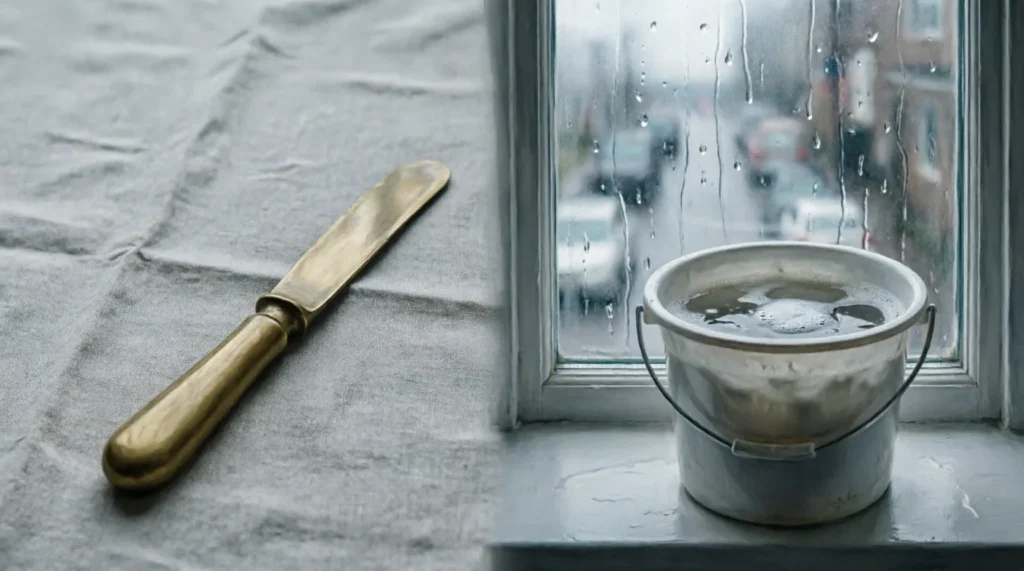
As dull as a spoon with no shine.
Like a room painted entirely gray.
As dull as a rainy day without a book to read.
Like a clock ticking in a silent room.
As dull as dust gathering in a corner.
Like a story with no characters to care about.
As dull as a rock sitting in a field.
Like an old photograph faded by sunlight.
As dull as cold oatmeal.
Like a television showing static.
As dull as a leafless tree in winter.
Like a toy with all its batteries removed.
These examples work because they create clear mental images. Readers can instantly imagine the feeling, appearance, or mood being described.
Good similes for dull often rely on everyday experiences. The more familiar the comparison feels, the easier it is for your audience to connect with your writing.
Once you have a collection of strong examples, the next step is learning how to use them naturally.
How to Use Similes for Dull in Your Writing
Identify what feels dull. Ask yourself whether the object, place, person, event, or mood lacks excitement, color, energy, or interest.
Think of a familiar comparison. Choose something your readers will easily recognize. Everyday objects and experiences often create the strongest similes.
Match the feeling carefully. Make sure your comparison reflects the specific kind of dullness you want to describe. A faded photograph suggests visual dullness, while watching paint dry suggests boredom.
Use the simile to enhance your sentence. Instead of replacing all description, let the simile add detail and emotion.
Example:
“The classroom felt as dull as a cloudy winter afternoon, and everyone seemed ready for the final bell.”
When you practice using similes this way, your writing becomes more vivid without sounding forced.
Let’s see how similes for dull can appear naturally in poems and stories.
Similes for Dull in Poems and Stories
Poets and authors often use similes for dull to create mood, develop settings, or show how a character feels. A well-chosen comparison can make a simple description much more memorable.
A short poem example:
“Mina stared through the window pane, The afternoon was as dull as rain, The clock moved slow from hour to hour, Like a garden missing every flower.”
Story example:
“Arjun opened the old notebook. Its pages looked as dull as yesterday’s newspaper, and the faded ink barely seemed alive.”
Another creative example:
“Fatima walked through the hallway. The silence hung like a movie with no sound, making every step feel heavier.”
Creative writing teachers often encourage students to experiment with similes because they add imagery, rhythm, and emotional depth. Even a simple comparison can transform an ordinary sentence into something readers remember.
Of course, using similes effectively also means avoiding common mistakes.
Common Mistakes Students Make With Similes for Dull
Choosing a comparison that is confusing If readers don’t understand the comparison, the simile loses its impact. Pick images that are easy to imagine.
Using the same simile repeatedly Writing “as dull as watching paint dry” in every assignment can become predictable. Try different comparisons to keep your writing fresh.
Mixing different ideas of dullness Some things are dull because they are boring, while others are dull because they lack brightness. Make sure your comparison matches your meaning.
Making the simile too long A simile should strengthen your sentence, not overwhelm it. Keep it clear and focused.
Forgetting the context A simile for dull should fit the scene. A comparison that works in a poem may not fit a science report or formal essay.
These mistakes are completely normal when you’re learning. The good news is that practice makes choosing the right simile much easier.
Speaking of practice, here are some fun activities you can try.
Fun Activities to Practice Similes for Dull
Dull-to-Dazzling Challenge Grab a pencil and write five boring descriptions. Then rewrite each one using a simile for dull and another simile that makes it sound exciting.
Simile Drawing Game Draw an object that looks dull, such as a faded book or gray room. Then write three similes that describe what you drew.
Story Upgrade Activity Take a short paragraph from a book or worksheet and replace plain descriptions with similes for dull where appropriate.
Classroom Guessing Game One student reads a simile, and others guess what dull object, place, or situation it describes.
Reading Detective Challenge yourself to find similes for dull in novels, poems, or short stories. Keep a notebook of your favorite examples.
Create a Simile Poster Make a colorful poster featuring your best similes for dull. Adding illustrations can help you remember them more easily.
Regular practice helps you notice figurative language everywhere, making it easier to use in your own writing.
What NOT to Do With Similes for Dull
Don’t assume every dull thing needs the same comparison. Different situations call for different imagery. A dull color and a dull event may require different similes.
Don’t force a simile into every sentence. Too many comparisons can make writing feel crowded. Use them when they add value.
Don’t choose comparisons nobody understands. Readers should quickly grasp the image you’re creating.
Don’t think simple similes are bad. Some of the most effective similes are easy to understand and highly relatable.
By avoiding these habits, you can make your figurative language stronger and more natural.
Frequently Asked Questions About Similes for Dull
What is a simile for dull?
A simile for dull compares something boring, lifeless, or lacking brightness to another familiar object or experience. Examples include “as dull as watching paint dry” or “like a movie with no sound.”
How do you use similes for dull in a sentence?
You can use them to create stronger descriptions. For example: “The lecture was as dull as a cloudy winter afternoon.” This gives readers a clearer sense of the mood.
What is the difference between a simile and a metaphor for dull?
A simile uses words such as “like” or “as” to make a comparison. A metaphor makes the comparison directly without those words. Both can describe dullness, but similes are often easier for students to identify.
Are similes for dull appropriate for middle school students?
Yes. Many similes for dull are simple, relatable, and easy to understand. They are commonly used in language arts classes to help students improve descriptive writing.
Why do writers use similes for dull?
Writers use them to help readers visualize a scene, object, or feeling more clearly. A good simile adds imagery and makes writing more memorable.
Final Thoughts on Similes for Dull
Learning similes for dull gives you a powerful way to describe boring, lifeless, or uninteresting things with creativity and precision. Instead of relying on the same basic adjective every time, you can create images that readers instantly understand.
In this guide, you explored dozens of examples, learned how to use them in your own writing, discovered common mistakes to avoid, and practiced applying them through fun activities.
Many literacy researchers and creative writing teachers agree that figurative language helps students express ideas more effectively. The more you experiment with similes, the more natural they become.
Remember, great writing is not about using complicated words. It’s about helping readers see, feel, and imagine what you are describing—and that’s a skill you can build one sentence at a time.
Jamal Rodriguez is a poet and author who has been writing professionally for over a decade. With a Bachelor’s degree in Creative Writing, Jamal’s expertise lies in the use of vivid imagery and emotional depth in poetic language. Fascinated by the limitless possibilities of similes and metaphors, he joined SimilePedia to share his knowledge with budding writers. Jamal focuses on creating content for creative writers and poets, helping them understand the emotional resonance that figurative language can evoke. Through his work, he aims to inspire others to explore their own creative boundaries and embrace the beauty of language as an art form. His contributions include a range of exercises that stimulate imagination across all grade levels.