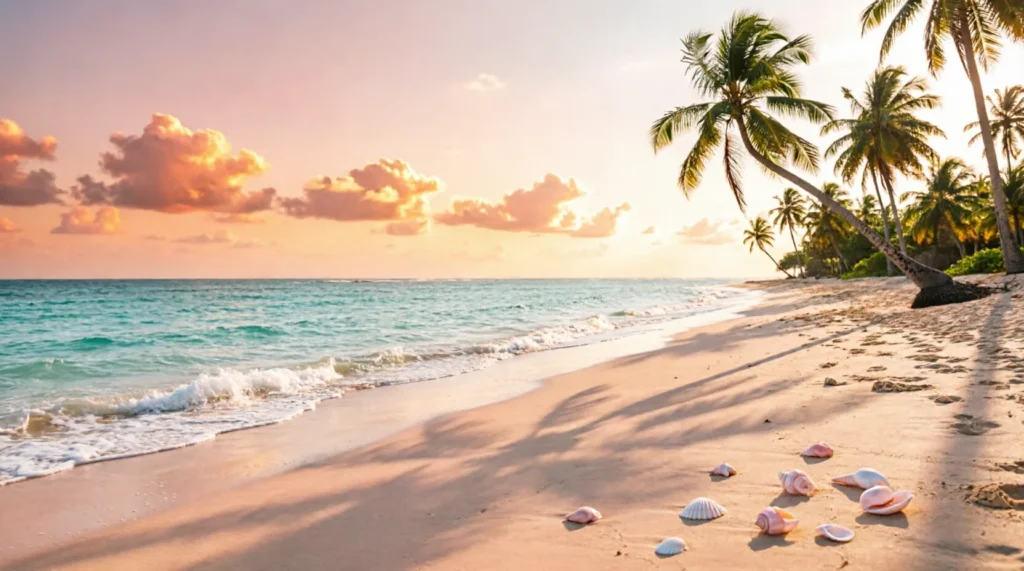
In short, similes for a beach are descriptive comparisons that help you explain what a beach looks, feels, sounds, or even smells like by using “as” or “like.” They make your writing more vivid by connecting the beach to familiar things your reader already understands. As you read further, you’ll discover creative examples and simple ways to use them in your own writing with confidence.
What Are Similes for a Beach? (And Why They Matter)
Imagine you’re staring at a blank page, trying to describe a sunny shoreline, but the words just won’t come. You know the beach is beautiful, but saying “the beach is nice” feels too simple and boring.
This is where similes for a beach help you shine. A simile is a comparison that uses “like” or “as” to show similarity between two things. So instead of plain description, you might say, “the beach is like a golden blanket under the sun.”
Similes matter because they help you build stronger writing skills for stories, essays, and exams. Literacy educators often explain that figurative language improves imagination and reading comprehension at the same time.
When you learn similes for a beach, you’re not just learning fancy phrases—you’re learning how to paint pictures with words. That’s a skill you can use everywhere in English writing.
The Best Examples of Similes for a Beach
Here are vivid and creative similes for a beach that you can use in your writing, homework, or storytelling:
The beach is like a golden carpet stretching into the sea.
The sand feels as soft as powdered sugar under your feet.
The waves crash like drums beating against the shore.
The ocean shines like a giant mirror under the sun.
The shoreline glows like melted gold at sunset.
The beach is as calm as a sleeping giant on a quiet morning.
The water sparkles like diamonds scattered across blue silk.
The beach breeze feels like a gentle whisper on your skin.
The sand is as warm as fresh bread straight from the oven.
The tide moves like a slow breath in and out of the earth.
The beach is like a painting that changes colors with the sky.
The seashells shine like tiny treasures hidden in the sand.
The ocean stretches like an endless blue blanket touching the horizon.
The beach is as lively as a festival during summer vacation.
The waves roll in like playful puppies chasing the shore.
The sand dunes rise like sleeping giants near the water.
The beach is as peaceful as a quiet library at dawn.
The foam on the waves looks like whipped cream on blue pudding.
The sunset over the beach is like fire melting into water.
The shoreline curves like a smiling face greeting the sea.
The beach feels like nature’s playground for the soul.
These similes work well because they connect the beach to familiar textures, emotions, and everyday images. When you use similes for a beach, your reader doesn’t just read—they see the scene in their mind.
How to Use Similes for a Beach in Your Writing
If you want to use similes for a beach in your own work, you don’t need to be an expert writer. You just need to follow a few simple steps.
Start by choosing what you want to describe—sand, waves, sunset, or breeze. Think about what stands out most in your scene.
Compare it to something familiar using “like” or “as.” For example, you can say the waves move like something everyone recognizes.
Keep it simple and clear so your reader understands the image instantly. Don’t overload your sentence with too many comparisons.
Practice by rewriting a basic sentence into a simile. For example: “The beach is peaceful” becomes “The beach is as peaceful as a sleeping baby.”
When you practice these steps, your writing becomes more colorful and engaging without feeling complicated.
Similes for a Beach in Poems and Stories
Writers and poets love using similes for a beach because the seaside naturally feels emotional, calm, and powerful. It helps set mood and atmosphere instantly.
Here are some creative examples:
The waves whispered like secrets to the shore, while Ayesha walked barefoot across glowing sand.
The beach at night was as quiet as a dream, where every step felt like walking through soft starlight.
Rohan wrote in his notebook: “The ocean moved like a living story, never ending, always changing.”
Poets use these comparisons because they add rhythm, emotion, and imagery that make readers feel inside the scene instead of just observing it.
“Like a giant mirror under the sky” — This captures a calm, reflective beach and works well in peaceful nature descriptions.
“As bright as polished seashells” — Use this to highlight the sparkling beauty of a sunny beach.
“Like a ribbon of golden sand” — This emphasizes the long, graceful stretch of a shoreline in descriptive writing.
“As peaceful as a quiet cove at sunrise” — Perfect for showing stillness and calm in essays or stories.
“Like a painting brought to life” — Use this when a beach scene feels colorful, detailed, and unforgettable.
💛 Warm & Emotional (for personal stories, letters, heartfelt writing)
“Like a warm hug after a long day” — This shows the comforting feeling of arriving at a favorite beach.
“As welcoming as an old friend’s smile” — A great choice for describing a beach that feels familiar and inviting.
“Like a happy memory waiting to return” — Use this when writing about family vacations or nostalgic moments.
“As gentle as a parent’s reassuring voice” — This simile highlights the calming atmosphere of the beach.
“Like home beneath an open sky” — Perfect for expressing a deep emotional connection to the shore.
✨ Poetic & Romantic (for poems, song lyrics, love writing)
“Like a dream resting beside the sea” — Creates a soft, dreamy mood for poetry and romantic writing.
“As graceful as moonlight on gentle waves” — Ideal for peaceful evening beach scenes.
“Like a love letter written in sand” — This adds romance and beauty to poems and creative writing.
“As timeless as the meeting of sea and sky” — Use this to express lasting beauty and endless wonder.
“Like a whispered promise carried by the breeze” — A lyrical simile that fits emotional poems and songs.
😄 Playful & Fun (for casual use, social media captions, humor)
“Like the world’s biggest sandbox” — A fun way to describe a beach full of games and adventure.
“As cheerful as a bucket full of colorful shells” — Great for lively vacation stories or captions.
“Like a giant playground beside the ocean” — Highlights the excitement and fun of spending time at the beach.
“As exciting as finding hidden treasure” — Perfect for describing beachcombing or exploring the shore.
“Like happiness wearing flip-flops” — A playful simile that’s perfect for casual writing and social media.
These tone-grouped similes for a beach give you options for every kind of writing — whether you need something soft and poetic or bold and fun. Try picking one from each group and using them in a short paragraph to see how different the same keyword can feel.
Using similes for a beach in Real Writing Contexts
In a Descriptive Essay
When describing a beach in a school essay, a simile helps readers picture the setting more clearly. Comparing the beach to something familiar makes your description more vivid and memorable. Example:The beach stretched before us like a ribbon of golden sand shining beneath the afternoon sun.
In a Poem
Similes for a beach can create peaceful, joyful, or romantic moods in poetry. They help readers feel the beauty of the shoreline through imaginative comparisons. Example:The beach lay like a dream resting beside the sea, while the waves softly sang to the shore.
In a Story or Creative Scene
In a story, similes for a beach can bring the setting to life or reflect how a character feels. They make scenes more engaging by connecting emotions with the environment. Example:After weeks of stress, Maya stepped onto the beach, and it felt like a warm hug after a long day, washing away every worry.
In a Social Media Caption or Message
A short, creative simile can make your beach caption more fun and memorable. It adds personality without making the message too long. Example:Weekend vibes: this beach is like happiness wearing flip-flops, and I’m never ready to leave!
The more you practice placing similes for a beach into real sentences, the more natural your writing will sound — and the more your reader will feel exactly what you want them to feel.
Common Mistakes Students Make With Similes for a Beach
Learning similes for a beach is fun, but there are a few mistakes you should watch out for.
Using boring comparisons like “the beach is like a beach.” This doesn’t create any imagery or interest for your reader.
Making similes too long or confusing. If your reader has to think too hard, the image gets lost.
Overusing similes in one paragraph. Too many comparisons can make your writing feel crowded.
Choosing comparisons that don’t match the beach scene. For example, comparing waves to something unrelated like “school desks” can feel strange unless used creatively.
Forgetting clarity. Even creative writing should still be easy to understand.
Fun Activities to Practice Similes for a Beach
Beach picture challenge: Look at a photo of a beach and write five similes for what you see. Try to include sand, water, and sky.
Simile swap game: Take a normal sentence like “The beach is beautiful” and rewrite it using similes for a beach. Share with a friend or classmate.
Poem creation: Write a four-line poem using at least two beach similes. Let your imagination run freely.
Describe your dream beach: Imagine your perfect beach and describe it using only similes. Push yourself to be creative.
Group storytelling: In a group, take turns adding one sentence each, but every sentence must include a beach simile.
Simile drawing activity: Draw a beach scene and label different parts with similes like “waves like dancing ribbons” or “sand like golden sugar.”
These activities help you turn simple ideas into creative writing skills you can use in school and beyond.
What NOT to Do With Similes for a Beach
Don’t copy the same similes again and again. Repetition makes your writing less interesting.
Don’t force comparisons that don’t make sense just to sound creative. Good writing should still feel natural.
Don’t ignore the mood of the beach scene. A stormy beach and a calm beach need different similes.
Don’t rely only on common phrases you see online. Try building your own unique comparisons.
Frequently Asked Questions About Similes for a Beach
What are some easy similes for a beach for beginners?
Easy similes for a beach include phrases like “the sand is like soft sugar” or “the waves are like gentle hands.” These help beginners build confidence in descriptive writing. They are simple but still create clear mental images.
How do you write a simile about the beach in a sentence?
To write a simile for a beach, pick one feature like sand or waves and compare it using “like” or “as.” For example, “The beach is as calm as a quiet morning” is a complete and effective sentence. Keep it short and clear for best results.
Why do writers use similes for a beach in stories?
Writers use similes for a beach to create mood, emotion, and vivid imagery. It helps readers imagine the scene more clearly and feel connected to the story. This makes writing more engaging and memorable.
Can similes for a beach be funny?
Yes, similes for a beach can be funny when used creatively. For example, “The waves bounced like excited kids at recess” adds humor and personality. Funny similes are great for younger readers or lighthearted stories.
What is the difference between a simile and a metaphor for a beach?
A simile uses “like” or “as,” such as “the beach is like a painting,” while a metaphor says it directly, like “the beach is a painting.” Both are useful, but similes are often easier for students to start with.
Final Thoughts on Similes for a Beach
Similes for a beach help you turn a simple seaside scene into something colorful, emotional, and alive. Instead of plain descriptions, you now have creative ways to show sand, waves, wind, and sunsets in your writing.
When you practice regularly, you’ll notice your stories and essays becoming more vivid and interesting. You don’t need perfect words—just imagination and a little practice.
Keep experimenting with your own comparisons, and soon your writing will feel as wide and beautiful as the ocean itself.
Frequently Asked Questions
What are similes for a beach and why are they important?▼
Similes for a beach are descriptive comparisons that use ‘like’ or ‘as’ to vividly illustrate what a beach looks, feels, or sounds like. They are important because they enhance your writing by making it more engaging and relatable, helping readers visualize the scene.
Can you give examples of similes for describing beach scenes?▼
Sure! Some examples include ‘the beach is like a golden carpet stretching into the sea’ and ‘the waves crash like drums beating against the shore.’ These comparisons help create vivid imagery that draws readers into the beach experience.
How can I effectively use similes in my writing about the beach?▼
To effectively use similes, start by identifying the specific beach element you want to describe, such as the sand or waves. Then, think of a familiar object or feeling to compare it to using ‘like’ or ‘as’ to create a clear and relatable image.
Are similes suitable for all types of writing about the beach?▼
Yes, similes can enhance various types of writing, including stories, essays, and poetry about the beach. They add depth and creativity, making your descriptions more vivid and memorable for readers.
What benefits do similes provide for students and writers?▼
Similes improve imagination and reading comprehension by encouraging writers to think creatively and make connections between different concepts. Learning to use similes can also help students develop stronger writing skills that are applicable across different forms of English writing.
How can I choose the right simile for my beach description?▼
Choose a simile that resonates with the mood or atmosphere you want to convey. For instance, if describing a peaceful scene, you might use ‘the beach is as peaceful as a quiet library at dawn’ to evoke tranquility.
What should I avoid when using similes in my writing?▼
Avoid overloading your sentences with complex or confusing similes that may distract the reader. Keep your comparisons simple and clear to ensure that the imagery is instantly understood and enhances your description.
Sara Liu holds a Master’s degree in English Education from the University of Washington and has been an educator for over 15 years. She specializes in curriculum development for elementary and middle school students, with a particular focus on figurative language. Sara’s love for similes and metaphors blossomed when she discovered their power to spark imagination and convey emotion. At SimilePedia, Sara creates engaging worksheets and reference guides that help young learners grasp the nuances of figurative language. Her favorite part of writing content is developing resources that make complex concepts accessible to children. She is passionate about nurturing a love for words and creativity in her students, and her contributions are shaped by this commitment.