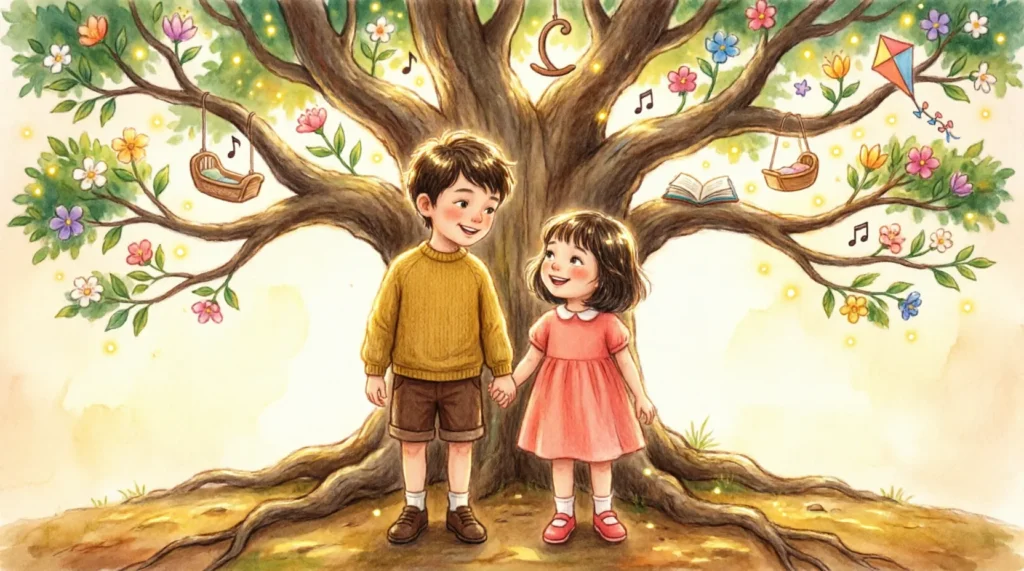
In short, similes for siblings are comparisons that describe brothers and sisters using the words “like” or “as” to show their relationship, emotions, or behavior in a creative way. They help you express how siblings act—whether they are playful, protective, annoying, or loving—in a more vivid and relatable way. As you read on, you’ll discover powerful examples and simple ways to use them in your own writing.
What Are Similes for Siblings? (And Why They Matter)
Imagine you’re sitting in class, and your teacher asks you to describe your brother or sister—but your mind goes blank. You know they’re important to you, but the words just don’t come out clearly. This is exactly where similes for siblings can help you shine.
Similes for siblings are simple comparisons that describe brothers and sisters using “like” or “as.” They help you explain your feelings and experiences in a way that makes your writing more colorful and meaningful.
For example, instead of saying “my sister is protective,” you could say she is “as protective as a lion watching its cubs.” That instantly paints a picture in the reader’s mind.
Language arts educators often say figurative language helps you turn everyday ideas into memorable images. When you use similes for siblings, you help your reader see your family bond, not just read about it.
The Best Examples of Similes for Siblings
[IMAGE: children playing and laughing together like siblings]
Here are powerful, creative, and student-friendly similes for siblings you can use in your writing:
My brother is like a shadow that follows me everywhere I go.
My sister is as protective as a mother hen guarding her chicks.
Siblings are like peanut butter and jelly—different but perfect together.
My brother is as noisy as a thunderstorm during a quiet night.
My sister is like sunshine after a rainy day, always lifting my mood.
We are like cats and dogs, always fighting but never staying apart.
My brother is as stubborn as a locked door without a key.
My sister is like a calm river that quietly supports everything around her.
Siblings are like puzzle pieces that fit together in strange but perfect ways.
My brother is as fast as lightning when he wants to win a game.
My sister is like a librarian of memories, remembering everything I forget.
We are like two magnets—sometimes pushing away, sometimes pulling close.
My brother is as loud as a drum in an empty hall.
My sister is like a warm blanket on a cold winter night.
Siblings are like teammates who don’t always agree but share the same goal.
My brother is as playful as a puppy chasing its tail.
My sister is like a guiding star when I feel lost.
We are like fireworks—bright, explosive, and impossible to ignore.
These similes for siblings work because they use strong imagery and emotion. You can almost see the relationship in action, and that makes your writing more powerful and memorable.
How to Use Similes for Siblings in Your Writing
Think about real moments with your sibling, like playing, arguing, or helping each other.
Choose an emotion—love, anger, fun, or protection—and match it with something in nature or daily life.
Build your comparison using “like” or “as” to create a clear image.
Add it into a full sentence so your idea feels complete and natural.
For example: “My sister is like a lighthouse, guiding me through difficult times.”
When you practice similes for siblings this way, your writing becomes more expressive and easier for readers to connect with.
Similes for Siblings in Poems and Stories
[IMAGE: poetic illustration of siblings holding hands under stars]
Writers and poets often use similes for siblings to show emotion and connection in a few powerful words.
Here are some creative examples:
Aisha wrote: “My brother is like wind through the trees—always around, never still.”
Daniel said: “We are as close as pages in the same book, different but connected.”
Mei’s poem: “My sister is like moonlight, soft but always present in the dark.”
Poets use similes because they add rhythm, emotion, and imagination. Instead of explaining feelings directly, they help you feel them through comparison.
“Like branches growing from the same tree” — Shows siblings sharing the same roots while growing into different people, making it great for descriptive essays.
“As steady as a mountain trail” — Highlights dependable sibling relationships that stay strong through life’s changes.
“Like two waves reaching the same shore” — Describes siblings who may take different paths but always find their way back together.
“As colorful as a garden in spring” — Captures the variety of personalities siblings can have while belonging to the same family.
“Like leaves dancing in the same breeze” — Emphasizes siblings who experience life’s moments together with shared energy and joy.
💛 Warm & Emotional (for personal stories, letters, heartfelt writing)
“Like a warm blanket on a cold evening” — Expresses the comfort and security that caring siblings often provide.
“As dependable as the morning sunrise” — Shows that siblings can be counted on no matter what happens.
“Like a handwritten note from home” — Suggests a sibling’s presence brings familiarity, kindness, and comfort.
“As comforting as a favorite childhood song” — Works well when describing happy memories shared with siblings.
“Like a light shining through the window” — Describes siblings who bring hope and encouragement during difficult times.
✨ Poetic & Romantic (for poems, song lyrics, love writing)
“Like stars stitched across the midnight sky” — Creates a beautiful image of siblings connected even when they seem far apart.
“As graceful as moonlight on quiet water” — Conveys peaceful, gentle sibling relationships in poetic writing.
“Like echoes carried through the hills” — Suggests siblings leave lasting memories and influence each other’s lives.
“As timeless as the changing seasons” — Highlights a sibling bond that continues through every stage of life.
“Like silver threads woven into one tapestry” — Represents siblings whose lives remain connected despite different journeys.
😄 Playful & Fun (for casual use, social media captions, humor)
“Like popcorn popping in every direction” — Perfect for describing energetic siblings who are always on the move.
“As noisy as a cheering crowd” — Adds humor when talking about lively brothers and sisters.
“Like puzzle pieces that never stop moving” — Describes siblings who fit together even while constantly teasing or chasing each other.
“As quick as squirrels racing up a tree” — Works well for active siblings who are always competing in fun ways.
“Like fireworks on a summer night” — Captures the excitement, laughter, and occasional chaos that siblings bring to family life.
These tone-grouped similes for siblings give you options for every kind of writing — whether you need something soft and poetic or bold and fun. Try picking one from each group and using them in a short paragraph to see how different the same keyword can feel.
Using similes for siblings in Real Writing Contexts
In a Descriptive Essay
When writing about family, a simile helps readers picture the relationship instead of simply being told about it. It can make your description more vivid and memorable. Example:My siblings were like branches growing from the same tree, each reaching toward a different dream while sharing the same roots.
In a Poem
Similes for siblings can create warmth, nostalgia, or hope in poetry. They help readers connect emotionally with family memories through strong imagery. Example:My siblings were like stars stitched across the midnight sky, quietly guiding me through every dark night.
In a Story or Creative Scene
In stories, similes can reveal how siblings interact during exciting, funny, or emotional moments. They help readers imagine the scene more clearly. Example:As the rain poured outside, my siblings gathered around me like a warm blanket on a cold evening, turning an ordinary night into a treasured memory.
In a Social Media Caption or Message
A short simile can make a family photo or message more fun and memorable. It adds personality without needing many words. Example:Life with my siblings is like fireworks on a summer night—loud, bright, unpredictable, and always unforgettable. ❤️
The more you practice placing similes for siblings into real sentences, the more natural your writing will sound — and the more your reader will feel exactly what you want them to feel.
Common Mistakes Students Make With Similes for Siblings
Using unclear comparisons Sometimes students choose comparisons that don’t make sense. You should always make sure your simile creates a clear image in the reader’s mind.
Making it too complicated If your simile is too long or confusing, your message gets lost. Keep it simple and easy to understand.
Repeating the same ideas You might keep saying “like a brother” or “like a sister” without adding creativity. Try to use fresh comparisons.
Mixing metaphors and similes Remember, similes use “like” or “as.” Don’t accidentally turn them into metaphors unless you mean to.
Forgetting emotion A strong simile for siblings should show feeling, not just describe appearance or action.
Fun Activities to Practice Similes for Siblings
Write a “sibling description challenge” Grab a notebook and write five similes for siblings based on real memories with your brother or sister.
Play the comparison game Take turns with a friend or classmate saying “My sibling is like…” and complete it in a funny or creative way.
Draw and describe Draw a scene of you and your sibling, then add at least three similes for siblings to describe the picture.
Story building exercise Write a short story about siblings and include at least five similes throughout the story.
Emotion matching game Pick emotions like anger, joy, or jealousy and create similes for siblings that match each feeling.
Classroom simile wall Create a wall display where students post their best similes and read each other’s creative ideas.
What NOT to Do With Similes for Siblings
Don’t use boring or overused comparisons Saying “my brother is like a brother” adds no creativity. You should always aim for imagination.
Don’t force random comparisons If it doesn’t make sense, your reader will get confused instead of impressed.
Don’t overuse similes in one paragraph Too many similes for siblings in one place can make your writing feel crowded.
Don’t ignore real experiences The best similes come from real memories with your siblings, not random ideas from the internet.
Frequently Asked Questions About Similes for Siblings
What are simple examples of similes for siblings?
Simple similes for siblings include phrases like “my brother is like my shadow” or “my sister is as caring as a mother hen.” These comparisons are easy to understand and perfect for students. They help you describe your sibling in a creative but clear way.
Why do writers use similes for siblings in stories?
Writers use similes for siblings to show emotional bonds and personality traits in a vivid way. Instead of directly telling the reader how siblings feel about each other, similes help show it through imagery. This makes stories more engaging and memorable.
Can similes for siblings be funny?
Yes, similes for siblings can definitely be funny. For example, “my brother is like a tornado in a toy store” adds humor while still describing behavior. Funny similes make your writing entertaining and relatable.
How do I create my own similes for siblings?
Start by thinking about your sibling’s personality and actions. Then compare them to something in nature, animals, or everyday objects using “like” or “as.” With practice, you’ll naturally create unique similes for siblings that feel personal and creative.
Are similes for siblings useful in exams?
Yes, they are very useful in exams, especially in creative writing sections. Using similes for siblings can help you score higher by showing strong vocabulary and imagination. Just make sure your comparisons are clear and relevant.
Final Thoughts on Similes for Siblings
Similes for siblings help you turn everyday family moments into meaningful, creative expressions. Whether your brother is loud and playful or your sister is calm and supportive, you now have the tools to describe them in a powerful way.
When you practice regularly, your writing becomes more colorful and easier for readers to enjoy. You don’t need perfect words—you just need imagination and a little observation of your real life.
Keep experimenting with similes for siblings in your stories, poems, and schoolwork. The more you try, the more natural it will feel, and your writing will grow stronger every time you express a family bond in a new way.
Frequently Asked Questions
What are similes for siblings and why are they important?▼
Similes for siblings are creative comparisons that describe brothers and sisters using ‘like’ or ‘as.’ They are important because they help convey complex emotions and relationships in a vivid way, making your writing more colorful and relatable.
Can you give examples of similes for siblings?▼
Sure! Some examples include: ‘My brother is like a shadow that follows me everywhere I go’ and ‘My sister is as protective as a mother hen guarding her chicks.’ These comparisons illustrate the unique dynamics of sibling relationships.
How can I use similes for siblings in my own writing?▼
To use similes effectively, think about real moments with your sibling and choose an emotion like love or annoyance. Formulate your simile using ‘like’ or ‘as’ to create a vivid image, such as ‘My brother is as loud as a drum in an empty hall.’
What emotions can I express using similes for siblings?▼
You can express a variety of emotions such as love, annoyance, playfulness, or protectiveness. For instance, saying ‘My sister is like sunshine after a rainy day’ conveys warmth and positivity in your relationship.
Why do figurative language and similes enhance writing about family bonds?▼
Figurative language, like similes, transforms everyday ideas into memorable images that resonate with readers. By using similes for siblings, you allow your audience to visualize and feel the depth of your family bonds, rather than just reading about them.
What makes a good simile for siblings?▼
A good simile for siblings uses strong imagery that evokes emotion and is relatable. It should connect a specific characteristic or behavior of the sibling to something recognizable, such as nature or everyday objects.
How can similes for siblings be applied in poems and stories?▼
Similes can enhance poems and stories by adding depth and color to the portrayal of sibling relationships. They help create vivid imagery that captures the essence of these bonds, making the writing more engaging for readers.
More Fresh Similes for Siblings
Close as two pages stuck together in an old book.
Loyal as a sibling who still takes your side, even when you’re wrong.
Competitive as siblings racing to be first out the car door.
Bonded as branches that grew from the very same root.
Familiar as an inside joke only your siblings understand.
Jamal Rodriguez is a poet and author who has been writing professionally for over a decade. With a Bachelor’s degree in Creative Writing, Jamal’s expertise lies in the use of vivid imagery and emotional depth in poetic language. Fascinated by the limitless possibilities of similes and metaphors, he joined SimilePedia to share his knowledge with budding writers. Jamal focuses on creating content for creative writers and poets, helping them understand the emotional resonance that figurative language can evoke. Through his work, he aims to inspire others to explore their own creative boundaries and embrace the beauty of language as an art form. His contributions include a range of exercises that stimulate imagination across all grade levels.