In short, similes for grumpy are creative comparisons that help you describe someone’s bad mood using “like” or “as” in a vivid and relatable way. In this article, you will discover easy examples, writing tips, and fun activities to master these expressions so your descriptions become more powerful and expressive in stories and everyday writing.
If you’ve ever struggled to describe a grumpy character in your writing, you’re not alone—and this guide will help you turn that mood into something colorful and memorable.
What Are Similes for Grumpy? (And Why They Matter)
Imagine you’re writing a story, and your character wakes up in a bad mood. You know they’re grumpy, but the word “grumpy” feels too plain. You sit there thinking, trying to make your writing more interesting, but nothing comes out.
That’s where similes for grumpy come in. They are comparisons that use “like” or “as” to show someone’s bad mood in a creative way. Instead of saying someone is grumpy, you show it through imagery.
In simple terms, similes for grumpy help you describe anger, irritation, or bad moods in a way readers can see and feel.
Literacy educators often explain that figurative language like similes improves storytelling, reading comprehension, and emotional expression. When you use them, your writing becomes more engaging and realistic.
By learning similes for grumpy, you make your characters come alive instead of sounding flat or repetitive. And once you understand them, you can use them in essays, stories, poems, and even conversations.
Now that you understand why they matter, let’s explore some powerful examples you can start using right away.
The Best Examples of Similes for Grumpy
Here are creative and student-friendly similes for grumpy that you can use in your writing. Each one helps you show a bad mood in a fun and visual way.
Grumpy as a cat stuck in the rain
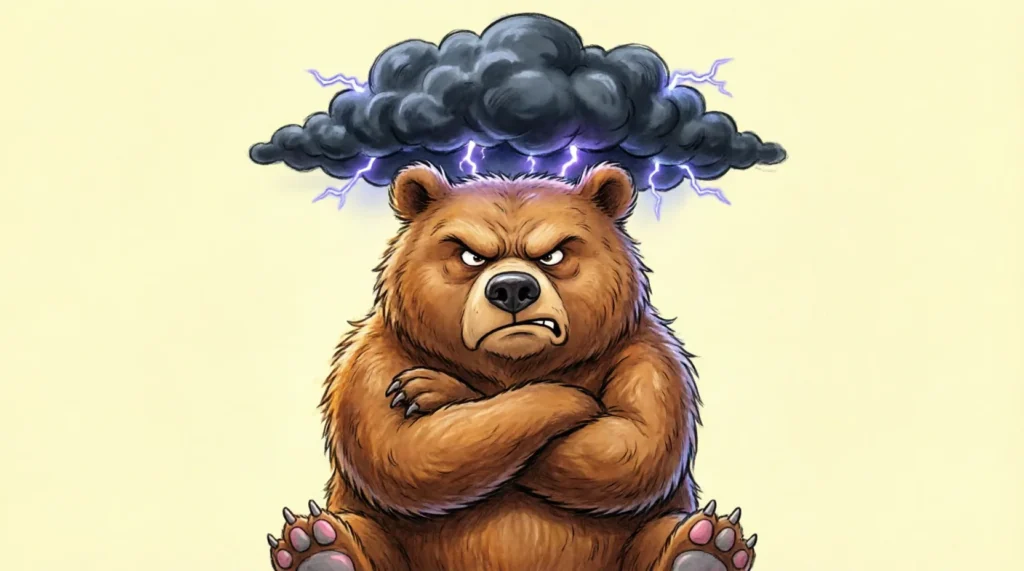
As grumpy as a bear woken up too early from hibernation
Grumpy like a phone with 1% battery and no charger nearby
As grumpy as a student on Monday morning without breakfast
Grumpy like thunder clouds rolling in before a storm
As grumpy as a lion who missed its meal
Grumpy like a broken pencil during an exam
As grumpy as a sleepy owl forced to wake up at sunrise
Grumpy like spilled milk on a clean kitchen floor
As grumpy as a dog denied its favorite treat
Grumpy like a gamer losing internet mid-match
As grumpy as a chef who burns the main dish
Grumpy like a rainy day with no umbrella
As grumpy as a kid told to turn off their favorite cartoon
Grumpy like a student who forgot their homework at home
As grumpy as a rooster who overslept
Grumpy like a cracked phone screen after dropping it
As grumpy as a traveler missing their bus
Grumpy like a classroom without any fans in summer
As grumpy as a cat with no milk in its bowl
Grumpy like a superhero without powers
As grumpy as a baker who runs out of flour mid-recipe
These similes for grumpy work well because they connect emotions to real-life situations you already understand. They use strong imagery, everyday experiences, and humor to make the mood clear without directly stating it.
When you use comparisons like these, your reader doesn’t just read the mood—they actually feel it.
How to Use Similes for Grumpy in Your Writing
Now that you’ve seen examples, you might be wondering how you can actually use them in your own writing. Don’t worry—you can start small and build confidence step by step.
First, think of a grumpy situation Ask yourself: Why is the character annoyed? You can’t use similes for grumpy effectively unless you understand the cause of the mood.
Next, compare the mood to something familiar Try to think of real-life things that feel irritating or frustrating. This helps you create stronger similes for grumpy.
Then, build your sentence clearly For example: He was as grumpy as a student without sleep before an exam. This makes your writing easy to understand.
Finally, add emotion through detail You can improve your sentence by showing actions or reactions that match the grumpy feeling.
For example: She was as grumpy as a cat in the rain, refusing to talk to anyone at breakfast.
When you practice these steps, you’ll notice your writing becoming more vivid and expressive. And the more you use similes for grumpy, the more natural they will feel in your stories.
Let’s now see how writers use them creatively in poems and stories.
Similes for Grumpy in Poems and Stories
Writers and poets love using similes for grumpy because they instantly create mood and personality. Instead of telling the reader how someone feels, they show it in a creative way.
Here are some short examples:
Rania’s morning poem: He sat like a storm cloud in a small room, Grumpy as thunder waiting to explode.
Ahmed’s story line: The teacher walked into class, grumpy like a bear who hadn’t eaten all winter.
Lina’s creative description: She felt as grumpy as a broken clock, stuck in a moment she didn’t like.
These examples show how similes for grumpy add emotion and rhythm to writing. Poets and authors use them because they help readers connect emotionally and visualize scenes more clearly.
When you experiment with these ideas, your writing starts to feel more alive and expressive.
“As grumpy as a storm cloud before the rain” — Captures a tense, gloomy mood that feels ready to burst, making it great for descriptive scenes.
“Like a thorny bush blocking the path” — Suggests someone who seems difficult to approach or talk to.
“As grumpy as a tree bending in a cold wind” — Shows a rough, uncomfortable mood caused by difficult circumstances.
“Like dark waves crashing against rocky cliffs” — Creates a strong image of constant irritation and emotional unrest.
“As grumpy as a crow guarding its nest” — Describes someone who reacts sharply when they want to be left alone.
💛 Warm & Emotional (for personal stories, letters, heartfelt writing)
“Like a sleepy child woken too early” — Shows temporary grumpiness in a gentle and understanding way.
“As grumpy as someone missing home” — Expresses sadness and irritability mixed together, fitting emotional writing.
“Like a tired traveler at the end of a long road” — Highlights exhaustion as the reason behind a grumpy attitude.
“As grumpy as a friend who skipped breakfast” — Adds a lighthearted explanation for someone’s bad mood.
“Like an old sweater caught in the rain” — Suggests feeling uncomfortable, worn out, and easily annoyed.
✨ Poetic & Romantic (for poems, song lyrics, love writing)
“Like the moon hiding behind heavy clouds” — Suggests that kindness is hidden beneath a grumpy mood.
“As grumpy as winter refusing to become spring” — Creates a poetic image of a mood that takes time to brighten.
“Like a lonely wind wandering empty hills” — Adds a quiet, reflective feeling to descriptions of grumpiness.
“As grumpy as fading daylight before night” — Evokes a slow shift toward a darker emotional tone.
“Like a candle struggling against the breeze” — Describes someone whose patience is almost gone but not completely lost.
😄 Playful & Fun (for casual use, social media captions, humor)
“As grumpy as a phone with a 1% battery” — A funny, modern comparison for someone running out of patience.
“Like a cat told it’s bath time” — Perfect for joking about someone who clearly doesn’t want to cooperate.
“As grumpy as a gamer whose Wi-Fi just stopped” — Relatable for students and casual conversations.
“Like a sandwich with no filling” — Humorously suggests someone who just isn’t in a cheerful mood.
“As grumpy as an alarm clock on Monday morning” — A playful comparison that fits everyday situations.
These tone-grouped similes for similes for grumpy give you options for every kind of writing — whether you need something soft and poetic or bold and fun. Try picking one from each group and using them in a short paragraph to see how different the same keyword can feel.
Using similes for grumpy in Real Writing Contexts
In a Descriptive Essay
When describing a person’s mood in an essay, a simile helps readers picture their expression and attitude more clearly. Instead of simply saying someone was grumpy, compare them to something familiar for stronger imagery. Example:The shopkeeper looked as grumpy as a storm cloud before the rain, making every customer hesitate before speaking.
In a Poem
Similes for grumpy can create atmosphere and emotion in poetry, helping readers feel the mood without directly explaining it. Choose comparisons that match the feeling you want your poem to express. Example:You stood like the moon hiding behind heavy clouds, as grumpy as winter refusing to become spring.
In a Story or Creative Scene
In stories, similes for grumpy make characters feel more realistic by showing their emotions through vivid comparisons. They can also make dialogue and action more engaging. Example:Jake folded his arms and stood as grumpy as a phone with a 1% battery while everyone else laughed around the campfire.
In a Social Media Caption or Message
A short, funny simile makes casual writing more memorable and entertaining. It quickly tells friends exactly how you’re feeling without using many words. Example:Running on two hours of sleep today—I’m as grumpy as a gamer whose Wi-Fi just stopped! 😅
The more you practice placing similes for grumpy into real sentences, the more natural your writing will sound — and the more your reader will feel exactly what you want them to feel.
Common Mistakes Students Make With Similes for Grumpy
It’s completely normal to make mistakes when learning similes for grumpy. The good news is that every mistake helps you improve.
Using overused comparisons Many students repeat the same ideas like “grumpy as a bear” too often. Try to be creative so your writing stands out.
Making comparisons that don’t make sense Sometimes students mix unrelated ideas. Your simile should always connect clearly to the feeling of being grumpy.
Forgetting emotional meaning A simile should not just sound funny—it should show mood. Always think about how the reader will feel.
Writing overly long sentences If your simile becomes too complicated, it loses impact. Keep it simple and clear.
Using similes without context You should always place your simile in a sentence so readers understand the situation.
These mistakes are normal, and once you notice them, your use of similes for grumpy will improve quickly and naturally.
Fun Activities to Practice Similes for Grumpy
Here are some enjoyable ways you can practice and strengthen your understanding of similes for grumpy.
Mood Matching Game Write different grumpy situations on paper and match them with your own similes. Try to be creative and avoid repeating ideas.
Story Starter Challenge Start a short story using one simile for grumpy in the first sentence. Then continue the story based on that mood.
Classroom Role Play Act out a grumpy character while your classmates guess your simile. This makes learning active and fun.
Simile Drawing Activity Draw a grumpy character and write a simile underneath it. This helps you connect visuals with language.
Daily Writing Practice Each day, write one sentence using similes for grumpy based on something that annoyed you.
Turn Emotions into Comparisons Pick a random emotion and try turning it into a grumpy simile. Challenge yourself to think differently each time.
These activities help you practice naturally without pressure, making your writing skills stronger over time.
What NOT to Do With Similes for Grumpy
To use similes for grumpy effectively, you should also know what to avoid.
Don’t reuse the same simile repeatedly If you always say “grumpy as a bear,” your writing becomes boring. Try new comparisons to keep it fresh.
Don’t force unrealistic comparisons If your simile doesn’t make sense, your reader will get confused instead of engaged.
Don’t overuse similes in one paragraph Too many comparisons can distract the reader from your main idea.
Don’t ignore tone A good simile should match the mood of your story. Random or unrelated comparisons weaken your writing.
By avoiding these mistakes, you’ll use similes for grumpy more effectively and naturally.
Frequently Asked Questions About Similes for Grumpy
What are simple examples of similes for grumpy?
Simple similes for grumpy include phrases like “grumpy as a cat in the rain” or “as grumpy as a student on Monday morning.” These comparisons make moods easy to understand and visualize.
How do you use similes for grumpy in a sentence?
You can use similes for grumpy by comparing a character’s mood to something familiar. For example, “He was as grumpy as a bear waking up too early.”
Why do writers use similes for grumpy?
Writers use similes for grumpy to show emotion instead of just telling it. This makes stories more engaging and helps readers feel connected to the character.
Can students create their own similes for grumpy?
Yes, students can easily create their own similes for grumpy by thinking of real-life situations that feel frustrating or annoying and turning them into comparisons.
Are similes for grumpy useful in exams?
Yes, similes for grumpy can help improve your creative writing marks in exams because they show strong vocabulary and imagination.
Final Thoughts on Similes for Grumpy
Learning similes for grumpy helps you turn simple moods into expressive, creative writing. Instead of saying a character is just “grumpy,” you now have many ways to show it in colorful detail.
When you practice these comparisons, your writing becomes more interesting, emotional, and fun to read. You also become better at describing feelings in a way your reader can truly imagine.
Keep experimenting with new ideas, and you’ll soon find that writing similes for grumpy feels natural and even enjoyable. Every sentence you write is a chance to improve, and your creativity will only grow from here.
Frequently Asked Questions
What are similes for grumpy and how do they enhance writing?▼
Similes for grumpy are creative comparisons that describe someone’s bad mood using ‘like’ or ‘as’. They enhance writing by making emotions more vivid and relatable, helping readers to visualize the character’s feelings instead of just stating them.
Can you provide some examples of similes for grumpy?▼
Sure! Examples include ‘grumpy as a cat stuck in the rain’ and ‘grumpy like a bear woken up too early from hibernation’. These comparisons use strong imagery to convey bad moods in a fun and relatable way.
How can I incorporate similes for grumpy into my writing?▼
Start by identifying moments in your story where a character’s mood needs to be expressed. Use similes to replace plain descriptions with more colorful comparisons, gradually building your confidence in using figurative language.
Why is it important to use figurative language like similes in storytelling?▼
Figurative language, including similes, enriches storytelling by improving emotional expression and reader engagement. It makes the narrative more dynamic and helps convey complex emotions in a relatable manner.
What writing tips are suggested for mastering similes for grumpy?▼
The article suggests starting small by practicing with easy comparisons and gradually experimenting with more complex ones. By observing real-life situations and emotions, you can create your own unique similes that resonate with readers.
How do similes for grumpy benefit character development?▼
Using similes for grumpy helps flesh out characters by providing depth to their emotions. Instead of a flat description, these comparisons create a more vibrant image of the character’s mood, making them feel more real and relatable.
Are similes for grumpy only useful in creative writing?▼
No, similes for grumpy can be used in various forms of writing, including essays and poetry, as well as in everyday conversations. They help convey emotions effectively in any context where vivid descriptions are needed.
Liam Nguyen is a passionate educator and writer with a deep love for figurative language. He holds a master’s degree in Creative Writing and has spent eight years teaching at various educational settings, focusing on language enrichment programs for children from grades 2-6. His expertise in crafting metaphorical language and similes into captivating content stems from his belief that storytelling is the heartbeat of learning. Liam’s contributions to SimilePedia span from emotion-driven examples to color-inspired narrative tools. He is committed to fostering a creative environment where students can explore and find joy in their unique expressions.