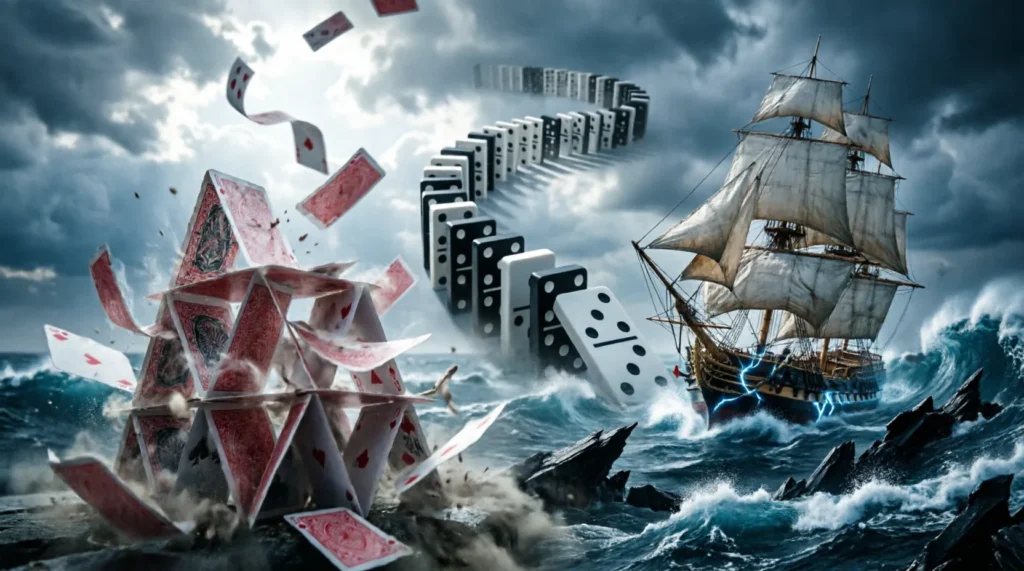
In short, similes for disaster are descriptive comparisons that help you explain chaos, destruction, or emergency situations using “like” or “as.” They make your writing clearer, more vivid, and emotionally stronger by connecting disasters to familiar images. In this guide, you’ll discover powerful examples and learn how to use them in your own writing to make your stories come alive.
What Are Similes for Disaster? (And Why They Matter)
Imagine you’re sitting in class and your teacher asks you to describe a hurricane, but your mind goes blank. Or maybe you’re writing a story and you want your reader to feel the earthquake shaking the ground. This is where similes for disaster become your best tool.
Similes for disaster are comparisons that describe destructive or chaotic events using “like” or “as.” Instead of saying “the storm was strong,” you might say “the storm was like a roaring beast.”
These comparisons matter because they help you turn simple descriptions into powerful images. Literacy educators often explain that figurative language improves imagination, reading comprehension, and emotional expression.
When you use similes for disaster, your writing becomes more engaging, and your reader can easily picture the scene. Whether it’s for exams, creative writing, or storytelling, this skill helps you stand out.
Now that you understand the basics, let’s explore some vivid examples you can use right away.
The Best Examples of Similes for Disaster
Here are powerful, creative, and student-friendly similes for disaster that you can use in your writing to bring chaos and destruction to life:
The earthquake shook the ground like a giant stomping its feet in anger.
The hurricane moved across the coast like a hungry beast searching for prey.
The flood rose like a growing wall of glass about to shatter everything.
The wildfire spread like a runaway train with no brakes.
The thunderstorm crashed like drums in a war between clouds.
The tornado spun like a giant blender tearing through the earth.
The explosion echoed like a thunderclap that never stopped ringing.
The landslide fell like a collapsing giant made of rock and soil.
The storm clouds gathered like an army preparing for battle.
The tsunami rolled in like a dark mountain rising from the sea.
The city after the disaster looked like a broken toy scattered on the floor.
The rain poured like tears from a sorrowful sky.
The wind howled like a ghost crying through empty streets.
The aftershock hit like a second punch when you least expected it.
The firestorm roared like a dragon unleashed from a cave.
The blackout spread like ink swallowing a page of light.
The destruction spread like spilled ink across white paper.
The emergency sirens screamed like voices warning of danger.
The collapsing building fell like a house of cards in slow motion.
The chaos in the city moved like ants scattering from a broken nest.
The smoke covered the sky like a heavy blanket of ash.
The disaster scene felt like a nightmare that refused to end.
These similes for disaster work because they connect unfamiliar destruction to familiar everyday images. When you read them, you can almost see, hear, and feel the situation.
Now let’s learn how you can actually use them in your own writing.
How to Use Similes for Disaster in Your Writing
Using similes for disaster correctly can make your writing far more powerful. Here’s how you can do it step by step:
First, choose the disaster you want to describe, like a flood, earthquake, or fire. Think about what makes it intense or emotional for you as a writer.
Next, think of a familiar image that matches the feeling. For example, a storm might remind you of roaring animals or crashing waves.
Then, connect the two using “like” or “as.” This is where your simile is created.
Finally, test your sentence by reading it aloud. Ask yourself if it helps you picture the disaster clearly.
For example, you might write: “The wildfire spread like a hungry shadow chasing the forest.”
When you follow these steps, your writing becomes more expressive and easier for readers to imagine.
Now let’s see how writers and poets naturally use this style.
Similes for Disaster in Poems and Stories
Writers and poets love using similes for disaster because they turn destruction into emotional and visual experiences. Instead of plain facts, they give readers something to feel.
Here are some creative examples:
Ayaan wrote: “The earthquake hit like a giant knocking on the earth’s door.”
Maria described it: “The storm clouds rolled in like a curtain closing on the day.”
Liam imagined: “The city after the fire stood like a skeleton of its former self.”
In poetry and stories, similes for disaster help create mood and tension. They also make your reader connect emotionally with what is happening.
When you write creatively, using these comparisons helps your story feel alive and dramatic instead of flat.
Next, let’s look at common mistakes you should avoid.
“Like a mountain crumbling into the valley” — Captures a disaster that unfolds with unstoppable force and dramatic impact.
“As sudden as a flash flood after heavy rain” — Shows how quickly disaster can strike without warning.
“Like a forest swallowed by thick fog” — Suggests confusion, danger, and uncertainty during a disastrous event.
“As fierce as waves crashing against a rocky shore” — Describes a disaster that keeps pounding with relentless power.
“Like dry grass catching a single spark” — Highlights how a small problem can rapidly grow into a major disaster.
💛 Warm & Emotional (for personal stories, letters, heartfelt writing)
“Like a family photo torn in half” — Expresses the sadness and emotional loss that disaster can bring.
“As painful as watching hope drift away” — Emphasizes heartbreak and disappointment after a disaster.
“Like a favorite song fading into silence” — Reflects the quiet sorrow that often follows a tragic event.
“As heavy as carrying everyone’s worries alone” — Describes the emotional burden people may feel during difficult times.
“Like an empty chair at the dinner table” — Conveys the feeling of loss and absence after disaster changes lives.
✨ Poetic & Romantic (for poems, song lyrics, love writing)
“Like stars disappearing behind storm clouds” — Creates a gentle image of beauty being hidden by disaster.
“As quiet as a garden after the storm” — Suggests the peaceful but emotional silence left behind.
“Like a candle trembling in the wind” — Represents fragile hope in the middle of disaster.
“As distant as sunshine beyond dark clouds” — Shows how happiness can seem far away during difficult times.
“Like petals scattered across the rain” — Paints a graceful yet sorrowful picture of things falling apart.
😄 Playful & Fun (for casual use, social media captions, humor)
“Like dropping your ice cream five seconds after buying it” — A lighthearted way to describe a small personal disaster.
“As messy as glitter spilled across the whole room” — Perfect for joking about harmless chaos.
“Like forgetting your homework on presentation day” — Adds humor when describing an embarrassing disaster.
“As wild as popcorn exploding without a lid” — Describes energetic, funny chaos rather than serious destruction.
“Like pressing the wrong button at the worst possible moment” — Works well for playful stories about accidental disasters.
These tone-grouped similes for *similes for disaster give you options for every kind of writing — whether you need something soft and poetic or bold and fun. Try picking one from each group and using them in a short paragraph to see how different the same keyword can feel.
Using *similes for disaster in Real Writing Contexts
In a Descriptive Essay
When writing about a natural disaster, historical event, or fictional scene, a simile helps readers picture the scale and emotion more clearly. Instead of simply saying something was disastrous, compare it to something familiar to create a stronger image. Example:The earthquake spread through the town like a mountain crumbling into the valley, leaving every street covered in dust and silence.
In a Poem
Similes for *similes for disaster can create mood by showing loss, fear, or hope through vivid comparisons. Gentle imagery often makes emotional poems more memorable. Example:The night folded over us like stars disappearing behind storm clouds, and every dream seemed to drift farther away.
In a Story or Creative Scene
In stories, similes help readers experience a character’s emotions or understand the setting without long explanations. They make dramatic moments feel more real and engaging. Example:As the warning sirens echoed through the streets, panic spread like dry grass catching a single spark, and everyone rushed toward safety.
In a Social Media Caption or Message
Short similes can add humor or drama to everyday situations in texts, captions, or posts. They make ordinary problems sound more colorful and relatable. Example:Today was like dropping your ice cream five seconds after buying it—total disaster, but at least I can laugh about it now!
The more you practice placing similes for *similes for disaster into real sentences, the more natural your writing will sound — and the more your reader will feel exactly what you want them to feel.
Common Mistakes Students Make With Similes for Disaster
It’s normal for students to make mistakes when learning similes for disaster. Here are some common ones and how you can fix them:
Using confusing comparisons Sometimes students choose similes that don’t make sense, like “the flood was like a pencil.” Try to pick images that match the disaster clearly.
Overusing the same ideas Repeating “like a storm” in every sentence can make your writing boring. Mix different comparisons to keep your writing fresh.
Making similes too long If your sentence becomes too complicated, your reader may get lost. Keep it simple and clear so you can express ideas better.
Forgetting the emotion Similes should make readers feel something. Always think about what emotion you want to show.
Mixing metaphors and similes incorrectly Students sometimes forget to use “like” or “as.” Remember, similes always need these words.
Now let’s make learning more fun with practice activities.
Fun Activities to Practice Similes for Disaster
Here are some creative ways you can practice similes for disaster at home or in class:
Disaster description challenge Pick a disaster (like a storm or fire) and write five different similes for it. Try to make each one unique.
Group storytelling game In a group, each student adds one simile to build a disaster story together. See how creative you can get as a team.
Picture-based writing Look at an image of a natural disaster and write similes based on what you see.
Simile swap activity Write a simple sentence, then improve it by adding a simile for disaster. For example, change “The wind was strong” into something more vivid.
Poetry mini-challenge Write a four-line poem using at least two similes for disaster. Let your imagination flow.
Memory game Read a list of similes, then try to rewrite them without looking. This helps you remember better.
Now let’s clear up some wrong ideas students often have.
What NOT to Do With Similes for Disaster
Don’t use random comparisons Saying something like “the earthquake was like pizza” confuses the reader instead of helping them.
Don’t overdecorate every sentence Too many similes can make your writing feel crowded. Use them where you want impact.
Don’t ignore clarity If your reader cannot understand your comparison, it’s not effective.
Don’t copy without understanding Always try to create your own similes so you build real writing skills.
Now let’s answer some common questions students ask.
Frequently Asked Questions About Similes for Disaster
What are similes for disaster in simple words?
Similes for disaster are comparisons that describe destructive events using “like” or “as.” They help you explain storms, floods, fires, and earthquakes in a more creative way. Instead of plain facts, they create strong mental images for readers.
How do I write good similes for disaster?
To write good similes for disaster, start with the event and think of something familiar that matches its feeling. Then connect them using “like” or “as.” When you practice this, your writing becomes clearer and more expressive.
Why do writers use similes for disaster?
Writers use similes for disaster to create emotion and visual impact. They help readers imagine scenes more deeply and feel the intensity of the situation. This makes storytelling more powerful and engaging for you and others.
Can students use similes for disaster in exams?
Yes, students can absolutely use similes for disaster in exams. They show creativity and strong language skills. When you use them correctly, they can improve your marks in writing tasks.
What is the difference between a simile and a metaphor in disasters?
A simile uses “like” or “as,” such as “the storm was like a beast,” while a metaphor says something is something else directly. Understanding this helps you choose the right style in your writing.
Final Thoughts on Similes for Disaster
Similes for disaster are powerful tools that help you turn chaos into clear, vivid images. They make storms more dramatic, earthquakes more intense, and fires more emotional in your writing.
When you practice using them, your storytelling becomes stronger and more engaging. You don’t need complicated vocabulary—just creative thinking and a little imagination.
With time, you will start using similes naturally, and your writing will feel more alive, expressive, and confident. Keep practicing, and let your words bring every disaster scene to life.
Frequently Asked Questions
What are similes for disaster and why should I use them in my writing?▼
Similes for disaster are descriptive comparisons that illustrate chaos or destruction using ‘like’ or ‘as.’ They enhance your writing by creating vivid images that engage the reader’s imagination and evoke emotions.
Can you provide examples of similes for different types of disasters?▼
Certainly! For instance, you might describe an earthquake as ‘shaking the ground like a giant stomping its feet in anger’ or a wildfire as ‘spreading like a runaway train with no brakes.’ These comparisons help convey the intensity of the situation.
How do similes improve emotional expression in writing?▼
Similes connect unfamiliar destructive events to familiar images, making the chaos more relatable. This connection allows readers to visualize and emotionally engage with the narrative, enhancing their understanding.
What steps should I follow to incorporate similes for disaster in my writing?▼
Start by selecting the disaster you want to describe, such as a flood or hurricane. Then, reflect on the emotional impact of that disaster and brainstorm familiar images to create a powerful simile.
Are there specific similes for disaster that are particularly effective for storytelling?▼
Yes, some effective similes include ‘the storm clouds gathered like an army preparing for battle’ and ‘the city after the disaster looked like a broken toy scattered on the floor.’ These vivid images help immerse readers in the chaotic scene.
How can I practice using similes for disaster in my own writing?▼
You can practice by writing your own descriptions of various disasters using similes. Try to think of personal experiences or familiar objects that can serve as comparisons to make your descriptions more impactful.
Why are similes important for literacy and comprehension?▼
Literacy educators emphasize that figurative language, like similes, boosts imagination and reading comprehension. By using similes for disaster, writers can create more engaging narratives that resonate with readers, enhancing their overall understanding.
Sara Liu holds a Master’s degree in English Education from the University of Washington and has been an educator for over 15 years. She specializes in curriculum development for elementary and middle school students, with a particular focus on figurative language. Sara’s love for similes and metaphors blossomed when she discovered their power to spark imagination and convey emotion. At SimilePedia, Sara creates engaging worksheets and reference guides that help young learners grasp the nuances of figurative language. Her favorite part of writing content is developing resources that make complex concepts accessible to children. She is passionate about nurturing a love for words and creativity in her students, and her contributions are shaped by this commitment.