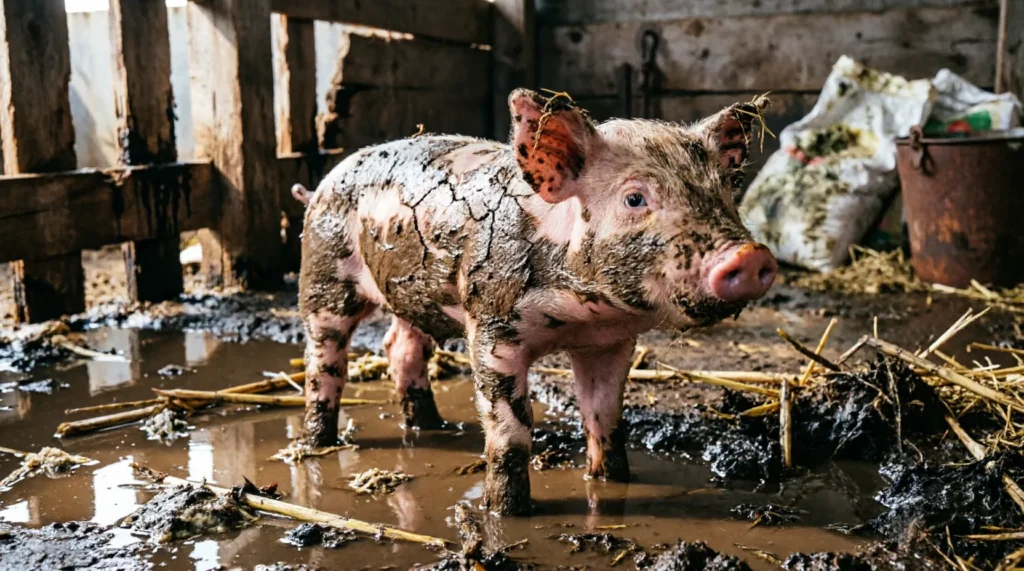
In short, similes for dirty are descriptive comparisons that help you explain how messy, stained, or unclean something looks using “like” or “as.” In this article, you’ll find vivid examples, simple explanations, and easy ways to use them in your own writing. By the end, you’ll be able to describe messy scenes in a much more creative and confident way.
What Are Similes for Dirty? (And Why They Matter)
You’ve probably had this moment: you’re writing a story, and you want to say something is dirty—but the word “dirty” feels too plain. A student might stare at a sentence like “the room was dirty” and feel stuck, not knowing how to make it more interesting.
Similes for dirty are comparisons that describe something unclean by linking it to something else using “like” or “as.” For example, instead of just saying dirty, you might say “as dirty as a muddy puddle after a storm.”
These comparisons matter because they help you paint clearer pictures in your reader’s mind. Literacy educators often explain that strong similes improve imagination, reading comprehension, and storytelling skills. When you use similes for dirty, you help your reader see the mess, not just read about it.
Now that you understand the idea, let’s explore some powerful examples you can use right away.
The Best Examples of Similes for Dirty
As dirty as a kitchen floor after a birthday party
As dirty as a pig rolling in fresh mud
As dirty as a forgotten school desk at the end of the year
As dirty as a car after a desert storm
As dirty as a sidewalk after heavy rain and mud
As dirty as a dog digging in the garden all afternoon
As dirty as an old garage untouched for years
As dirty as a backpack left in a dusty attic
As dirty as a white shirt after a spaghetti fight
As dirty as a muddy football field after a storm
As dirty as a river after a heavy flood
As dirty as shoes worn through a rainy city
As dirty as a plate left overnight in the sink
As dirty as a chalkboard after a full school day
As dirty as hands after planting in wet soil
As dirty as a barn floor in harvest season
As dirty as a basement after a leak
As dirty as a road during monsoon season
As dirty as a kitchen sponge left too long
As dirty as a workshop covered in sawdust
As dirty as a paintbrush after a messy art class
As dirty as a bike after riding through muddy trails
As dirty as a window after a sandstorm
As dirty as a pet after rolling in dirt
As dirty as a camping tent after a week in the wild
These similes work because they connect “dirty” to real-life images you already know. They use strong sensory details—mud, dust, food, and grime—to help your reader instantly visualize the mess.
How to Use Similes for Dirty in Your Writing
Start by choosing what you want to describe clearly. Is it a room, an object, or a person’s hands? Knowing this helps you pick the right comparison.
Think of something similar in real life that is extremely messy. For example, a muddy field or a kitchen after cooking. This makes your simile more realistic.
Use “like” or “as” to connect your ideas naturally. Keep it simple so your sentence still flows easily. For example: “The hallway was as dirty as a dusty attic after years of neglect.”
Read your sentence out loud to check if it paints a clear picture for you. If you can see it, your reader likely can too.
Using similes for dirty helps you turn basic writing into something more vivid and engaging that keeps your reader interested.
Similes for Dirty in Poems and Stories
Writers and poets use similes for dirty to create mood and atmosphere. A messy place can show chaos, stress, or even adventure depending on how it is described.
[IMAGE: messy abandoned room with dust and broken furniture]
Aisha wrote: “The classroom was as dirty as a storm had danced through it overnight.”
Liam added: “My shoes were like muddy paintings after running through the rain.”
Sofia described: “The alley looked as dirty as forgotten dreams under old bricks.”
These short examples show how similes for dirty can add emotion and storytelling depth. Poets and authors use them to help readers feel the environment, not just imagine it.
“As dirty as a riverbank after a flood” — Captures the image of thick mud and scattered debris, making it ideal for descriptive nature writing.
“Like leaves buried beneath wet soil” — Suggests something covered and hidden under layers of dirt, creating a rich visual image.
“As dirty as a dusty canyon trail” — Works well when describing places that have been untouched or covered in fine dust.
“Like tree roots coated in damp earth” — Emphasizes a natural, earthy kind of dirt that fits outdoor scenes.
“As dirty as a field after heavy rain” — Perfect for showing muddy conditions in essays or adventure stories.
💛 Warm & Emotional (for personal stories, letters, heartfelt writing)
“Like a child’s boots after a day of exploring” — Suggests happy memories, adventure, and playful mess rather than something unpleasant.
“As dirty as Grandpa’s gardening gloves in spring” — Creates a warm image connected with hard work and family traditions.
“Like hands covered in paint and soil after planting flowers” — Highlights joyful effort and meaningful activities.
“As dirty as a puppy after chasing butterflies” — Brings a cheerful and affectionate feeling to the description.
“Like an old picnic blanket after a family afternoon outdoors” — Conveys a pleasant, memory-filled kind of dirt earned through fun.
✨ Poetic & Romantic (for poems, song lyrics, love writing)
“Like forgotten footprints fading into dusty paths” — Adds a reflective and poetic mood while describing dirt.
“As dirty as the earth embracing the first fallen leaf” — Creates a gentle, symbolic image suitable for poetry.
“Like clouds of dust dancing in golden sunset light” — Turns an ordinary dirty scene into something beautiful and lyrical.
“As dirty as the road that carried a thousand dreams” — Suggests history, travel, and emotion beyond simple appearance.
“Like weathered stones wrapped in soft earth” — Offers a calm and elegant comparison for poetic writing.
😄 Playful & Fun (for casual use, social media captions, humor)
“As dirty as a soccer ball after a rainy match” — A fun comparison for sports lovers and school writing.
“Like a cookie dropped on the playground” — Adds humor while describing something surprisingly messy.
“As dirty as sneakers after recess” — A familiar comparison students can easily picture.
“Like a backpack forgotten under the bleachers” — Creates a funny image of something dusty and neglected.
“As dirty as a toy truck after a mud race” — Perfect for playful stories, captions, or jokes about getting messy.
These tone-grouped similes for similes for dirty give you options for every kind of writing — whether you need something soft and poetic or bold and fun. Try picking one from each group and using them in a short paragraph to see how different the same similes for dirty can feel.
Using similes for dirty in Real Writing Contexts
In a Descriptive Essay
When describing a messy room, muddy field, old building, or neglected object, a simile helps the reader picture the scene more clearly. Instead of simply saying something was dirty, compare it to something familiar for stronger imagery. Example:The abandoned shed was as dirty as a field after heavy rain, with mud clinging to every corner.
In a Poem
Similes for dirty can create mood by turning ordinary dirt into a meaningful symbol of time, memories, or nature. Thoughtful comparisons make poems feel more vivid and emotional. Example:Like clouds of dust dancing in golden sunset light, the old road whispered stories of years gone by.
In a Story or Creative Scene
A simile can quickly show what a character sees or experiences without using long descriptions. It helps readers step into the moment and imagine the setting more easily. Example:After crawling through the tunnel, Maya’s jacket was as dirty as a dusty canyon trail, but her smile showed the adventure had been worth it.
In a Social Media Caption or Message
Short, funny similes make captions more memorable and entertaining. They help exaggerate a messy situation in a playful way. Example:Today’s hike was amazing—now my shoes are as dirty as sneakers after recess! 😂
The more you practice placing similes for dirty into real sentences, the more natural your writing will sound — and the more your reader will feel exactly what you want them to feel.
Common Mistakes Students Make With Similes for Dirty
Using boring comparisons like “as dirty as dirt” This doesn’t create a strong image. Try to be more specific and visual instead.
Making comparisons that don’t make sense If your reader can’t imagine it, the simile loses its power. Always choose relatable objects.
Overusing similes in one paragraph Too many comparisons can distract the reader from your main idea. Use them carefully.
Choosing clean or unrelated objects A simile about something clean doesn’t fit well when describing dirtiness. Keep the theme consistent.
Forgetting the purpose of the simile Remember, your goal is clarity and imagery—not just decoration.
Fun Activities to Practice Similes for Dirty
Messy room challenge Look at a messy space in your home and write three similes for dirty to describe it. Try to make each one more creative than the last.
Picture writing game Find an image of a dirty street or object and describe it using at least five different similes.
Classroom swap activity Exchange sentences with a friend and improve each other’s similes to make them more vivid.
Story makeover Take a boring sentence like “the kitchen was dirty” and rewrite it using similes for dirty in three different ways.
Draw and describe Draw a messy scene, then write similes that match what you created. This helps connect visual thinking with language.
Timed challenge Set a timer for 2 minutes and write as many similes for dirty as you can. Don’t stop to think too long—just create!
What NOT to Do With Similes for Dirty
Don’t use overly simple comparisons Saying “as dirty as dirt” is not helpful because it doesn’t add new meaning or imagery.
Don’t confuse similes with metaphors Similes use “like” or “as,” while metaphors do not. Mixing them can confuse your writing.
Don’t ignore context A simile must match the situation. A kitchen mess needs different imagery than a muddy field.
Don’t force creativity If a simile feels unnatural, it will feel awkward to the reader too. Keep it simple and clear.
Frequently Asked Questions About Similes for Dirty
What is a simple example of a simile for dirty?
A simple example is “as dirty as a muddy puddle after rain.” It helps the reader imagine a clear and messy image. Similes like this make your writing more visual and engaging.
Why do writers use similes for dirty descriptions?
Writers use them to help readers see the mess instead of just reading a plain description. It makes storytelling more vivid and interesting. This is especially useful in creative writing and storytelling.
Can I create my own similes for dirty?
Yes, you can absolutely create your own. Just think of something very messy and compare it using “like” or “as.” The more specific your image, the better your simile will be.
Are similes for dirty useful in school writing?
Yes, teachers often look for descriptive language in essays and stories. Using similes for dirty can improve your grades by showing creativity and strong vocabulary skills.
What is the difference between “dirty” and a simile for dirty?
“Dirty” is a simple adjective, while a simile compares dirtiness to something else. The simile gives more detail and helps the reader imagine the scene better.
Final Thoughts on Similes for Dirty
Similes for dirty are powerful tools that turn plain descriptions into vivid images. Instead of just saying something is messy, you now know how to compare it to real-life scenes your reader can instantly picture.
With practice, your writing becomes clearer, more creative, and much more engaging. You’ve seen examples, learned how to use them, and even explored common mistakes to avoid.
Keep experimenting with your own ideas, and don’t be afraid to get creative with your comparisons. The more you practice similes for dirty, the more natural they will feel in your writing.
Your imagination is the limit—and now you have the tools to describe even the messiest scenes with confidence.
Frequently Asked Questions
What are similes for dirty and why are they important?▼
Similes for dirty are descriptive comparisons that utilize ‘like’ or ‘as’ to vividly illustrate how messy or unclean something is. They are important because they enhance readers’ imagination and comprehension, allowing them to visualize the mess more clearly than just using the word ‘dirty’.
Can you provide examples of similes for dirty?▼
Certainly! Some examples include ‘as dirty as a muddy puddle after a storm’ and ‘as dirty as a kitchen floor after a birthday party.’ These comparisons help create strong mental images of messiness.
How can I effectively use similes for dirty in my writing?▼
To use similes effectively, start by identifying what you want to describe. Then, think of a real-life messy object or scenario, and connect it using ‘like’ or ‘as’ to make the comparison relatable and vivid.
What benefits do strong similes provide in writing?▼
Strong similes improve imagination, enhance reading comprehension, and boost storytelling skills. They enable readers to see and feel the descriptions, making the writing more engaging and memorable.
Are there specific topics or objects I should focus on for similes related to dirty?▼
Yes, you can focus on everyday objects, locations, or scenarios that people commonly associate with messiness, such as kitchens, garages, or outdoor settings after a storm. This helps make your comparisons more relatable to your readers.
How do sensory details play a role in creating similes for dirty?▼
Sensory details, like mud, dust, and grime, are crucial in similes for dirty as they evoke strong images and feelings. Using vivid sensory language helps readers to instantly visualize the mess you’re describing.
What is a good way to check if my simile is effective?▼
A good way to check your simile is to read your sentence out loud. This allows you to assess whether it paints a clear picture and flows naturally within the context of your writing.
More Fresh Similes for Dirty
Dirty as a mechanic’s hands after a full day under the hood.
Dirty as a windshield after a road trip through a dust storm.
Dirty as a puppy that found the one mud puddle in the yard.
Dirty as a gym sock left in a locker over summer break.
Dirty as the bottom of a shoe after a construction site walk.
Sara Liu holds a Master’s degree in English Education from the University of Washington and has been an educator for over 15 years. She specializes in curriculum development for elementary and middle school students, with a particular focus on figurative language. Sara’s love for similes and metaphors blossomed when she discovered their power to spark imagination and convey emotion. At SimilePedia, Sara creates engaging worksheets and reference guides that help young learners grasp the nuances of figurative language. Her favorite part of writing content is developing resources that make complex concepts accessible to children. She is passionate about nurturing a love for words and creativity in her students, and her contributions are shaped by this commitment.