In short, similes for being hungry are comparisons that help you describe hunger in a vivid, memorable way using words like “as” or “like.” They make your writing more interesting, whether you’re working on a story, poem, essay, or classroom assignment. Keep reading to discover creative examples, writing tips, and fun ways to practice using them.
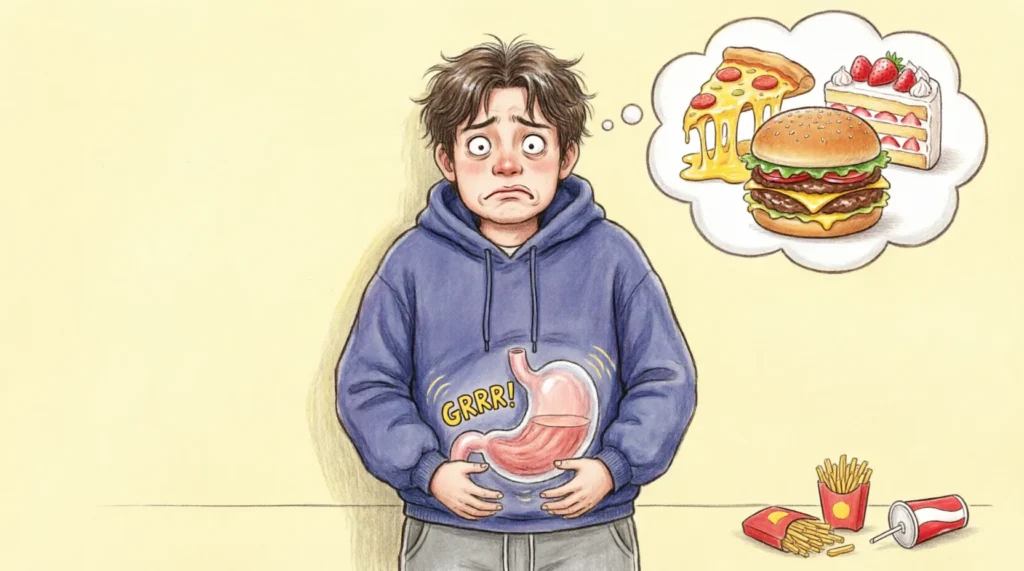
[IMAGE: Student writing creative similes about hunger in a notebook]
What Are Similes for Being Hungry? (And Why They Matter)
Have you ever been writing a story and wanted to describe a character who was starving, but all you could think of was “he was very hungry”? Or maybe your teacher asked for a simile, and you weren’t sure where to start.
Similes for being hungry are comparisons that help readers understand the feeling of hunger by connecting it to something familiar. They usually use the words “like” or “as” to create a picture in the reader’s mind.
For example, saying “I was as hungry as a wolf” tells readers much more than simply saying “I was hungry.” It creates a stronger image and adds personality to your writing.
Language arts researchers and literacy educators often encourage students to use similes because they improve descriptive writing, reading comprehension, and creative thinking. When you learn to use similes well, your stories become more engaging and memorable.
Now that you know what similes for being hungry are, let’s explore some of the best examples you can use in your own writing.
The Best Examples of Similes for Being Hungry
As hungry as a wolf after a long winter.
As hungry as a bear waking from hibernation.
Like a vacuum cleaner sucking up everything in sight.
As hungry as a teenager after soccer practice.
Like a lion searching for its next meal.
As hungry as a farmer after a day in the fields.
Like an empty tank waiting to be filled.
As hungry as a bird searching for crumbs.
Like a desert thirsty for rain.
As hungry as a shark circling its prey.
Like a student who forgot their lunch.
As hungry as a horse after a long ride.
Like a campfire eager for more wood.
As hungry as a puppy waiting for dinner.
Like a treasure hunter searching for gold.
As hungry as a traveler lost on a long journey.
Like a sponge soaking up water.
As hungry as a squirrel preparing for winter.
Like a machine running low on fuel.
As hungry as a fisherman after hours at sea.
Like a tornado sweeping through a buffet.
As hungry as an explorer crossing the wilderness.
Like a bee searching for flowers.
As hungry as a growing child after school.
Like a race car running on its last drop of fuel.
These examples work because they create clear mental pictures. Some are funny, some are dramatic, and some connect to everyday experiences that readers instantly understand.
The strongest similes for being hungry use imagery, emotion, and familiar situations. When you choose the right comparison, your reader can almost feel the hunger themselves.
Let’s look at how you can use these similes naturally in your own writing.
How to Use Similes for Being Hungry in Your Writing
Using similes effectively is easier than you might think. Here are some simple steps you can follow.
Think about the level of hunger you want to describe. Is your character a little hungry or extremely hungry? A stronger feeling needs a stronger comparison.
Choose something readers can easily imagine. Animals, everyday objects, and common experiences often make the best similes.
Match the tone of your writing. A funny story might use “like a tornado sweeping through a buffet,” while a serious story might use “as hungry as a traveler lost on a long journey.”
Use the simile where it adds impact. Place it in important moments rather than using too many in one paragraph.
Example sentence:
“After the three-hour hike, Maya was as hungry as a bear waking from hibernation and couldn’t wait to eat.”
Once you become comfortable using similes for being hungry, you’ll start noticing them in books, poems, and stories everywhere.
Similes for Being Hungry in Poems and Stories
Writers often use similes to make emotions and physical feelings more vivid. Hunger is something everyone understands, which makes it a great subject for creative writing.
Here’s a short poem example:
“Ali walked home from school today, As hungry as a wolf on the hunt, Dreaming of warm bread and soup, And a table full of comfort.”
Story example:
“By the time Sofia reached the campsite, she was as hungry as a bear after winter. The smell of dinner drifting through the trees felt like the best welcome in the world.”
Another poem snippet:
“Raj sat quietly through the lesson, Like a machine running low on fuel. His stomach growled and rumbled softly, Waiting for lunchtime to arrive.”
Poets and authors use similes for being hungry because they create emotion and imagery at the same time. They help readers connect with characters and understand exactly how they feel.
As you read more stories and poems, you’ll notice how often writers rely on figurative language to bring scenes to life.
“As hungry as dry soil waiting for rain” — Captures a deep sense of need and works well in descriptive essays about waiting or longing.
“Like a river searching for the sea” — Suggests a steady, unstoppable desire for food or satisfaction in nature-inspired writing.
“As hungry as a young tree reaching for sunlight” — Highlights constant growth and need, making it ideal for reflective descriptions.
“Like empty branches waiting for spring leaves” — Expresses a feeling of emptiness that can be filled, adding gentle imagery to creative writing.
“As hungry as the earth after a long drought” — Shows powerful, overwhelming hunger with vivid natural comparison.
💛 Warm & Emotional (for personal stories, letters, heartfelt writing)
“Like a child waiting for dinner after a long day” — Conveys honest, relatable hunger in family stories or personal memories.
“As hungry as a traveler finally seeing home” — Connects hunger with relief and anticipation, making emotions feel stronger.
“Like an empty lunchbox at the end of school” — Creates an everyday image that readers can easily picture and relate to.
“As hungry as someone counting the minutes until supper” — Shows eager anticipation in a friendly and familiar way.
“Like a warm kitchen calling from across the house” — Emphasizes the comforting pull of food and home.
✨ Poetic & Romantic (for poems, song lyrics, love writing)
“Like the moon longing for the morning sky” — Gives hunger a dreamy, poetic feeling suitable for lyrical writing.
“As hungry as a lonely heart seeking comfort” — Compares physical hunger to emotional longing in thoughtful poems.
“Like silent waves reaching for the shore” — Suggests gentle but endless desire through peaceful imagery.
“As hungry as a candle reaching toward the darkness” — Creates a symbolic image of constant need and hope.
“Like a melody searching for its final note” — Describes hunger as an unfinished feeling waiting to be completed.
😄 Playful & Fun (for casual use, social media captions, humor)
“As hungry as a phone begging for a charger” — A funny modern comparison that’s perfect for students and social posts.
“Like a popcorn bowl during movie night” — Describes food disappearing quickly with a playful tone.
“As hungry as someone who skipped every snack break” — Adds humor while staying realistic and relatable.
“Like a shopping cart racing toward the snack aisle” — Creates a lively image of excitement about food.
“As hungry as a cookie jar after a birthday party” — Uses a cheerful comparison that works well in lighthearted writing.
These tone-grouped similes for similes for being hungry give you options for every kind of writing — whether you need something soft and poetic or bold and fun. Try picking one from each group and using them in a short paragraph to see how different the same keyword can feel.
Using similes for being hungry in Real Writing Contexts
In a Descriptive Essay
When writing a descriptive essay, a simile can help readers clearly imagine how strong someone’s hunger feels. Instead of simply saying a person was hungry, compare the feeling to something vivid and memorable. Example:After hiking all afternoon, I was as hungry as the earth after a long drought, ready to enjoy the first meal I could find.
In a Poem
Similes for being hungry can add mood and emotion to poetry by turning a simple feeling into beautiful imagery. They help readers connect with both physical and emotional longing. Example:Like silent waves reaching for the shore, my hunger whispered through the quiet evening.
In a Story or Creative Scene
In stories, similes make characters feel more realistic by showing their reactions instead of only telling them. A strong comparison helps readers picture the scene more clearly. Example:Ethan dropped his backpack by the door, as hungry as a phone begging for a charger after football practice, and hurried straight to the kitchen.
In a Social Media Caption or Message
Short, funny similes work especially well in texts and social media because they grab attention and sound natural. They make everyday updates more entertaining. Example:Just finished practice—I’m as hungry as someone who skipped every snack break. Pizza can’t come fast enough!
The more you practice placing similes for being hungry into real sentences, the more natural your writing will sound — and the more your reader will feel exactly what you want them to feel.
Common Mistakes Students Make With Similes for Being Hungry
Using comparisons that don’t relate to hunger. Sometimes students compare hunger to things that have nothing to do with food, appetite, or emptiness. Make sure your comparison connects clearly to the feeling of being hungry.
Making similes too complicated. A simple comparison is often stronger than one that is difficult to understand. Readers should quickly grasp the image.
Overusing similes. Using a simile in every sentence can make your writing feel crowded. Choose your best examples and use them where they matter most.
Mixing similes and metaphors accidentally. A simile uses “like” or “as.” If you remove those words, you may be creating a metaphor instead.
Choosing clichés without adding variety. “As hungry as a wolf” is effective, but if you use it repeatedly, your writing may feel predictable. Try creating your own fresh comparisons too.
These mistakes are completely normal when you’re learning. The good news is that practice makes identifying and writing similes much easier.
Now let’s make learning more fun with some hands-on activities.
Fun Activities to Practice Similes for Being Hungry
Hunger Simile Challenge Grab a pencil and write down ten animals. Challenge yourself to create a hunger simile for each one.
Draw and Describe Draw a hungry character and write three similes that describe how they feel. Combine art and writing for extra creativity.
Story Starter Game Begin a story with the sentence, “I was as hungry as…” and see where your imagination takes you.
Reading Detective While reading a book, look for similes that describe hunger, appetite, or food. Keep a list of your favorites.
Group Guessing Game One student reads a simile aloud while others guess what feeling is being described. This helps you recognize figurative language quickly.
Create Your Own Worksheet Make two columns: one with hungry situations and one with possible comparisons. Match them together and then write complete sentences.
These activities help you practice creatively while building confidence with figurative language.
What NOT to Do With Similes for Being Hungry
Don’t use random comparisons. A simile should help readers understand hunger, not confuse them with unrelated images.
Don’t force a simile into every paragraph. Strong writing uses similes thoughtfully rather than constantly.
Don’t assume only animals work. While wolves and bears are popular choices, objects, machines, and everyday experiences can make excellent comparisons too.
Don’t think there is only one correct answer. Similes for being hungry are creative. If your comparison makes sense and creates a clear image, it can be effective.
Understanding what to avoid can help you create stronger and more original similes.
Frequently Asked Questions About Similes for Being Hungry
What is a simile for being very hungry?
One common simile is “as hungry as a wolf.” Other strong examples include “as hungry as a bear waking from hibernation” or “like a machine running on empty.” The best choice depends on the tone and style of your writing.
How do you use a hunger simile in a sentence?
You can place it directly into a description. For example: “After basketball practice, Ethan was as hungry as a horse after a long ride.” The simile helps readers imagine the intensity of his hunger.
Why are animals often used in similes for being hungry?
Many animals are known for searching for food or eating large amounts. Comparing a person to a wolf, bear, or shark creates a strong image that readers understand immediately.
What is the difference between a simile and a metaphor about hunger?
A simile uses words like “as” or “like.” For example, “She was as hungry as a wolf.” A metaphor makes a direct comparison, such as “She was a wolf searching for food.”
Are similes for being hungry suitable for school assignments?
Yes. They are commonly used in language arts classes to improve descriptive writing. Teachers often encourage students to use similes because they make writing more vivid and engaging.
Final Thoughts on Similes for Being Hungry
Learning similes for being hungry gives you a powerful way to make your writing more descriptive and expressive. Instead of simply saying someone is hungry, you can create images that readers remember.
In this guide, you explored what similes for being hungry are, discovered more than twenty creative examples, learned how to use them effectively, and practiced avoiding common mistakes.
Whether you’re writing a story, poem, journal entry, or classroom assignment, these comparisons can help you communicate ideas more clearly and creatively.
The more you practice, the easier figurative language becomes, and before long you’ll be creating your own memorable similes with confidence and imagination.
Frequently Asked Questions
What are similes for being hungry and why are they important?▼
Similes for being hungry are comparisons that vividly describe the feeling of hunger using phrases like ‘as’ or ‘like.’ They enhance your writing by creating stronger imagery and connecting emotions to familiar experiences, making your descriptions more engaging.
Can you give me some examples of similes for being hungry?▼
Certainly! Some examples include ‘as hungry as a wolf after a long winter’ and ‘like a vacuum cleaner sucking up everything in sight.’ These comparisons help paint a clear picture of hunger in the reader’s mind.
How can I effectively use similes for being hungry in my writing?▼
To use similes effectively, determine the intensity of hunger you want to convey and select comparisons that resonate with readers. Consider using familiar objects or experiences to create relatable imagery that matches the tone of your writing.
Why do educators encourage the use of similes in student writing?▼
Educators promote similes because they improve descriptive writing skills, enhance reading comprehension, and foster creative thinking. By learning to use similes, students can make their writing more dynamic and memorable.
What types of comparisons work best for similes about hunger?▼
The best comparisons for similes about hunger often involve animals, everyday objects, or relatable situations that evoke strong imagery or humor. For example, comparing hunger to a ‘growing child after school’ or ‘a tornado sweeping through a buffet’ creates vivid mental pictures.
How do similes for being hungry enhance my storytelling?▼
Similes enhance storytelling by providing readers with a clearer understanding of characters’ emotions and situations. They can make your writing more engaging and help readers connect with the narrative on a deeper level.
What are some tips for practicing writing similes about hunger?▼
To practice writing similes about hunger, start by brainstorming different levels of hunger and think of relatable experiences or images. Try writing a list of comparisons and then incorporate them into short stories or poems to see how they impact your narrative.
Hunger Similes by Intensity
Not all hunger feels the same. Here are fresh comparisons sorted from mild to extreme:
Mild: “She was as peckish as someone eyeing the office snack drawer at 3 p.m.”
Moderate: “He was as hungry as a hiker who skipped lunch.”
Strong: “She was as ravenous as a lion after a three-day hunt.”
Extreme: “He was as starving as a sailor lost at sea for a week.”
For more comparisons involving food and appetite, see our guides to similes for dessert and similes for monsters (useful for describing an insatiable appetite).
Liam Nguyen is a passionate educator and writer with a deep love for figurative language. He holds a master’s degree in Creative Writing and has spent eight years teaching at various educational settings, focusing on language enrichment programs for children from grades 2-6. His expertise in crafting metaphorical language and similes into captivating content stems from his belief that storytelling is the heartbeat of learning. Liam’s contributions to SimilePedia span from emotion-driven examples to color-inspired narrative tools. He is committed to fostering a creative environment where students can explore and find joy in their unique expressions.