In short, similes for happy as are comparisons that use the words “like” or “as” to describe happiness in a vivid and memorable way. They help you show emotions instead of simply saying someone is happy. Keep reading to discover creative examples, writing tips, and fun practice activities you can use right away.
What Are Similes for Happy As? (And Why They Matter)
Have you ever sat in front of a blank page trying to describe a character’s happiness, only to write, “She was very happy”? Many students run into this problem when writing stories, poems, or classroom assignments.
Similes for happy as are comparisons that help you describe happiness by comparing it to something else. They usually use the word “as” or “like,” such as “as happy as a child on a snow day.”
These comparisons make your writing more colorful and interesting. Instead of telling readers that someone is happy, you show them what that happiness feels like.
Literacy educators and language arts researchers often encourage students to use similes because they improve descriptive writing, reading comprehension, and creative thinking. Once you learn a few strong examples, you’ll start noticing them in books, poems, and even everyday conversations.
Now that you know what similes for happy as are, let’s explore some of the best examples you can use in your own writing.
The Best Examples of Similes for Happy As
[IMAGE: Smiling student writing cheerful similes in a notebook]
As happy as a child on Christmas morning.
As happy as a puppy chasing its tail.
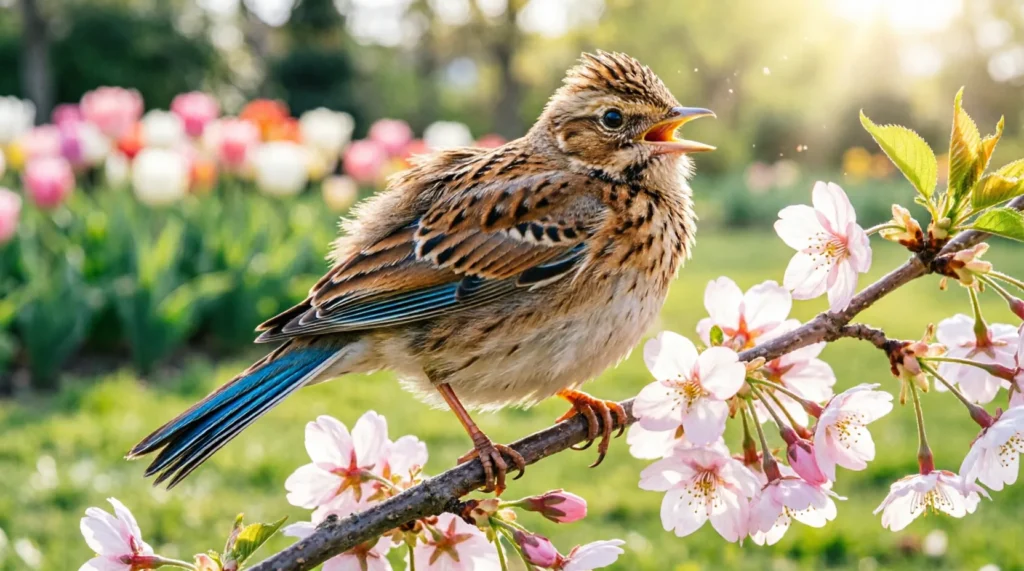
As happy as a bird singing at sunrise.
As happy as a kid at an amusement park.
As happy as a bee in a field of flowers.
As happy as a fish swimming in clear water.
As happy as a student hearing the final school bell.
As happy as a dog greeting its owner after a long day.
As happy as a butterfly dancing in the breeze.
As happy as a camper sitting by a warm fire.
As happy as a squirrel finding an extra acorn.
As happy as a child opening a surprise gift.
As happy as sunshine after a week of rain.
As happy as a singer hearing applause.
As happy as a dolphin leaping through the waves.
As happy as a gardener seeing the first flowers bloom.
As happy as a kid finding extra dessert.
As happy as a kite soaring in the wind.
As happy as a traveler reaching home.
As happy as a duck splashing in a pond.
As happy as a soccer player scoring the winning goal.
As happy as a reader discovering a favorite book.
As happy as a monkey swinging through the trees.
As happy as a child on the first day of summer vacation.
As happy as a star shining in the night sky.
These examples work because they create clear mental pictures. You can instantly imagine the joy of a puppy playing or a child opening a gift.
Good similes for happy as also connect emotions to experiences people understand. The stronger the image, the easier it is for readers to feel the happiness you are describing.
Now that you have plenty of examples, let’s learn how to use them naturally in your writing.
How to Use Similes for Happy As in Your Writing
Choose a comparison your readers can easily picture. If you compare happiness to something familiar, your writing becomes more relatable and engaging.
Match the simile to the situation. A child in a story might be “as happy as a kid at an amusement park,” while an athlete could be “as happy as a player scoring the winning goal.”
Don’t overuse similes. One strong comparison often creates a bigger impact than several crowded into the same paragraph.
Use similes to show emotion instead of simply naming it. Example: “Maya was as happy as a bird singing at sunrise when she learned she had won the art contest.”
When you practice these steps, similes for happy as will feel natural rather than forced.
Similes for Happy As in Poems and Stories
Writers often use similes to add emotion, rhythm, and imagery to their work. They help readers experience happiness instead of just reading about it.
Here’s a short poem example:
“Ali laughed in the summer air, As happy as a kite up there, Dancing freely in the sky, Floating high and drifting by.”
Story example:
“Priya ran toward her grandparents’ house, as happy as a puppy greeting its owner. Her smile seemed to grow wider with every step.”
Another poem example:
“Jamal stood beneath the sun, As happy as a race just won, His dreams sparkled bright and new, Like morning covered in dew.”
Creative writing teachers often encourage similes because they make scenes more memorable. A simple comparison can turn an ordinary sentence into one readers remember long after they finish the story.
As you read books and poems, you’ll start noticing how often authors use similes for happy as to bring emotions to life.
More similes for happy as by Tone and Context
🌿 Natural & Descriptive
As happy as a meadow after spring rain — Captures a fresh, peaceful happiness that fits nature writing and descriptive essays.
Like a river dancing over smooth stones — Shows joyful movement and carefree energy in a vivid way.
As happy as the morning breeze in summer — Suggests a calm, gentle kind of happiness that feels refreshing.
Like golden sunlight spilling across a field — Expresses warm, bright happiness that spreads naturally.
As happy as wildflowers swaying in the wind — Highlights cheerful freedom and effortless joy in descriptive scenes.
💛 Warm & Emotional
As happy as a child hearing good news — Perfect for showing genuine excitement and heartfelt emotion.
Like a warm hug on a difficult day — Describes comforting happiness that brings peace and reassurance.
As happy as friends reunited after years apart — Conveys deep emotional joy and meaningful connection.
Like a smile shared across a crowded room — Shows quiet happiness created through kindness and friendship.
As happy as a family gathered around the dinner table — Reflects feelings of love, belonging, and togetherness.
✨ Poetic & Romantic
As happy as the moon meeting the evening sky — Creates a dreamy, romantic image suitable for poems and lyrics.
Like stars waking one by one at dusk — Suggests happiness growing softly and beautifully.
As happy as a heart wrapped in music — Expresses emotional joy through artistic imagery.
Like a rose opening to the morning sun — Symbolizes happiness blooming naturally with hope and love.
As happy as a melody floating through the air — Gives happiness a graceful, musical quality perfect for creative writing.
😄 Playful & Fun
As happy as a puppy discovering a new toy — Shows energetic excitement with a fun, playful image.
Like popcorn popping in a hot pan — Describes happiness that bursts out with excitement.
As happy as someone finding extra fries in the bag — Adds humor to everyday moments of unexpected joy.
Like confetti flying through the air — Creates a lively picture of celebration and excitement.
As happy as a kid on the first day of summer vacation — Captures carefree happiness and eager anticipation.
These tone-grouped similes for similes for happy as give you options for every kind of writing — whether you need something soft and poetic or bold and fun. Try picking one from each group and using them in a short paragraph to see how different the same keyword can feel.
Using the similes for happy as in Real Writing Contexts
In a Descriptive Essay
When describing a person’s emotions or a joyful moment, a simile helps readers picture the feeling instead of simply being told about it. Choosing a fresh comparison makes your description more memorable. Example:After receiving the award, Maya was as happy as wildflowers swaying in the wind, smiling at everyone she met.
In a Poem
Similes for happy as can build mood and add beauty to poetic language. Gentle comparisons make joyful emotions feel more vivid and expressive. Example:My heart was like stars waking one by one at dusk, filling the silent sky with quiet joy.
In a Story or Creative Scene
A well-placed simile can reveal a character’s emotions without directly stating them. It helps readers connect with the scene through strong imagery. Example:When the missing puppy ran back into the yard, Liam was as happy as a child hearing good news and laughed until tears filled his eyes.
In a Social Media Caption or Message
Short similes work well in captions and messages because they quickly express excitement in a fun way. They make everyday updates feel more creative and engaging. Example:Vacation starts today—I’m as happy as a kid on the first day of summer vacation! 🌞🎉
The more you practice placing similes for happy as into real sentences, the more natural your writing will sound — and the more your reader will feel exactly what you want them to feel.
Common Mistakes Students Make With Similes for Happy As
Using comparisons that don’t clearly show happiness. Sometimes students compare happiness to things that don’t naturally seem joyful. Choose images that instantly suggest positive emotions.
Making similes too complicated. Long or confusing comparisons can distract readers. Simple, vivid images usually work best.
Repeating the same simile over and over. Using “as happy as a child on Christmas morning” in every assignment can make your writing feel repetitive. Try different examples.
Mixing emotions accidentally. A comparison should match the feeling you want to express. Don’t compare happiness to something sad, scary, or stressful.
Forgetting the context of the story. The best similes fit the character and situation. A comparison that works in a children’s story may not fit a serious historical narrative.
These mistakes are completely normal when you’re learning. The good news is that they become easier to avoid with practice.
Fun Activities to Practice Similes for Happy As
Create a Happiness List Grab a pencil and write down ten things that make people feel joyful. Then turn each idea into a simile.
Simile Drawing Challenge Draw a scene that shows happiness, such as a birthday party or a winning goal. Write a simile beneath your drawing.
Story Starter Game Begin a story with the sentence, “I was as happy as…” and challenge yourself to continue writing for five minutes.
Group Guessing Game One person reads a simile aloud while others guess the emotion being described. This helps you understand why some comparisons work better than others.
Book Detective Activity Read a short story and look for similes. Write down any examples that describe happiness and discuss why they are effective.
Simile Worksheet Race Create a worksheet with unfinished comparisons such as “As happy as a ______.” See how many creative endings you can invent in three minutes.
These activities help you build confidence while making figurative language feel fun and approachable.
What NOT to Do With Similes for Happy As
Don’t assume every simile has to be dramatic. Small, everyday comparisons can be just as effective as grand ones.
Don’t copy the same examples from every website. Creating your own comparisons helps your writing stand out.
Don’t force a simile into every sentence. Similes work best when they appear naturally and support your ideas.
Don’t think there is only one correct answer. One common misconception about similes for happy as is that writers must use famous examples. In reality, your own original comparisons can be just as powerful.
Understanding what to avoid makes it much easier to write stronger similes of your own.
Frequently Asked Questions About Similes for Happy As
What is a simile for happy as?
A simile for happy as compares happiness to something else using the word “as” or “like.” For example, “as happy as a child on Christmas morning” creates a clear picture of excitement and joy.
How do you use similes for happy as in a sentence?
You can place the simile wherever it fits naturally in your sentence. For example: “Lina was as happy as a butterfly dancing in the breeze after hearing the good news.”
What is the difference between a simile and a metaphor for happiness?
A simile uses words such as “like” or “as” to make a comparison. A metaphor makes the comparison directly without using those words. Both can describe happiness, but they do it differently.
Are similes for happy as appropriate for elementary and middle school students?
Yes. Many similes for happy as are simple enough for younger students while still being useful for older writers. You can choose easy or advanced comparisons depending on your grade level.
Why do writers use similes for happy as?
Writers use them because they make emotions easier to visualize. Instead of simply saying someone is happy, they create an image that helps readers feel that happiness more strongly.
Final Thoughts on Similes for Happy As
Learning similes for happy as gives you a powerful way to describe joy, excitement, and positive emotions. Instead of relying on basic words, you can create images that help readers truly understand how a character feels.
Throughout this guide, you’ve explored dozens of examples, practical writing tips, common mistakes, and fun activities. Each one can help you become a more confident writer.
Remember that the best similes are clear, creative, and connected to real experiences. The more you read and write, the easier it becomes to invent your own unique comparisons.
With practice, you can use similes for happy as to make your stories, poems, and school assignments brighter, more vivid, and more memorable—and that’s a skill worth smiling about.
Frequently Asked Questions
What are similes for happy as and why are they important?▼
Similes for happy as are comparisons that use ‘like’ or ‘as’ to vividly describe happiness. They are important because they enhance descriptive writing, making emotions more relatable and engaging for readers.
Can you provide examples of similes for happy as?▼
Certainly! Some examples include ‘as happy as a child on Christmas morning’ and ‘as happy as a puppy chasing its tail.’ These comparisons create strong mental images that help convey the feeling of happiness.
How can I use similes for happy as in my writing?▼
To use similes effectively, choose comparisons that your readers can easily visualize. Match the simile to the context of your character’s situation for greater impact.
What benefits do similes offer to students and writers?▼
Similes improve descriptive writing skills, enhance reading comprehension, and foster creative thinking. They help writers express emotions more vividly, making their stories and poems more engaging.
Why should I avoid simply saying someone is happy?▼
Simply stating that someone is happy can be bland and unengaging. Using similes allows you to show the depth of a character’s emotions, making your writing more colorful and memorable.
Are there any specific writing tips for using similes?▼
Yes, consider your audience and choose similes that resonate with them. Ensure that the simile fits the character’s situation and enhances the overall mood of your writing.
How can I practice using similes in my writing?▼
You can practice by writing short stories or poems that incorporate the similes provided in the article. Additionally, try creating your own similes based on personal experiences to develop your descriptive skills.
More “Happy As” Similes
Happy as a kid let loose in a candy store.
Happy as a dog with its head out the car window.
Happy as a sunbather on the first warm day of spring.
Happy as a kite finally catching the wind.
Happy as a chef tasting a dish that turned out perfect.
Liam Nguyen is a passionate educator and writer with a deep love for figurative language. He holds a master’s degree in Creative Writing and has spent eight years teaching at various educational settings, focusing on language enrichment programs for children from grades 2-6. His expertise in crafting metaphorical language and similes into captivating content stems from his belief that storytelling is the heartbeat of learning. Liam’s contributions to SimilePedia span from emotion-driven examples to color-inspired narrative tools. He is committed to fostering a creative environment where students can explore and find joy in their unique expressions.