In short, similes for poor are comparisons that help you describe someone’s lack of money or difficult living conditions using “like” or “as.” You’ll find vivid, creative examples that make writing more expressive and easier to understand. Keep reading to learn how to use them naturally in your own sentences and stories.
What Are Similes for Poor? (And Why They Matter)
Have you ever sat in front of a blank page, trying to describe a character who has nothing, but all you can think of is the word “poor”? Or maybe your teacher asked for a more creative description, and you didn’t know how to make it sound real. That’s exactly where similes for poor become helpful.
Similes for poor are comparisons that describe poverty by linking it to something familiar using “like” or “as.” Instead of just saying someone is poor, you show it through imagery that readers can feel and picture.
These comparisons matter because they make your writing more powerful, emotional, and realistic. Language arts educators often explain that figurative language helps readers connect with stories on a deeper level, especially in narrative writing and exams.
When you learn similes for poor, your writing becomes clearer, more expressive, and much more interesting to read. Now let’s explore some strong examples you can actually use.
The Best Examples of Similes for Poor
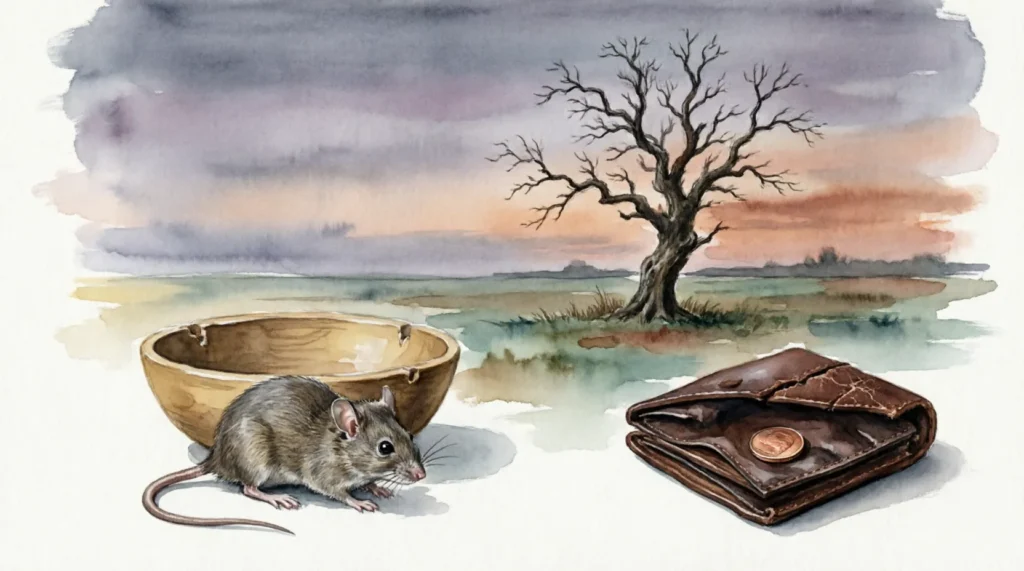
As poor as a church mouse living on crumbs in silence
As poor as dust blowing across an empty road
As poor as a broken wallet with nothing inside
As poor as a winter tree without leaves or shelter
As poor as a beggar standing outside a busy market
As poor as an empty plate after a long day
As poor as a street without a single light at night
As poor as a bird with no nest to return to
As poor as a cracked pot that cannot hold water
As poor as a shadow with nothing to call its own
As poor as dry soil waiting for rain that never comes
As poor as a forgotten book on a dusty shelf
As poor as a coinless pocket in a silent room
As poor as a storm that has lost all its rain
As poor as a house with no furniture or warmth
As poor as a fisherman with no net or catch
As poor as a road with no destination ahead
As poor as a candle burned down to its last flicker
As poor as a hand without even a single coin
As poor as a desert where nothing grows or lives
As poor as a backpack with nothing to carry
They were as poor as a well that had run dry years ago.
His pockets were as empty as a closed-down store.
The family survived like sailors rationing water on a long voyage.
She was as poor as a field left fallow after a bad harvest.
Their savings vanished like snow melting in early spring.
He counted coins like a miner sifting for the last scraps of gold.
These similes for poor work well because they use strong visual images—empty spaces, broken objects, and natural emptiness—to help you feel the lack of money or resources. Instead of just telling, they show the condition in a way your imagination can picture instantly.
How to Use Similes for Poor in Your Writing
Start by choosing a character or situation Think about who you are describing. Is it a struggling family, a homeless traveler, or a lonely worker? This helps you choose the right tone.
Pick a strong comparison image Use something empty, broken, or lacking—like a cracked bowl, empty street, or leafless tree. These images connect easily with the idea of poverty.
Build your sentence naturally Don’t force it. Make your simile fit smoothly into your writing so it sounds like a real sentence, not a copied phrase.
Add emotion for depth You can make your writing stronger by adding feelings like sadness, struggle, or hope.
Example: The old man stood as poor as a broken wallet, yet his eyes still held quiet dignity.
When you use similes for poor this way, your writing becomes more meaningful and memorable.
Similes for Poor in Poems and Stories
Writers and poets use similes for poor to create emotion and realism. Instead of just saying “he was poor,” they show it in a way that touches the reader’s imagination.
For example, in poetry:
Amira wrote: As poor as a candle fading in the wind, He walked through streets that never called his name.
In a short story, Omar described: The boy felt as poor as a shadow without light, moving silently through the crowded bazaar.
And in another piece, Lina wrote: She lived as poor as dry earth waiting for rain, but still dreamed of gardens she had never seen.
Poets and authors use these comparisons because they create rhythm, emotion, and vivid mental pictures. This helps readers feel the character’s life instead of just reading about it.
Common Mistakes Students Make With Similes for Poor
Using the same idea repeatedly Many students keep saying “as poor as a beggar.” While it’s correct, it becomes boring if overused. Try to vary your images.
Making comparisons that don’t make sense A simile should feel natural. Saying “as poor as a diamond” confuses the reader instead of helping them understand.
Overcomplicating the sentence Some students try to make similes too fancy. Simple and clear comparisons often work best.
Forgetting emotional depth A good simile for poor should make the reader feel something, not just read words.
Mixing unrelated ideas Don’t combine wealth and poverty in confusing ways. Keep your imagery focused and clear.
These mistakes are normal, and once you notice them, your writing improves quickly.
“As poor as a field after a long drought” — Shows a complete lack of resources and works well in descriptive essays about hardship.
“Like a stream that has nearly dried up” — Suggests having very little left and creates a gentle, natural image.
“As poor as a tree stripped of its leaves” — Describes someone or something left with almost nothing, especially after difficult times.
“Like bare soil after the harvest” — Highlights emptiness and scarcity in a calm, visual way.
“As poor as a lonely hill in winter” — Creates a picture of quiet struggle and isolation in descriptive writing.
💛 Warm & Emotional (for personal stories, letters, heartfelt writing)
“Like empty hands reaching for hope” — Expresses both poverty and determination, making it suitable for emotional writing.
“As poor as a family counting every coin” — Emphasizes careful budgeting and everyday challenges with compassion.
“Like an old blanket patched with love” — Shows that someone may lack money but still have warmth and care.
“As poor as a child wishing for one more meal” — Conveys need with empathy and is effective in reflective writing.
“Like a candle burning to its very end” — Suggests using every last resource while holding onto hope.
✨ Poetic & Romantic (for poems, song lyrics, love writing)
“Like the last star before sunrise” — Suggests fragile hope shining through difficult circumstances.
“As poor as forgotten echoes in the wind” — Creates a soft, thoughtful mood in poetry.
“Like faded paint on an old cottage” — Symbolizes hardship while keeping a beautiful, nostalgic feeling.
“As poor as autumn branches beneath the moon” — Adds gentle imagery that fits poems and lyrical writing.
“Like a tiny lantern glowing in the dark” — Focuses on hope and resilience despite having little.
😄 Playful & Fun (for casual use, social media captions, humor)
“As poor as my wallet after snack day” — A funny way to joke about spending all your money.
“Like a piggy bank that echoes when you shake it” — Humorously describes having no cash left.
“As poor as a vending machine after everyone used cards” — A modern, lighthearted comparison for everyday conversations.
“Like my pockets after a trip to the bookstore” — Perfect for readers who spend all their money on books.
“As poor as a phone battery at one percent” — Uses a familiar comparison to show having almost nothing left.
These tone-grouped similes for similes for poor give you options for every kind of writing — whether you need something soft and poetic or bold and fun. Try picking one from each group and using them in a short paragraph to see how different the same keyword can feel.
Using similes for poor in Real Writing Contexts
In a Descriptive Essay
When writing about poverty, hardship, or a character’s living conditions, a simile can help readers picture the situation more clearly. Choose a comparison that creates a strong visual image without sounding exaggerated. For example: The small village looked as poor as a field after a long drought, with broken fences and empty gardens.
In a Poem
Similes for poor can create emotion and set the mood in poetry by showing both struggle and hope. Gentle comparisons often make the message more memorable. For example: Like the last star before sunrise, our hopes still shimmered though our pockets were poor.
In a Story or Creative Scene
In stories, similes can reveal a character’s circumstances or make a setting feel more realistic. They help readers connect with the emotions of the scene. For example: He stepped into the tiny house, as poor as a tree stripped of its leaves, yet his smile welcomed every guest.
In a Social Media Caption or Message
Short, funny similes work well in casual posts because they are easy to understand and relatable. They add personality without needing a long explanation. For example: After buying those new shoes, I’m as poor as my wallet after snack day! 😂
The more you practice placing similes for similes for poor into real sentences, the more natural your writing will sound — and the more your reader will feel exactly what you want them to feel.
Fun Activities to Practice Similes for Poor
Describe your surroundings Look around your room or school and create 5 similes for poor based on empty or simple objects. Challenge yourself to be creative.
Simile storytelling game Write a short story where every paragraph includes at least one simile for poor. This helps you practice naturally.
Match the image activity Have a friend show you random pictures, and you create similes for poor based on what you see.
Poetry challenge Write a 4-line poem using at least two similes for poor. Focus on mood and emotion.
Rewrite a simple sentence Take “The man was poor” and rewrite it using different similes for poor to make it more vivid.
Classroom competition Compete with classmates to create the most creative simile for poor in under 30 seconds. It’s fun and improves thinking speed.
What NOT to Do With Similes for Poor
Don’t use only one comparison repeatedly If you always compare poverty to beggars or empty pockets, your writing becomes predictable.
Don’t make unrealistic comparisons Avoid similes that confuse the reader instead of helping them visualize the idea.
Don’t use similes without purpose Every simile should add meaning, not just fill space in your writing.
Don’t ignore tone Poverty is a sensitive topic, so your language should stay respectful and thoughtful.
Frequently Asked Questions About Similes for Poor
What is a simple simile for poor for students?
A simple simile for poor is a comparison like “as poor as a church mouse” or “as poor as an empty pocket.” These help students describe poverty in a clear and creative way. They make writing easier to understand and more expressive.
Why do writers use similes for poor in stories?
Writers use similes for poor to help readers imagine a character’s life more clearly. Instead of just stating someone is poor, they show it through images like empty streets or broken objects. This makes stories more emotional and engaging.
Can I create my own similes for poor in exams?
Yes, you can absolutely create your own similes for poor in exams. Just make sure your comparison is logical, clear, and easy to understand. Creative but simple images often get better marks.
Are similes for poor useful in creative writing for students?
Yes, similes for poor are very useful for students in creative writing. They help you describe characters and settings in a more vivid way. This improves storytelling and makes your writing stand out.
What are some common mistakes in similes for poor?
Common mistakes include repeating the same comparison, using unclear imagery, or making unrealistic connections. The best similes for poor are simple, meaningful, and easy for readers to picture.
Similes for poor give you a powerful way to turn simple descriptions into vivid, emotional writing. Instead of using plain words, you now have tools to show struggle, emptiness, and hardship in creative ways.
When you practice these comparisons, your sentences become richer and more engaging. You also start thinking more like a storyteller, which helps in exams, essays, and creative projects.
Keep experimenting with your own ideas, and don’t be afraid to try new images. With practice, similes for poor will become a natural part of your writing style, helping you express ideas with confidence and clarity.
Frequently Asked Questions
What are similes for poor and how can they enhance my writing?▼
Similes for poor are comparisons that describe poverty using ‘like’ or ‘as’ to create vivid imagery. They help convey emotions and situations more powerfully, allowing readers to connect with the character’s hardships on a deeper level.
Can you provide examples of similes for poor?▼
Certainly! Some examples include ‘as poor as a church mouse living on crumbs’ and ‘as poor as a winter tree without leaves or shelter.’ These comparisons use strong visual images to illustrate the concept of poverty effectively.
How do I choose the right simile for a character in my story?▼
Start by identifying the character’s situation or background, such as whether they are homeless or struggling financially. This context will help you select a simile that resonates with their experience and enhances the emotional depth of your writing.
What types of images work best for similes related to poverty?▼
Images that evoke emptiness, brokenness, or lack are most effective, such as ‘a cracked pot that cannot hold water’ or ‘a bird with no nest to return to.’ These visual metaphors help readers feel the absence of resources or comfort.
How can I incorporate similes for poor into my narrative without sounding forced?▼
To use similes naturally, ensure they fit seamlessly into your sentences and reflect the tone of your writing. It’s important to build your sentences around the simile, making it sound organic rather than a borrowed phrase.
Why is figurative language, like similes for poor, important in storytelling?▼
Figurative language enriches narratives by creating vivid images and emotions, enhancing reader engagement. Similes for poor, in particular, allow writers to depict hardship in a relatable way, making the story more impactful.
What emotions can be conveyed through similes for poor?▼
Similes for poor can express a range of emotions, including sadness, struggle, and resilience. By incorporating feelings into your descriptions, you can deepen the connection between the reader and the character’s experience.
Are similes for poor okay to use in sensitive or personal essays?▼
Yes, as long as they respect the subject. Similes work best when they highlight resilience or hardship honestly, without mocking the situation. Comparisons tied to nature or effort — like "rationing water" or "a well run dry" — tend to feel respectful rather than judgmental.
More Fresh Similes for Poor
A few additional comparisons to round out your descriptions of hardship:
Poor as a cupboard with nothing but a can of beans.
Poor as a coat with more patches than fabric.
Poor as a wallet that echoes when you open it.
Poor as a farmer waiting on a rain that never comes.
Poor as a candle burned down to the last inch of wax.
Jamal Rodriguez is a poet and author who has been writing professionally for over a decade. With a Bachelor’s degree in Creative Writing, Jamal’s expertise lies in the use of vivid imagery and emotional depth in poetic language. Fascinated by the limitless possibilities of similes and metaphors, he joined SimilePedia to share his knowledge with budding writers. Jamal focuses on creating content for creative writers and poets, helping them understand the emotional resonance that figurative language can evoke. Through his work, he aims to inspire others to explore their own creative boundaries and embrace the beauty of language as an art form. His contributions include a range of exercises that stimulate imagination across all grade levels.