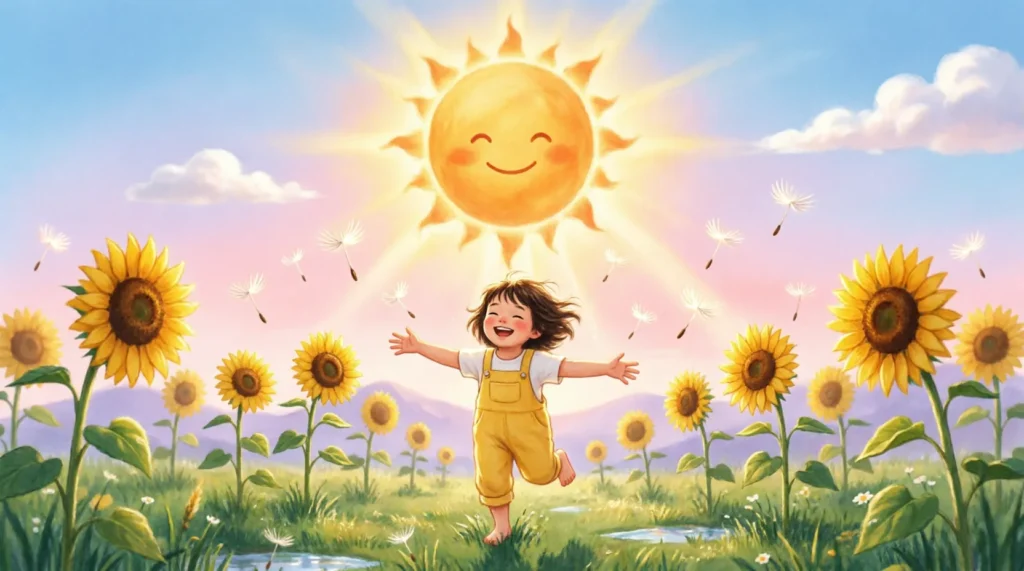
In short, similes for happy are creative comparisons that help you describe joy using “like” or “as,” such as “happy as a child on a snow day.” In this article, you’ll discover vivid examples, simple ways to use them, and fun practice ideas that will help you make your writing more expressive and enjoyable. You’ll never run out of ways to show happiness again.
What Are What Are Some Similes For Happy? (And Why They Matter)
Have you ever been stuck staring at a blankpage, trying to describe how joyful a character feels? Maybe your teacher asked for a simile, and you only wrote “happy like a bird,” but it didn’t feel strong enough. This is exactly where learning what are some similes for happy becomes useful for you.
A simile is a comparison that uses “like” or “as” to help you describe feelings in a clearer, more creative way. So, when you explore what are some similes for happy, you are learning how to show joy in colorful, imaginative ways instead of plain words like “very happy.”
These similes matter because they help your writing stand out in essays, stories, and exams. Language Arts educators often explain that strong figurative language improves both reading comprehension and creative expression.
When you use better comparisons, your reader can feel the happiness you are describing. Instead of just telling someone a character is happy, you help them picture it, imagine it, and connect with it emotionally. That’s the real power of similes in your writing.
Now that you understand why this skill is important for you, let’s explore some exciting examples you can start using right away.
The Best Examples of What Are Some Similes For Happy
Here are powerful and creative similes you can use to describe happiness in your writing:
Happy as a child on the last day of school
Happy like sunshine breaking through dark clouds
Happy as a dog running toward its owner
Happy like a balloon floating into the sky
Happy as someone who just found lost money in their pocket
Happy like birds singing at sunrise
Happy as a kid in a candy store
Happy like a birthday surprise waiting at the door
Happy as a butterfly dancing in a garden
Happy like music playing on a quiet morning
Happy as a gamer winning the final level
Happy like rain falling after a long drought
Happy as someone hearing their favorite song on repeat
Happy like a field full of blooming flowers
Happy as a student finishing exams early
Happy like fireworks lighting up the night sky
Happy as ice cream melting on a hot day
Happy like laughter echoing in an empty room
Happy as a puppy discovering new toys
Happy like a rainbow appearing after a storm
Happy as someone receiving good news unexpectedly
Happy like a cozy blanket on a cold night
These examples work because they use strong mental pictures. They connect happiness to things you can see, hear, or feel, which makes your writing more powerful and alive. When you use what are some similes for happy, you are not just describing emotions—you are painting scenes in your reader’s mind.
How to Use What Are Some Similes For Happy in Your Writing
If you want your writing to sound natural and expressive, you can follow these simple steps:
First, think about the feeling you want to show. If you want to express joy, remind yourself of moments when you felt truly happy.
Next, choose a clear image. You can pick something from nature, school life, animals, or celebrations—anything you can easily imagine.
Then build your simile using “like” or “as.” Keep it simple so your reader can quickly understand it.
Finally, place it in a sentence that fits your story or paragraph.
For example: She was happy as a child on the last day of school when she heard the good news.
When you practice, you’ll notice your writing becoming more colorful. You will also find it easier to express emotions without repeating the same words again and again.
What Are Some Similes For Happy in Poems and Stories
Writers and poets love using similes because they bring emotions to life in a natural way. When you use what are some similes for happy in poems or stories, your words become more musical and expressive.
Here are a few short creative examples:
Aisha wrote: “I felt happy like sunshine spilling over the rooftops after a long night.”
Daniel wrote: “He smiled, happy as a puppy chasing its first snowfall.”
Meera wrote a poem: “Happy like rivers dancing / through valleys of green light.”
Poets use these comparisons because they help create rhythm, emotion, and imagination. When you use similes, your reader doesn’t just understand happiness—they experience it with you.
Common Mistakes Students Make With What Are Some Similes For Happy
It’s normal to make mistakes when you are learning, so don’t worry if your early attempts feel simple. Here are some common issues and how you can fix them:
Using very basic comparisons Many students write “happy like a person.” Try to make your image more specific and creative so your reader can actually picture it.
Repeating the same idea If you keep using “happy like a bird,” your writing becomes predictable. You should explore different images each time.
Forgetting the emotion focus Sometimes your simile doesn’t match happiness clearly. Make sure your comparison actually shows joy, not just random objects.
Making sentences too long If your simile feels confusing, simplify it. Short and clear is always better for your reader.
Using similes without context You should always place your simile inside a full sentence so it feels natural in your writing.
Fun Activities to Practice What Are Some Similes For Happy
Simile scavenger hunt Walk around your home or classroom and find five things that remind you of happiness. Turn each one into a simile.
Emotion journal challenge Write one happy moment from your day and describe it using a new simile each time.
Draw and describe Draw something that makes you happy, then write a simile underneath it.
Simile race game Set a timer and try to write as many “happy” similes as you can in three minutes. Challenge yourself to be creative.
Story upgrade activity Take a boring sentence like “He was happy” and rewrite it using a simile to make it stronger.
Partner sharing Share your similes with a friend and see if they can guess the feeling you are describing.
What NOT to Do With What Are Some Similes For Happy
Don’t use unclear comparisons If your simile doesn’t make sense to your reader, it won’t create a strong image.
Don’t overuse the same structure Repeating “happy like…” too often can make your writing feel flat. Mix it up with variety.
Don’t choose unrelated images Avoid comparisons that don’t clearly connect to happiness, or your reader may get confused.
Don’t forget creativity If you only use common phrases, your writing won’t stand out. You should always try to think in new and imaginative ways.
More what are some similes for happy by Tone and Context
🌿 Natural & Descriptive
“As happy as a stream dancing over smooth stones” — Captures a light, flowing sense of joy that works well in nature descriptions and essays.
“Like a sunflower turning toward the morning sun” — Shows cheerful positivity and a natural attraction to good things.
“As happy as a meadow after a spring rain” — Suggests fresh, renewed happiness after a difficult time.
“Like a bird gliding on a warm breeze” — Expresses a peaceful and effortless kind of happiness.
“As happy as leaves sparkling in golden sunlight” — Creates a bright, vivid image of simple contentment.
💛 Warm & Emotional
“As happy as a child hearing a familiar voice” — Reflects comfort, safety, and heartfelt joy.
“Like a hug on a difficult day” — Describes happiness that brings warmth and reassurance.
“As happy as friends reunited after years apart” — Highlights deep emotional happiness and connection.
“Like a heart finally finding its place” — Works well for personal stories about belonging and acceptance.
“As happy as a family gathered around one table” — Conveys togetherness, gratitude, and shared joy.
✨ Poetic & Romantic
“Like moonlight resting on a quiet lake” — Suggests calm, gentle happiness with a poetic tone.
“As happy as a love song drifting through the evening air” — Creates a romantic and dreamy feeling.
“Like stars appearing one by one at dusk” — Expresses happiness that slowly grows stronger.
“As happy as a garden blooming under a silver moon” — Adds elegance and beauty to descriptions of joy.
“Like a candle glowing softly in the dark” — Represents hope-filled happiness during challenging moments.
😄 Playful & Fun
“As happy as a puppy discovering a new toy” — Shows energetic excitement and playful joy.
“Like popcorn popping at movie night” — Captures bubbly, contagious happiness.
“As happy as a kid racing toward summer vacation” — Expresses eager anticipation and excitement.
“Like a balloon bouncing in the wind” — Suggests carefree and lighthearted happiness.
“As happy as someone finding extra fries at the bottom of the bag” — Adds humor and a relatable touch to casual writing.
These tone-grouped similes for what are some similes for happy give you options for every kind of writing — whether you need something soft and poetic or bold and fun. Try picking one from each group and using them in a short paragraph to see how different the same keyword can feel.
Using what are some similes for happy in Real Writing Contexts
In a Descriptive Essay
When writing about a memorable event, achievement, or special moment, a simile can help readers picture the feeling more clearly. Instead of simply saying someone was happy, compare that happiness to something vivid and memorable. Example: After receiving the award, Maya was as happy as a meadow after a spring rain, glowing with pride and relief.
In a Poem
Similes for happiness can create mood and add imagery to a poem. They help transform an emotion into a picture that readers can see and feel. Example: My heart was like moonlight resting on a quiet lake, calm and bright beneath the stars.
In a Story or Creative Scene
In stories, similes can reveal a character’s emotions without directly stating them. They make reactions feel more natural and engaging for the reader. Example: When the final bell rang on the last day of school, Ethan sprinted through the doorway, as happy as a kid racing toward summer vacation.
In a Social Media Caption or Message
Short similes work especially well in captions, texts, and casual posts because they quickly communicate emotion. A creative comparison can make even a simple message stand out. Example: Just finished my exams—feeling as happy as a puppy discovering a new toy!
The more you practice placing similes for What Are Some Similes For Happy into real sentences, the more natural your writing will sound — and the more your reader will feel exactly what you want them to feel.
Frequently Asked Questions About What Are Some Similes For Happy
What is a simple simile for happy that students can use?
A simple simile for happy is “happy as a child on a holiday” or “happy like sunshine on your face.” These are easy to understand and work well in school writing. You can use them when you want your sentence to feel clear and cheerful.
How do I create my own similes for happy instead of copying examples?
You can create your own by thinking of something that makes you feel joy, then comparing it using “like” or “as.” For example, if you love music, you might say “happy like music filling a quiet room.” This helps your writing feel more personal to you.
Why do writers use similes instead of just saying happy?
Writers use similes because they help readers see and feel emotions more clearly. Instead of just saying “happy,” you can create a picture that stays in the reader’s mind. This makes your writing more interesting and expressive.
Can I use similes for happy in exams and essays?
Yes, you can use similes in exams and essays, and they often improve your marks if used correctly. Just make sure your simile fits the sentence and is easy to understand. You should avoid overusing them in every line.
What makes a good simile for happy?
A good simile is clear, creative, and easy for your reader to imagine. It should connect happiness to something positive and familiar. When you choose strong images, your writing becomes more powerful and enjoyable to read.
Final Thoughts on What Are Some Similes For Happy
Now you’ve learned many creative ways to express joy using similes. You’ve seen examples, practice ideas, and simple steps that can help you improve your writing every time you try.
When you use what are some similes for happy, you are not just adding decoration to your sentences—you are making your emotions come alive for your reader. The more you practice, the easier it becomes to think in images instead of plain words.
Keep experimenting, keep imagining, and let your writing grow more colorful each time you pick up your pen. You can absolutely turn simple ideas into beautiful expressions that others enjoy reading.
Frequently Asked Questions
What are some creative similes for expressing happiness?▼
Some creative similes for happiness include ‘happy as a child on the last day of school’ and ‘happy like sunshine breaking through dark clouds.’ These comparisons evoke vivid imagery and help convey joy in a more engaging way.
How do similes enhance my writing about emotions?▼
Similes enhance writing by providing strong mental images that connect readers to the emotions being described. For example, instead of just saying a character is happy, saying they are ‘happy as a puppy discovering new toys’ allows the reader to visualize and feel that joy.
Why should I use similes instead of plain words like 'very happy'?▼
Using similes adds color and imagination to your writing, making it more expressive and enjoyable. Plain words can be dull, while similes create a connection that makes emotions more relatable and vivid for the reader.
What steps can I take to effectively use similes in my writing?▼
To effectively use similes, start by reflecting on the specific feeling you want to convey. Then, choose a clear and relatable image that resonates with that emotion, such as nature or personal experiences, to create a more dynamic description.
Can similes improve my reading comprehension?▼
Yes, similes can improve reading comprehension by making abstract emotions more concrete and relatable. When readers can visualize the comparisons, they better understand the feelings and can connect emotionally with the text.
How can I practice using similes in my writing?▼
You can practice using similes by brainstorming different scenarios that evoke happiness and then creating your own comparisons. Try writing a short story or a poem where you incorporate various similes to describe joy.
What is the significance of using strong figurative language in writing?▼
Strong figurative language, like similes, is significant because it enriches the text and engages the reader’s imagination. It helps convey emotions in a way that is both impactful and memorable, enhancing the overall quality of your writing.
Liam Nguyen is a passionate educator and writer with a deep love for figurative language. He holds a master’s degree in Creative Writing and has spent eight years teaching at various educational settings, focusing on language enrichment programs for children from grades 2-6. His expertise in crafting metaphorical language and similes into captivating content stems from his belief that storytelling is the heartbeat of learning. Liam’s contributions to SimilePedia span from emotion-driven examples to color-inspired narrative tools. He is committed to fostering a creative environment where students can explore and find joy in their unique expressions.