Quick Answer (Featured Snippet): In short, similes for long hair are comparisons that use “like” or “as” to describe how long hair looks, feels, or moves in creative ways. You’ll find expressive examples that help you make your writing more vivid, emotional, and engaging. As you read on, you’ll discover how these similes can instantly upgrade your descriptions in stories and poems.
What Are Similes For Long Hair? (And Why They Matter)
Have you ever stared at a blank page, trying to describe someone’s long hair but only coming up with “nice” or “pretty”? Or maybe your teacher asked for more “creative description,” and your mind just froze. You’re not alone—many students face this exact moment.
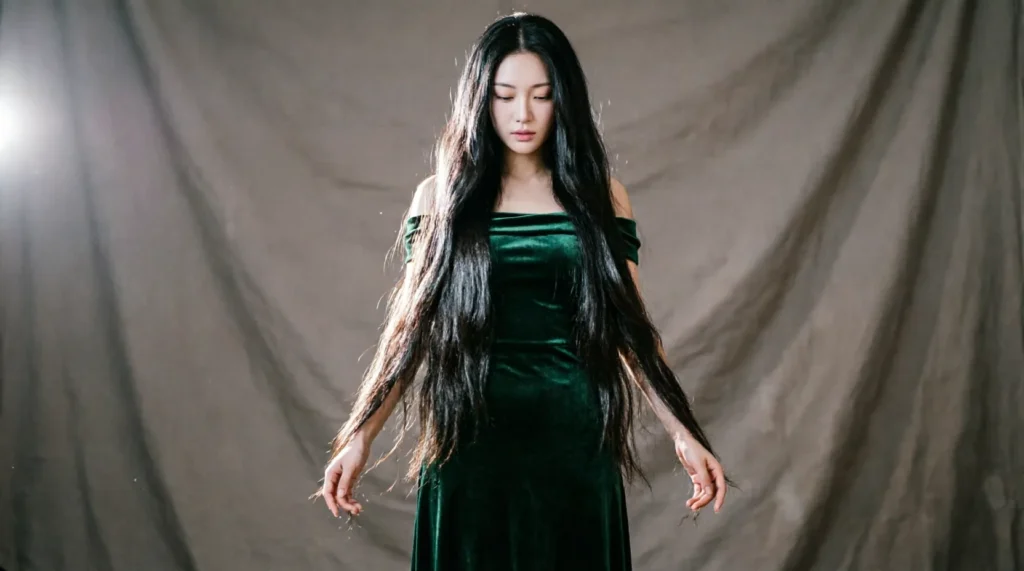
Similes for long hair are comparisons that describe long hair using “like” or “as.” Instead of just saying “her hair was long,” you might say “her hair flowed like silk in the wind.”
These comparisons matter because they help you paint pictures with words. Literacy educators often explain that figurative language improves imagination, reading comprehension, and storytelling skills. When you use similes for long hair, you make your writing more expressive and memorable.
As you continue reading, you’ll see how simple comparisons can turn basic descriptions into powerful images your reader can actually see.
The Best Examples of Similes For Long Hair
Here are vivid and creative similes for long hair you can use in your writing:
Her long hair flowed like silk slipping through fingers.
His hair was as long as a river of midnight flowing down his back.
Her tresses moved like waves rolling across a calm sea.
His hair hung like golden threads woven by the sun.
Her long hair was as soft as feathers drifting in the air.
His hair fell like a waterfall tumbling over rocky cliffs.
Her locks shimmered like moonlight spilling across water.
His hair was as smooth as polished glass in the sunlight.
Her long hair swayed like tall grass dancing in the wind.
His hair flowed like ink spreading across white paper.
Her hair was as long as vines climbing endlessly upward.
His locks moved like ribbons caught in a gentle breeze.
Her long hair spilled like melted chocolate over her shoulders.
His hair was as wild as branches swaying in a storm.
Her tresses flowed like silk curtains in a royal hall.
His hair hung like a curtain of shadows around his face.
Her long hair shimmered like gold threads under sunlight.
His hair moved like ocean currents beneath a quiet sea.
Her locks fell like rain slipping down a windowpane.
His long hair was as flowing as clouds drifting across the sky.
Her hair danced like firelight flickering in the dark.
His tresses were like soft ropes of shadow and light.
Her long hair spread like a river branching into streams.
His hair flowed like wind brushing across open fields.
These examples work because they use strong imagery from nature, texture, and movement. When you use similes for long hair, you help your reader feel the motion, softness, and beauty instead of just imagining a flat description.
How to Use Similes For Long Hair in Your Writing
If you want your writing to stand out, you need more than just memorizing examples—you need to know how to use them.
Start by observing the hair you want to describe. Think about its movement, shine, and texture.
Choose a comparison that matches what you see or imagine, like silk, water, wind, or light.
Build a full sentence using “like” or “as” naturally. For example, you might write: Her long hair flowed like silk in a gentle breeze.
Read your sentence out loud and check if it feels smooth and vivid for your reader.
When you practice using similes for long hair, you’ll notice your descriptions becoming more colorful and expressive over time. You don’t need fancy vocabulary—just strong imagination and attention to detail.
Similes For Long Hair in Poems and Stories
Writers and poets love using similes for long hair because they create rhythm, mood, and emotional depth. Long hair often represents beauty, freedom, or even mystery in storytelling.
Here are some creative mini-examples:
Amina wrote: Her hair flowed like silk across the wind, soft as a dream she couldn’t hold.
Jason described a character: His long hair fell like shadows at dusk, quiet, heavy, and full of secrets.
Lina added in her story: Her tresses moved like golden rivers, guiding every step she took forward.
These small examples show how similes bring life into writing. Poets and authors use similes for long hair to help readers feel emotion, not just read descriptions.
As you experiment, you’ll notice your writing becoming more musical and expressive, almost like painting with words.
Common Mistakes Students Make With Similes For Long Hair
Learning takes practice, and mistakes are part of the process. Here are some common issues students face:
Using boring or repeated comparisons Many students rely on the same words like “nice” or “beautiful,” which don’t create strong imagery. Try exploring new ideas like nature or movement instead.
Making comparisons that don’t match the meaning Sometimes students choose objects that don’t fit long hair, making the simile confusing. Always check if your comparison actually makes sense.
Overloading one sentence with too many similes Adding too many comparisons can make writing messy. One strong simile is better than three weak ones.
Forgetting to connect emotion with description Good similes for long hair should also show feeling, not just appearance. Think about mood as well as looks.
Copying examples without changing them It’s fine to learn from examples, but your writing should reflect your own imagination and voice.
Don’t worry if you’ve made these mistakes before—every writer starts somewhere, and improvement comes with practice.
Fun Activities to Practice Similes For Long Hair
Observation Challenge: Look at people in real life or pictures and describe their hair using one simile each. Try to be creative and avoid repeating ideas.
Nature Match Game: Grab a notebook and match long hair with nature objects like rivers, wind, or sunlight. Then turn each match into a full sentence.
Story Builder Exercise: Write a short story about a character with very long hair. Use at least five similes for long hair throughout your story.
Drawing + Writing Activity: Draw a character with long hair, then write three similes describing how their hair looks and moves.
Simile Swap with Friends: Exchange your sentences with a classmate and suggest improvements or more creative comparisons.
Timed Writing Challenge: Set a timer for five minutes and try to write as many unique similes for long hair as you can.
These activities help you train your imagination so your writing becomes faster, richer, and more natural.
What NOT to Do With Similes For Long Hair
Don’t rely only on common comparisons like “like silk” or “like water” While these are fine, repeating them too much can make your writing predictable.
Don’t confuse similes with metaphors Remember, similes use “like” or “as,” while metaphors do not.
Don’t use comparisons that don’t make sense visually Your reader should easily picture what you are describing.
Don’t forget clarity Even creative writing should still be easy for your reader to understand.
Avoiding these mistakes will help your similes for long hair feel more natural and powerful in your writing.
More similes for long hair by Tone and Context
🌿 Natural & Descriptive
“Her long hair flowed like a winding river through the valley.” — Captures smooth movement and works well in vivid nature-inspired descriptions.
“As long as a willow branch swaying in the breeze.” — Emphasizes graceful length and gentle motion.
“Her hair stretched behind her like a trail of dark ivy.” — Suggests beauty, length, and a connection to nature.
“As soft as a field of tall grass under the wind.” — Highlights both length and softness in descriptive writing.
“His long hair hung like a waterfall spilling over rocks.” — Creates a strong visual image of flowing, layered hair.
💛 Warm & Emotional
“Her long hair wrapped around her shoulders like a comforting blanket.” — Shows warmth, safety, and affection.
“As gentle as a ribbon floating through the air.” — Conveys tenderness and calm emotions.
“Her hair rested around her like a favorite old sweater.” — Suggests familiarity, comfort, and personal connection.
“Like a warm curtain shielding her from the world.” — Works well when describing someone seeking comfort or privacy.
“As soothing as a lullaby drifting through a quiet room.” — Adds a peaceful and caring feeling to the description.
✨ Poetic & Romantic
“Her long hair shimmered like moonlight on a silent lake.” — Creates a dreamy and romantic image.
“As elegant as silk unfurling across a royal floor.” — Emphasizes beauty and sophistication.
“Her hair danced behind her like a shadow woven from stars.” — Adds mystery and poetic charm.
“Like a midnight veil trailing through a dream.” — Perfect for romantic poems and lyrical writing.
“As enchanting as a stream of silver threads beneath the sky.” — Highlights beauty in a magical, poetic way.
😄 Playful & Fun
“Her long hair bounced like a parade streamer in the wind.” — Creates a cheerful and energetic image.
“As wild as spaghetti slipping off a fork.” — A funny comparison for messy or lively hair.
“His hair flew around like a superhero cape on fast-forward.” — Great for humorous stories and casual writing.
“Like a fluffy tail following her wherever she went.” — Adds a playful and lighthearted tone.
“As lively as confetti caught in a breeze.” — Captures movement, excitement, and fun.
These tone-grouped similes for similes for long hair give you options for every kind of writing — whether you need something soft and poetic or bold and fun. Try picking one from each group and using them in a short paragraph to see how different the same keyword can feel.
Using Similes For Long Hair in Real Writing Contexts
In a Descriptive Essay
When writing a descriptive essay, you might want to help readers clearly picture a person’s appearance. A simile can make long hair feel more vivid and memorable instead of simply stating that it was long.
Example: Her long hair flowed down her back like a winding river, catching the sunlight with every step she took.
In a Poem
Similes for long hair can help create mood, emotion, and beautiful imagery in poetry. They allow readers to feel the atmosphere rather than just see the description.
Example: Your long hair shines like moonlight on the sea, drifting through my dreams so quietly.
In a Story or Creative Scene
In stories, similes can reveal character details and make scenes more engaging. They help readers visualize movement, emotion, and setting at the same time.
Example: As Mia raced across the hill, her long hair streamed behind her like a superhero cape, fluttering against the bright afternoon sky.
In a Social Media Caption or Message
Short similes work well in captions and messages because they quickly create a strong image. They add personality and make simple posts more interesting.
Example: Feeling fabulous today—my long hair is flowing like a waterfall in every photo!
The more you practice placing similes for long hair into real sentences, the more natural your writing will sound — and the more your reader will feel exactly what you want them to feel.
Frequently Asked Questions About Similes For Long Hair
What is a simple simile for long hair?
A simple simile for long hair is a comparison using “like” or “as,” such as “Her hair flowed like silk.” These help you create clear and beautiful descriptions without complicated language.
Why do writers use similes for long hair?
Writers use similes for long hair to make descriptions more vivid and emotional. Instead of just stating facts, they help readers visualize movement, texture, and beauty.
Can I create my own similes for long hair?
Yes, you absolutely can. The best similes come from your imagination. You can compare long hair to anything that matches its look or movement, like wind, rivers, or fabric.
Are similes for long hair good for school essays?
Yes, they are excellent for school writing. They show creativity and help you earn better marks in descriptive writing tasks.
What makes a strong simile for long hair?
A strong simile is clear, creative, and easy to picture. It should connect hair to something familiar but imaginative, helping your reader see the description in their mind.
Final Thoughts on Similes For Long Hair
Learning how to use similes for long hair gives you a powerful tool for creative writing. Instead of plain descriptions, you can now create images that feel alive and meaningful.
When you practice regularly, your writing becomes more expressive, and your ideas become easier to share with others. You don’t need perfect words—just curiosity and imagination.
Keep experimenting with new comparisons, and don’t be afraid to try unusual ideas. Over time, you’ll find that describing long hair becomes not just easy, but genuinely fun.
Your writing voice is growing every time you try—and that’s something worth continuing.
Frequently Asked Questions
What are similes for long hair and why are they useful?▼
Similes for long hair are creative comparisons that use ‘like’ or ‘as’ to vividly describe how long hair looks, feels, or moves. They enhance writing by creating more expressive and memorable imagery, making the descriptions more engaging for readers.
Can you give examples of similes for describing long hair?▼
Sure! Some examples include ‘Her long hair flowed like silk slipping through fingers’ and ‘His hair fell like a waterfall tumbling over rocky cliffs.’ These comparisons draw on strong imagery to evoke emotions and visualizations.
How can I improve my writing using similes for long hair?▼
To improve your writing, start by observing the hair you want to describe, focusing on its movement, shine, and texture. Choose a simile that resonates with what you see and incorporate it into your sentences to create a vivid picture for your readers.
Why do literacy educators emphasize the use of figurative language like similes?▼
Literacy educators highlight figurative language because it enhances imagination, improves reading comprehension, and strengthens storytelling skills. Similes, in particular, help readers connect emotionally and visualize descriptions, making writing more impactful.
What types of imagery work best in similes for long hair?▼
Imagery drawn from nature, texture, and movement works best in similes for long hair. Comparisons that involve elements like silk, water, light, and wind can create powerful images that resonate with readers.
How do similes transform basic hair descriptions in writing?▼
Similes transform basic hair descriptions by turning flat statements into lively imagery that evokes emotion and clarity. Instead of simply stating that hair is long, similes allow writers to convey the beauty and movement of hair, enriching the reader’s experience.
Is it necessary to memorize similes for them to be effective in writing?▼
While memorizing similes can be helpful, it’s more important to understand how to use them effectively in context. Focus on observing and describing hair in your own words, using similes as a tool to express your unique voice.
Liam is a language enthusiast and lead writer at Similepedia.com, where he focuses on creating clear, creative, and easy-to-use similes for everyday writing. He specializes in turning simple ideas into vivid comparisons that make sentences more engaging, expressive, and memorable.
Instead of overcomplicating language with technical jargon, Liam approaches similes as practical tools for better communication. He breaks down how comparisons work, when to use them, and how to make them sound natural — not forced or awkward.
He pays close attention to tone, context, and clarity, ensuring every simile fits smoothly into real sentences. From fun and playful comparisons to more descriptive and expressive ones, Liam helps readers improve how they write, speak, and express ideas.
At Similepedia.com, his mission is simple: make language more colorful and effective without making it complicated. He doesn’t just list similes — he helps readers understand how to use them confidently in real situations.