In short, similes for night time help you compare the night to something else using words like “as” or “like.” These comparisons make your writing more vivid, emotional, and memorable. In this guide, you’ll discover creative examples, writing tips, fun activities, and easy ways to use night-time similes in poems, stories, and school assignments.
What Are Similes for Night Time? (And Why They Matter)
Have you ever stared at a blank page trying to describe the night, but all you could think of was “it was dark”? You are definitely not alone. Many students know what night feels like, but finding the right words to describe it can be tricky.
Similes for night time are comparisons that help you describe the night in a more colorful and imaginative way. A simile usually uses the words “like” or “as” to compare two different things.
For example:
“The night was as silent as a sleeping library.”
“The sky spread over the town like a black velvet blanket.”
These comparisons matter because they help your reader picture the scene more clearly. Literacy educators often explain that figurative language improves reading comprehension, creative writing, and storytelling skills. When you use similes well, your writing feels alive instead of flat.
Night time is especially fun to describe because it can feel peaceful, mysterious, spooky, cozy, or magical depending on your mood. That gives you endless creative possibilities to explore in your own writing.
The Best Examples of Similes for Night Time
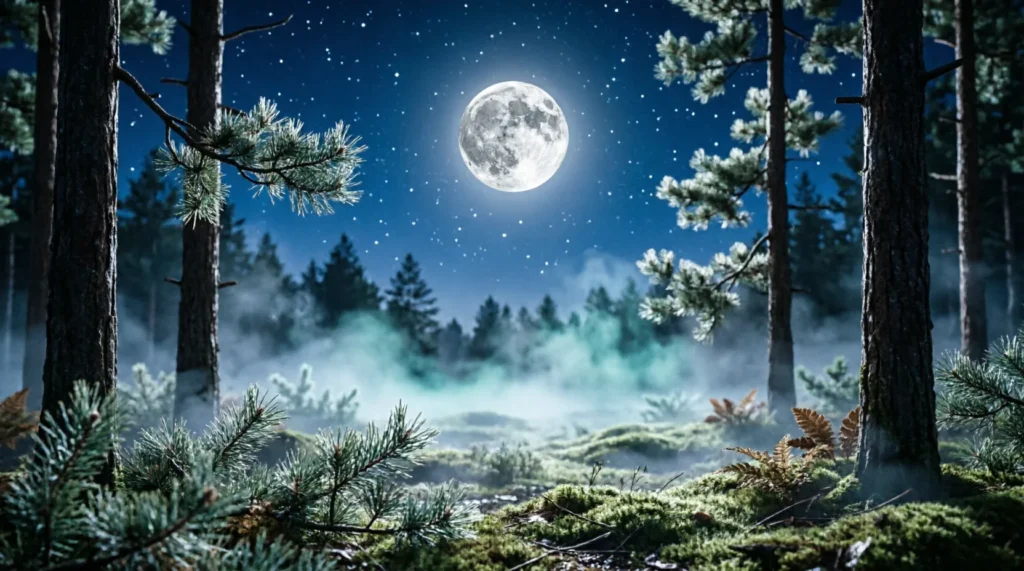
[IMAGE: A starry night sky above a quiet town]
The night wrapped around the city like a soft black blanket.
Night fell as quietly as snow landing on the ground.
The sky looked like spilled ink across the world.
The darkness crept in like a cat moving through shadows.
The moon shone like a silver coin in the sky.
The stars sparkled like glitter scattered on velvet.
The night air felt as cool as water from a mountain stream.
The forest at night was as silent as an empty classroom.
The sky stretched above us like an endless ocean of darkness.
Nighttime covered the streets like a curtain closing after a play.
The clouds drifted across the moon like ghosts floating through the sky.
The stars blinked like tiny flashlights far away.
The night was as calm as a sleeping baby.
Darkness spread like paint across the evening sky.
The moon floated like a lantern in the distance.
The night felt as mysterious as an unopened letter.
The sky at midnight looked like black velvet sprinkled with diamonds.
The crickets chirped like tiny musicians in the dark.
The evening breeze moved through the trees like whispered secrets.
The night was as peaceful as a quiet church.
The shadows stretched like giant fingers across the road.
The stars danced like candles flickering in the wind.
The moonlight poured over the lake like melted silver.
The darkness felt as heavy as a thick winter coat.
The night sky glowed like a giant movie screen filled with stars.
These examples work well because they create strong mental pictures. Some focus on sound, while others describe light, movement, or emotion. Language arts researchers often encourage students to use sensory details because they help readers feel like they are inside the scene.
As you read these similes for night time, notice how each one creates a different mood. Some feel cozy and calm, while others feel mysterious or dramatic.
How to Use Similes for Night Time in Your Writing
Using similes becomes much easier when you break the process into simple steps. You do not need to sound like a famous poet to write something memorable.
Think about how the night feels to you.
Is it quiet? Creepy? Peaceful? Exciting? Your emotions can guide your comparison.
Choose something your reader already understands.
Compare the night to objects, sounds, or experiences people recognize easily.
Use sensory details.
Think about what you see, hear, smell, or feel during nighttime.
Keep your similes natural.
Do not force comparisons that sound confusing or random.
Example: “The night air wrapped around Maya like a cold silk scarf as she walked home.”
In that sentence, the simile helps you imagine both the temperature and the feeling of the night. Creative writing teachers often remind students that the best similes feel smooth and believable instead of overly complicated.
Once you start practicing, you will notice similes for night time appearing naturally in your stories and poems.
Similes for Night Time in Poems and Stories
[IMAGE: A student writing poetry near a bedroom window at night]
Writers often use night-time similes to create mood and emotion. A peaceful night can make readers feel calm, while a stormy night can create suspense or fear.
Here are a few short creative examples:
“Aisha watched the stars blink like tiny fireflies above her roof. The night curled around the neighborhood like a sleepy cat.”
“Diego heard the wind whisper through the trees like an old storyteller. The moon floated overhead like a glowing boat on dark water.”
“The night sky stretched above Emma like a giant velvet curtain. Each star shimmered like a secret waiting to be discovered.”
Poets and authors love this type of figurative language because it adds rhythm, imagery, and emotion. Instead of simply saying “it was nighttime,” you help readers experience the scene for themselves.
If you enjoy writing stories, journaling, or poetry, similes for night time can instantly make your descriptions stronger and more interesting.
Common Mistakes Students Make With Similes for Night Time
Even strong writers sometimes struggle with figurative language. That is completely normal, especially when you are still learning how to create vivid comparisons.
Using clichés too often
Phrases like “dark as night” are common and not very creative anymore. Try creating fresher images that feel unique to your writing.
Mixing metaphors and similes
Some students accidentally combine different comparisons in confusing ways. Keep your image focused and clear.
Making comparisons that do not fit
If your simile does not connect naturally to nighttime, readers may feel confused instead of impressed.
Using too many similes in one paragraph
One or two strong similes usually work better than five crowded together. Give each comparison space to shine.
Forgetting the mood of the scene
A funny simile may not fit a serious or spooky night scene. Think about the emotion you want your reader to feel.
The good news is that these mistakes are easy to fix with practice. Many literacy educators say experimentation is one of the best ways to grow as a writer.
Fun Activities to Practice Similes for Night Time
Learning figurative language becomes much more exciting when you turn it into a game or creative challenge.
Night Sky Drawing Challenge
Grab a pencil and draw a night scene. Then write five similes that match your picture.
Simile Match Game
Write nighttime objects on one side of a paper and possible comparisons on the other. Try matching them in creative ways.
Story Starter Activity
Begin a story with this sentence: “The night crept into the town like…” Then challenge yourself to finish the paragraph.
Sound Hunt
Sit quietly outside or near a window at night. Listen carefully and create similes for every sound you hear.
Poetry Swap
Write a short night poem using at least three similes. Then exchange poems with a friend and discuss your favorite lines.
Reading Detective
While reading books or song lyrics, search for similes about darkness, stars, or the moon. This helps you notice how professional writers use imagery.
These activities help you practice naturally without feeling like you are doing boring homework. The more you play with language, the more confident your writing becomes.
More similes for night time by Tone and Context
🌿 Natural & Descriptive
“As quiet as night time after fresh snowfall” — This captures deep stillness and works well in nature descriptions and essays.
“Like a dark river flowing across the sky” — This simile highlights the smooth and endless feeling of night time.
“As gentle as night time settling over the hills” — Use this when describing calm and peaceful scenes.
“Like a velvet blanket spread across the earth” — This creates a rich image of softness and darkness.
“As mysterious as night time beneath ancient trees” — This adds a sense of wonder and is great for vivid storytelling.
💛 Warm & Emotional
“Like a comforting hug after a long day” — This captures the cozy and restful feeling that night time can bring.
“As peaceful as night time in a quiet home” — Use this to describe safety, comfort, and family moments.
“Like a warm cup of tea before bed” — This simile gives night time a relaxing and comforting mood.
“As calming as night time after good news” — It expresses relief and happiness in personal writing.
“Like a favorite song softly playing in the background” — This works well when describing gentle and happy emotions.
✨ Poetic & Romantic
“Like a dream painted with silver stars” — This creates a magical image perfect for poems and love writing.
“As graceful as moonlight dancing on water” — Use this to add beauty and elegance to descriptions of night time.
“Like a secret whispered by the stars” — This simile gives night time a mysterious and romantic feeling.
“As endless as a melody drifting through the dark” — It works well when creating a dreamy mood.
“Like a page from a fairy tale” — This adds wonder and imagination to poetic scenes.
😄 Playful & Fun
“As sneaky as night time during a sleepover” — This playful simile suits funny stories and casual writing.
“Like a giant curtain closing after the show” — Use this to describe the end of a busy day in a fun way.
“As cool as night time on summer vacation” — This captures excitement and happy memories.
“Like a magician hiding tricks in the dark” — This simile gives night time a humorous and mysterious twist.
“As cheerful as night time around a campfire” — It brings out the fun and friendly side of evening adventures.
These tone-grouped similes for similes for night time give you options for every kind of writing — whether you need something soft and poetic or bold and fun. Try picking one from each group and using them in a short paragraph to see how different the same keyword can feel.
Using similes for night time in Real Writing Contexts
In a Descriptive Essay
Students often describe night time when writing about seasons, camping trips, or peaceful places. Adding a simile makes the scene easier for readers to imagine. For example: The night time stretched above the lake like a velvet blanket spread across the earth, making everything seem calm and still.
In a Poem
Similes for night time help create mood and emotion in poems. They can make a poem feel dreamy, peaceful, or mysterious. For example: Night time was like a dream painted with silver stars, and the moon sang softly above the sleeping fields.
In a Story or Creative Scene
Writers can use similes for night time to describe the setting and show how characters feel. A strong comparison helps readers step into the scene. For example: As Maya stepped outside, the night time felt as mysterious as night time beneath ancient trees, and she held her flashlight tightly while listening to the crickets.
In a Social Media Caption or Message
Short similes for night time work well in captions and messages because they quickly create a mood. They can make simple moments sound more creative and memorable. For example: Summer vibes tonight 🌙✨—the night time feels like a secret whispered by the stars.
The more you practice placing similes for similes for night time into real sentences, the more natural your writing will sound — and the more your reader will feel exactly what you want them to feel.
What NOT to Do With Similes for Night Time
[IMAGE: A notebook filled with creative writing notes]
Do not force every sentence to include a simile.
Too many comparisons can overwhelm your reader and make your writing feel crowded.
Do not copy examples without changing them.
Using inspiration is fine, but your writing becomes stronger when you add your own voice and imagination.
Do not make your similes overly complicated.
A simple, clear comparison usually works better than one readers struggle to understand.
Do not assume all night-time similes must sound spooky.
Nighttime can also feel beautiful, peaceful, romantic, cozy, or exciting depending on the scene.
Remember, your goal is not to sound fancy. Your goal is to help readers picture and feel the moment you are describing.
Frequently Asked Questions About Similes for Night Time
What is a simile for night time?
A simile for night time compares the night to something else using “like” or “as.” For example, “The sky was as dark as velvet” helps readers imagine the appearance and feeling of the night.
How do you use similes for night time in a sentence?
You can use them to make descriptions more vivid. For example: “The stars glittered like tiny diamonds above the lake.” This gives your writing more imagery and emotion.
What is the difference between a simile and a metaphor for night time?
A simile uses words like “like” or “as,” while a metaphor makes a direct comparison. “The night was like a blanket” is a simile, while “The night was a blanket” is a metaphor.
Why do writers use similes for night time?
Writers use them to create mood, imagery, and emotional depth. Night scenes can feel mysterious, peaceful, lonely, or magical, and similes help readers experience those emotions more clearly.
Are similes for night time good for school assignments?
Yes, they are excellent for poems, descriptive paragraphs, creative stories, and reading responses. Language arts educators often encourage students to use figurative language because it improves creativity and writing quality.
Final Thoughts on Similes for Night Time
Learning how to use similes for night time can completely change the way your writing sounds. Instead of simple descriptions, you create scenes readers can actually imagine and feel.
You explored creative examples, writing tips, common mistakes, and fun activities that help you practice figurative language in a natural way. You also saw how poets and storytellers use nighttime imagery to create emotion and atmosphere.
The best part is that you do not need to be a professional writer to create beautiful similes. You just need observation, imagination, and a little practice.
The next time you look at the stars, hear crickets outside, or see moonlight through your window, try turning that moment into a simile of your own — your writing voice is stronger than you think.
Frequently Asked Questions
What are some examples of similes for night time?▼
Some creative examples include: ‘The night wrapped around the city like a soft black blanket’ and ‘The stars sparkled like glitter scattered on velvet.’ These comparisons help evoke vivid imagery and emotion in your writing.
Why are similes important for describing night time?▼
Similes help create more colorful and imaginative descriptions of night time, allowing readers to visualize the scene better. They enhance the emotional impact of your writing, making it feel more alive and engaging.
How can I effectively use similes in my writing?▼
To use similes effectively, start by identifying the feelings or images you want to convey about night time. Then, break down the process into simple steps, focusing on comparisons that resonate with your audience.
What mood can similes for night time convey?▼
Similes can convey a range of moods, from peaceful and cozy to mysterious and dramatic. For example, ‘The night was as calm as a sleeping baby’ evokes tranquility, while ‘The night felt as mysterious as an unopened letter’ adds an air of intrigue.
How do similes improve reading comprehension and creative writing?▼
Similes enhance reading comprehension by providing sensory details that help readers connect with the text. They also foster creative writing skills by encouraging writers to think outside the box and explore imaginative comparisons.
What types of activities can help me practice using similes for night time?▼
Fun activities include writing prompts where you describe a night scene using at least three similes or creating a poem that incorporates various night-time comparisons. These exercises can help reinforce your understanding and use of similes.
Can similes vary in tone when describing night time?▼
Yes, similes can vary in tone depending on the context and the writer’s intent. For instance, ‘The night air felt as cool as water from a mountain stream’ conveys a refreshing and pleasant tone, while ‘The darkness crept in like a cat moving through shadows’ suggests a more eerie or suspenseful atmosphere.
Sara Liu holds a Master’s degree in English Education from the University of Washington and has been an educator for over 15 years. She specializes in curriculum development for elementary and middle school students, with a particular focus on figurative language. Sara’s love for similes and metaphors blossomed when she discovered their power to spark imagination and convey emotion. At SimilePedia, Sara creates engaging worksheets and reference guides that help young learners grasp the nuances of figurative language. Her favorite part of writing content is developing resources that make complex concepts accessible to children. She is passionate about nurturing a love for words and creativity in her students, and her contributions are shaped by this commitment.