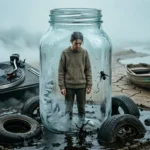
In short, similes for trapped are comparison phrases that help you describe the feeling of being stuck, limited, or unable to move forward. They use “like” or “as” to connect your emotions or situation with powerful images readers can easily understand. In this guide, you’ll discover vivid examples, how to use them in writing, and creative ways to make your descriptions come alive.
These similes are especially useful when you want your reader to feel the pressure, confusion, or frustration of being trapped. By the end, you’ll be able to use them confidently in your stories and assignments.
What Are similes for trapped? (And Why They Matter)
Have you ever stared at a blank page, knowing what you want to say but not knowing how to say it? Or felt like you were stuck in a situation with no way out? That same “stuck feeling” is what writers try to capture using similes for trapped.
Similes for trapped are simple comparison phrases that describe being stuck by comparing it to something else, like being caught in a net or locked in a small room. They help turn emotions into images your reader can instantly understand.
These similes matter because they make your writing stronger, clearer, and more emotional. Literacy educators often explain that students remember imagery better than plain descriptions. So instead of saying “I felt stuck,” you can say something vivid and memorable.
Writers, poets, and even examiners love seeing strong similes for trapped because they show creativity and emotional understanding. Now, let’s explore how powerful they can really be.
The Best Examples of similes for trapped
Here are vivid, creative, and student-friendly similes for trapped that you can use in your writing:
Like a bird trapped in a narrow cage, unable to stretch its wings
Like a fish caught in a tight fishing net struggling to break free
Like a car stuck in deep mud with wheels spinning but going nowhere
Like a butterfly pinned in a glass jar with no open air to escape
Like a phone stuck in a loop, repeating the same screen over and over
Like a mouse caught in a maze with no visible exit
Like a shadow locked inside a closed room with no sunlight
Like a boat stuck in still water with no wind to move it forward
Like a student locked in a test they don’t understand at all
Like a door sealed shut from the outside with no key in sight
Like a kite tangled in tree branches, unable to fly higher
Like a train frozen on broken tracks in the middle of nowhere
Like a spider caught in its own web, struggling against every thread
Like a book stuck on the same page no matter how many times you turn it
Like a bird in a storm unable to find a safe direction
Like a person inside a crowded elevator that won’t open
Like a dream stuck behind a wall you can see but not pass through
Like a message stuck in a bottle drifting without reaching land
Like a game character stuck in a glitch with no way forward
Like a heart locked in ice, unable to feel or move freely
Like a suitcase sealed too tightly to open no matter how hard you pull
These similes for trapped work well because they use strong visual imagery. They help your reader see the feeling, not just understand it. The best similes connect emotion with real-world objects that feel familiar.
How to Use similes for trapped in Your Writing
Using similes for trapped in your writing is easier than you think. You just need to connect your emotion or situation to a strong visual comparison.
First, identify the feeling of being stuck in your story or idea. Is it emotional, physical, or mental?
Next, think of something in real life that feels similarly stuck, like a cage, net, or locked door.
Then, build your simile using “like” or “as” to connect the two ideas.
Finally, place it in your sentence where emotion needs extra strength.
For example: “I felt like a bird trapped in a cage, watching everyone else move freely.”
When you practice similes for trapped, your writing becomes more expressive and memorable.
similes for trapped in Poems and Stories
Writers and poets use similes for trapped to show emotion quickly and powerfully. Instead of explaining everything, they let images do the talking.
Here are some creative micro-examples:
Mina stared at the closed gate. She felt like a kite tangled in branches, unable to rise.
Arif’s thoughts were like a message stuck in a bottle, drifting endlessly without reply.
The old house stood silent, like a heart locked in ice, hiding forgotten memories inside.
Poets use this kind of language because it adds rhythm, emotion, and depth. It helps readers feel the story instead of just reading it. When you use similes for trapped, your writing becomes more alive and expressive.
“Like a river blocked by fallen trees” — Shows movement being stopped unexpectedly, making it perfect for descriptive essays or adventure stories.
“As trapped as a seed beneath frozen ground” — Captures quiet waiting and hidden potential before change arrives.
“Like morning fog caught between the hills” — Suggests being unable to move freely while creating a calm, vivid image.
“As trapped as a bird in a thorny bush” — Highlights struggle and discomfort in a natural setting.
“Like a vine wrapped too tightly around a fence” — Describes being held back by something that slowly becomes impossible to escape.
💛 Warm & Emotional (for personal stories, letters, heartfelt writing)
“As trapped as a smile hiding behind tears” — Expresses emotional pain that someone is trying to keep inside.
“Like a heart locked inside an old diary” — Conveys feelings that are hidden or difficult to share.
“As trapped as a dream waiting to be spoken aloud” — Works well when describing hopes that cannot yet become reality.
“Like a hug that never reaches the person who needs it” — Reflects emotional distance and the sadness of being unable to help.
“As trapped as words that refuse to leave your mouth” — Perfect for moments of nervousness, fear, or silence.
✨ Poetic & Romantic (for poems, song lyrics, love writing)
“Like moonlight caught in a crystal bottle” — Creates a beautiful image of something lovely that cannot escape.
“As trapped as a melody inside an unopened music box” — Suggests beauty and emotion waiting to be released.
“Like a rose growing behind an iron gate” — Combines beauty with the sadness of being unreachable.
“As trapped as a wish floating inside a glass lantern” — Gives writing a dreamy, hopeful feeling despite the sense of confinement.
“Like a star hidden behind endless clouds” — Describes someone or something with brightness that cannot yet shine through.
😄 Playful & Fun (for casual use, social media captions, humor)
“Like a sock stuck behind the washing machine” — Adds humor to everyday situations where you feel stuck.
“As trapped as the last cookie in a tightly sealed jar” — A fun way to describe being unable to get out or move forward.
“Like a phone wedged between the couch cushions” — Works well in casual conversations about frustrating moments.
“As trapped as a hamster that forgot where the wheel stops” — Creates a funny picture of going nowhere despite lots of effort.
“Like a game character stuck on the same level forever” — Perfect for social media posts or conversations about feeling unable to make progress.
These tone-grouped similes for similes for trapped give you options for every kind of writing — whether you need something soft and poetic or bold and fun. Try picking one from each group and using them in a short paragraph to see how different the same keyword can feel.
Using similes for trapped in Real Writing Contexts
In a Descriptive Essay
When writing a descriptive essay, you may need to explain how a person, animal, or object cannot escape a place or situation. Using similes for trapped helps readers picture the scene more clearly and understand the feeling of being stuck. For example: The abandoned cabin stood like a heart locked inside an old diary, forgotten by everyone who passed through the forest.
In a Poem
Similes for trapped can create strong emotions in poetry, making feelings of loneliness, hope, or waiting more memorable. They also add rhythm and imagery to simple ideas. For example: I was like moonlight caught in a crystal bottle, shining softly but unable to reach the night.
In a Story or Creative Scene
In stories, similes for trapped can reveal a character’s emotions or describe a tense setting without simply saying they were stuck. This helps readers connect with the scene on a deeper level. For example: As the cave walls closed around them, Maya felt as trapped as words that refuse to leave your mouth, her fear growing with every silent second.
In a Social Media Caption or Message
Short similes for trapped work well in captions and messages because they quickly express a relatable feeling with a touch of humor or creativity. They make everyday moments more interesting to read. For example: Monday mood: like a phone wedged between the couch cushions—trying my best, but definitely stuck!
The more you practice placing similes for trapped into real sentences, the more natural your writing will sound — and the more your reader will feel exactly what you want them to feel.
Common Mistakes Students Make With similes for trapped
Using very basic similes too often Many students only write “like a bird in a cage.” It works, but repeating it makes writing feel limited. Try new and creative comparisons.
Mixing unrelated ideas If your simile doesn’t match the feeling of being trapped, it can confuse the reader. Keep your imagery connected.
Overloading every sentence You don’t need a simile in every line. Too many can make your writing feel forced.
Being too vague Saying “like something stuck” is not strong enough. Be specific and visual.
Forgetting emotional connection Similes for trapped should not just describe objects—they should show emotion too.
Fun Activities to Practice similes for trapped
Object comparison challenge Grab random objects around you and try to connect each one to a feeling of being trapped using a simile.
Story rewrite game Take a simple sentence like “He felt stuck” and rewrite it using similes for trapped in three different ways.
Drawing + writing activity Draw a scene of something trapped (like a bird or car in mud), then write five similes to describe it.
Simile race with friends Compete with classmates or friends to create the most creative simile in 60 seconds.
Emotion journal practice Write about your day and add at least one simile for trapped to describe a challenging moment.
Poem creation challenge Write a short 4-line poem using at least one strong simile for trapped to show emotion creatively.
What NOT to Do With similes for trapped
Don’t overuse the same comparisons Repeating “bird in a cage” too often makes your writing predictable.
Don’t force random images A simile should make sense. If it confuses the reader, it weakens your writing.
Don’t make it too complicated Simple and clear similes are more powerful than overly long ones.
Don’t ignore emotion Remember, similes for trapped should reflect feelings, not just physical objects.
Frequently Asked Questions About similes for trapped
What are simple similes for trapped for students?
Simple similes for trapped include phrases like “like a bird in a cage” or “like a fish in a net.” These help students easily express the feeling of being stuck in clear and relatable ways.
How do you write better similes for trapped?
To write better similes for trapped, focus on real-life situations that feel restrictive. Then compare your emotion to those situations using “like” or “as” in a creative way.
Why are similes for trapped useful in writing?
They help readers understand emotions quickly through images. Instead of explaining feelings directly, you show them through comparison, which makes writing stronger.
Can similes for trapped be used in poems?
Yes, they are very common in poetry. Poets use them to create emotional depth and strong visual imagery in just a few words.
What is the difference between a normal description and similes for trapped?
A normal description tells the reader what is happening, while similes for trapped compare it to something else to make it more vivid and emotional.
Final Thoughts on similes for trapped
Similes for trapped are powerful tools that help you turn simple feelings into strong visual images. Instead of saying you feel stuck, you can show it in a way your reader instantly understands.
When you practice different examples, your writing becomes more creative, expressive, and enjoyable to read. Even small changes in wording can make a big difference in how your message feels.
Keep experimenting with new comparisons, and don’t be afraid to think creatively. With practice, you’ll find that similes for trapped become a natural part of your writing style, helping you express ideas with confidence and clarity.
Frequently Asked Questions
What are similes for trapped and why are they important?▼
Similes for trapped are comparison phrases that describe the feeling of being stuck by relating it to vivid imagery, like being caught in a net. They are important because they enhance emotional understanding and clarity in writing, making it more engaging for readers.
Can you give examples of similes for feeling trapped?▼
Sure! Some examples include ‘like a bird trapped in a narrow cage’ and ‘like a car stuck in deep mud.’ These similes vividly convey the emotions of being stuck, which helps readers relate to the experience.
How can similes for trapped improve my writing?▼
Using similes for trapped can make your writing stronger and more impactful by turning abstract feelings into relatable images. This not only captures the reader’s attention but also makes your descriptions more memorable.
What is the significance of using imagery in similes for trapped?▼
Imagery in similes helps the reader visualize the emotions associated with feeling trapped, making the writing more immersive. Since people often remember imagery better than plain descriptions, this technique enhances the overall effectiveness of your writing.
Who can benefit from using similes for trapped?▼
Writers, poets, and students can all benefit from using similes for trapped. These creative comparisons not only enrich their storytelling but also showcase their emotional understanding and creativity in assignments.
What are some tips for incorporating similes for trapped into my writing?▼
To incorporate similes for trapped effectively, think about the emotions you want to convey and find real-world objects or scenarios that reflect those feelings. Experiment with different comparisons to discover which ones resonate best with your audience.
How can I create my own similes for trapped?▼
To create your own similes for trapped, start by identifying the emotions associated with feeling stuck. Then, brainstorm objects or situations that evoke similar feelings and construct comparisons using ‘like’ or ‘as’ to connect them.
Sara Liu holds a Master’s degree in English Education from the University of Washington and has been an educator for over 15 years. She specializes in curriculum development for elementary and middle school students, with a particular focus on figurative language. Sara’s love for similes and metaphors blossomed when she discovered their power to spark imagination and convey emotion. At SimilePedia, Sara creates engaging worksheets and reference guides that help young learners grasp the nuances of figurative language. Her favorite part of writing content is developing resources that make complex concepts accessible to children. She is passionate about nurturing a love for words and creativity in her students, and her contributions are shaped by this commitment.